What Is The Healthiest Dog Food Available: Vet Guide
What is the healthiest dog food available? Compare healthy ingredients, vet-backed choices, and tips for selecting the best diet for your dog.
The healthiest dog food available is complete, balanced food matched to your dog’s age, health, size, and needs.
Choosing what is the healthiest dog food available is not as simple as picking the most expensive bag or the food with the prettiest label. A healthy diet must provide the right balance of protein, fat, vitamins, minerals, calories, and water for one specific dog. In this guide, you will learn how to compare dog food, read nutrition labels, avoid common mistakes, and choose a safe diet with confidence.
What Is the Healthiest Dog Food Available?
The healthiest dog food available is a complete and balanced diet made by a trustworthy company and suited to your dog’s life stage, size, activity level, and medical needs. It may be dry kibble, canned food, gently cooked food, or a combination of these options.
There is no single best brand for every dog. A growing puppy needs different nutrients from a senior dog. A working dog needs more energy than a small dog that spends most of the day indoors. A dog with kidney disease, food allergies, or pancreatitis needs guidance from a veterinarian.


Look for these basic signs of a sound diet:
• A nutritional adequacy statement showing the food is complete and balanced
• A formula made for your dog’s life stage, such as puppy, adult, or senior
• Clear calorie information and feeding instructions
• Quality control and testing by the manufacturer
• A company that employs qualified animal nutrition experts
• Ingredients that your dog can digest and tolerate well
The healthiest dog food available should support steady energy, healthy skin, a shiny coat, firm stools, strong muscles, and a suitable body weight. These everyday signs often tell you more than marketing words on the front of a package.

How to Read a Dog Food Label
Dog food labels can feel confusing. Words such as “natural,” “premium,” “holistic,” and “human-grade” may sound impressive, but they do not automatically prove that a food is nutritionally complete.
Start with the nutritional adequacy statement. In the United States, this statement is based on standards set by the Association of American Feed Control Officials, commonly called AAFCO. It should tell you whether the food meets nutrient needs through testing or a formulated nutrient profile.


Check whether the product is made for:
• Growth, which usually means puppies
• Maintenance, which usually means adult dogs
• All life stages
• Pregnancy and nursing
• A specific size, such as large-breed puppies
The ingredient list is useful, but it should not be your only test. Ingredients appear by weight before cooking, so meat ingredients may contain a great deal of water. A food with several meat ingredients may also list them separately, making the ingredient list look different from its true nutrient profile.
The guaranteed analysis usually lists crude protein, crude fat, crude fiber, and moisture. These numbers help you compare products, but they do not show the full quality of the food. For example, two foods with the same protein percentage may provide protein from very different sources.
Ask the manufacturer for more information if the label does not answer your questions. A reliable company should be able to explain where the food is made, how it is tested, and who creates the recipe.

Key Nutrients in a Healthy Dog Diet
Protein helps build and maintain muscles, skin, organs, enzymes, and immune defenses. Dogs can use animal and plant proteins, as long as the whole diet supplies enough essential amino acids.
Fat provides concentrated energy and helps the body absorb vitamins A, D, E, and K. It also supports the skin, coat, brain, and normal cell function. However, high-fat food may be harmful for dogs prone to pancreatitis or weight gain.
Carbohydrates are not automatically bad for dogs. They can provide energy, fiber, and useful nutrients. Ingredients such as rice, oats, barley, potatoes, peas, and other grains or vegetables may fit well in a balanced recipe.
Fiber supports bowel health and can help dogs feel full. Too much fiber, however, may reduce nutrient absorption or cause gas and loose stools.
Water is also a vital nutrient. Canned food contains more water than dry kibble, but every dog should still have fresh drinking water available at all times.


A balanced diet should also provide the correct amounts of:
• Calcium and phosphorus for bones and teeth
• Omega-3 fatty acids for skin, coat, and inflammation support
• Zinc and copper for skin and immune function
• Vitamins and trace minerals
• Essential amino acids, including lysine and methionine
More of a nutrient is not always better. Excess calcium can harm growing large-breed puppies, while too many calories can lead to obesity. The healthiest dog food available provides balance, not simply large amounts of one popular ingredient.
Dry, Wet, Fresh, and Raw Dog Food Compared
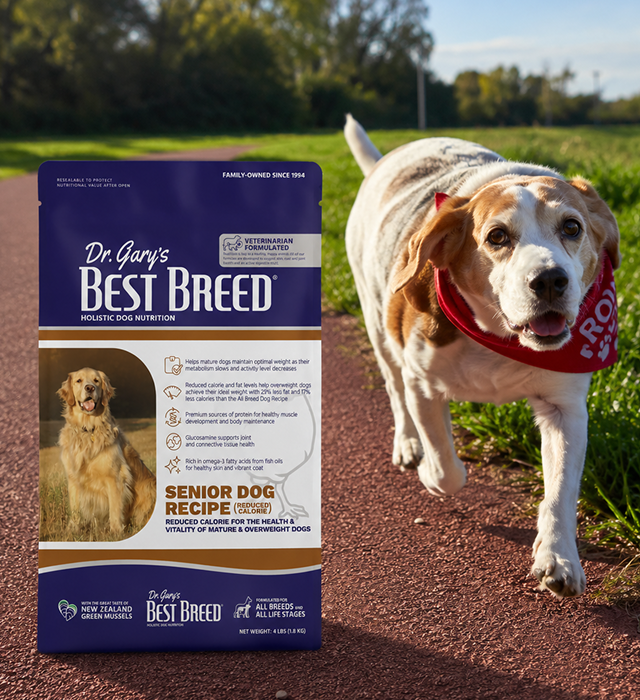
Dry kibble is convenient, affordable, easy to measure, and simple to store. It can work very well when it is complete and balanced. Some dogs also enjoy the texture, although kibble does not replace regular dental care.
Wet food contains more moisture and may help dogs that drink little water. It is often appealing to picky eaters and may be easier for dogs with dental pain to chew. Once opened, it must be refrigerated and used within the recommended time.
Gently cooked and fresh foods may offer appealing textures and clear ingredient lists. Their main drawbacks can include higher cost, short storage life, and the need to confirm that the recipe is nutritionally complete.
Raw diets remain controversial. They may contain harmful bacteria, create nutrient imbalances, and expose people or pets to foodborne illness. Freezing does not reliably destroy every harmful germ, and bones can cause broken teeth, choking, or intestinal injury.
A food type is not automatically healthier because it is fresh, grain-free, raw, or expensive. The healthiest dog food available is the one that meets nutrient standards, is safely prepared, and works well for your dog.

How to Choose the Healthiest Dog Food for Your Dog
Use a simple, step-by-step approach instead of relying on advertising.


-
Identify your dog’s life stage. Puppies, adults, seniors, pregnant dogs, and nursing dogs have different needs.
-
Consider body size. Large-breed puppies need careful calcium and calorie control. Small dogs may need more calories per pound and smaller pieces.
-
Review health concerns. Allergies, urinary disease, kidney problems, diabetes, and digestive disorders can change the best diet.
-
Check the adequacy statement. Confirm that the food is complete and balanced for the correct life stage.
-
Compare calories. Feeding too much of a healthy food can still cause obesity.
-
Look for company transparency. Ask about nutrition experts, quality testing, and manufacturing standards.
-
Watch your dog’s response. Track body weight, stool quality, coat condition, appetite, and energy.
A dog’s body condition score is especially useful. You should be able to feel the ribs under a thin layer of fat, see a waist from above, and notice an abdominal tuck from the side. If ribs are hard to feel, your dog may need fewer calories and more activity, with veterinary guidance.
Treats also count. Keep treats, table scraps, and chews to about 10% or less of daily calories. The remaining 90% should come from a complete and balanced diet.
Common Dog Food Mistakes to Avoid
One common mistake is changing food too quickly. A sudden switch can cause vomiting, diarrhea, or refusal to eat, even when the new food is nutritious.
Another mistake is judging food by one ingredient. “Chicken,” “salmon,” or “sweet potato” on the front does not tell you whether the entire recipe is balanced. The complete formula matters more than a single ingredient.
Avoid feeding homemade food without a recipe created by a board-certified veterinary nutritionist. Many homemade diets lack calcium, zinc, iodine, vitamin D, or other key nutrients. A recipe that looks healthy to a person may not meet a dog’s needs.
Other mistakes include:
• Choosing grain-free food without a medical reason
• Giving too many treats or fatty table scraps
• Ignoring calorie information
• Feeding supplements without veterinary advice
• Buying food only because of emotional marketing
• Storing dry food in a warm, damp place
• Keeping an opened can for too long
Grain-free food is not automatically healthier. Most dogs can digest properly cooked grains, and some grain-free diets have been investigated because of a possible link between certain diets and canine dilated cardiomyopathy. The issue is complex, so discuss diet choices with your veterinarian rather than relying on online claims.

When a Prescription Diet May Be Healthiest
Some dogs need more than ordinary maintenance food. Prescription diets are designed to support specific medical conditions and should be used with veterinary advice.
Examples include diets for:
• Chronic kidney disease
• Urinary crystals or bladder stones
• Diabetes
• Food allergies
• Severe digestive disease
• Pancreatitis
• Obesity
• Liver disease
These diets may control phosphorus, fat, sodium, protein, fiber, or mineral levels. A regular store-bought food may not provide the same medical support, even if its ingredient list looks similar.
Do not add supplements or switch diets during treatment without asking your veterinarian. Fish oil, calcium, herbal products, and high-fat treats can interfere with a carefully planned diet.
This is one area where personal preference should take a back seat. A dog with kidney disease does not need the trendiest food. It needs the food that best supports kidney function and overall quality of life.

How to Change Your Dog’s Food Safely
Most dogs do best with a gradual transition over seven to ten days. Sensitive dogs may need a longer change.
Try this schedule:
-
Days 1 and 2: Feed about 75% old food and 25% new food.
-
Days 3 and 4: Feed about 50% old food and 50% new food.
-
Days 5 through 7: Feed about 25% old food and 75% new food.
-
Day 8 onward: Feed the new food if stools and appetite remain normal.
Reduce the pace if your dog develops loose stool, gas, vomiting, or refuses meals. Contact a veterinarian if symptoms are severe, last more than a day, or occur with weakness, blood, pain, or dehydration.
Store dry food in its original bag inside a cool, dry container. Wash food bowls often, refrigerate opened canned food, and follow the package storage guidance. Clean handling is part of choosing the healthiest dog food available.

What I Have Learned From Comparing Dog Diets
A useful lesson from reviewing many dog nutrition questions is that owners often focus on the wrong detail. They may spend hours comparing the first five ingredients while overlooking calories, feeding amounts, testing, and the nutritional adequacy statement.
A simple example is an active young dog that gains weight on a rich “premium” formula. The food may contain excellent ingredients, but the portions may be too large for that dog. In another case, a picky dog may thrive on a less fashionable diet because it has the right texture and causes no digestive upset.
The practical lesson is to treat dog food like a pair of shoes. The best choice is not the one with the most impressive label. It is the one that fits your dog, supports health, and can be fed safely and consistently.
Keep a short food diary when trying a new diet. Record the amount fed, treats, stool quality, itching, vomiting, weight, and energy. This makes it easier to spot patterns and gives your veterinarian useful information.
Frequently Asked Questions About What Is the Healthiest Dog Food Available
What is the healthiest dog food available for most adult dogs?
The healthiest dog food available for most adult dogs is a complete and balanced adult-maintenance formula from a transparent, quality-focused manufacturer. Choose the recipe that supports a healthy weight and produces good stools, energy, skin, and coat condition.
Is wet food healthier than dry dog food?
Wet food is not automatically healthier than dry food. Wet and dry diets can both be nutritious when they are complete and balanced, so the better choice depends on your dog’s health, preferences, budget, and dental needs.
Is grain-free dog food the healthiest dog food available?
Grain-free food is not proven to be healthier for dogs without a grain allergy or medical need. Most dogs can digest grains, and diet decisions should focus on complete nutrition and veterinary advice rather than marketing trends.
Are raw diets safe for dogs?
Raw diets can expose dogs and people to harmful bacteria and may contain dangerous nutrient imbalances or bones. If you are considering raw feeding, discuss the risks with a veterinarian or board-certified veterinary nutritionist first.
How can I tell if my dog’s food is working?
Look for a stable, healthy weight, firm stools, normal energy, a healthy coat, and a good appetite. Regular veterinary exams and body weight checks are more reliable than judging food by package claims alone.
Can I make homemade dog food?
You can prepare homemade dog food, but it should follow a precise recipe made for your dog by a veterinary nutrition professional. Homemade diets that lack the right vitamins and minerals can cause serious health problems over time.
Conclusion
The healthiest dog food available is not one universal brand or trendy recipe. It is a complete and balanced diet that matches your dog’s age, size, activity, health, and calorie needs.
Read the adequacy statement, check calories, use treats in moderation, transition slowly, and watch your dog’s body condition. When your dog has a medical problem, work with a veterinarian before changing food.
Use these steps to make a calm, informed choice instead of following confusing food trends. For more practical pet nutrition guidance, explore trusted veterinary resources and share your dog food questions in the comments.

Pet Care Writer & Researcher
Daniel writes practical guides on daily care, feeding, and safety, turning complex topics into simple, actionable advice.