What Dog Food Is High In Protein: Best Choices For Dogs
Find out what dog food is high in protein, compare healthy options, and choose the best formula to support your dog’s strength and overall health.
High-protein dog food usually contains about 30% or more protein on a dry-matter basis. However, the best choice is not simply the food with the highest number. Look for a complete and balanced dog food that meets the right AAFCO nutrient profile for your dog’s life stage, uses digestible protein sources, and fits your veterinarian’s advice.
In the United States, dog food labels show protein as crude protein in the guaranteed analysis. That number is listed “as fed,” so it can be misleading when you compare dry food, canned food, and fresh food. A proper comparison requires a simple dry-matter calculation.
High-protein diets may suit active adult dogs, working dogs, and some dogs that need help maintaining muscle. They are not automatically best for every dog. Puppies, senior dogs, overweight dogs, and dogs with kidney, liver, or other health problems may need a more specific diet.

What Counts as High-Protein Dog Food?
There is no single official U.S. definition for “high-protein” dog food. In practice, many pet nutrition professionals describe dry dog food with 30% or more crude protein on a dry-matter basis as high in protein.
For context, the Association of American Feed Control Officials (AAFCO) sets minimum protein levels for complete dog foods:
- Adult maintenance: 18% crude protein on a dry-matter basis
- Growth and reproduction: 22.5% crude protein on a dry-matter basis
These are minimum nutrient levels, not ideal targets for every dog. A food can meet the minimum and still be a poor match for an individual dog. Protein amount, protein quality, calorie content, fat, fiber, vitamins, minerals, and digestibility all matter.
A simple protein range
| Dry-matter protein | General description |
|---|---|
| Less than 20% | Low to moderate |
| 20% to 25% | Moderate |
| 26% to 29% | Moderately high |
| 30% or more | High |
| 35% or more | Very high |
These ranges are practical guideposts, not official legal categories. Always check the complete label and the food’s nutritional adequacy statement.

How to Compare Protein on a Dog Food Label
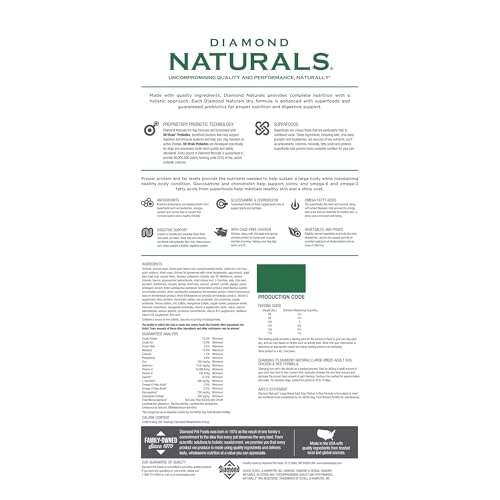
The guaranteed analysis lists crude protein as a percentage of the food as sold. Because water dilutes nutrients, compare foods by dry matter rather than by the label number alone.
Dry-matter protein formula
Use this calculation:
Dry-matter protein = crude protein ÷ (100 − moisture) × 100
For example, suppose a dry dog food lists:
- Crude protein: 32%
- Moisture: 10%
The calculation is:
32 ÷ (100 − 10) × 100 = 35.6% protein on a dry-matter basis
Now compare a canned food with:
- Crude protein: 10%
- Moisture: 78%
The calculation is:
10 ÷ (100 − 78) × 100 = 45.5% protein on a dry-matter basis
The canned food appears lower at first glance, but it has more protein after removing the water.
What the label can and cannot tell you
The guaranteed analysis can help you compare:
- Crude protein
- Crude fat
- Crude fiber
- Moisture
It does not tell you:
- How digestible the protein is
- How much protein comes from each ingredient
- Whether the food has enough calories for your dog
- Whether the food is suitable for a medical condition
- Whether the food meets AAFCO requirements for your dog’s life stage
A label that says “chicken is the first ingredient” does not prove that the food is high in protein. Ingredients are listed by weight before processing, and water-rich ingredients can weigh more than concentrated ingredients.

Which Dog Foods Are Highest in Protein?
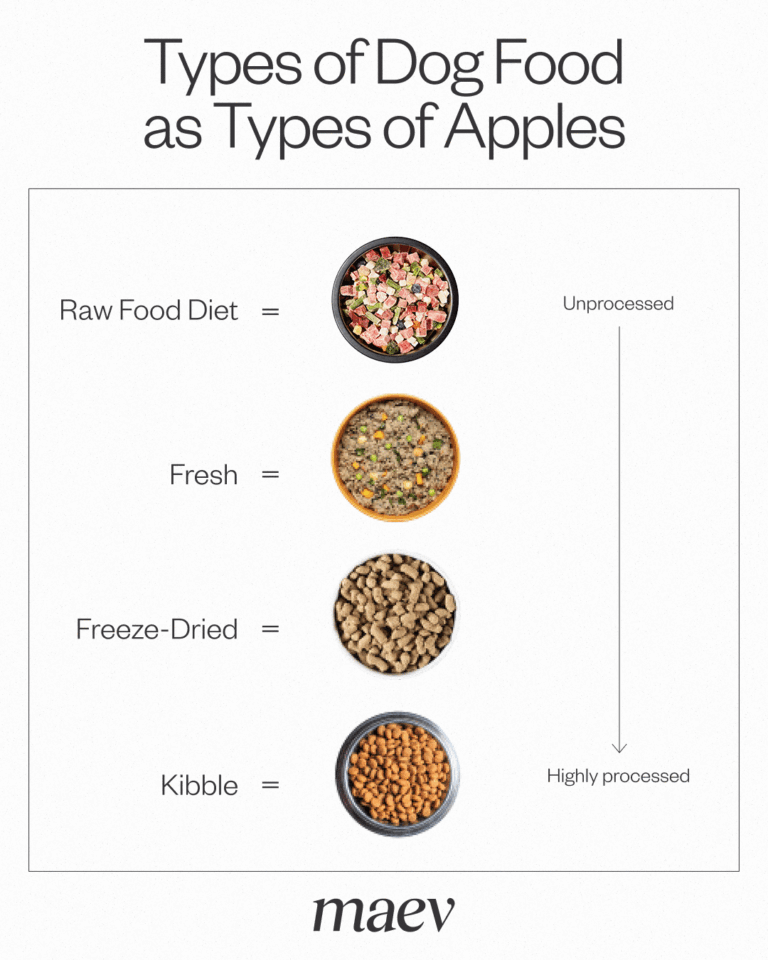
The highest-protein dog foods are often dry foods labeled for active dogs, performance dogs, or all life stages. Some canned foods and freeze-dried foods also provide a large amount of protein on a dry-matter basis.
Common high-protein categories include:
- Dry foods with about 30% to 40% crude protein
- Canned foods with high meat content after moisture is considered
- Freeze-dried or dehydrated foods
- Some fresh and gently cooked foods
- Formulas made for active or working dogs
The food format alone does not determine nutritional quality. A canned food may have more dry-matter protein than a kibble, while a freeze-dried food may have more calories per ounce. Compare the actual numbers.
Animal protein and plant protein
Animal ingredients such as chicken, turkey, beef, fish, eggs, and lamb can supply useful amino acids. Plant ingredients such as peas, lentils, beans, corn, rice, wheat, and soy also contain protein.
The key question is not whether a food contains any plant protein. The better questions are:
- Does the food provide the required amino acids?
- Is the protein digestible?
- Does the complete formula meet AAFCO requirements?
- Does the diet support the dog’s health and life stage?
- Does the dog maintain healthy muscle, weight, stool quality, and energy?
A food can contain a large amount of crude protein but still vary in amino acid balance and digestibility. That is why protein percentage should not be the only selection rule.
High-protein food categories at a glance
| Food type | Potential protein level | Main point to check |
|---|---|---|
| High-protein kibble | Often 30% or more | Calories and dry-matter protein |
| Regular adult kibble | Often about 20% to 28% | Whether it meets the dog’s needs |
| Canned dog food | Label numbers may look low | Convert for moisture |
| Freeze-dried food | Often concentrated | Calories, preparation, and cost |
| Raw food | Varies widely | Nutritional balance and food safety |
| Prescription diet | Varies by medical need | Use with veterinary guidance |

How to Choose a High-Protein Dog Food
Choose a food based on the dog, not just the protein number. A sensible process can help you avoid overfeeding or choosing a diet that does not meet the dog’s needs.
1. Check the life-stage statement
Look for a statement such as:
“Complete and balanced for adult maintenance”
or:
“Complete and balanced for growth, including growth of large-size dogs.”
The statement should match your dog. A puppy needs a growth diet. A pregnant or nursing dog needs a growth-and-reproduction diet. An adult dog may need adult maintenance food.
Large-breed puppies need special attention to calories, calcium, and phosphorus. A high-protein food that is not designed for large-breed growth may not be appropriate.
2. Compare protein on a dry-matter basis
Use the formula above when comparing different food types. For two dry foods with similar moisture, the label percentages may be close enough for a basic comparison. For canned, fresh, or raw diets, conversion is much more important.
3. Check calories
High-protein foods can also be high in calories. If your dog eats the same volume as before, weight gain may follow.
Use the food’s calorie statement, usually listed as:
- Kilocalories per cup
- Kilocalories per can
- Kilocalories per kilogram
Feed by calories and body condition, not only by cup size. The right amount depends on age, size, activity, neuter status, metabolism, and health.
4. Review the ingredient list with care
Look for clearly named protein sources, such as:
- Chicken
- Turkey
- Beef
- Fish
- Egg
- Lamb
- Pork
Meat meals, such as chicken meal or fish meal, are concentrated protein ingredients because much of the water has been removed. They are not automatically inferior to fresh meat.
Avoid judging a food by one ingredient alone. A complete recipe works as a system. Ingredient order does not show the final amount of every nutrient.
5. Confirm the manufacturer’s nutrition information
The label should provide contact details for the manufacturer or distributor. A responsible company should be able to answer questions about:
- Where the food is made
- Quality control
- Nutrient testing
- Calorie content
- AAFCO feeding tests or formulation
- How the company handles recalls and complaints
The phrase “premium” or “natural” does not guarantee higher protein or better nutrition. Those terms have limited value without supporting details.
6. Change foods slowly
Switch over about seven days unless a veterinarian tells you to change faster. Start with a small amount of the new food mixed with the current food, then increase the new food gradually.
Watch for:
- Loose stool
- Vomiting
- Gas
- Itching
- Reduced appetite
- Weight change
Stop and call your veterinarian if your dog has repeated vomiting, severe diarrhea, blood in the stool, weakness, or signs of dehydration.

Does Every Dog Need a High-Protein Diet?
No. Healthy dogs can thrive on different protein levels when the food is complete, balanced, digestible, and fed in the right amount.
High-protein food may be useful for:
- Very active adult dogs
- Sporting and working dogs
- Dogs that struggle to maintain muscle
- Some dogs that need a more calorie-dense diet
- Dogs whose veterinarians recommend increased protein
The best protein level depends on the whole diet and the dog’s condition. A sedentary dog may gain excess weight on a calorie-dense formula. A dog with a sensitive stomach may do better on a different recipe even if its protein percentage is lower.
Senior dogs
Older dogs do not automatically need low-protein food. Many senior dogs need adequate, high-quality protein to help maintain muscle as they age.
However, a senior dog with kidney disease, liver disease, or another medical issue may need a therapeutic diet. Ask a veterinarian before increasing protein for an older dog with abnormal blood work.
Dogs with kidney disease
Do not place a dog with kidney disease on a high-protein diet without veterinary advice. Kidney diets often involve controlled amounts of protein, phosphorus, sodium, and calories, but the correct plan depends on disease stage and test results.
Protein restriction is not a universal answer for every dog with kidney problems. A veterinarian can help interpret blood tests, urinalysis, blood pressure, weight, appetite, and hydration.
Puppies
Puppies need a diet made for growth. More protein is not the only concern. Puppies also need the right balance of energy, calcium, phosphorus, and other nutrients.
Large-breed puppies are especially sensitive to excess calories and improper mineral balance. Choose a food with a clear growth statement that includes large-size growth when needed.
Dogs with allergies
A high-protein food is not automatically suitable for a dog with food allergies. The protein source matters more than the total protein number.
For suspected food allergy, a veterinarian may recommend a limited-ingredient or hydrolyzed diet trial. Randomly switching among foods can make the problem harder to diagnose.

High Protein Does Not Always Mean Better
A high number on the guaranteed analysis does not prove that a food is better for your dog. Crude protein measures nitrogen-containing compounds, not the complete nutritional value of the recipe.
A food can have a high protein number because of:
- Concentrated animal meals
- Plant protein ingredients
- Added protein products
- A low-moisture formula
- A combination of several protein sources
That does not make the food unsafe. It simply means the number needs context.
Protein quality matters
Protein quality includes amino acid balance and digestibility. Dogs need essential amino acids from their diet because their bodies cannot make enough of some amino acids on their own.
The body uses digestible protein to support:
- Muscle
- Skin and coat
- Enzymes
- Hormones
- Immune function
- Tissue repair
The ingredient list can suggest protein sources, but it cannot fully measure digestibility. Feeding trials, nutrient analysis, and manufacturer quality controls provide more useful information than marketing phrases alone.
Grain-free is not the same as high-protein
Some grain-free foods are high in protein, but grain-free does not automatically mean higher protein or better nutrition. Grain-free recipes may use peas, lentils, potatoes, tapioca, or other ingredients in place of grains.
The U.S. Food and Drug Administration has investigated reports of canine dilated cardiomyopathy involving certain diets, many of which were labeled grain-free and contained high proportions of peas, lentils, other legumes, or potatoes. The evidence does not mean that every grain-free food causes heart disease, but it supports discussing diet choices with a veterinarian.

Common Mistakes When Buying High-Protein Dog Food
Avoid these common errors:
Comparing label percentages without adjusting for moisture
A canned food with 10% protein is not necessarily lower in protein than kibble with 30%. Convert both foods to dry matter first.
Choosing the highest protein number available
The highest number may provide more calories than your dog needs. It may also be a poor match for a medical condition or life stage.
Assuming “meat first” proves quality
Ingredient order does not show the final amino acid profile, digestibility, or adequacy of the full diet.
Ignoring calories
A dog can gain weight even when eating a high-protein food. Excess body fat can harm health and movement.
Feeding too many high-protein treats
Treats, chews, toppers, and table scraps add calories. Keep extras to about 10% of daily calories unless your veterinarian gives different instructions.
Switching food too quickly
A sudden change can cause diarrhea or vomiting. Gradual changes are usually easier on the digestive system.
Using raw food without a safety plan
Raw diets can expose people and pets to harmful bacteria. The CDC and FDA warn about risks linked to raw pet food, including Salmonella and Listeria. Raw diets can also be nutritionally incomplete if they are not properly formulated.

A Practical High-Protein Dog Food Checklist
Before buying a high-protein formula, ask:
- Is it complete and balanced?
- Does the AAFCO statement match my dog’s life stage?
- What is the protein percentage on a dry-matter basis?
- How many calories are in each cup, can, or serving?
- Is the food suitable for my dog’s size and activity level?
- Does my dog have kidney, liver, urinary, digestive, or allergy concerns?
- Can the manufacturer explain its quality-control process?
- Will I be able to feed the correct portion?
- Can I transition to it slowly?
- Does my dog maintain a healthy weight, good stool, energy, and muscle?
A high-protein food is a reasonable option when it fits these checks. If one or more do not fit, a lower-protein or therapeutic diet may be the better choice.
Key Takeaways
- High-protein dog food commonly means about 30% or more protein on a dry-matter basis.
- There is no official single U.S. definition of “high protein.”
- Compare dry, canned, fresh, and freeze-dried foods by removing the effect of moisture.
- Choose a complete and balanced food for the correct life stage.
- Protein quality, digestibility, calories, and overall nutrient balance matter.
- High-protein food may suit active dogs but is not automatically best for every dog.
- Ask a veterinarian before changing protein levels for a dog with kidney disease, liver disease, allergies, or other medical conditions.
Frequently Asked Questions
Is 30% protein high for dog food?
Usually, yes. For dry dog food, 30% crude protein is commonly considered high when the number is close to a dry-matter value. Confirm the moisture level before comparing it with wet or fresh food.
What meat has the most protein for dogs?
Chicken, turkey, beef, fish, eggs, and other animal ingredients can provide substantial protein. The best choice depends on the complete recipe, digestibility, calorie level, and whether your dog tolerates the ingredient.
Is high-protein dog food good for older dogs?
It can be. Adequate protein may help older dogs maintain muscle. But a senior dog with kidney, liver, or another health problem may need a veterinary diet instead.
Can high-protein dog food cause kidney problems?
High protein is not known to cause kidney disease in every healthy dog. However, dogs with kidney disease may need carefully controlled protein and phosphorus. Ask a veterinarian before using a high-protein diet for a dog with abnormal kidney tests.
How can I tell if my dog needs more protein?
Signs such as muscle loss, weight loss, poor recovery, or reduced strength can have many causes. Do not diagnose a protein deficiency from appearance alone. A veterinarian can assess body condition, muscle mass, diet, and medical history.
Conclusion
The best high-protein dog food is not simply the one with the biggest number on the bag. Start with a complete and balanced formula, compare protein on a dry-matter basis, check calories, and match the food to your dog’s age, activity, body condition, and health.
For a healthy adult dog, a food with roughly 30% or more dry-matter protein may be a useful high-protein choice. For puppies, seniors, or dogs with medical conditions, ask your veterinarian before making a major diet change.

Pet Care Writer & Researcher
Daniel writes practical guides on daily care, feeding, and safety, turning complex topics into simple, actionable advice.