Why Do Dogs Bark At Certain People: Reasons Explained
Why do dogs bark at certain people? Learn the common reasons, body-language clues, and simple ways to help your dog feel calm.
Dogs bark at certain people because they notice unfamiliar smells, body language, past experiences, or possible threats.
Understanding why do dogs bark at certain people can make daily walks, visitors, and family life much easier. Dogs do not bark only because someone is “bad” or dangerous. Barking is a form of communication shaped by fear, excitement, protection, social learning, and a dog’s unique history. This guide explains the most common reasons, how to read your dog’s body language, and what you can do safely.
Why Do Dogs Bark at Certain People?
Dogs bark at certain people for many reasons. A person may look, sound, smell, or move in a way that feels unusual to the dog. The reaction may also come from a past event that the dog connects with similar people.
Dogs have sharp senses. Their hearing and sense of smell can detect details that humans miss. A dog may notice perfume, smoke, medicine, another animal, or a change in a person’s walking pattern.
Barking does not always mean aggression. It may mean, “Stay away,” “I am nervous,” “Look at me,” or “Something is different.” The bark is only one part of the message. Posture, facial tension, tail movement, and ear position provide more useful clues.
Common reasons include:
• Fear or anxiety
• Territorial behavior
• Protective instincts
• Excitement or frustration
• Lack of socialization
• Past negative experiences
• Sensitivity to unusual movement or sound
• Pain, illness, or age-related changes
A dog may bark at one person in a group and ignore everyone else. That does not prove the person has harmful intentions. It often shows that the dog is reacting to a specific feature or memory.
Fear and Anxiety Can Trigger Barking
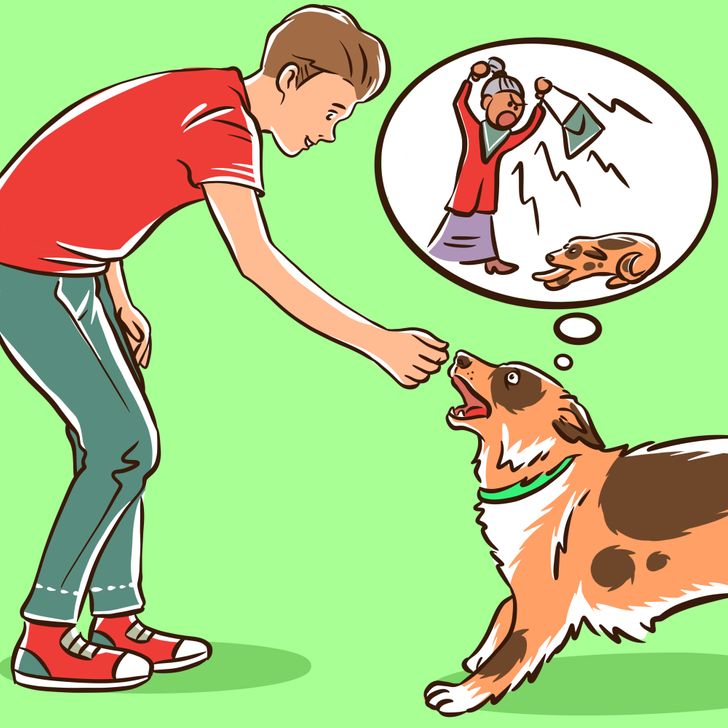
Fear is one of the most common answers to why do dogs bark at certain people. A nervous dog may bark to create space. From the dog’s point of view, barking can work like a warning sign that says, “Please do not come closer.”
Fear barking often comes with other signs, such as:
• Leaning away
• Lowering the body
• Tucking the tail
• Pinning the ears back
• Licking the lips
• Yawning
• Avoiding eye contact
• Hiding behind the owner
• Growling or snapping if the person keeps approaching
A dog may fear people who wear hats, uniforms, heavy coats, sunglasses, or unusual clothing. Some dogs react to people using canes, walkers, wheelchairs, or crutches because these objects change the person’s shape and movement.
Children can also worry some dogs. Children often move fast, speak loudly, wave their arms, or stare directly at dogs. These actions may feel threatening to a dog that has not spent much time around children.
The safest response is to increase distance. Do not force the dog to greet the person. Forced contact can make fear stronger and may lead to a bite.

Dogs Notice Body Language and Movement
Dogs pay close attention to body language. A person who leans over, reaches toward the dog’s head, stares, or walks straight at the dog may seem threatening.
In human culture, direct eye contact can show confidence or attention. In dog communication, a hard stare may feel like a challenge. This difference helps explain why do dogs bark at certain people even when those people are trying to be friendly.
Fast or unusual movement may also cause a reaction. A dog could bark at:
• Runners
• Skateboarders
• Cyclists
• People who wave their arms
• Someone who walks with an uneven step
• A person who suddenly stands up
• A visitor who enters through a door quickly
Dogs often feel safer when people turn their bodies slightly sideways, move slowly, and avoid reaching over the dog. A calm person can help by standing at a comfortable distance and allowing the dog to choose whether to come closer.
Never tell a fearful dog to “get over it.” Fear is an emotional response, not an act of disobedience.
Smell Can Explain a Dog’s Reaction
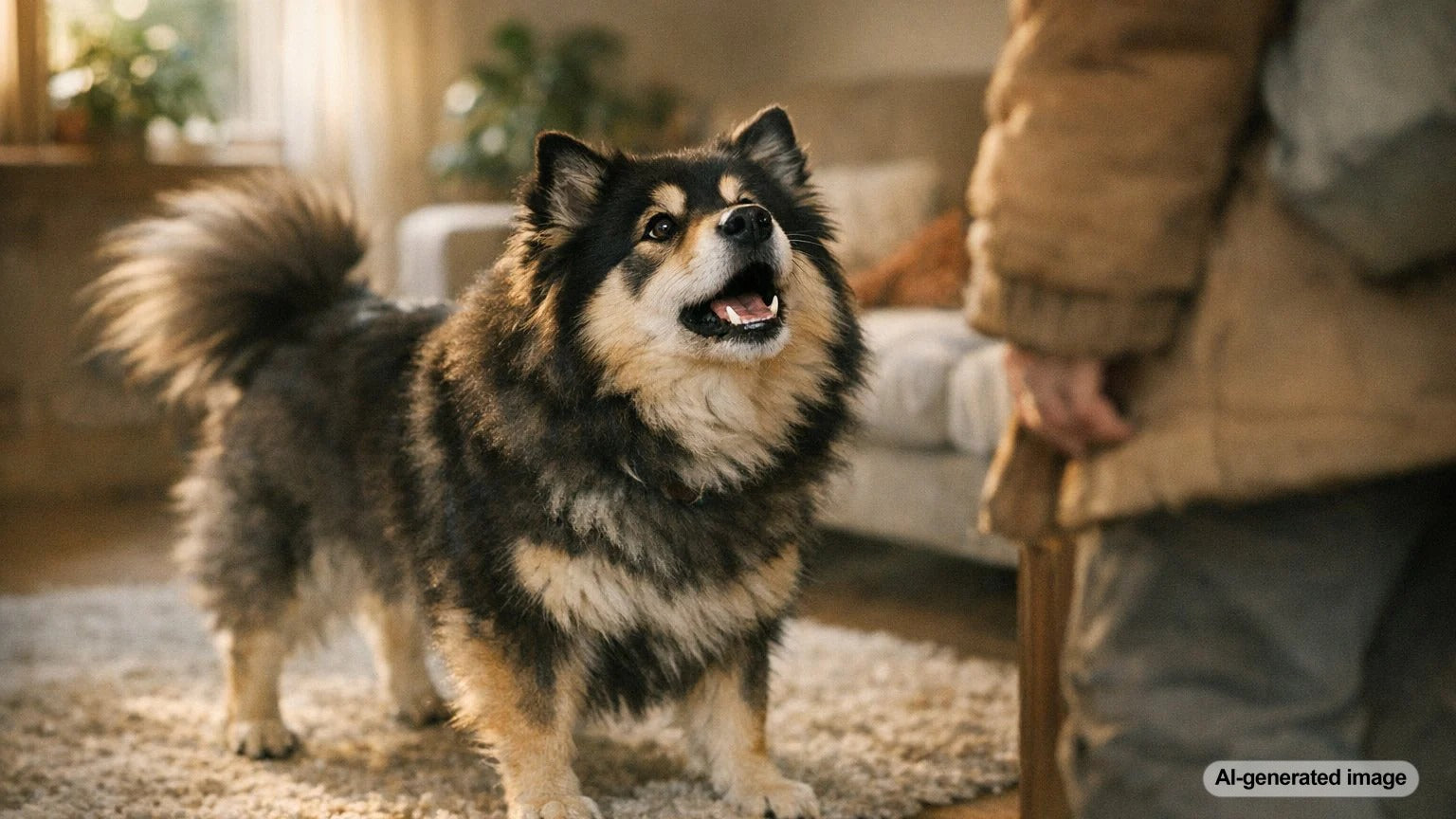
A dog’s sense of smell is far stronger than a human’s. This makes scent an important part of why do dogs bark at certain people.
A dog may react to a person who smells like:
• Another dog or cat
• A veterinary clinic
• Cigarette smoke
• Alcohol
• Strong perfume
• Cleaning products
• Medication
• Food
• Wildlife
• A different household
Some dogs bark at a family member after that person returns from a hospital, salon, workplace, or grooming appointment. The person looks familiar, but the smell has changed. The dog may need time to process the difference.
Dogs can also detect stress-related changes in body odor. However, this does not mean a dog can always identify a dangerous person. A dog’s response to scent can be shaped by fear, excitement, or simple confusion.
Let the dog observe from a safe distance. Avoid pushing the dog toward the person so it can “smell them.” The dog should approach only if its body language remains loose and relaxed.

Past Experiences Shape a Dog’s Behavior
A dog’s history plays a major role in why do dogs bark at certain people. A dog that was frightened by a tall man may later bark at men with similar voices, clothing, or body shapes.
This is called generalization. The dog remembers one stressful event but may apply that memory to many similar people. The dog is not judging character. It is trying to predict what might happen next.
For example, a dog may bark at:
• Men with deep voices after a frightening encounter
• People wearing work boots after being chased by someone in boots
• Visitors carrying bags after a bag once fell near the dog
• People with hats after a startling event involving a hat
• Teenagers after rough handling by a young person
A single unpleasant event can create a lasting reaction, especially if the dog was young, already anxious, or unable to escape. Repeated stressful events may make the response stronger.
A dog’s behavior can improve through gentle training, but progress may take time. Trust grows through many calm experiences, not one forced greeting.
Territorial Barking at Home
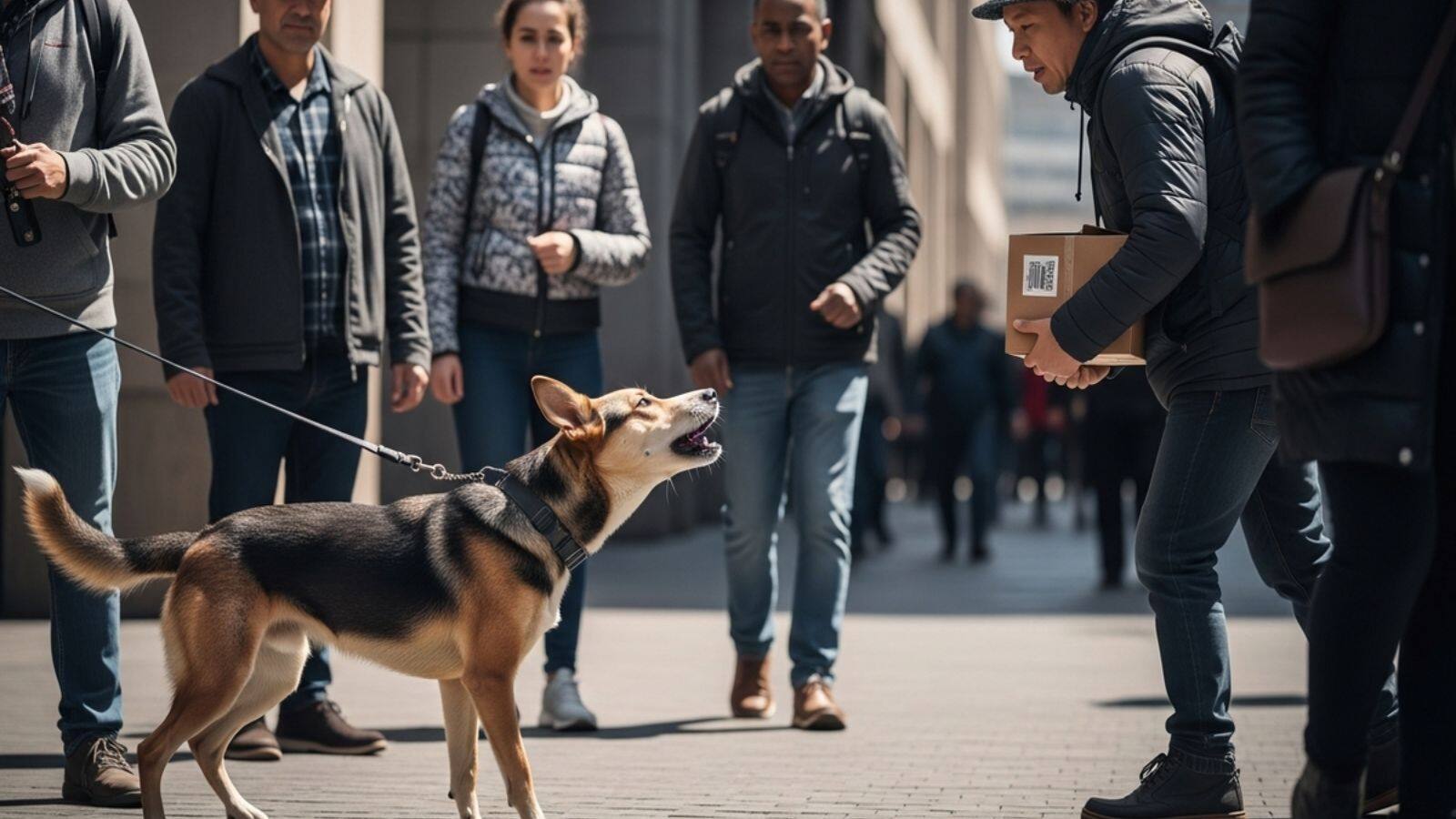
Some dogs bark at certain people because they see them as intruders. This is called territorial behavior. The dog may bark at people near the home, at the front door, through a window, or in the yard.
Territorial barking often includes:
• Standing tall
• Moving toward the door or window
• Holding the tail high
• Giving repeated, sharp barks
• Blocking access to the home
• Watching the person closely
The dog may behave normally outside but bark at the same person inside the house. The location changes the dog’s feelings. At home, the dog may believe it has a duty to protect its space.
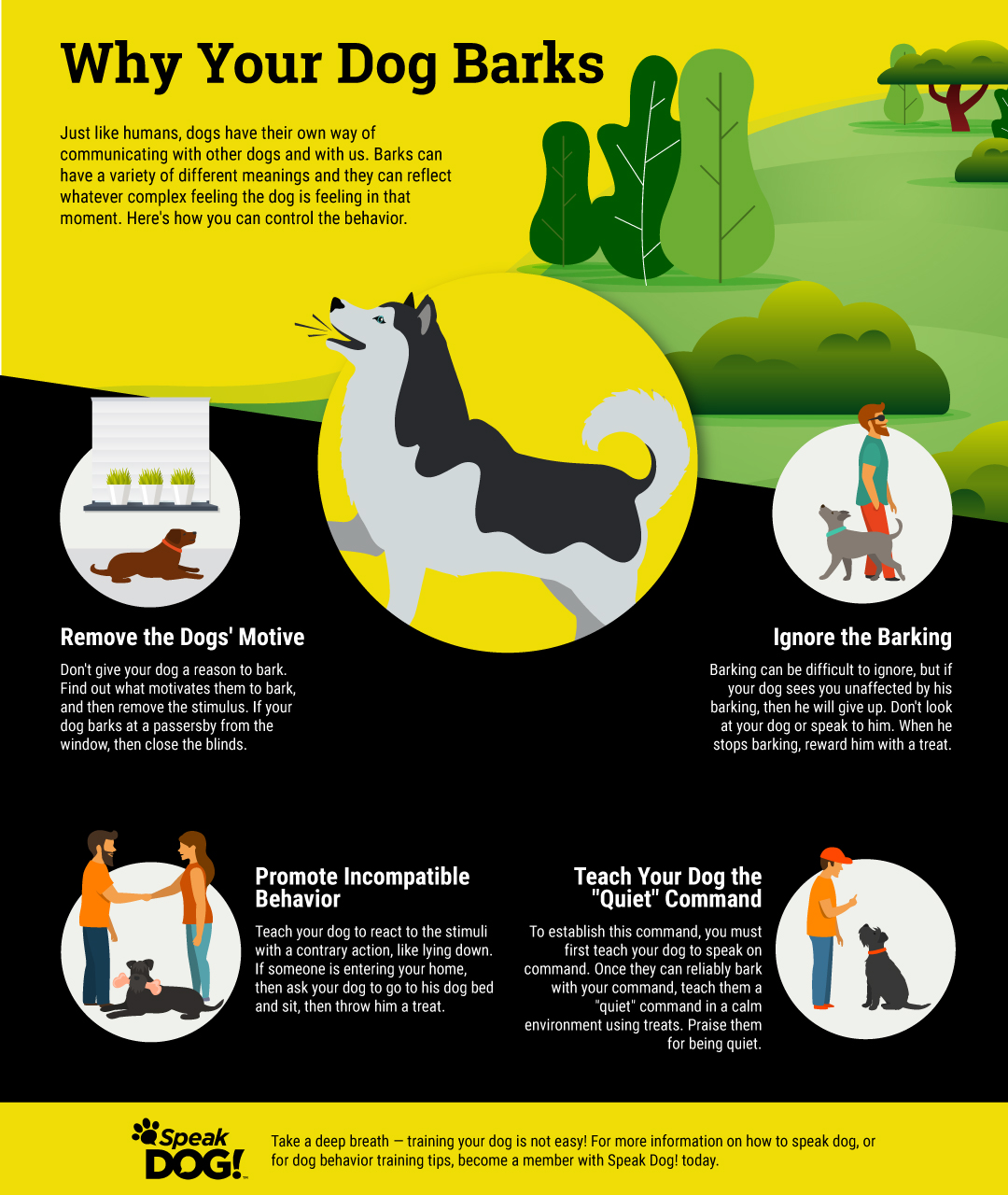
Window barking can become a habit. Each time a person walks past and leaves, the dog may think barking made the person go away. This rewards the behavior, even when the person was simply continuing down the sidewalk.
Helpful steps include:
-
Close blinds or use privacy film on windows.
-
Move furniture away from high-traffic windows.
-
Teach the dog to come to a mat when someone approaches.
-
Reward quiet behavior before the barking becomes intense.
-
Keep the dog away from the door during busy visits.
Do not encourage territorial barking by praising the dog for “guarding” the home. This can increase stress and make the dog feel responsible for every visitor.

Protective Behavior Toward Family Members
A dog may bark at certain people when it believes a family member is in danger. This can happen when someone hugs, touches, approaches, or speaks loudly to the dog’s favorite person.
The behavior may look protective, but it can also involve fear, resource guarding, or confusion. A dog may guard access to a person in the same way it guards food, toys, beds, or doorways.
Watch for signs such as:
• Standing between two people
• Pressing against the favored person
• Stiffening when someone comes close
• Growling during hugs
• Barking when someone sits beside the person
• Following the person from room to room
A dog should not decide who may approach a family member. If the behavior is increasing, seek help from a qualified veterinary behaviorist or a certified behavior consultant.
Punishment can make the dog hide warning signs while keeping the fear or guarding problem. A quiet dog is not always a relaxed dog.
Excitement, Frustration, and Attention
Not all barking at certain people is negative. Some dogs bark because they are excited to see a person. Others bark because they want attention, play, food, or access to a favorite activity.
Excited barking often appears with:
• A loose, wiggly body
• Fast tail movement
• Play bows
• Bringing a toy
• Jumping
• Whining
• Spinning or running
Frustration barking can happen when a dog sees a person but cannot reach them. For example, a dog may bark at a favorite neighbor through a fence or at a dog walker across the street.
The goal is to reward calm behavior. Ask the person to wait until the dog has four paws on the floor or becomes quiet for a moment. Then offer praise, a treat, or a toy.
If barking always earns attention, even negative attention, it may continue. Yelling can sound like another form of barking to the dog.
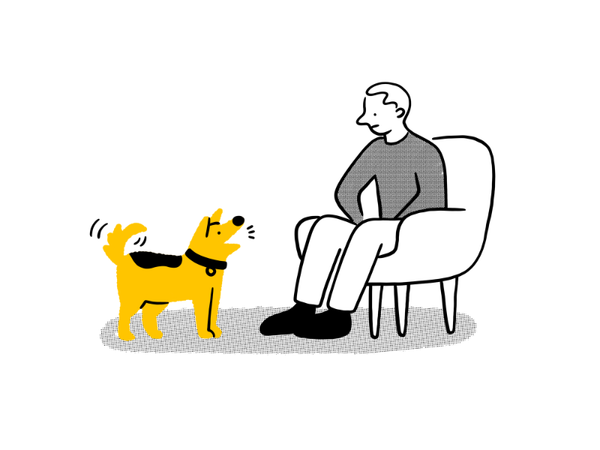
Why Some Dogs Bark at Men, Women, or Children
People often notice that a dog barks at men but not women, or at children but not adults. There is usually no single explanation.
A dog may have had more positive contact with one group. For example, a dog raised mainly by women may feel unsure around men because male voices, body size, or movement are less familiar.
Other factors may include:
• Voice pitch and volume
• Height and body size
• Facial hair
• Clothing style
• Walking speed
• Eye contact
• Past experiences
• Amount of early social exposure
A dog that barks at men is not automatically showing a dislike of men. It may be responding to deep voices, larger bodies, hats, beards, or direct approaches.
Children need special care around nervous dogs. Never leave a child alone with a dog that barks, growls, snaps, hides, or stiffens around children.
Why Dogs Bark at Someone Who Seems Calm
It can be confusing when a dog barks at a quiet, gentle person. The person may be calm by human standards, but the dog may notice something else.
The person might be standing stiffly, staring, holding an unfamiliar object, or moving in a way the dog does not understand. Some dogs also react to people who are unusually still because stillness can feel strange.
A person’s calmness may not comfort a fearful dog if that person is facing the dog directly. A better approach is to:
• Turn slightly sideways
• Avoid staring
• Keep hands low and still
• Speak softly
• Ignore the dog at first
• Toss treats away from the body
• Allow the dog to choose the distance
In my experience observing dog behavior, people often make one common mistake: they reach out quickly because they want to show they are friendly. To a worried dog, that friendly gesture can feel like pressure.
How to Read the Difference Between Fear and Aggression
People often describe barking as aggression, but barking alone cannot confirm aggressive intent. A dog may bark from fear and still be capable of biting if it feels trapped.
Look at the full body.
A fearful dog may:
• Lean backward
• Lower its body
• Tuck its tail
• Show the whites of its eyes
• Try to hide
• Bark while retreating
A confident territorial dog may:
• Stand stiffly
• Hold the head high
• Move forward
• Raise the tail
• Stare
• Block the person’s path
A playful or excited dog may:
• Keep a loose body
• Wag the whole body
• Bounce
• Offer a toy
• Use a play bow
These signs are not perfect rules. Dogs can show mixed signals, and some dogs move from fear to defensive aggression very quickly. When in doubt, create space and ask a professional for help.
How to Stop a Dog From Barking at Certain People
The best method depends on the cause. Training should change the dog’s emotional response, not simply suppress the sound.
1. Find the trigger distance
Notice how close the person can be before the dog barks. This is the dog’s threshold. Begin training farther away, where the dog can still notice the person without losing control.
2. Pair the person with something positive
When the dog sees the person, give a high-value treat. When the person leaves or moves away, the treats stop. This teaches the dog that the person predicts good things.
3. Reward calm behavior
Reward the dog for looking at the person and then looking back at you. This is often called the “look at that” game. Keep sessions short and easy.
4. Teach a replacement behavior
Useful behaviors include:
• Looking at the owner
• Touching a hand with the nose
• Going to a mat
• Sitting
• Walking away
A replacement behavior gives the dog a job. It is easier to teach a dog what to do than to repeat, “Do not bark.”
5. Increase distance when needed
If the dog barks, lunges, freezes, or refuses treats, the person is too close. Move away calmly. Training works best when the dog stays below its stress limit.
6. Practice with a helper
Ask a calm friend to help. The helper should follow instructions and avoid direct contact. Begin with the person far away, then slowly reduce distance over several sessions.
Desensitization and counterconditioning are widely used behavior methods. They work by presenting the trigger at a low intensity while pairing it with rewards.
Mistakes to Avoid
Some reactions can make barking worse. Avoid these common mistakes:
• Punishing the dog after it barks
• Forcing a greeting
• Holding the dog close to a feared person
• Allowing strangers to reach over the dog
• Using a shock collar without expert guidance
• Flooding the dog with too much exposure
• Rewarding frantic barking with attention
• Ignoring repeated warning signs
• Assuming a wagging tail always means friendliness
A wagging tail shows arousal, not always happiness. A stiff, fast wag can signal tension.
I have also seen owners wait until barking becomes intense before offering a treat. At that stage, the dog may be too stressed to learn. Reward early signs of calm, such as turning away, softening the body, or checking in with the owner.
When to Contact a Professional
Contact a veterinarian if the barking begins suddenly, becomes intense, or appears with confusion, pain, irritability, or unusual behavior. Medical problems can affect mood and reactions.
A veterinarian may check for:
• Pain
• Vision loss
• Hearing loss
• Neurologic problems
• Hormonal changes
• Age-related cognitive decline
Seek behavior help if your dog:
• Has snapped or bitten
• Lunges at people
• Cannot calm down
• Guards a family member
• Reacts to many people
• Is getting worse despite training
A veterinary behaviorist can assess medical and emotional factors. A qualified reward-based trainer can help build a safe training plan. Ask about experience with fear, reactivity, aggression, and desensitization.
Professional support is not a failure. It is often the fastest and safest path to progress.
Safety Tips for Visitors and Walks
Safety should come before social goals. Your dog does not need to greet every person.
For visitors:
-
Exercise the dog gently before guests arrive.
-
Put the dog behind a gate or in another room at first.
-
Give the dog a food puzzle or chew.
-
Let the dog observe from a safe distance.
-
Ask guests to ignore the dog.
-
Allow contact only if the dog remains relaxed.
For walks:
• Use a secure leash and well-fitted harness.
• Cross the street when needed.
• Keep space from strangers.
• Carry high-value treats.
• Tell people, “My dog needs space.”
• Avoid retractable leashes in crowded areas.
• Consider basket muzzle training if a professional recommends it.
A muzzle should never be used as punishment. A properly fitted basket muzzle allows a dog to breathe, drink, and take treats while adding a safety barrier.
Frequently Asked Questions About Why Do Dogs Bark at Certain People
Why does my dog bark at strangers but not family members?
Family members are familiar, so the dog knows their smells, voices, movements, and routines. Strangers may create uncertainty, excitement, fear, or territorial concern.
Why does my dog bark at one person but ignore everyone else?
The person may have a different scent, voice, posture, movement pattern, or appearance. The reaction may also connect to a past experience that resembles that person.
Does barking mean my dog dislikes someone?
No. Barking can show fear, excitement, frustration, confusion, or a desire for distance. Read the dog’s full body language before deciding what the bark means.
Why does my dog bark at men?
Some dogs have had less contact with men or feel unsure about deep voices, larger bodies, facial hair, hats, or direct approaches. Calm exposure and reward-based training can help.
Why does my dog bark at children?
Children may move quickly, make loud sounds, stare, or behave in ways the dog finds unpredictable. Closely supervise all child and dog interactions, especially if the dog shows fear or tension.
Should I punish my dog for barking at people?
Punishment can increase fear and may suppress warning signs without solving the cause. Use distance, reward calm behavior, and seek professional help if the response is intense.
Can dogs sense a bad person?
Dogs can notice scent, movement, tension, and unusual behavior, but barking does not prove that someone is dangerous. Treat the reaction as information about the dog’s feelings, not as proof about a person’s character.
Conclusion
Why do dogs bark at certain people? The answer often involves fear, unfamiliar smells, body language, territory, excitement, past experiences, or health changes. Barking is communication, and the best solution starts by understanding the message behind it.
Give your dog space, reward calm behavior, avoid forced greetings, and watch for early stress signals. If barking includes lunging, snapping, biting, or sudden behavior changes, contact a veterinarian or qualified behavior professional. Use these steps during your next walk or visit, and share your experience with a trusted dog-care community.

Pet Care Writer & Researcher
Daniel writes practical guides on daily care, feeding, and safety, turning complex topics into simple, actionable advice.