Why Do Dogs Constantly Bark: Reasons And Solutions
Why do dogs constantly bark? Learn the common causes and effective, humane ways to reduce excessive barking and keep your dog calm.
Dogs constantly bark to communicate needs, respond to triggers, release stress, or cope with fear, boredom, and poor training.
If you keep asking, “why do dogs constantly bark,” the answer is rarely just stubbornness. Barking is a dog’s main alarm system, social signal, and emotional outlet. The key is to understand what the bark means before trying to stop it. This guide explains the most common causes, practical training steps, health concerns, and mistakes that can make barking worse.
Why Do Dogs Constantly Bark?
Dogs bark because barking works. It gets attention, warns of change, invites play, expresses discomfort, or makes something scary move away. In many cases, the behavior becomes stronger because the dog receives a reward after barking.
For example, a dog may bark at the window until a person or another dog passes. The dog may believe the barking made the “threat” leave. This creates a powerful habit, even when the trigger was already moving away.
Common reasons include:
• Alerting you to people, animals, sounds, or movement
• Seeking attention, food, play, or access to a room
• Feeling afraid, anxious, lonely, or frustrated
• Protecting a home, yard, person, or favorite item
• Feeling bored and needing more mental or physical activity
• Experiencing pain, hearing loss, confusion, or another health issue
A dog’s breed, age, past learning, environment, and personality also matter. A young herding dog may bark at motion, while an older dog may bark more because of pain or cognitive changes.
The Main Types of Dog Barking
Learning the type of bark can help you respond with more accuracy. A high, sharp bark often sounds different from a low warning bark. Still, sound alone does not tell the full story. Watch the dog’s body, surroundings, and behavior before and after the barking.
Alert barking
Alert barking happens when a dog notices something unusual. It may bark at a delivery driver, a knock, a squirrel, or a sound outside.
The dog may stand stiffly, raise its head, point its ears forward, or rush toward a window. A few alert barks can be normal. The problem begins when the dog cannot settle after the trigger is gone.
Fear barking
Fear barking is a request for distance. A frightened dog may bark while backing away, hiding behind you, lowering its body, or licking its lips.
Punishment can make fear worse. The dog may learn that scary events bring both the original threat and a harsh reaction from its owner.
Demand barking
Demand barking is aimed at getting something specific. The dog may bark for food, play, a door to open, or your attention.
If you give the dog what it wants while it barks, you may teach it that barking is an effective button to press. Even eye contact or saying “stop” can reward the behavior for some dogs.
Frustration barking
A frustrated dog may bark when it cannot reach another dog, chase a toy, leave a crate, or greet a person. You may see jumping, pacing, pulling, or spinning along with the barking.
This is common in dogs that have lots of energy but few safe ways to use it. Training impulse control can help reduce this pattern.
Separation-related barking
Some dogs bark when left alone because they feel distress, not because they are being disobedient. Other signs may include pacing, drooling, destruction near doors, house soiling, or frantic attempts to escape.
Separation anxiety needs a careful plan. In severe cases, a veterinarian or certified behavior professional should guide treatment.
Why Do Dogs Constantly Bark at Night?
Night barking often occurs because the environment becomes quiet. Small sounds that go unnoticed during the day may seem important after dark. Dogs may hear animals, neighbors, traffic, plumbing, or outdoor movement.
Other causes include:
• A need to go outside
• Loneliness or separation distress
• Pain or physical discomfort
• Fear of darkness or unfamiliar sounds
• Excess energy from a quiet day
• Age-related confusion
Older dogs may bark at night because of changes in vision, hearing, sleep, or brain function. A sudden change in nighttime behavior deserves a veterinary check.
Try keeping a simple log. Record the time, sound, location, body language, and what stopped the barking. This can reveal a pattern and prevent guesswork.

Why Do Dogs Constantly Bark at People?
Dogs may bark at people because they are excited, fearful, protective, or eager to interact. A dog that barks and then receives petting may learn that barking brings social contact. A dog that barks and makes a stranger leave may learn that barking keeps people away.
Look at the dog’s body language:
• Loose body, wagging tail, and bouncing movements often suggest excitement
• Stiff posture, hard staring, and a raised tail may signal tension
• Crouching, tucked tail, lip licking, and retreating often suggest fear
• Lunging, growling, or snapping signals a higher safety concern
Do not force a fearful dog to greet people. Give the dog space, use a leash, and ask visitors to ignore the dog at first. Calm behavior should earn treats, while barking should not lead to forced contact.

Why Do Dogs Constantly Bark at Other Dogs?
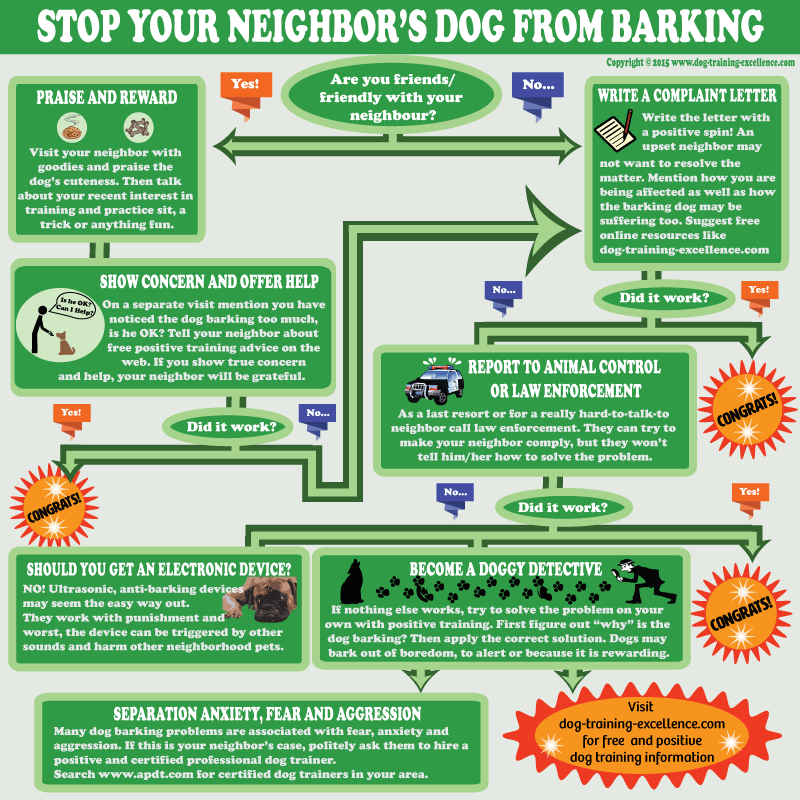
Barking at other dogs can come from excitement, fear, frustration, territorial behavior, or poor social skills. A dog behind a fence may bark more because the barrier prevents normal approach and retreat. This is sometimes called barrier frustration.
A dog may also bark on leash because it cannot control the distance between itself and another dog. Pulling toward the other dog can mean excitement, but it can also hide anxiety.
Use distance as a training tool. Move far enough away that your dog can notice another dog without exploding. Reward calm looking, then slowly reduce the distance over many sessions.
Do not punish a dog for warning signals. Growling and barking provide useful information. Suppressing those signals without changing the emotion underneath can increase the risk of a sudden bite.

Health Problems That Can Increase Barking
Behavior changes can sometimes point to a medical problem. This is especially important when barking starts suddenly or affects an older dog.
Possible health-related causes include:
• Arthritis or another painful condition
• Dental pain
• Skin irritation or allergies
• Hearing or vision loss
• Urinary problems
• Stomach discomfort
• Neurological disease
• Canine cognitive dysfunction
Pain can make a dog more sensitive and less patient. Hearing loss can also cause a dog to startle easily or bark because it cannot locate sounds. A veterinary examination is the safest first step when the change is sudden, intense, or paired with other symptoms.
Seek prompt veterinary help if barking occurs with collapse, severe pain, breathing trouble, confusion, aggression, repeated vomiting, or an inability to settle.

How to Stop Excessive Dog Barking
The best plan depends on the cause. There is no single command that fixes every barking problem. Effective training changes both the dog’s behavior and the situation that triggers it.
1. Find the trigger
Write down what happens before the barking. Ask:
• What does the dog see, hear, or smell?
• Where is the dog?
• What time does it happen?
• How long does it last?
• What happens after the barking?
This simple record often shows whether the pattern involves windows, visitors, food, being alone, or outdoor sounds.
2. Reduce the dog’s access to triggers
Management is not a failure. It prevents the dog from practicing the unwanted behavior.
You can:
• Close curtains or use removable window film
• Move furniture away from windows
• Use a fan or soft background sound
• Bring the dog inside during busy outdoor periods
• Use a secure, quiet resting area
• Avoid leaving the dog alone in a yard for long periods
Every repeated barking episode can strengthen the habit. Reducing practice gives training a better chance to work.
3. Reward quiet behavior
Wait for a brief pause, then calmly give a treat. At first, even one second of silence may be enough. Gradually reward longer quiet periods.
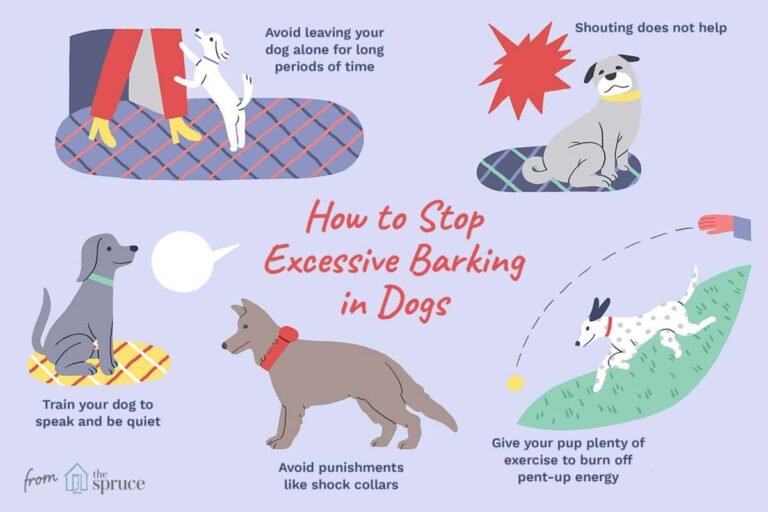
You can teach a “quiet” cue by saying it once in a calm voice when the dog pauses. Then reward the silence. Do not shout the cue repeatedly, because the dog may hear it as more barking.
4. Teach an alternative behavior
A dog needs a clear job. Ask for a behavior such as:
• Looking at you
• Touching your hand
• Going to a mat
• Sitting
• Picking up a toy
Practice these skills when the dog is calm. Later, use them before the dog reaches a barking frenzy.
5. Provide daily enrichment
Exercise helps, but physical activity is only part of the solution. Many dogs also need to sniff, solve problems, chew, and learn.
Useful activities include:
• Food puzzle toys
• Short reward-based training sessions
• Sniff walks
• Hide-and-seek games
• Safe chew items
• Scent games indoors
A tired dog is not always a calm dog. Overstimulation can also increase barking, so balance active play with rest.

Training Mistakes That Can Make Barking Worse
Many well-meaning owners accidentally reward barking. This is easy to do because barking is stressful, especially in an apartment or shared home.
Common mistakes include:
• Yelling, which may sound like you are barking too
• Giving food immediately after demand barking
• Opening the door while the dog is rushing and barking
• Using shock, spray, or harsh punishment
• Expecting instant results
• Allowing barking at the window for hours
• Using a bark collar without addressing fear or anxiety
Punishment may stop a sound for a moment, but it often fails to teach calm behavior. It can also increase fear and damage trust. Reward-based training is safer and supported by modern veterinary behavior guidance.
In difficult cases, a professional can help identify the function of the barking. Look for a certified behavior consultant, a veterinary behaviorist, or a qualified force-free trainer. Credentials matter because the pet training field is not regulated in the same way as veterinary medicine.
A Simple Seven-Day Barking Plan
A short plan can make the problem feel manageable. Keep sessions brief and repeat them often.
-
Track every major barking episode for two days.
-
Identify the most common trigger.
-
Reduce access to that trigger.
-
Choose one calm behavior to reward.
-
Practice the behavior indoors without distractions.
-
Add a mild version of the trigger from a safe distance.
-
Reward calm responses and stop before the dog becomes overwhelmed.
Progress is rarely perfectly straight. A dog may improve for several days, then bark again after a stressful event. Treat this as information, not failure.
In behavior work, the goal is not always total silence. A realistic goal may be fewer barks, faster recovery, and better communication.
When to Contact a Professional
Contact a veterinarian if the barking is new, sudden, intense, or linked with signs of pain or confusion. Medical problems should be ruled out before treating a behavior issue alone.
A behavior professional is especially helpful when the dog:
• Shows aggression or attempts to bite
• Panics when left alone
• Cannot eat or respond around a trigger
• Destroys doors, windows, or crates
• Barks for hours despite consistent training
• Has a history of trauma or severe fear
• Lives in a setting where barking creates legal or housing concerns
Take a short video if it is safe to do so. A professional can learn a great deal from posture, movement, distance, and recovery time.
Frequently Asked Questions About Why Do Dogs Constantly Bark
Why do dogs constantly bark for no clear reason?
Dogs usually have a reason, even when people cannot see it. A sound, scent, pain signal, fear, boredom, or learned habit may be hidden from us.
Is it normal for dogs to bark every day?
Some daily barking is normal because barking is a natural form of communication. Frequent, prolonged barking that disrupts sleep, causes distress, or seems hard for the dog to control needs attention.
Should I ignore a dog that constantly barks?
Ignore demand barking when it is safe, but do not ignore possible fear, pain, or separation distress. First identify the cause, then reward quiet behavior and provide suitable support.
Do bark collars stop dogs from constantly barking?
Bark collars may suppress noise without fixing the reason for it. They can increase fear or stress, especially in sensitive dogs, so reward-based training and professional guidance are safer choices.
Why do older dogs suddenly bark more?
Older dogs may bark more because of pain, hearing or vision changes, anxiety, or cognitive decline. A veterinarian should evaluate any sudden behavior change in a senior dog.
Can exercise stop constant barking?
Exercise can help when excess energy plays a role, but it is not a complete cure. Dogs also need sleep, mental enrichment, trigger management, and training that matches the cause.
Conclusion
The answer to “why do dogs constantly bark” usually involves communication, emotion, environment, learning, or health. Barking may warn you, seek attention, express fear, or release frustration. The most effective response is to observe the pattern, reduce triggers, reward calm behavior, and avoid punishment that increases stress.
Start with one trigger and one small training goal today. If the barking changes suddenly or involves fear, pain, or aggression, involve your veterinarian or a qualified behavior professional. With patience and a clear plan, you can help your dog feel safer and create a quieter home. Share your experience or explore more reward-based dog training resources to keep learning.

Pet Care Writer & Researcher
Daniel writes practical guides on daily care, feeding, and safety, turning complex topics into simple, actionable advice.