Do Great Pyrenees Bark A Lot: Stop Excess Barking Fast
Learn why do great pyrenees bark a lot and proven tips to curb barking, train calmly, and protect your home. Read real solutions now.
Great Pyrenees can be vocal; many bark often to alert, guard, and communicate.
I have lived with and studied Great Pyrenees for years, and I understand their voice and drives. This article explains why Great Pyrenees bark, how much they bark, when it’s normal, and what you can do about it. Read on for clear, practical advice based on hands-on experience and expert behavior guidance.

Why Great Pyrenees Bark
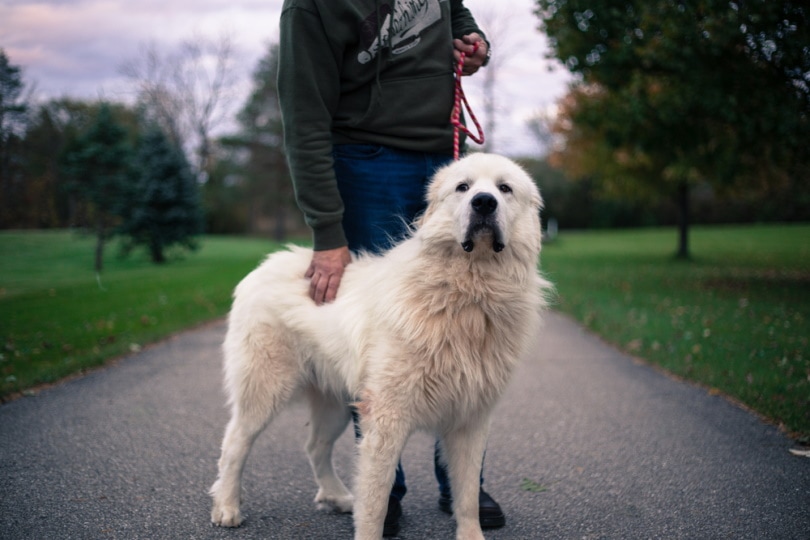
Great Pyrenees are a guardian breed. They were bred to watch flocks and warn of danger. Barking is one of their primary tools for alerting. When you ask do Great Pyrenees bark a lot, think of a watch dog that uses voice first.


- Protective instinct. They bark to warn intruders or strange animals.
- Alerting. A sound or movement triggers a loud response.
- Communication. They tell other dogs or humans about changes.
- Boredom or loneliness. Without work, some dogs bark to pass time.
Experts and long-time owners note that this breed uses sound for safety. My dog would bark at passing coyotes and at mail trucks. That habit is natural, not always a sign of misbehavior.

How Much Do They Bark?
Some Great Pyrenees bark more than average. Many owners hear regular barking at dawn, dusk, or when guests arrive. The level varies by dog, household, and environment. If you ask do Great Pyrenees bark a lot, expect frequent alerting in many homes.
Typical patterns include:
- Short, loud bursts for real or perceived threats.
- Long watches where low-level barking or howling occurs.
- Quiet periods when resting or busy with a job.
If a dog barks constantly for hours, that is outside the usual pattern and needs attention.

Factors That Influence Barking
Several clear factors change how much a Great Pyrenees barks. Understanding them helps you manage noise and stress.
- Genetics and temperament. Some lines are more vocal than others.
- Environment. Rural guardians may bark at wildlife more than city dogs.
- Training and socialization. Well-socialized dogs often bark less at normal stimuli.
- Health and age. Pain, hearing loss, or cognitive decline can increase barking.
- Routine and activity. A bored dog seeks stimulation by barking.
Ask yourself: does the dog have a job, enough exercise, and clear rules? Those answers often explain why a dog says more or less.

Training and Management Strategies
Training reduces unwanted barking and honors the breed’s instincts. Use short, consistent steps and calm leadership. If you wonder do Great Pyrenees bark a lot even after training, the goal is realistic improvement, not complete silence.
Practical steps:


- Teach a clear “quiet” cue with positive rewards.
- Reward calm behavior and ignore attention-seeking barks.
- Provide mental work: puzzle toys, scent games, or supervised jobs.
- Use structured socialization to reduce fear-based alerts.
- Manage triggers by blocking visual access to the street or wildlife.
From my experience, a mix of routine, gentle correction, and purposeful tasks cuts nuisance barking. I once used scent trails and short recall drills to replace long alert sessions with quiet focus.
When Excessive Barking Indicates a Problem
Not all barking is healthy. Know when to act and seek help.
- Persistent barking that lasts hours daily may mean anxiety.
- Nighttime or new-onset barking could signal pain or medical issues.
- Sudden changes in vocalization deserve a vet check and behavior consult.
If basic training and enrichment don’t help, consult a veterinary behaviorist. They can rule out medical causes and guide tailored behavior plans.

Practical Tips to Reduce Unwanted Barking
Use these clear, simple steps to lower noise while respecting the dog’s nature.
- Create a daily routine with walks and mental work.
- Use visual barriers for yard-facing triggers.
- Teach “quiet” with short sessions and treats.
- Rotate toys and introduce scent tasks to reduce boredom.
- Seek professional help for separation anxiety or aggression.
Small, consistent changes often yield big gains. Track progress in a notebook and celebrate quiet wins.

Frequently Asked Questions of do great pyrenees bark a lot
Do Great Pyrenees bark more than other breeds?
Great Pyrenees tend to be more vocal than many companion breeds because they are guardians. Their job-first instincts make them alert and loud when they sense change.
Can training stop a Great Pyrenees from barking?
Training can greatly reduce nuisance barking but usually won’t eliminate all alerting. Consistent routines and rewards help the most.
Is barking a sign of a health problem in Great Pyrenees?
Sometimes. New or sudden increases in barking can point to pain, hearing loss, or cognitive issues, so get a vet check if behavior changes.
Are Great Pyrenees good for apartment living given their barking?
They are not ideal for apartments unless you can provide lots of mental work and block triggers. Many owners prefer rural or suburban settings.
How do I tell alert barking from anxious barking?
Alert barking is short and focused on a trigger. Anxious barking is repetitive, long, and often paired with pacing or restlessness.
Conclusion
Great Pyrenees bark because they were bred to watch and warn. Expect regular vocal alerts, and use training, enrichment, and management to shape healthy behavior. Start with short training sessions, add purposeful tasks, and check health if barking changes suddenly. Take action today: try one new enrichment activity this week, track the difference, and seek expert help if needed. Share your story or questions in the comments to learn from other owners.

Pet Care Writer & Researcher
Daniel writes practical guides on daily care, feeding, and safety, turning complex topics into simple, actionable advice.