Why Use An Elevated Dog Bed: Benefits And Reasons
Learn why use an elevated dog bed for better airflow, comfort, cleanliness, and joint support. Find out if it is right for your dog.
An elevated dog bed keeps your dog cooler, cleaner, drier, and better supported than many floor-level beds.
If you are wondering why use an elevated dog bed, the answer goes beyond comfort. A raised cot can improve airflow, reduce contact with cold or damp floors, support easier cleaning, and give your dog a comfortable place to rest. Still, it is not the perfect choice for every dog or every home. This guide explains the benefits, limits, safety tips, and buying advice you need to make a smart choice.
What Is an Elevated Dog Bed?
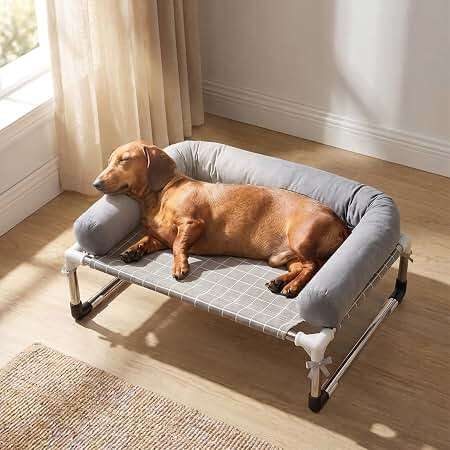
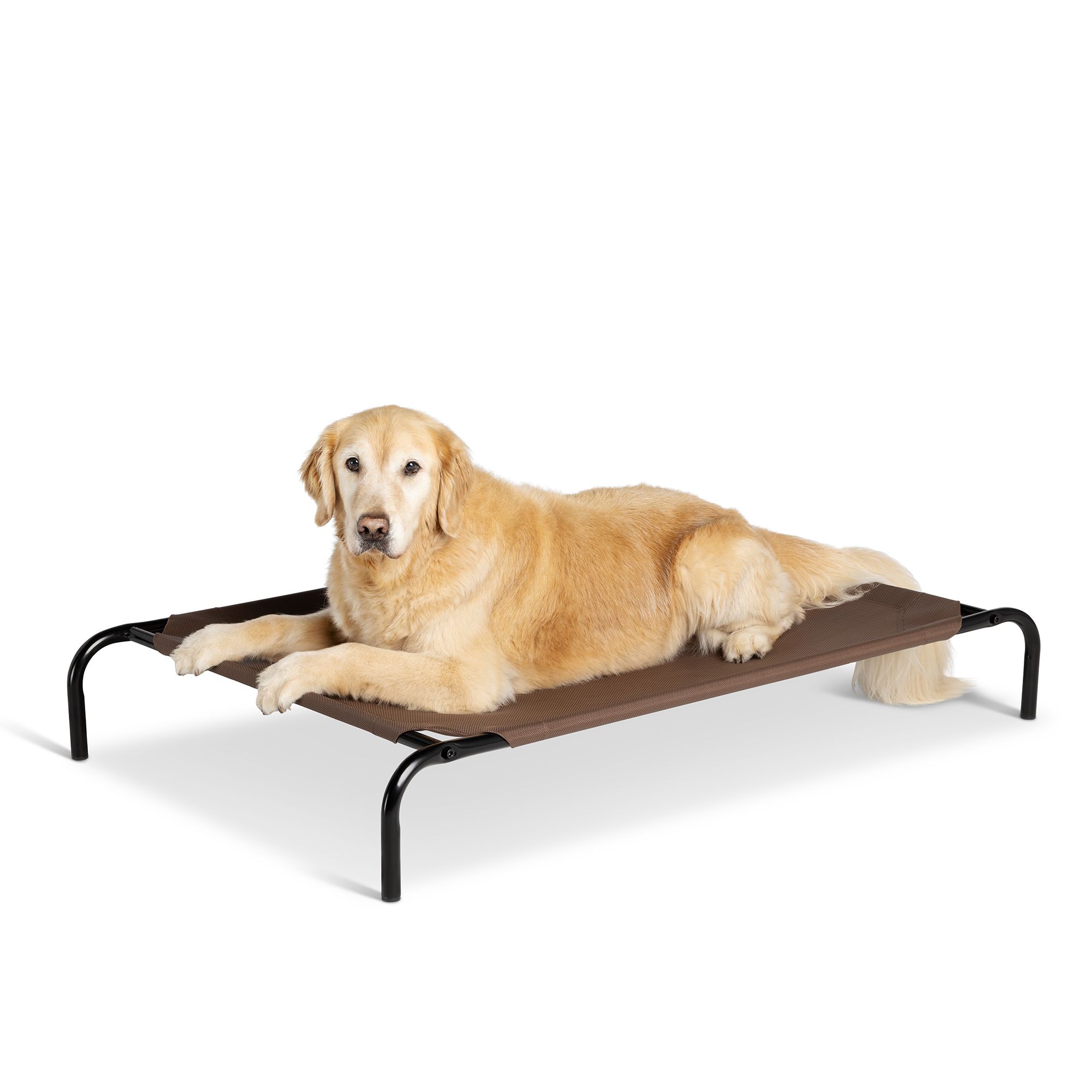
An elevated dog bed is a sleeping surface raised above the floor by a sturdy frame. Most models use a breathable fabric stretched across metal, plastic, or wood supports. Some look like small cots, while others have raised sides, cushions, or removable mats.


The main difference is the open space beneath the bed. That space allows air to move around your dog. It also keeps the sleeping surface away from dust, spills, chilly floors, and some insects.
An elevated dog bed may work indoors, outdoors, or in a crate. The best setting depends on the bed’s materials, size, and design.

Why Use an Elevated Dog Bed?
There are several practical reasons to choose a raised bed. Each benefit relates to your dog’s comfort, health, hygiene, or daily routine.
Better Airflow and Cooling
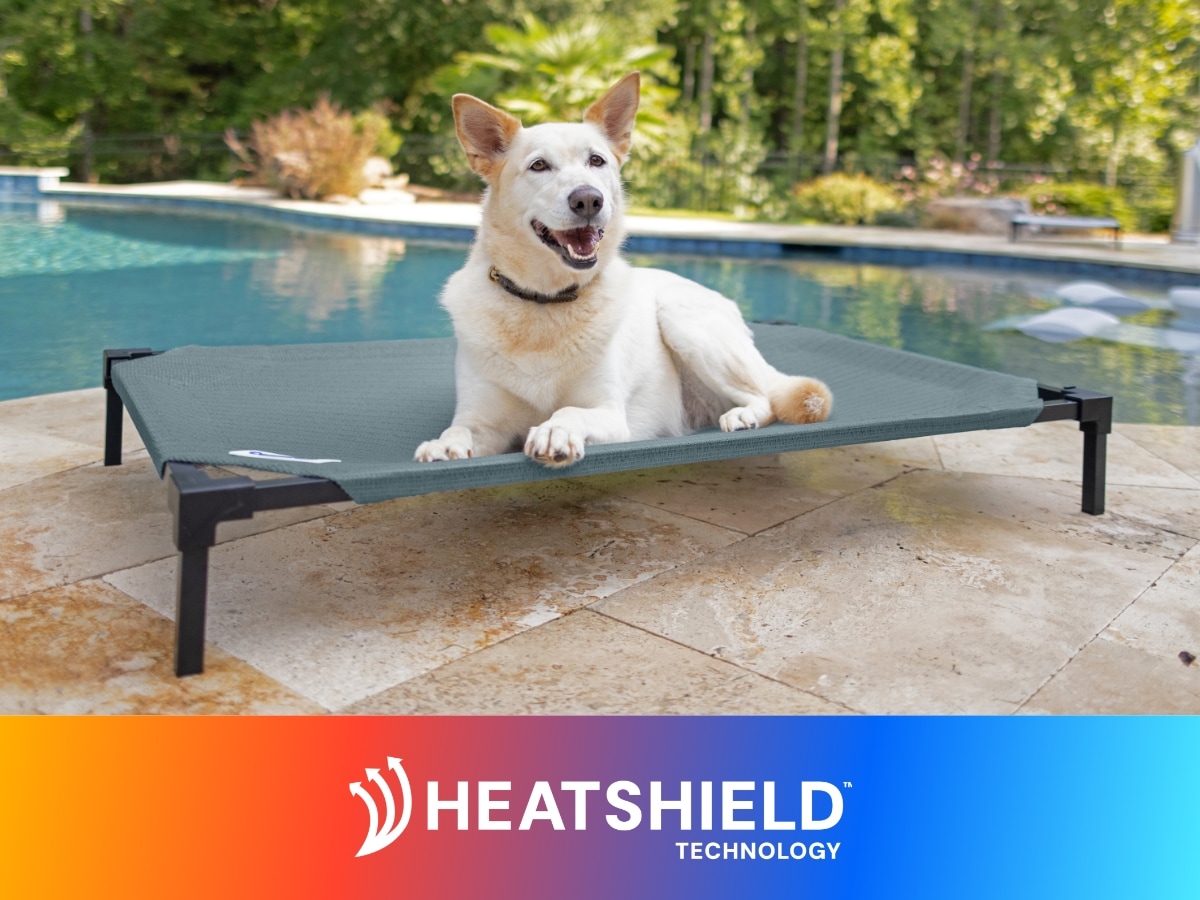
Dogs can get hot quickly, especially in warm climates or homes without strong air conditioning. A bed that sits above the floor allows air to move under and around your dog. This can help release body heat.
The effect is useful for:
• Dogs with thick coats
• Large breeds that retain heat
• Dogs that sleep outdoors in a shaded area
• Homes with warm floors or poor air movement
An elevated dog bed does not replace shade, water, or good ventilation. It simply gives your dog a cooler place to rest.


Less Contact With Cold Floors
Tile, concrete, and hardwood floors can feel cold. This may make rest less pleasant for some dogs, especially older dogs or dogs with thin coats.
A raised bed creates a small layer of separation from the floor. It may help your dog stay more comfortable during cold nights. For extra warmth, you can add a safe blanket or a thin pad made for the bed.
Do not cover the bed so heavily that you block airflow. A balance of warmth and ventilation works best.
Cleaner Sleeping Space
Floor-level beds collect dust, hair, crumbs, and moisture. Dogs also bring dirt in from outside. When the bed rests above the floor, some of that debris stays below the sleeping area instead of building up in the fabric.
Many elevated beds also have removable covers. You can wash the cover and wipe the frame on a regular schedule. This makes daily care easier, especially if your dog sheds a lot.
A clean bed may also help reduce odors and skin irritation. It does not prevent allergies, but it can support a cleaner sleep area.
Protection From Damp Areas
A dog bed on a garage floor, porch, patio, or basement floor can absorb moisture. Even a small amount of dampness can create an unpleasant place to sleep.
A raised design helps keep the bed away from wet surfaces. This is useful after floor cleaning or during humid weather. However, the bed should still stay in a dry, protected area.
Never assume that an elevated dog bed is waterproof. Check the product label, and move it inside during heavy rain or storms.
Support for Resting Dogs
Some elevated beds use a firm, slightly flexible fabric that spreads your dog’s weight across the surface. This can reduce pressure on certain points of the body compared with a thin blanket on a hard floor.
Many dogs like the stable feel of a cot-style bed. It can also help them get up without dragging across a loose cushion. This may be useful for senior dogs, but a raised bed is not a treatment for arthritis or joint disease.
If your dog shows pain, stiffness, limping, or trouble standing, speak with a veterinarian. A medical condition may need more than a new bed.
A Personal Lesson About Bed Height
In my experience testing dog beds, the biggest mistake is choosing height based only on appearance. A tall bed may look neat, but it can be hard for a small, old, or weak dog to climb onto.
The best height is one your dog can use without jumping. Watch your dog get on and off the bed several times. If your dog hesitates, slips, or lands heavily, choose a lower model or add a safe step.


Health Benefits and Important Limits
An elevated dog bed can improve comfort, but its health benefits have clear limits. It should support good care, not replace veterinary advice.
Joint and Mobility Support
A sturdy, level surface may make it easier for some dogs to rise and lie down. The firm support can also prevent a dog from sinking into a soft bed.
Still, not every dog prefers a firm cot. Dogs with arthritis, hip problems, or severe weakness may need a thick orthopedic mattress with more cushioning. Some need both options so they can choose.
Observe your dog’s behavior. Comfort is shown by relaxed muscles, easy movement, and longer periods of peaceful sleep.
Skin and Coat Care
A breathable surface can reduce heat and moisture trapped against the coat. This may help dogs that become warm or damp while sleeping.
However, skin problems have many causes. Fleas, allergies, yeast, bacteria, and food reactions can all cause itching or redness. An elevated dog bed cannot cure these issues.
Wash the bed often and contact your veterinarian if your dog has sores, a strong odor, hair loss, or constant scratching.
Reduced Exposure to Pests
A raised bed may reduce contact with some crawling insects on the floor. It is not a pest barrier, though. Fleas can reach the bed, and mosquitoes can still bite a dog outdoors.
Use year-round parasite prevention recommended by your veterinarian. Keep the yard clean, inspect the bed often, and avoid placing it near standing water.

Which Dogs May Benefit Most?
An elevated dog bed can suit many dogs, but some may gain more from it than others.
• Long-haired dogs that become hot while resting
• Large dogs that need a wide, strong surface
• Dogs that spend time on patios or in shaded outdoor areas
• Dogs that shed heavily and need easy cleaning


• Dogs that dislike damp or cold floors
• Dogs that enjoy firm, stable support
• Puppies that need a washable and durable bed
For puppies, inspect the frame and fabric often. Teething dogs may chew corners, legs, or straps. A damaged bed can collapse or create a choking hazard.
Dogs with severe mobility problems may need a low-entry bed instead. A veterinarian or canine rehabilitation professional can help you choose the safest option.

When an Elevated Dog Bed May Not Be the Best Choice
A raised bed has limits. Knowing them helps prevent discomfort and injury.
Dogs With Severe Mobility Issues
A tall frame can be difficult for a dog with weak legs, poor balance, or painful joints. If your dog struggles to step up, do not force use.
A low orthopedic bed may be safer. You can also look for an elevated model with a very low entry point and a non-slip surface.
Dogs That Need Deep Cushioning
Some dogs prefer to curl into thick, soft bedding. A tightly stretched cot may feel too firm. This is common with thin-coated dogs, senior dogs, and dogs with little body fat.
You can add a compatible cushion, but make sure it fits securely. Loose blankets can slide and cause falls.
Nervous or Unsteady Dogs
Some dogs feel unsure on a raised surface. The movement under their feet may make them nervous. Start with the bed on a flat, non-slip surface and reward calm exploration.
Never lift a nervous dog onto the bed and leave it there. Let your dog choose the bed at its own pace.
Unsafe Outdoor Conditions
An elevated dog bed does not make outdoor housing safe by itself. Dogs still need shade, fresh water, shelter, and protection from extreme heat or cold.
Bring the bed inside during storms, high winds, freezing weather, and intense heat. Outdoor use should always include supervision and good judgment.
How to Choose the Right Elevated Dog Bed
The best bed should match your dog’s size, age, health, habits, and sleep style.
Measure Your Dog
Measure from the nose to the base of the tail. Add several inches so your dog can stretch out. Also measure the dog’s height and weight.
Your dog should be able to:
• Lie on the side without hanging over the edge
• Turn around with ease
• Stand without touching the frame
• Get on and off without a hard jump
Check the manufacturer’s weight limit. Choose a bed with a safety margin rather than one that supports your dog at the exact limit.
Select Strong Materials
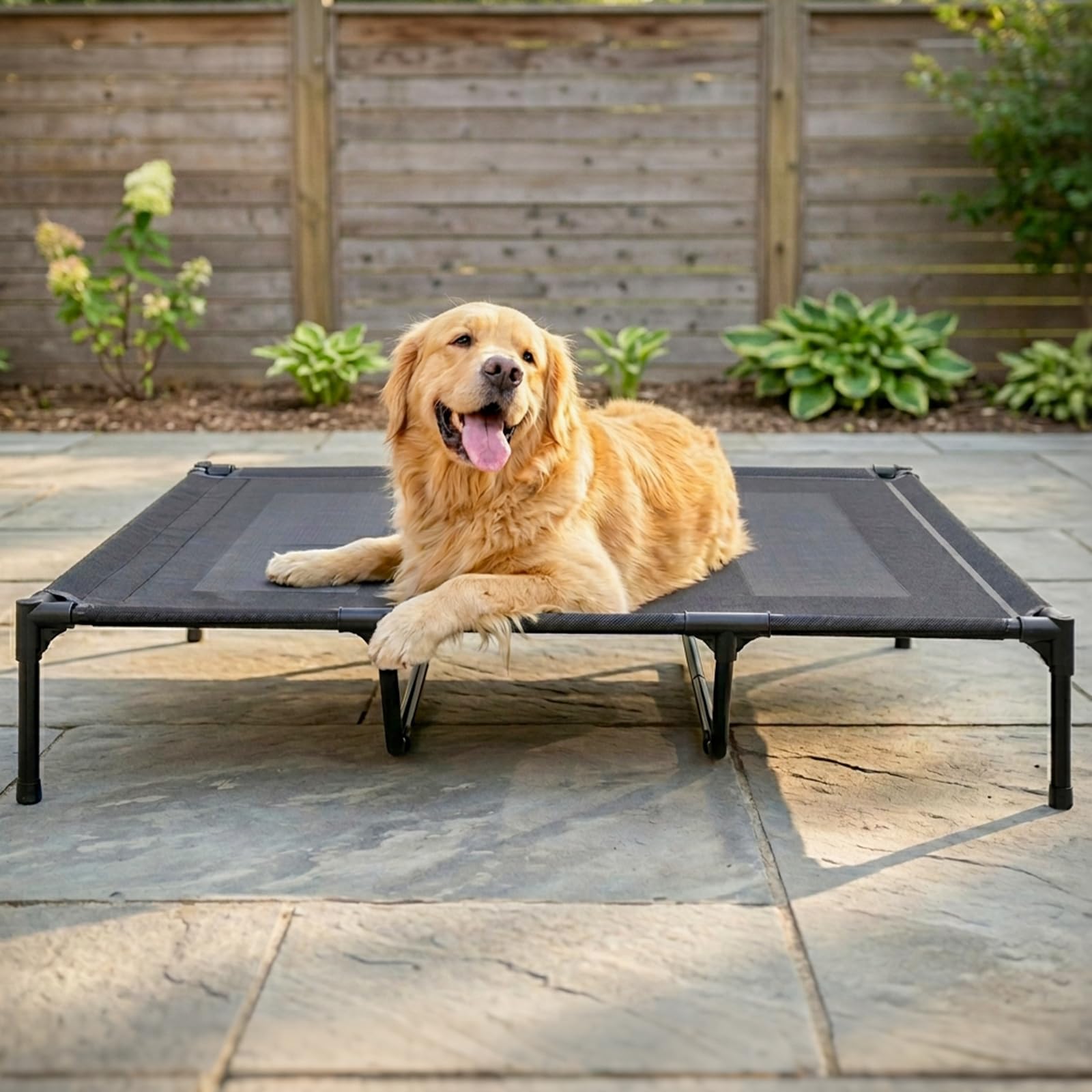
Metal frames often provide strong support for large dogs. Plastic frames resist rust and may weigh less. Wood can look attractive but needs protection from moisture and chewing.
Look for fabric that is:
• Tear resistant
• Breathable
• Easy to remove
• Simple to clean
• Firm without being harsh
A mesh surface should not sag deeply under your dog. Too much sag can make getting up harder and may place stress on the joints.
Look for Safe Feet and Edges
Non-slip feet help keep the bed stable on tile or wood. Rounded corners reduce the risk of cuts and bumps. Secure fasteners help prevent the fabric from pulling away from the frame.
Avoid beds with exposed sharp screws, weak plastic clips, or loose cords. Inspect the bed every week, especially if your dog chews.
Consider a Washable Design
A removable cover saves time. Some covers can go in the washing machine, while others need hand cleaning. Follow the care instructions to avoid shrinking or damaging the fabric.
For muddy dogs, a hose-cleanable cover may be helpful. Let the bed dry fully before your dog uses it again.

How to Introduce Your Dog to an Elevated Bed
Some dogs climb onto a raised bed at once. Others need time. A calm introduction can prevent fear and slipping.
-
Place the bed on a flat, dry, non-slip surface.
-
Let your dog sniff it without pressure.
-
Put a favorite toy or treat near the bed.
-
Reward your dog for touching the bed.
-
Offer another treat when your dog steps onto it.
-
Practice short rests before leaving your dog alone.
Keep the bed away from stairs, sharp furniture, and busy walkways. If the bed moves, add a rubber mat beneath it.
Never use the bed as a punishment. Your dog should see it as a safe place.

Cleaning and Safety Tips
Good care extends the life of an elevated dog bed and protects your dog.
• Remove hair and crumbs several times each week.
• Wash the cover based on the care label.
• Wipe the frame with mild soap and water.
• Dry every part before putting the bed back.
• Check for tears, rust, loose bolts, and bent legs.
• Replace fabric that sags or splits.
• Keep the bed away from standing water.
• Watch for chewing, especially with puppies.
Avoid strong cleaners, bleach residue, and essential oils around pets unless a veterinarian says they are safe. Dogs can lick treated surfaces and swallow harmful chemicals.
For outdoor use, check the bed after heat, rain, and freezing temperatures. Sun and moisture can weaken fabric over time.
Common Mistakes to Avoid
Many problems come from a poor fit rather than a poor product.
Choosing a Bed That Is Too Small
A dog that cannot stretch out may stop using the bed. Measure first, and consider how your dog sleeps. A dog that sprawls needs more space than a dog that curls tightly.
Ignoring the Floor
A raised bed can slide on smooth floors. This may scare your dog or cause injury. Use non-slip feet or place the bed on a rubber mat.
Using It as a Cure
An elevated dog bed can improve rest, but it cannot treat arthritis, infection, allergies, or injury. Seek veterinary care when symptoms continue.
Leaving a Damaged Bed in Use
Small tears can become large breaks. A bent frame can collapse without warning. Repair or replace damaged parts before your dog sleeps on the bed again.
Placing It in Direct Sun
A raised bed may feel cool because of airflow, but direct sunlight can still cause overheating. Choose shade and provide fresh water at all times.
Frequently Asked Questions About Why Use an Elevated Dog Bed
Why use an elevated dog bed instead of a regular bed?
An elevated dog bed improves airflow, keeps your dog away from damp or cold floors, and often makes cleaning easier. It may also provide firm support for dogs that prefer a stable sleep surface.
Are elevated dog beds good for senior dogs?
They can be helpful if the surface is stable and the entry height is low. Senior dogs with arthritis or weak balance may need a cushioned, low-profile bed instead, so watch how easily they get on and off.
Can dogs sleep on an elevated bed every night?
Yes, many dogs can use an elevated bed every night if it fits well and remains stable. Check the fabric, frame, and your dog’s comfort on a regular basis.
Are elevated dog beds safe for puppies?
They can be safe when the frame is strong, the surface is secure, and the bed is low enough to prevent falls. Supervise puppies that chew, because damaged fabric or loose parts can create serious risks.
Do elevated dog beds keep dogs cool?
They can help by allowing air to flow beneath the sleeping surface. They do not prevent heatstroke, so dogs still need shade, water, ventilation, and protection from high temperatures.
Should an elevated dog bed be used outdoors?
Some are designed for outdoor use, but they still need a dry, shaded, protected location. Bring the bed inside during severe weather and inspect it often for moisture, rust, and fabric damage.
Conclusion
An elevated dog bed can give your dog a cooler, cleaner, and more breathable place to rest. It may work especially well for dogs that shed, overheat, sleep outdoors in safe conditions, or dislike damp floors. The right height, strong frame, washable fabric, and stable base matter more than a stylish design.
Choose a bed that matches your dog’s size, age, health, and habits. Introduce it slowly, keep it clean, and replace it when it becomes unsafe. If you are still unsure why use an elevated dog bed for your dog, compare your dog’s comfort needs with the bed’s limits, then ask your veterinarian for personalized advice.

Pet Care Writer & Researcher
Daniel writes practical guides on daily care, feeding, and safety, turning complex topics into simple, actionable advice.