Why Do Dogs Bark At People Walking By: Causes & Fixes
Why do dogs bark at people walking by? Learn the common causes and practical ways to reduce barking and help your dog stay calm.
Dogs bark at people walking by to alert, protect, communicate, or respond to fear, excitement, and past experiences.
If you have wondered, “why do dogs bark at people walking by,” the answer is rarely as simple as aggression. A dog may be guarding the home, asking for space, reacting to movement, or feeling unsure about a stranger. Understanding the reason behind the bark is the first step toward calmer walks, quieter windows, and a safer bond with your dog.
Why Do Dogs Bark at People Walking By?
Dogs bark at people walking by because barking is one of their main ways to communicate. It can mean “I see someone,” “stay away,” “come closer,” or “I am excited.” The same sound may have different meanings, so you must look at the dog’s body language and the situation around the bark.
A dog behind a fence may bark at every passerby because the person enters its perceived territory. A dog on a leash may bark because it feels trapped and cannot move away. Another dog may bark from excitement because it wants to greet the person.


The key question is not only, “Why do dogs bark at people walking by?” It is also, “What does the dog gain from barking?” If the person keeps moving, the dog may believe its bark made the person leave. That can make the habit stronger over time.
Common Reasons Dogs Bark at Passersby
Territorial behavior
Many dogs bark at people walking by to protect what they view as their territory. This may include the home, yard, porch, car, or even a favorite resting spot.
Windows and fences can make this response stronger. The dog sees a person approach, barks, and then watches the person disappear. From the dog’s point of view, the barking may seem successful.
Territorial barking often includes:
• Barking near windows, doors, or fences
• A stiff body and forward posture
• Direct staring at the person
• Raised hackles or a high, tight tail
• Barking that stops once the person passes
Territorial behavior is normal in many dogs, but constant barking can become stressful for the dog and everyone nearby.


Fear and uncertainty
Some dogs bark at people walking by because strangers make them nervous. Barking creates distance, much like a person stepping back from something that feels unsafe.
Fear-based barking may include:
• Leaning away while barking
• Tucking the tail
• Lowering the body
• Pinning the ears back
• Lip licking, yawning, or trembling
• Trying to hide behind the owner
A fearful dog is not always trying to be tough. It may be saying, “Please do not come closer.” Punishing this type of barking can increase fear and may remove the warning without solving the emotion underneath.
Excitement and frustration
Some dogs bark because they want to greet the person. This is common in friendly dogs that become overly excited when they see joggers, children, delivery workers, or other dogs.
Excited barking often comes with:
• A loose, wiggly body
• A fast-moving tail
• Jumping or pulling
• Whining mixed with barking


• Looking back at the owner
• Trying to move toward the person
This is sometimes called frustration-based barking. The dog wants access but cannot reach the person because of a leash, window, gate, or door.
Social communication
Dogs use barking to communicate with both people and other dogs. A dog may bark at a passerby to invite attention, announce a visitor, or respond to another dog’s bark.
Barking can also spread between dogs. One dog starts, another dog joins, and soon the whole street sounds involved. This does not always mean every dog feels the same emotion. Some may simply respond to the noise.
Herding or movement control
Certain breeds have a strong instinct to notice and control movement. Border Collies, Australian Shepherds, Shetland Sheepdogs, and similar working breeds may bark at runners, cyclists, children, or people walking quickly.
The dog may be trying to:
• Stop the movement
• Direct the person
• Gather people together
• Respond to fast or sudden motion
This behavior is not a sign that the dog is “bad.” It reflects instincts bred for work. Still, it needs safe training because chasing and barking can frighten people and create dangerous situations.
Learned behavior
Dogs repeat actions that seem to work. If barking causes a person to walk away, a gate to open, or an owner to provide attention, the dog may bark more often.
This is called reinforcement. It does not require anyone to intentionally reward the dog. Even shouting “stop barking” can act as attention, especially for a dog that enjoys interaction.
Pain, illness, or age-related changes
A sudden change in barking deserves attention. Pain, hearing loss, vision changes, cognitive decline, and some medical problems can alter a dog’s behavior.


Contact a veterinarian if your dog:
• Suddenly starts barking at familiar people
• Barks more at night
• Seems confused or restless
• Shows signs of pain
• Becomes unusually jumpy
• Changes eating, sleeping, or bathroom habits
Behavior changes can have both medical and emotional causes. A veterinary check is a wise first step when the change is new or intense.

How Body Language Explains the Bark
The sound of a bark matters, but body language often gives you the clearer answer. Think of the bark as a sentence and the body as the rest of the conversation.
A relaxed dog may bark with a loose jaw, soft eyes, and a wiggly body. A fearful dog may bark with its weight shifted backward. A highly aroused dog may look stiff, stare hard, and move quickly toward the person.
Look at these signals together:
• Loose body: The dog may be excited or social.
• Stiff body: The dog may feel tense, threatened, or ready to react.
• Wagging tail: A wag does not always mean friendliness. Fast, high, stiff wagging can show high arousal.
• Tucked tail: The dog may feel afraid or unsure.
• Forward ears: The dog is focused on the person or sound.
• Ears pulled back: The dog may feel worried or uncomfortable.
• Lip licking or yawning: The dog may be trying to calm itself.
• Direct staring: The dog may be highly focused or uncomfortable.
• Turning away: The dog may be asking for space.
When asking why do dogs bark at people walking by, also note the distance. A dog that barks only when a person is very close may have a lower comfort level than a dog that watches quietly from across the street.

Why Dogs Bark More at Windows, Doors, and Fences
Barriers can make barking worse because they prevent normal movement and communication. A dog behind a fence cannot easily approach, retreat, or investigate. It may feel trapped and become more frustrated.
Windows create a similar problem. The dog sees people appear and vanish without learning anything useful about them. Each new passerby becomes a sudden event.
There is also a pattern called barrier frustration. The dog may seem calm away from the barrier but bark intensely when separated from people or dogs by glass, a gate, or a leash.
You can reduce this pattern by:
• Blocking access to busy windows
• Using privacy film on lower glass
• Moving furniture away from the window
• Bringing the dog inside during busy times
• Adding a second fence line or visual screen
• Avoiding unsupervised yard time
Management is not a failure. It prevents the dog from practicing the behavior while training changes the emotional response.

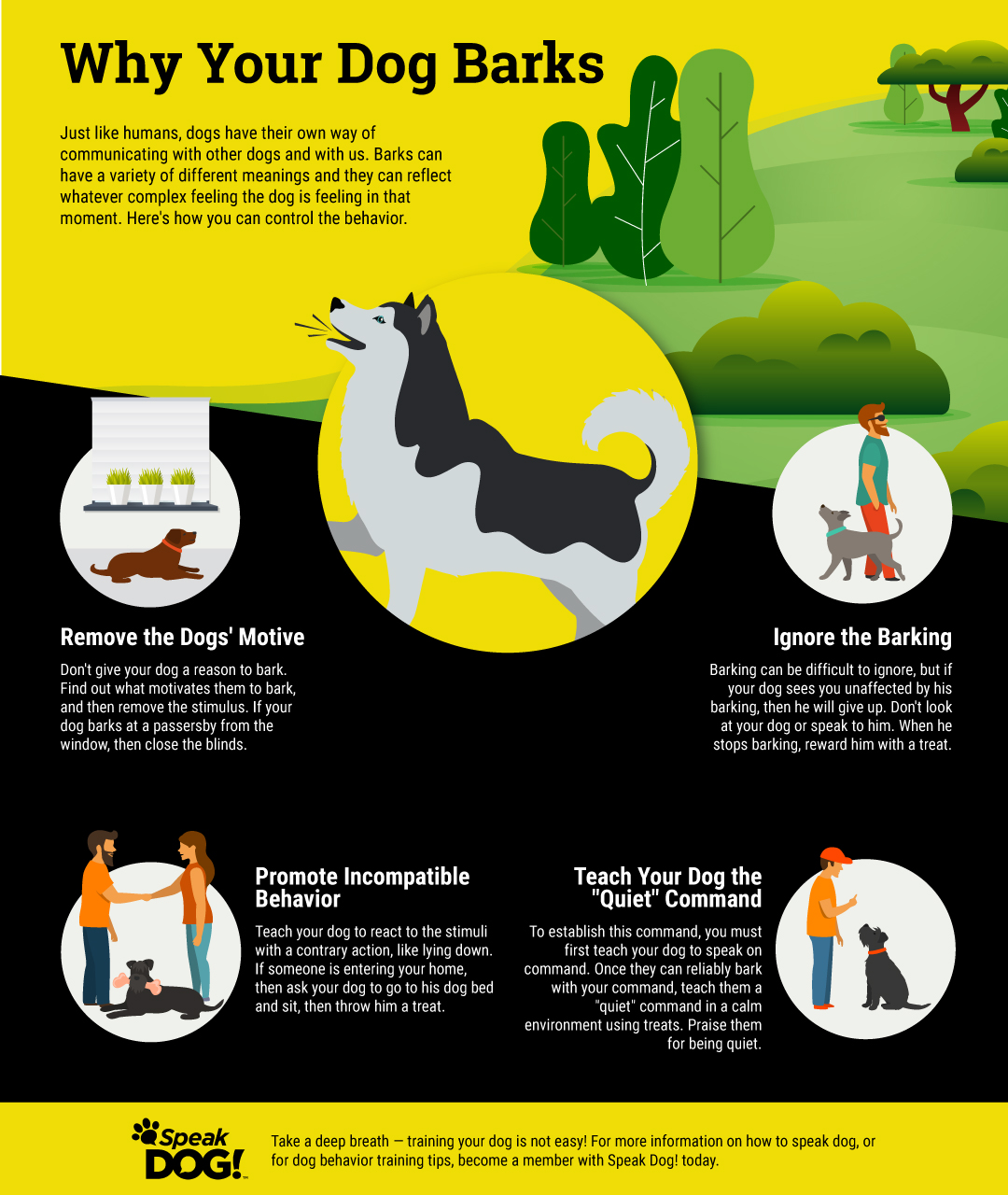
How to Stop a Dog From Barking at People Walking By
The best plan combines management, training, and patience. Trying to stop the sound without changing the dog’s feelings often produces limited results.
Step 1: Find the trigger and distance
Write down when the barking happens. Note the person’s speed, distance, clothing, time of day, and location.
Ask:
• Does the dog bark through the window?
• Does barking happen only on a leash?
• Does the dog react to adults, children, runners, or everyone?
• Does the dog bark more in the morning or evening?
• Can the dog eat treats while the person is nearby?
Distance is important. If your dog cannot eat, look at you, or respond to its name, the person is probably too close for effective training.
Step 2: Prevent repeated rehearsals
Every barking episode can strengthen the habit. Reduce exposure while you build new skills.
Useful changes include:
• Close curtains during busy hours.
• Use a white-noise machine near street-facing windows.
• Walk during quieter times.
• Choose routes with more space.
• Keep your dog away from the front door during deliveries.
• Supervise yard time.
• Use a secure harness and leash outdoors.
These steps do not teach the final behavior by themselves. They simply create room for learning.
Step 3: Pair people with good things
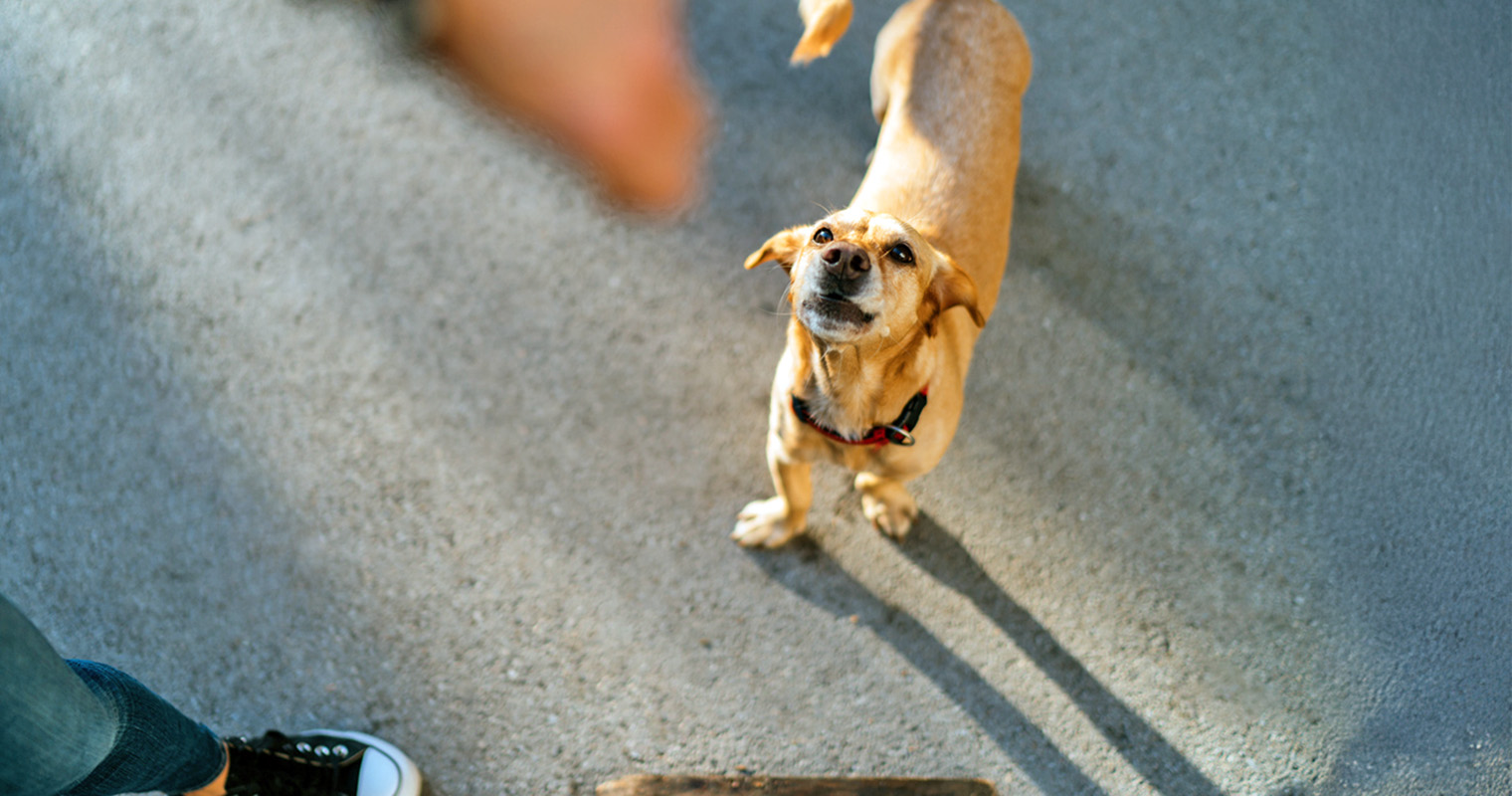
When your dog notices a person before barking, calmly give a high-value treat. Chicken, cheese, or another safe favorite may work better than ordinary kibble.
The pattern is simple:
-
Your dog sees a person.
-
You say a calm marker word such as “yes.”
-
You give a treat.
-
The person continues walking.
-
You stop treats when the person is gone.
This teaches the dog that people passing by predict something pleasant. Over time, the dog may look at you instead of barking.
Step 4: Teach an alternative behavior
Dogs need a clear replacement for barking. “Look at me,” “place,” “touch,” and “find it” are useful behaviors.
Practice these skills indoors first. Then move to a quiet outdoor area. Slowly work near mild distractions before trying busy sidewalks.
A simple “find it” game can help. Say “find it,” then scatter a few treats on the ground. Sniffing lowers visual focus and gives the dog a safe task.
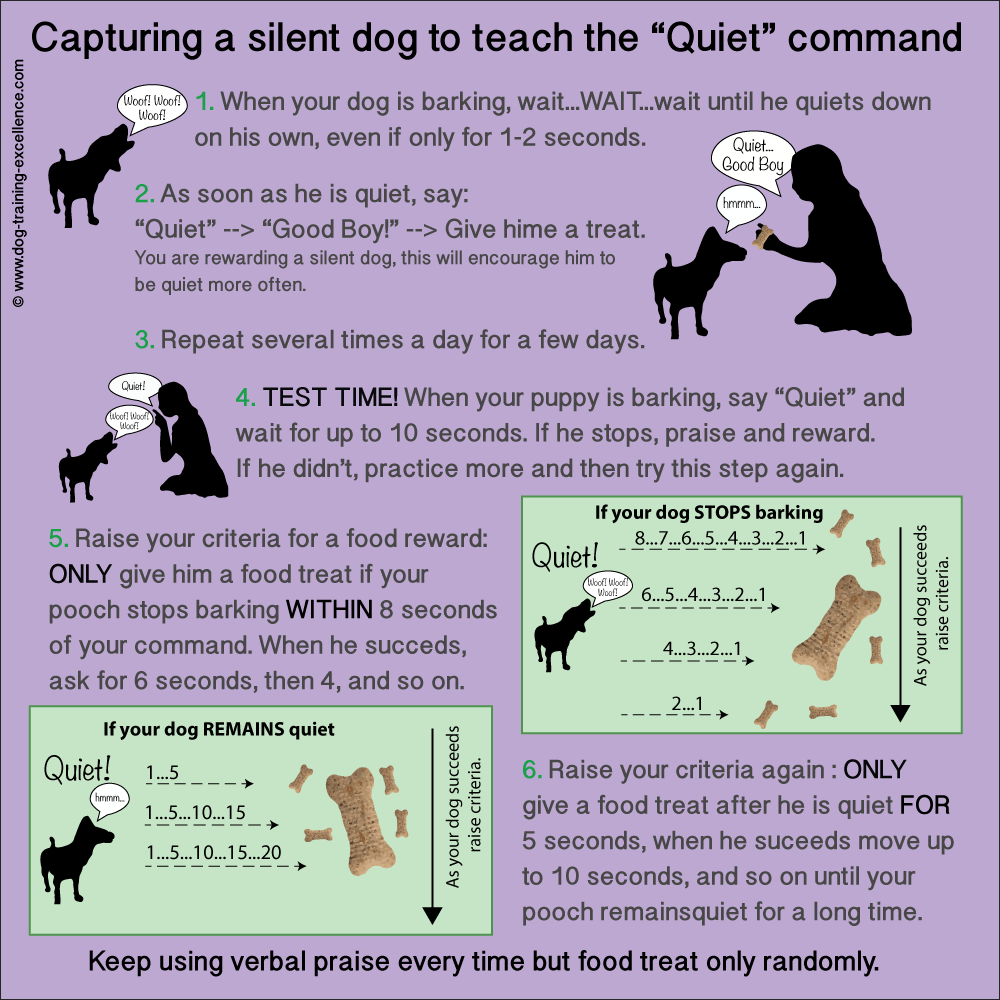
Step 5: Reward quiet moments
Do not wait for perfect silence. Reward small improvements.
If your dog notices a person and stays quiet for one second, mark and reward that moment. Later, aim for three seconds, then five. Small steps often produce better results than demanding too much too soon.
Step 6: Keep your response calm
Dogs notice changes in your voice, leash pressure, and body posture. Yelling can increase excitement or fear.
Use a calm voice and steady movements. If the dog is already barking intensely, create distance instead of forcing it to remain near the trigger.
Training Mistakes to Avoid
Several common responses can make barking worse.
Do not punish fear-based barking
Shock collars, harsh leash corrections, and yelling may suppress sound for a short time. They do not reliably remove fear. In some dogs, punishment can make people seem even more dangerous.
The American Veterinary Society of Animal Behavior supports reward-based training and warns against methods that cause fear, pain, or intimidation. A certified behavior professional can help when reactions are strong.
Do not force greetings
A dog does not need to greet every person. Forcing contact can remove the dog’s ability to retreat and may increase defensive behavior.
Let the dog choose whether to approach. Ask strangers to ignore the dog, avoid reaching over its head, and allow plenty of space.
Do not reward frantic behavior
If your dog barks and pulls toward every passerby, allowing greetings may teach the dog that frantic behavior earns access. Wait for a calmer moment, then reward with attention or a greeting when it is safe.
Do not expect instant results
Barking is often a practiced habit. Progress may take weeks or months, especially if the dog has a long history of fear or frustration.
Track small wins. A shorter bark, faster recovery, or greater distance from a person all count as progress.
When to Get Professional Help
Professional support is wise when the dog lunges, snaps, bites, or cannot calm down after a person passes. It is also useful when the barking affects sleep, neighbors, walks, or daily life.
Choose a qualified professional carefully. Look for a veterinary behaviorist, certified applied animal behaviorist, or reward-based trainer with experience in reactivity.
Avoid anyone who promises a quick fix or relies mainly on fear and punishment. Ask what methods they use, how they measure progress, and what they do if the dog becomes more stressed.
A veterinarian can also check for medical causes. A behavior plan works best when pain, illness, fear, and learning history are all considered.

A Practical Daily Plan
Consistency matters more than long training sessions. Try this short plan for one to two weeks.
-
Block the dog’s view of busy windows.
-
Record the times and places where barking occurs.
-
Practice “look at me” indoors for three minutes.
-
Take walks during quieter periods.
-
Carry small, high-value treats.
-
Reward your dog when it notices a person and stays calm.
-
Move away before barking becomes intense.
-
End each practice session with an easy success.
A calm response may begin with only one quiet second. That is enough to build on. Training is less like flipping a switch and more like turning down a dimmer.
Understanding the Limits of Barking Training
Training can reduce barking, but it may not eliminate it completely. Dogs are individuals, and some breeds are naturally more vocal than others.
The goal should be a safer, calmer response, not a silent dog at all times. A small amount of alert barking can be normal. The concern is barking that is constant, distressing, aggressive, or difficult to interrupt.
Results also depend on the dog’s age, health, history, environment, and the consistency of everyone in the home. A plan that works in a quiet neighborhood may need changes in a busy city.
Be patient with setbacks. Stress, poor sleep, pain, and unusual events can make barking worse for a day or two.

Frequently Asked Questions About Why Do Dogs Bark at People Walking By
Why do dogs bark at people walking by the house?
Dogs may bark because they see passersby as intruders, exciting events, or possible threats. Windows, fences, and doors can increase frustration because the dog cannot freely investigate or move away.
Is barking at strangers a sign of aggression?
Not always. Barking may come from fear, excitement, frustration, territorial behavior, or a desire to greet someone. Look at the dog’s body language, distance, and ability to calm down before judging the cause.
How can I stop my dog from barking at people outside?
Block the dog’s view, prevent repeated practice, and reward calm behavior when people pass. Work at a distance where your dog can still eat treats and respond to you.
Should I yell at my dog for barking?
Yelling often increases excitement or fear and may not teach the dog what to do instead. Use calm guidance, create distance, and reward a quiet alternative behavior.
Why does my dog bark at some people but not others?
Dogs may react to differences in movement, clothing, voice, posture, scent, or past experiences. A person who runs, wears a hat, or approaches directly may seem more threatening or exciting.
Why does my dog bark at people on walks?
Leashes limit a dog’s ability to approach or retreat, which can create frustration or fear. Increase distance, reward calm observation, and avoid forcing greetings.
Can socialization stop a dog from barking at strangers?
Good socialization can help dogs feel safer around different people, places, and sounds. It should be gradual and positive, not forced or overwhelming.
[CodeImg not included because this is the FAQ section.]
Conclusion
Dogs bark at people walking by for many reasons, including territorial instincts, fear, excitement, frustration, social communication, and learned habits. The sound alone does not tell the full story. Your dog’s body language, distance from the person, surroundings, and recent history provide the best clues.
Start by managing the environment, then reward calm behavior before barking begins. Avoid punishment and forced greetings, and seek professional help if your dog lunges, bites, or cannot recover after a trigger passes.
With steady practice, your dog can learn that people walking by are not an emergency. Try one small training change today, track your progress, and explore trusted reward-based resources for continued support.

Pet Care Writer & Researcher
Daniel writes practical guides on daily care, feeding, and safety, turning complex topics into simple, actionable advice.