What Are The Toughest Dog Beds: Durable Chew-Proof Options
Find out what are the toughest dog beds for chewers, large breeds, and active pups. Compare durable materials and choose a bed built to last.
The toughest dog beds use chew-resistant fabric, reinforced seams, waterproof layers, and firm support for active dogs.
If you are wondering what are the toughest dog beds, the best choices are built for chewing, digging, scratching, accidents, and daily wear. After comparing durable fabrics, bed designs, fillings, and cleaning needs, this guide explains what truly makes a dog bed last. You will also learn how to match a bed to your dog’s habits, size, age, and sleeping style.
What Are the Toughest Dog Beds?
The toughest dog beds are made with strong materials that resist chewing, tearing, digging, moisture, and repeated washing. They often use ballistic nylon, ripstop fabric, tightly woven canvas, coated polyester, or heavy-duty vinyl. Strong stitching and hidden zippers add another layer of defense.
A durable dog bed is not always the thickest or most expensive bed. A thick bed can still fail if the cover splits or the seams pull apart. In my experience reviewing pet products, the best long-term beds balance tough outer fabric with comfort, support, and easy care.
The answer to what are the toughest dog beds depends on your dog’s habits. A bed for a gentle senior dog needs orthopedic support, while a bed for a young chewer needs a nearly indestructible cover and simple construction.
The strongest designs usually include:
- Reinforced seams that resist pulling
- Covers made from ballistic nylon, canvas, or ripstop fabric
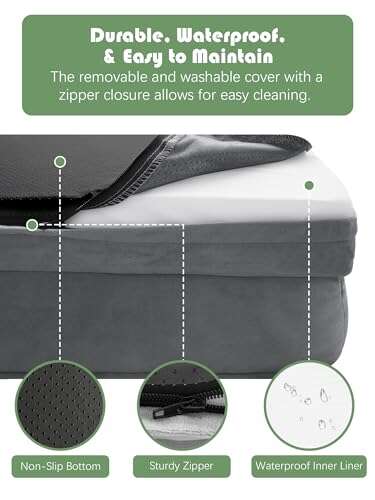
- Waterproof or water-resistant liners
- Hidden or protected zippers
- Dense foam or solid sleeping platforms
- Replaceable covers or parts
- Minimal loose edges that invite chewing
Materials That Make a Dog Bed Durable
Material choice often decides whether a dog bed lasts for years or fails in a few weeks. The outer cover must handle claws, teeth, dirt, and repeated cleaning. The inner cushion must also keep its shape under your dog’s weight.
Ballistic nylon
Ballistic nylon is one of the toughest dog bed materials. It has a dense weave and resists abrasion well. It is a strong choice for dogs that scratch before lying down or move around during sleep.
However, no fabric is truly chew-proof. A determined dog can damage almost any cover if the bed has exposed seams or loose corners.
Ripstop fabric
Ripstop fabric uses thicker threads in a grid pattern. If a small tear starts, the weave can help stop it from spreading. This makes ripstop a practical option for active dogs, travel beds, and outdoor use.
Canvas
Heavy canvas feels sturdy and handles daily use well. It is often more comfortable than slick-coated fabric, but it may absorb moisture unless it has a water-resistant treatment or a waterproof liner.
Coated polyester and vinyl
Coated polyester and vinyl repel water and wipe clean with ease. These materials work well for muddy paws, drool, spills, and house-training accidents. They can feel less soft, so look for a removable padded insert.
Foam and fill
Memory foam can support pressure points and may help older dogs rest more comfortably. Polyfill is softer and lighter, but it can flatten faster. Solid foam tends to last longer than loose stuffing, especially when the cover can be removed for washing.

Toughest Dog Bed Styles
Different bed designs solve different durability problems. When people ask what are the toughest dog beds, they often expect one universal answer. In reality, the right style depends on how your dog uses the bed.
Elevated cot beds
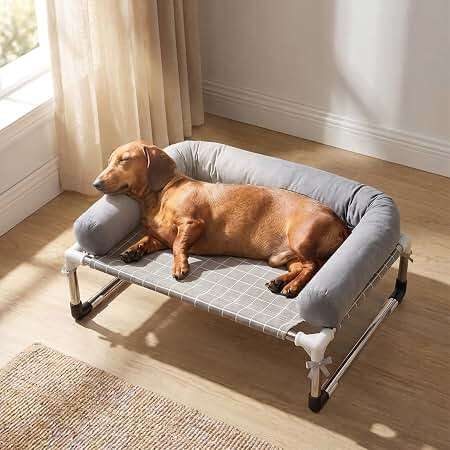
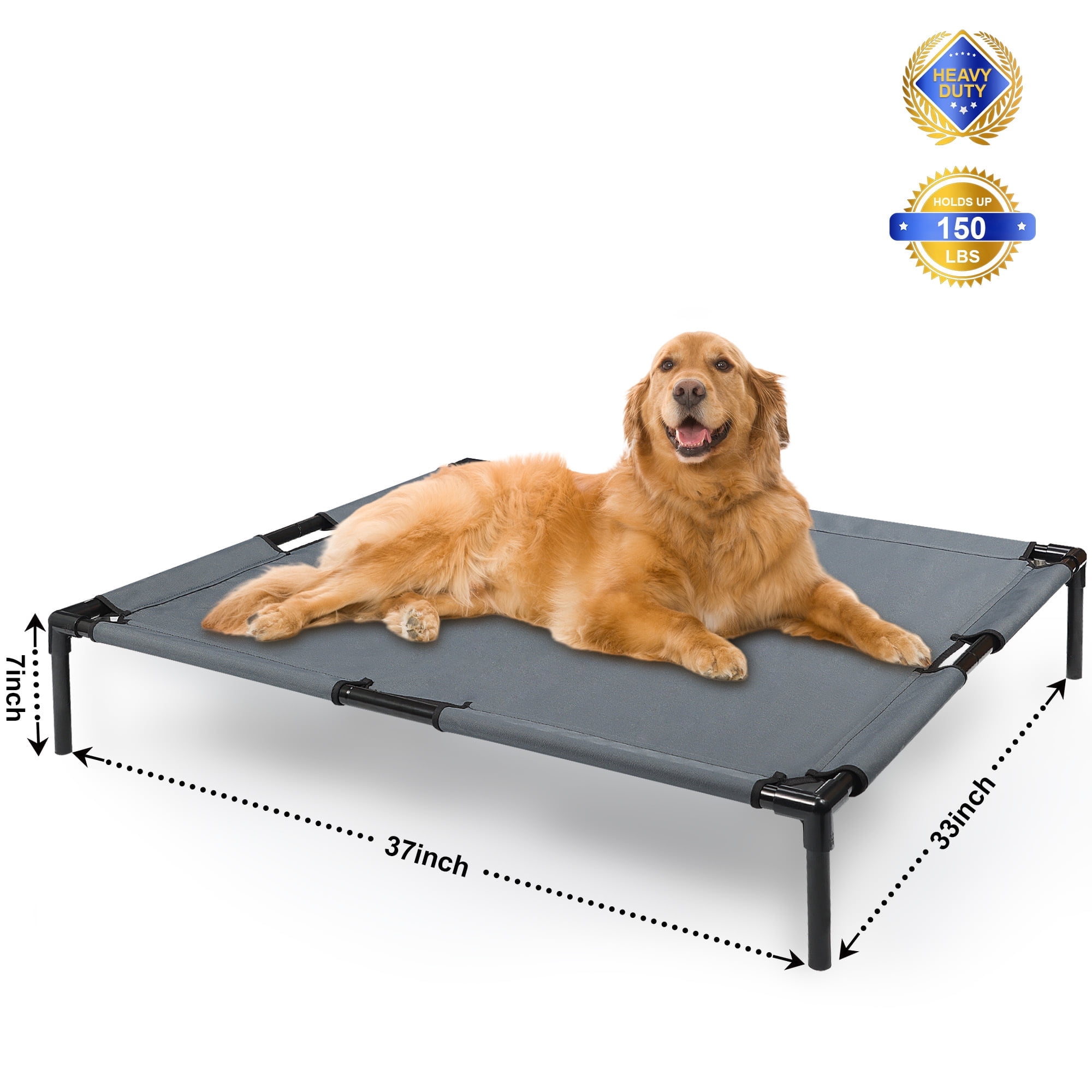
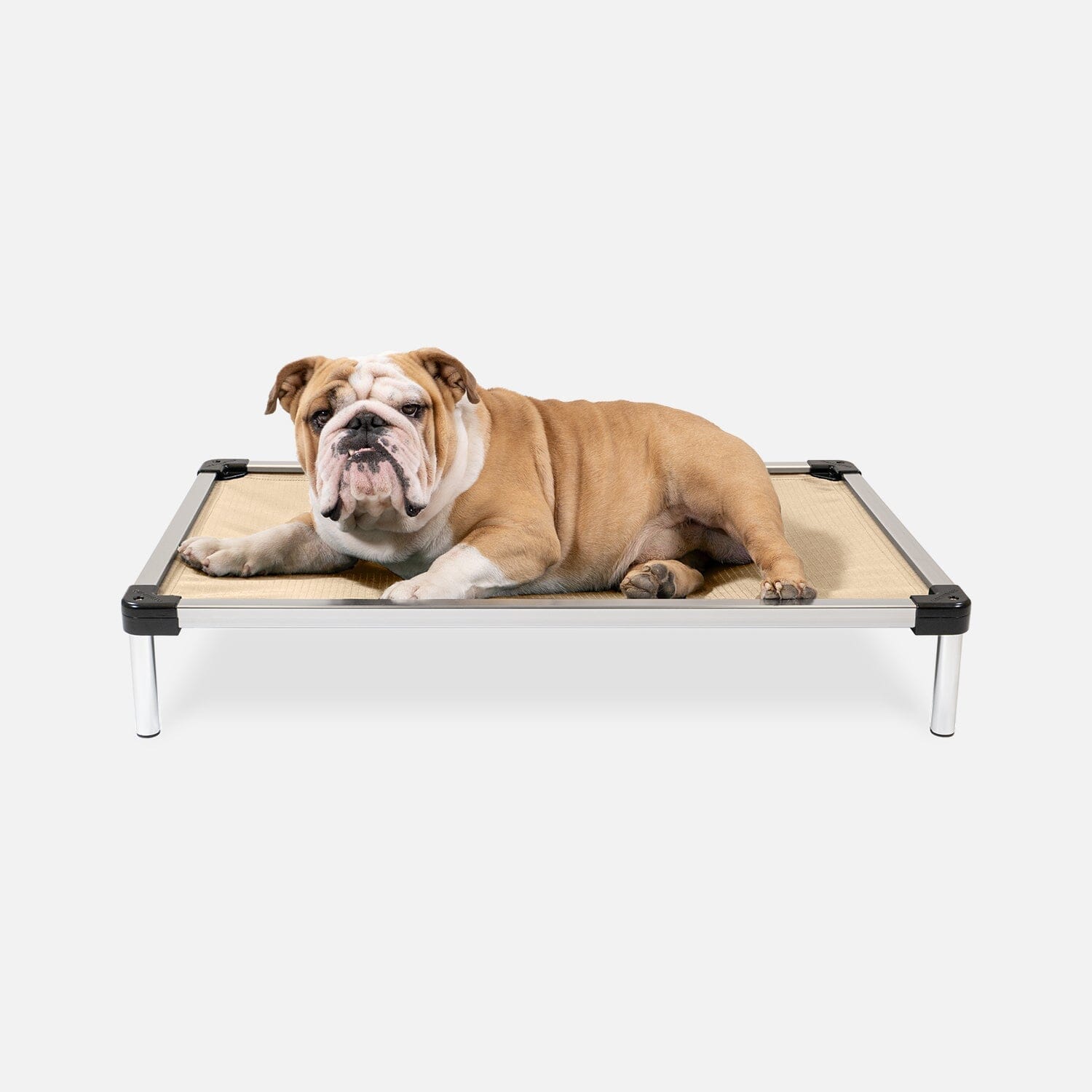
Elevated cot beds use a strong fabric panel stretched across a metal or hard plastic frame. They allow air to move underneath and keep dogs off cold, damp, or dirty floors.
These beds are hard to dig into because they have no loose cushion. They are also easy to wipe down. Look for powder-coated metal, rounded corners, and a tightly stretched sleeping surface.
Chew-resistant mattress beds
These beds use a thick, durable cover over foam. They offer more comfort than a cot and often work well for large dogs or dogs that like to stretch out.
Choose a simple rectangular shape with few seams. A complicated bed with multiple pillows and exposed piping gives a determined chewer more areas to attack.
Waterproof orthopedic beds
Waterproof orthopedic beds combine support with protection from moisture. They can be useful for puppies, incontinent dogs, senior dogs, and dogs that return from wet walks.
Look for a waterproof inner liner beneath the washable outer cover. A water-resistant outer fabric alone may not stop urine or spilled water from reaching the foam.
Outdoor and travel beds
Outdoor beds are often built with water-resistant fabric, quick-drying fill, and strong handles. They work well for camping, patios, kennels, and road trips.
A travel bed should fold or roll without losing its shape. It should also dry quickly, since damp fill can develop odors and encourage mold growth.
Crate mats
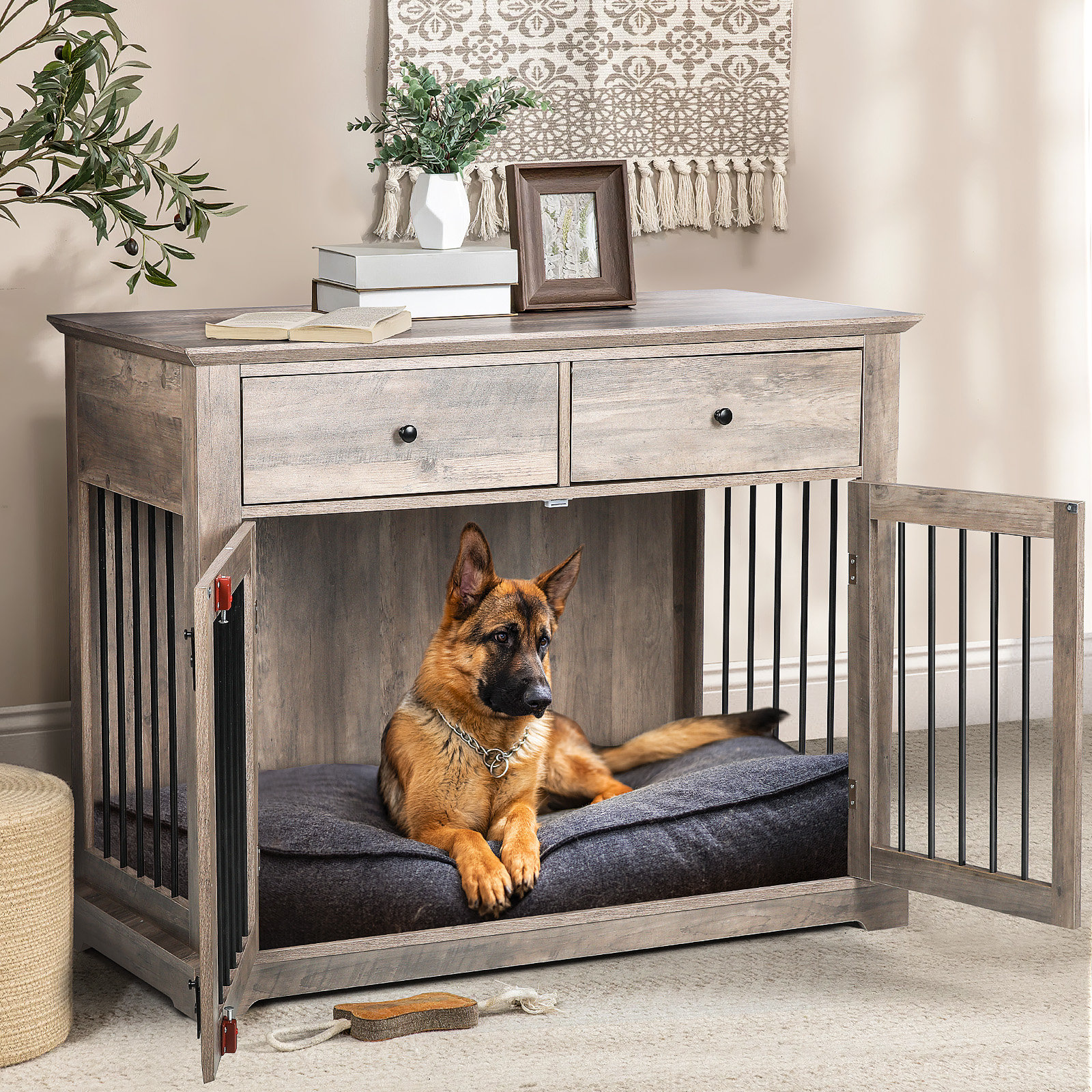
Crate mats are usually thinner and simpler than standard beds. Their low profile reduces chewing opportunities and leaves enough room inside the crate.
A tough crate mat should fit snugly. If it bunches or leaves loose corners, your dog may pull it apart.
How to Choose the Toughest Dog Bed for Your Dog
The toughest dog bed is the one that matches your dog’s behavior. Start by watching how your dog treats blankets, toys, and current bedding. This often tells you more than a product label.
Use these steps:
- Identify the main problem. Decide whether you need protection from chewing, digging, accidents, odor, or outdoor dirt.
- Measure your dog. Measure from nose to tail, then add several inches so your dog can stretch out.
- Check the weight limit. Large dogs need a frame and foam base that will not sag.
- Inspect the seams. Look for double stitching, bound edges, and no exposed filler.
- Check the zipper. A hidden zipper is safer than a large, exposed zipper pull.
- Confirm the cleaning method. A removable, machine-washable cover saves time and money.
- Consider replacement parts. Replaceable covers can extend the bed’s useful life.
- Match the firmness to your dog. Older dogs may need supportive foam, while healthy young dogs may prefer a cooler cot.
- Test the fit. The bed should fit inside the crate, kennel, or travel space without folding at the edges.
- Read the warranty carefully. A warranty may cover fabric defects but exclude damage from chewing.
When deciding what are the toughest dog beds for a powerful chewer, avoid beds with loose bolsters, fringe, thin mesh, and soft exposed foam. These features may look comfortable but can become targets.
Are “Indestructible” Dog Beds Really Chew-Proof?
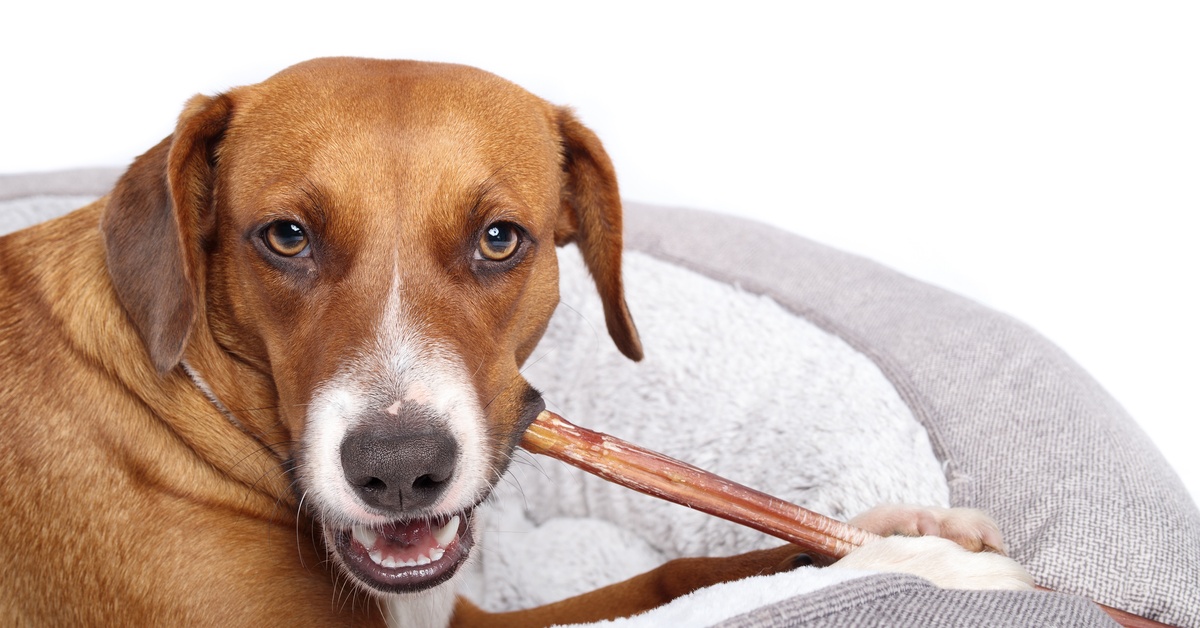
No dog bed is completely indestructible. The words “indestructible” and “chew-proof” are marketing terms, not guarantees. A strong bed can slow damage, but it cannot stop every dog from destroying it.
Dogs chew for many reasons. Puppies may chew while teething. Bored dogs may chew to release energy. Anxious dogs may focus on bedding when left alone. Some dogs also chew fabric because they enjoy the texture.
A tough bed should support training, not replace it. Remove the bed if your dog begins pulling off pieces. Swallowed fabric, foam, or thread can cause choking or an intestinal blockage. Contact a veterinarian quickly if your dog may have swallowed part of a bed and shows vomiting, pain, weakness, or loss of appetite.
The safest approach combines a durable dog bed with:
- Daily exercise suited to your dog’s age and health
- Supervised access to new bedding
- Safe chew toys
- Short training sessions
- A calm rest area
- Help from a veterinarian or qualified behavior professional when anxiety is involved
This is an important lesson when comparing what are the toughest dog beds: durability reduces risk, but supervision remains essential.

Features to Avoid in a Durable Dog Bed
Some features make a bed look plush but reduce its useful life. They can also create safety concerns for dogs that chew.
Avoid or carefully inspect:
- Loose threads that can wrap around toes
- Thin mesh that tears under claws
- Exposed foam edges
- Long zipper pulls
- Decorative buttons and tassels
- Deep gaps between cushions
- Weak hook-and-loop closures
- Beds that cannot be washed
- Covers that shrink after cleaning
- Fill that clumps after one wash
A bed with a removable cover is usually easier to maintain. Wash it according to the care label, and inspect the foam or insert before putting it back. If the inner material smells sour, stays damp, or has mold, replace it.
In my product testing experience, many owners focus on the fabric but overlook the zipper and seams. Those small parts often fail first. Run your fingers along the edge before buying and look for clean, tight stitching.

Tough Dog Beds for Chewers, Digging Dogs, and Senior Dogs
A dog’s habits should guide your purchase. The toughest dog bed for one dog may be uncomfortable or unsuitable for another.
For aggressive chewers
Choose a simple cot or a mattress with a heavy cover and hidden zipper. Use the bed only when you can monitor your dog at first. If chewing continues, work on behavior and offer a safe chew item nearby.
For digging dogs
Choose a tightly woven surface without loose padding. Elevated cots are often useful because they give dogs less fabric to bunch and scratch. Keep nails trimmed to reduce accidental snags.
For puppies
Puppies need a washable, low-risk bed that fits their crate. Avoid thick beds with exposed foam until your puppy has learned not to chew bedding.
For senior dogs
Older dogs often benefit from supportive foam, a low step-in height, and a non-slip base. The bed should be firm enough to support the body but soft enough to cushion joints.
For large or heavy dogs
Look for dense foam, strong support layers, and a high weight rating. A bed that sinks too far can become hard to leave and may lose shape quickly.
For dogs with accidents
Select a waterproof liner and a washable cover. Keep a spare cover ready so your dog always has a clean, dry place to rest.
When asking what are the toughest dog beds for a specific dog, behavior and body needs matter more than a product’s slogan.
How to Make a Tough Dog Bed Last Longer
Even the best dog bed lasts longer with basic care. Remove hair often, wash the cover as directed, and dry every part fully before use.
Rotate the bed if your dog always sleeps in one spot. Check the seams, zipper, frame, and underside each month. Early repairs can prevent a small tear from becoming a large opening.
Place the bed away from sharp crate edges, rough concrete, and direct heat. Sunlight can fade and weaken some fabrics over time. Outdoor beds should be stored indoors when not in use, especially during rain or freezing weather.
Do not use harsh cleaners unless the manufacturer allows them. Strong chemicals may weaken fabric, irritate your dog’s skin, or leave a scent that makes your dog avoid the bed.

What Does a Tough Dog Bed Cost?
Prices vary by size, materials, design, and warranty. A basic durable mat may cost less than a framed cot or orthopedic mattress. The cheapest option is not always the best value if you replace it every few months.
Think about total cost over time. A bed with a replaceable cover may cost more at first but save money later. A washable design can also reduce odor and cleaning costs.
Before buying, compare:
- The price of replacement covers
- Warranty length and exclusions
- Cleaning instructions
- Weight rating
- Material quality
- Shipping and return costs
- Availability of spare parts
A reasonable budget should reflect your dog’s size and habits. A gentle small dog may do well with a mid-priced washable mat. A large, active chewer may need a more specialized bed.