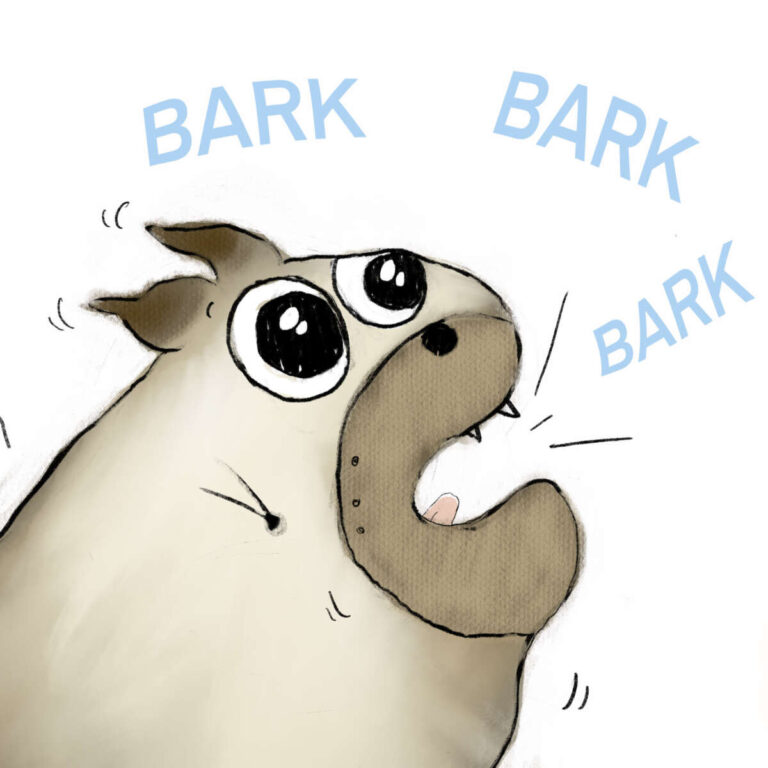
When Dogs Bark Are They Talking: What It Means
When dogs bark are they talking? Learn what different barks mean, how dogs communicate, and how to respond to your pet’s vocal cues.
Yes, dogs use barks to share feelings, needs, warnings, and messages with people and other dogs.
When dogs bark are they talking, or are they simply making noise? The answer is more interesting than a simple yes or no. Dogs do not use words and grammar like humans, but their barks carry clues about emotion, intent, and context. By listening to pitch, rhythm, volume, and body language, you can better understand what your dog may be trying to say.

When Dogs Bark Are They Talking?
When dogs bark are they talking in their own way? In many cases, yes. Barking is one part of canine communication, along with body posture, facial expression, scent, whining, growling, and movement.
A bark does not have one fixed meaning. The same dog may bark to greet you, warn you, ask for food, show fear, or release excitement. The meaning depends on what happens before and after the bark.
Think of a bark as a sentence without words. Its sound matters, but the setting matters just as much. A sharp bark at the window differs from a soft bark while your dog holds a toy.
Dogs also learn that barking can change human behavior. If barking makes someone open the door, give food, or toss a ball, the dog may repeat it. This does not mean the dog is being “bad.” It means the behavior worked.
What does barking communicate?
Barking may communicate:
• A warning about a person, animal, or sound
• Excitement during play or greeting
• Fear or stress
• A request for food, attention, or access
• Frustration caused by a barrier or closed door
• Boredom or a need for activity
• Pain or physical discomfort
• Confusion caused by a new situation
Research on dog behavior shows that people can often identify broad emotional states from a bark. However, even experienced listeners can misunderstand the exact message without seeing the dog’s full body language.
Why Do Dogs Bark?
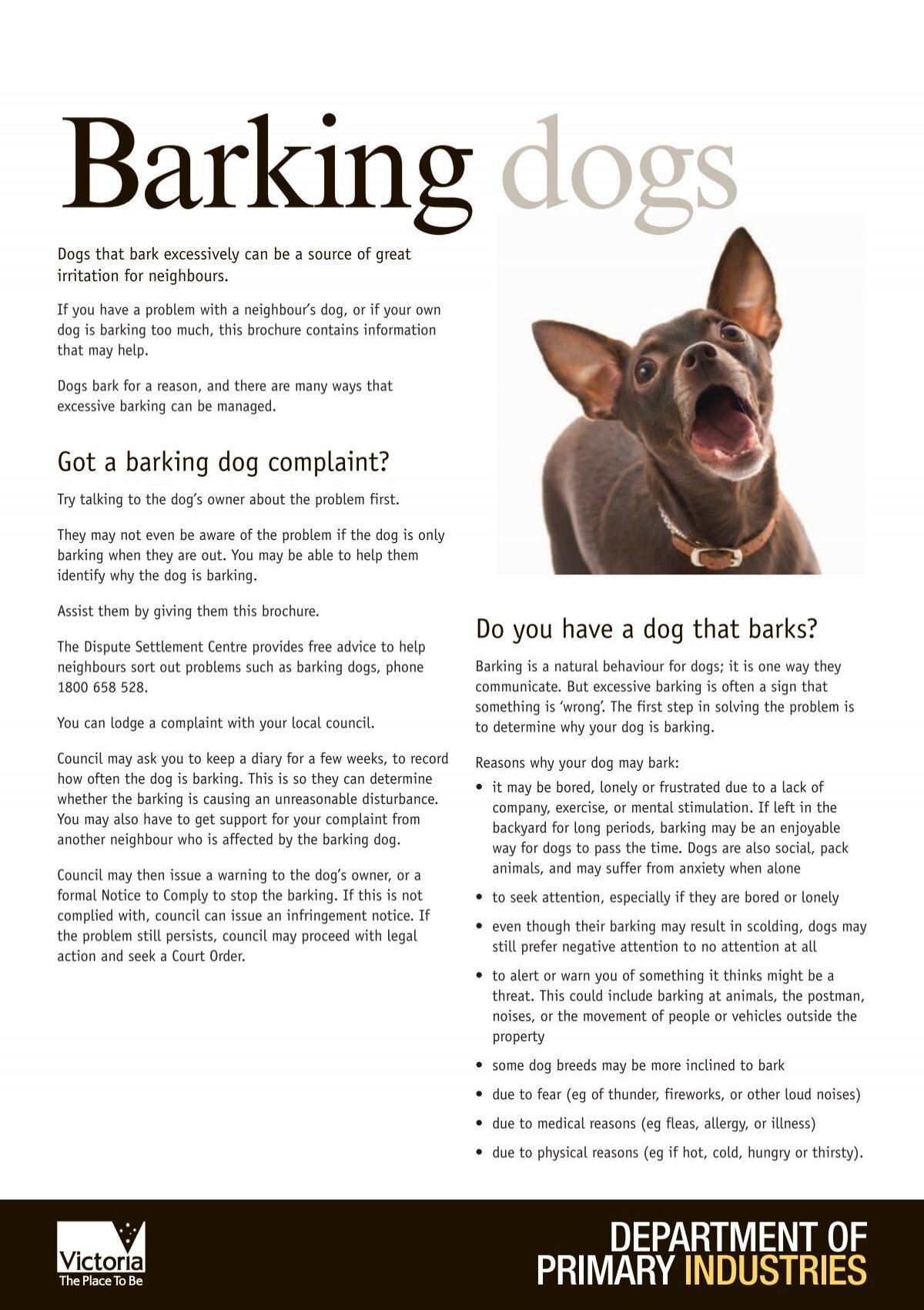
When dogs bark are they talking because they have something specific to communicate? Often, but not always. Barking can also happen as an automatic response to sudden sounds, movement, or strong emotion.
Dogs bark for both practical and emotional reasons. A dog may bark because it wants a result, or because its nervous system reacts before it can think through the situation.
Common triggers include:
• Doorbells, knocks, and visitors
• Passing dogs, squirrels, or people
• Loud trucks, fireworks, and alarms
• Separation from family members
• Hunger, thirst, or a missed bathroom break
• Pain, illness, or age-related confusion
• Limited exercise or mental stimulation
• Excitement during play
• Guarding a home, yard, toy, or person
Breed traits can also affect barking. Some dogs were bred to alert people, herd animals, hunt, or guard property. These dogs may notice sounds more quickly or bark more often than breeds selected for quiet companionship.
Still, breed does not determine everything. Training, health, home life, early socialization, and daily routine all shape barking habits.
Demand barking and learned behavior
Demand barking happens when a dog barks to make something happen. The desired result may be food, play, petting, or access to a room.
A common mistake is giving the dog what it wants while it is barking. Even a frustrated “Stop!” may feel like attention. Over time, the dog can learn that barking gets a response.
A better plan is to wait for a brief pause, then reward calm behavior. This teaches the dog that quiet communication works better than repeated barking.
Barking from fear
Fear-based barking often sounds sharp, fast, or tense. The dog may also crouch, lean away, tuck its tail, lick its lips, or show the whites of its eyes.
Fear barking should not be punished. Punishment may stop the sound for a moment while making the fear stronger. Calm distance, gradual training, and help from a qualified behavior professional are safer choices.

How to Understand a Dog’s Bark
When dogs bark are they talking through sound alone? No. You need to read the bark with the dog’s body, surroundings, and recent events.
Start by noticing the basic sound. A high-pitched bark often appears during excitement, distress, or uncertainty. A lower bark may occur during warning or defensive behavior. These patterns are not strict rules, so avoid judging the message from pitch alone.
The rhythm can also offer clues:
• One or two barks may signal a brief alert
• Repeated rapid barks may show excitement, alarm, or frustration
• Long pauses may suggest uncertainty
• A steady bark at a window may reflect territorial behavior
• Barking mixed with whining may suggest distress or a request
Next, watch the body. A loose body and wagging tail may point to friendly excitement. A stiff body, fixed stare, raised hackles, or forward weight can signal tension.
Tail wagging does not always mean happiness. A fast, stiff wag can show high arousal. A low or tucked tail may show fear, even if the dog continues to bark.
Read the full situation
Ask yourself:
-
What happened just before the barking?
-
What does the dog want right now?
-
Is the dog moving toward the trigger or away from it?
-
Does the dog look loose and playful or stiff and tense?
-
What happens when the trigger disappears?
Context turns a confusing bark into a clearer message. A dog barking at a delivery worker may be guarding the home, reacting to movement, or feeling trapped behind a window.

Common Types of Dog Barks
When dogs bark are they talking in different “dialects”? Their bark patterns can vary by situation, and many owners learn to recognize their dog’s usual sounds.
Alert barking
Alert barking tells others that the dog noticed something. The trigger may be a person near the home, a strange sound, or movement outside.
This barking often stops when the trigger leaves or when the dog learns that a trusted person has handled the situation.
Territorial barking
Territorial barking happens when a dog believes someone or something is entering its space. Windows, fences, yards, cars, and doorways can all become key locations.
Blocking the view, adding distance, and rewarding calm observation can help. Repeatedly shouting at the dog may sound like you are joining the alarm.
Greeting barking
Some dogs bark when a family member comes home or when they see another dog. Their body may stay loose, and they may bounce, wag, or bring a toy.
Ask for a simple behavior, such as sitting, before giving attention. This helps the dog greet people without building a louder habit.
Play barking
Play barking often comes with a relaxed body, play bows, quick turns, and loose movement. It may happen during fetch, tug, or running games.
Play barking is not always a problem. It becomes an issue when the dog cannot settle, overwhelms other dogs, or becomes too intense.
Frustration barking
A dog may bark when it sees something interesting but cannot reach it. A leash, window, crate, gate, or closed door can create this reaction.
Frustration barking often grows with repeated exposure. Move the dog farther away, offer a simple task, and reward calm attention before the barking becomes intense.
Separation-related barking
Some dogs bark when left alone because they feel distressed. Other signs may include pacing, drooling, scratching doors, destruction, or accidents.
This problem needs more than basic obedience. A veterinarian can help rule out health concerns, and a qualified behavior expert can create a gradual alone-time plan.

Do Dogs Understand Human Speech?
When dogs bark are they talking like humans? Not exactly. Dogs can learn the meaning of many human words, tones, gestures, and routines, but their communication system is different from ours.
Dogs may connect a word with an action, object, or result. For example, “walk,” “ball,” and “outside” can become powerful signals through repeated experience. They also pay close attention to tone and body movement.
Studies on canine cognition suggest that dogs can process some spoken words and intonation. Still, this does not mean dogs understand full human sentences in the same way people do.
Your dog may understand more than the word “sit.” It may also notice whether you are tense, rushed, calm, or upset. This is one reason clear routines work so well.
Do dogs have a language?
Dogs have a rich communication system, but scientists do not generally describe barking as a human-like language. Human language uses complex grammar and an unlimited way to combine words.
Dog communication is more tied to emotion, social signals, and immediate events. A bark can carry information, but it does not usually create detailed stories about the past or future.
That limitation does not make barking meaningless. It simply means we should interpret it as canine communication rather than translate it word for word.
How to Respond to Excessive Barking
When dogs bark are they talking about a problem? Excessive barking can be a message that something in the dog’s environment, routine, training, or health needs attention.
First, find the cause. Keep a short log for several days and record:
• The time barking starts
• The trigger
• The bark’s pattern
• Your response
• How the dog settles
This log can reveal patterns. You may find that barking happens after long periods alone, during busy street hours, or when the dog lacks a proper outlet for energy.
Use reward-based training. Reward the dog for looking at a trigger and staying calm. You can also teach a “quiet” cue after the dog already understands how to settle.
Helpful steps include:
-
Reduce exposure to known triggers.
-
Close curtains or use privacy film for window barking.
-
Add sniff walks, play, and food puzzles.
-
Teach a calm behavior, such as going to a mat.
-
Reward silence before barking becomes intense.
-
Avoid yelling, shock collars, and physical punishment.
-
Seek professional help for fear, aggression, or separation distress.
A major lesson from dog training is that prevention often works better than correction. If a dog practices barking at every passerby for months, the habit becomes stronger. Early support is kinder and usually easier.
When to call a veterinarian
A sudden change in barking deserves attention. A normally quiet dog that begins barking at night may have pain, hearing changes, vision loss, anxiety, or cognitive decline.
Contact a veterinarian if barking occurs with:
• Limping or other signs of pain
• Confusion or unusual pacing
• Loss of appetite
• Vomiting or breathing trouble
• Aggressive behavior that is new
• Extreme distress when alone
Medical problems can look like training problems. A health check should come before assuming the dog is simply disobedient.

Mistakes to Avoid When Interpreting Barking
When dogs bark are they talking in a way that always needs an immediate response? Not always. Some barking needs attention, while other barking needs calm guidance and better management.
Avoid these common mistakes:
• Assuming every bark means aggression
• Punishing a dog for warning signals
• Ignoring the environment
• Rewarding barking with food or play
• Using the same training plan for every cause
• Expecting instant silence
• Removing all barking without teaching another behavior
A warning bark can give you valuable information. If punishment suppresses that warning, the dog may skip the warning later and react more strongly. The goal should be safer communication and better emotional control, not simply a silent dog.
Also, do not rely on online bark “translation” tools as a final answer. Technology may identify broad patterns, but it cannot fully understand the dog’s health, history, surroundings, or relationship with you.

Frequently Asked Questions About When Dogs Bark Are They Talking
Are dogs talking when they bark?
Dogs are communicating, but they are not talking with human-style words and grammar. Their barks can express emotion, alert others, request something, or respond to a situation.
Can dogs understand what their barks mean?
Dogs may understand the result of barking, such as getting attention or going outside. They do not appear to assign fixed human-like words to every bark.
Why does my dog bark at nothing?
Your dog may hear, smell, or notice something you do not detect. Other causes include anxiety, boredom, pain, aging, or a learned habit.
Should I ignore my dog’s barking?
Ignoring barking can help with attention-seeking behavior, but it is not right for every case. Fear, pain, separation distress, or danger-related barking needs investigation and support.
How can I stop my dog from barking so much?
Identify the trigger, reduce exposure, provide exercise and mental work, and reward calm behavior. Avoid punishment, and contact a veterinarian or certified behavior professional when barking is intense or sudden.
Does barking mean a dog is angry?
Not always. Dogs bark from excitement, fear, frustration, play, pain, or alertness, so body language and context are needed to understand the emotion.
Conclusion
When dogs bark are they talking? In their own way, yes. Barking is a flexible communication signal shaped by emotion, context, learning, health, and breed traits.
Listen to the sound, but also watch the body and study the situation. Respond to the cause rather than punishing the noise. With patience, reward-based training, and veterinary support when needed, you can build clearer communication with your dog.
Start by keeping a bark log this week. Notice the trigger, the body language, and what happens next. Then share what you learn with a trusted veterinarian or qualified behavior professional.

Pet Care Writer & Researcher
Daniel writes practical guides on daily care, feeding, and safety, turning complex topics into simple, actionable advice.