
Do Hounds Bark A Lot: What To Expect
Do hounds bark a lot? Learn why hounds vocalize, which breeds bark most, and practical tips to manage excessive barking.
Yes, hounds often bark, bay, and howl more than many other dog breeds.
If you are asking, “do hounds bark a lot,” the honest answer is that sound is part of their history, purpose, and personality. Still, a noisy hound is not always a problem dog. With the right training, exercise, and home setup, many hounds can become calm and pleasant companions.
Why Do Hounds Bark So Much?
Hounds were bred to find, follow, and alert people to game. Their voices helped hunters locate them in thick woods or across open land. That work rewarded dogs that could stay focused and vocal for long periods.
This instinct still affects modern hounds. A Beagle may bark when it smells something interesting. A Coonhound may produce a deep bay when it spots movement. A Dachshund may bark at sounds near the home.
Common reasons for hound barking include:
• Alerting you to people, animals, or strange sounds
• Excitement during walks, play, or feeding
• Frustration when a dog cannot reach something
• Boredom caused by too little activity
• Fear or stress
• Separation from family members
• A strong scent that captures the dog’s attention
In other words, hound barking often has a purpose. It is like an old alarm system that still works even when the dog lives in a quiet suburb.

Which Hound Breeds Are the Most Vocal?
Not every hound sounds the same. Some bark in short bursts, while others bay, howl, or whine. Breed traits matter, but each dog also has its own habits.
Beagles
Beagles are often very vocal. They may bark, howl, or use a sound called a bay. Their strong nose can lead them toward scents, and they may become noisy when they want to follow one.
Coonhounds
Coonhounds are known for a deep, ringing bay. Their voice can carry over long distances. This trait was useful during hunting, but it may surprise neighbors in a residential area.
Bloodhounds
Bloodhounds may not bark nonstop, but they can howl, bay, and make many other sounds. Their powerful scent drive can also lead to restless behavior if they lack regular mental work.
Dachshunds
Dachshunds are small dogs with bold personalities. They were bred to hunt animals underground, so they often bark at movement, sounds, and people near the home.
Basset Hounds
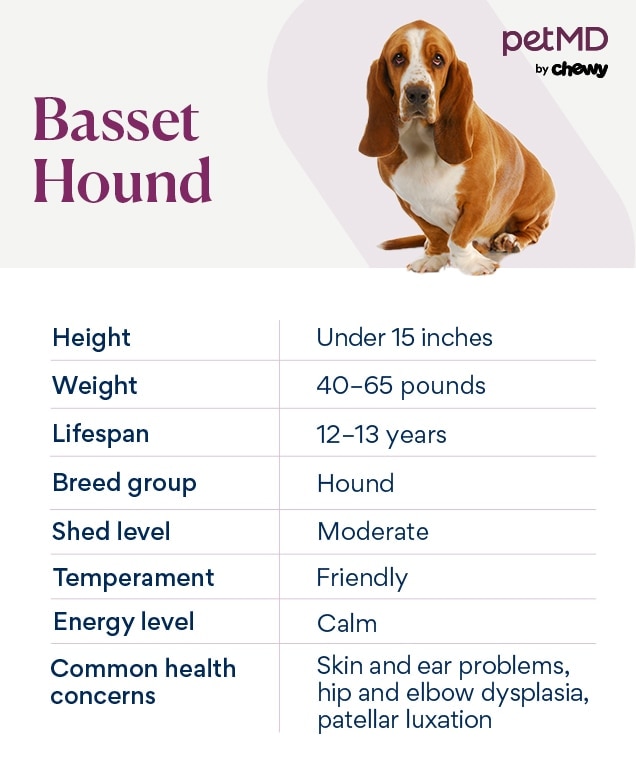
Basset Hounds may seem relaxed, but they can be quite vocal. Their low bay and howl may appear when they feel lonely, excited, or eager to follow a scent.
So, do hounds bark a lot across all breeds? Many do, but the amount varies. A calm adult Greyhound, for example, may be much quieter than a young Beagle or Coonhound.

When Is Hound Barking Normal?
Some barking is healthy and expected. A dog may bark when someone approaches the door, when another dog passes the window, or when it wants to play. Short periods of barking are usually normal communication.
The key is what happens before and after the barking. Watch the dog’s body language and daily routine.
Normal hound vocal behavior may include:
• A few barks when a visitor arrives
• Baying during scent games or outdoor exploration
• Excited barking before a walk
• Brief barking at birds, squirrels, or passing cars
• Occasional howling in response to another dog
Barking becomes more concerning when it lasts for long periods, causes distress, or disrupts sleep. A sudden change in vocal behavior also deserves attention.
A dog that begins barking at night may feel pain, confusion, fear, or illness. Older dogs can develop hearing loss or cognitive changes. If the change is sudden, speak with a veterinarian before treating it as a training problem.
How to Tell What Your Hound Is Saying
Barking is only one part of communication. The sound, timing, and body position can reveal the cause.
Alert barking
This bark is often sharp and repeated. The dog may stand tall, face the sound, and watch a window or door. It usually stops when the trigger disappears or the dog feels safe.
Excitement barking
Excited hounds may wag, bounce, spin, or rush toward a leash or toy. Their bark can sound fast and high. This often happens before meals, walks, or play.
Fear barking
Fear-based barking may come with a tucked tail, lowered body, pinned ears, or attempts to hide. The dog may bark while moving away from the trigger.
Frustration barking
A frustrated hound may bark at a fence, closed door, or toy it cannot reach. Pacing, jumping, and repeated movement are common signs.
Separation barking
A dog with separation distress may bark, howl, scratch doors, or pace after you leave. This behavior can continue for many minutes or even hours.
Learning these signals helps you solve the cause rather than punish the sound. A bark is a message. The goal is to understand the message and teach a better response.

How to Reduce Excessive Hound Barking
You may not be able to make a hound silent. You can, however, reduce unwanted barking with steady training and better daily care.
1. Meet exercise needs
Most hounds need daily movement. A short walk around the block may not be enough for a young, active dog.
Try:
• Brisk walks that allow safe sniffing
• Secure yard play
• Scent trails
• Fetch for dogs that enjoy it
• Hiking in safe areas
Sniffing is especially valuable. It gives a hound mental work and helps the dog process the world.
2. Add mental enrichment
A tired mind often creates a calmer dog. Use puzzle feeders, treat searches, scent boxes, and short training sessions.
You can hide small treats around one room and let your dog find them. Start with easy places, then make the game harder. This uses natural scent skills in a controlled way.
3. Limit visual triggers
If your dog barks at people or animals outside, block the view with curtains, window film, or furniture changes. Move the dog away from the front window during busy times.
For fence barking, consider a solid privacy barrier. Do not leave a vocal hound alone in the yard for long periods. The fence may keep the dog in, but it does not remove every trigger.
4. Teach a quiet cue
First, allow one or two alert barks. Then say “quiet” in a calm voice. When your dog pauses, reward the silence with a treat.
Do not shout. Dogs may think you are joining the barking. Keep your voice low and your timing clear.
5. Reward calm behavior
Notice your dog when it is quiet. Give praise or a treat while it rests on a bed, looks away from a trigger, or settles after excitement.
This teaches an important lesson: calm behavior earns good things. Waiting for barking and reacting every time can accidentally make the habit stronger.
6. Avoid punishment-based tools
Shock collars, harsh corrections, and yelling may increase fear or stress. They can also hide warning signs without fixing the cause.
Reward-based training is supported by modern veterinary behavior guidance. A certified positive-reinforcement trainer can help when barking is intense or difficult to manage.

A Simple Training Plan for a Noisy Hound
Consistency matters more than long sessions. Practice for five minutes at a time, two or three times each day.
-
Identify the trigger, such as the doorbell or a passing dog.
-
Start far enough away that your hound notices the trigger but can still eat a treat.
-
Say the dog’s name and reward eye contact.
-
Wait for a brief pause in barking.
-
Say “quiet” and reward the pause.
-
Slowly reduce the distance or increase the trigger’s intensity.
-
End the session before your dog becomes overwhelmed.
This process is called desensitization and counterconditioning. It changes the dog’s emotional response over time.
One common mistake is practicing only when guests arrive. By then, the dog may be too excited to learn. Practice with a family member who can knock softly, then increase the challenge in small steps.
If your dog cannot eat, respond to its name, or settle during training, move farther from the trigger. Progress should feel steady, not rushed.

Do Hounds Bark More When Left Alone?
Some hounds bark more when alone because they are social dogs. Others become vocal because they feel bored, trapped, or anxious. Long periods of isolation can make the pattern worse.
Before leaving, provide a calm walk and a safe enrichment toy. A food puzzle can give your dog something useful to do during the first part of your absence.
A camera can help you understand the behavior. Look for signs such as:
• Barking that starts soon after you leave
• Pacing from room to room
• Scratching doors or windows
• Drooling, panting, or frantic movement
• Destruction near exits
These signs may point to separation anxiety, not simple boredom. Severe separation anxiety needs a careful plan from a veterinarian or qualified behavior professional. In some cases, behavior treatment may include medication.
Do not punish damage or barking after you return. Your dog will not connect the punishment with an earlier event. It may only become more worried about your next departure.

Health Problems That Can Increase Barking
A sudden increase in barking can have a physical cause. Pain, hearing changes, skin problems, digestive discomfort, and neurological disease may affect behavior.
Older dogs may bark at night due to confusion or changes in sleep. Dogs with reduced hearing may bark more because they cannot judge their own volume. Vision loss can also make familiar spaces feel unsafe.
Contact a veterinarian if barking comes with:
• Limping or trouble getting comfortable
• Appetite or weight changes
• Heavy panting at rest
• Confusion or staring
• Sudden aggression
• Repeated nighttime vocalizing
• Changes in drinking or urination
Behavior has many possible causes. A professional exam can rule out medical problems before you focus only on training.

Living With a Vocal Hound
Before adopting a hound, think about your home and daily schedule. Apartment living is possible for some hounds, but noise, exercise, and neighbor concerns need careful planning.
Ask yourself:
• Can I provide daily walks and scent games?
• Can I manage barking at doors, windows, and outdoor sounds?
• Are my neighbors close by?
• Do I have time for training every day?
• Can I use a secure leash and fenced area?
A hound is not a poor choice simply because it makes noise. The right match depends on your ability to meet its needs and accept its natural voice.
If you already own a hound, focus on management rather than perfection. Use white noise, close curtains, schedule exercise, and create a quiet rest area. These steps can reduce triggers while training improves long-term behavior.
In my experience with common dog behavior patterns, the biggest mistake is waiting until barking becomes a crisis. Small daily changes usually work better than one dramatic fix.

Frequently Asked Questions About Do Hounds Bark a Lot
Do hounds bark a lot compared with other dogs?
Many hounds are more vocal than average because they were bred to alert hunters and communicate across distance. However, barking varies by breed, age, training, health, and individual personality.
What hound breed barks the least?
There is no breed that stays quiet all the time, but some individual Greyhounds and quiet adult hounds may bark less than Beagles or Coonhounds. A dog’s early socialization and home environment also matter.
Can you train a hound not to bark?
You can reduce unnecessary barking and teach a reliable quiet cue. You cannot always remove barking completely because vocal behavior is a normal part of many hounds’ instincts.
Why does my hound bark at night?
Night barking may come from loneliness, outdoor sounds, boredom, fear, pain, or age-related confusion. A sudden change should be discussed with a veterinarian.
Are hounds good apartment dogs?
Some hounds can live well in apartments when they receive enough exercise, scent work, and training. Choose an individual dog carefully and consider how easily its voice carries through shared walls.
Should I use a bark collar on my hound?
Bark collars can increase fear and may fail to address the cause of barking. Reward-based training, trigger control, exercise, and professional behavior help are safer first choices.
Conclusion
So, do hounds bark a lot? Many do, and their barking, baying, and howling come from strong working instincts. The noise may be normal, but constant or sudden barking can signal boredom, fear, separation distress, or a health issue.
Start with exercise, scent games, trigger control, and reward-based training. Track when the barking happens, what causes it, and how your dog responds. With patience and the right plan, you can support your hound’s natural voice while creating a calmer home. Share your experience with a vocal hound or explore trusted training resources for the next step.

Pet Care Writer & Researcher
Daniel writes practical guides on daily care, feeding, and safety, turning complex topics into simple, actionable advice.




One Comment