
Can Cats Bark Like Dogs: The Surprising Truth
Can cats bark like dogs? Learn why some cats make barking sounds, what they mean, and when unusual vocalizations may need attention.
Can cats bark like dogs? Cats can make bark-like sounds, but they cannot produce a true dog bark.
If you hear a sharp “woof” from your cat, you are not imagining it. Cats can copy sounds, change their meows, or make unusual calls that resemble barking. Still, their voice box, body language, and reasons for making sounds differ from those of dogs. This guide explains can cats bark like dogs, why it happens, when it may signal stress or illness, and how to respond.
Can cats bark like dogs?
Can cats bark like dogs? Not in the same biological way. A dog’s bark comes from a vocal system designed for repeated, forceful barking. Cats have a different larynx and usually communicate with meows, chirps, trills, growls, hisses, and yowls.
Some cats can make a short sound that closely resembles a bark. The sound may be rough, sharp, or surprisingly deep. It may even make you look toward the door because you think a small dog is nearby.
A cat’s bark-like noise may sound like:
• A short “woof” or “yip”
• A dry cough
• A loud chirp
• A clipped meow
• A low, raspy call
• A repeated sound made while watching birds
The sound alone does not tell you what your cat feels. You must also watch the cat’s ears, tail, eyes, posture, and behavior.
Why do some cats sound like they are barking?
Cats use their voices in flexible ways. They can change pitch, volume, rhythm, and tone to get attention or respond to something in their environment.
Common reasons include:
• Excitement when watching birds or squirrels
• Frustration when a window blocks access to prey
• A learned sound that earns attention
• A response to another animal
• Fear, pain, or sudden stress
• Throat irritation or a breathing problem
Certain cats also develop unusual vocal habits. Siamese cats and other talkative breeds may make a wide range of sounds, but any cat can produce a bark-like call.

How cats make bark-like sounds
A cat’s voice begins in the larynx, often called the voice box. Air moves from the lungs through the larynx, causing soft tissues to vibrate. The mouth, tongue, and throat then shape the sound.
Cats do not have the same vocal structure as dogs. Their typical meow is made by changing airflow and vocal fold tension. A bark-like sound may happen when a cat pushes air out quickly and uses a tight or unusual throat position.
This is closer to a sound effect than a true bark. It may be similar to how a person can imitate a dog without actually having a dog’s vocal system.
Cat sounds that people may mistake for barking
Several normal cat sounds can sound like barking in the right setting.
• Chattering is a fast clicking sound often heard when a cat watches birds.
• Chirping is a bright, short sound that may show excitement or social interest.
• Trilling is a rolling sound that cats often use as a greeting.
• Yowling is a loud, drawn-out call linked to mating, stress, confusion, or discomfort.
• Growling is a low warning sound that can signal fear or aggression.
• Coughing is a forceful sound that may be mistaken for a short bark.
The setting matters. A cat making a single sharp call while watching a bird may be excited. A cat making repeated harsh sounds while breathing hard needs closer attention.
Can cats learn to imitate dogs?
Cats can learn sound patterns through repetition and attention. If a cat makes a bark-like noise and receives food, laughter, petting, or eye contact, the behavior may become more common.
This does not mean the cat understands that it is barking like a dog. It may simply learn that a certain sound gets a response. Cats are excellent observers, and many quickly connect a sound with a result.

Why can cats bark like dogs?
Can cats bark like dogs because they copy sounds? Sometimes. Cats may imitate sounds they hear often, especially if those sounds happen in a social or exciting situation.
A cat living with a dog may begin making noises that resemble the dog’s vocal habits. The cat may not copy the bark perfectly, but it can develop a similar rhythm or tone.
Other causes include:
Mimicking a household dog
Cats and dogs often learn each other’s routines. A cat may vocalize when the dog barks, when someone knocks, or when the family returns home.
This behavior can be social. The cat may be joining the noise rather than trying to act like a dog. Some cats also react to the emotional energy in the room.
Seeking attention
A cat may discover that a strange sound makes people turn around. If everyone laughs or rushes over, the cat learns that the sound works.
Avoid rewarding a distress sound with excitement. Instead, stay calm and check whether the cat needs food, water, play, comfort, or medical care.
Reacting to prey
Cats often make odd sounds when they see birds, bugs, or small animals. Their teeth may chatter, and their mouths may move in quick bursts.
Researchers have suggested that chattering may relate to hunting excitement or an automatic bite response. The exact cause is not fully settled, so it is best to describe the behavior rather than assign one certain meaning.
Expressing frustration
A cat may make a bark-like call when it cannot reach a toy, animal, or person. Window frustration is common in indoor cats.
Offer safe play with a wand toy, food puzzle, or short training session. Do not punish the cat for reacting to something it cannot control.
Showing pain or illness
A new, harsh, or repeated vocal sound can point to a health issue. Respiratory illness, throat irritation, asthma, dental pain, and other conditions may change a cat’s voice.
A change in sound is more concerning when it appears with:
• Open-mouth breathing
• Wheezing
• Coughing
• Nasal discharge
• Trouble swallowing
• Drooling
• Low energy
• Loss of appetite
• Hiding or unusual aggression

Is a bark-like sound normal for cats?
Can cats bark like dogs as a normal behavior? A single unusual sound can be normal, especially if your cat is alert, eating well, and acting as usual.
Normal vocal changes often happen during play, hunting behavior, greetings, or excitement. The sound may stop when the trigger disappears.
A sudden change deserves more care. Cats often hide pain, so small behavior changes can be important. A new voice may be the first visible sign of a problem affecting the throat or breathing system.
Normal signs
A bark-like sound is more likely to be harmless when:
• It happens only during play or bird watching
• The cat breathes normally
• The cat eats and drinks as usual
• The cat has normal energy
• The sound is brief and infrequent
• There are no signs of pain
Warning signs
Contact a veterinarian if the sound is new, frequent, or paired with other symptoms. Seek urgent care if your cat struggles to breathe, breathes with an open mouth, collapses, or has blue, gray, or very pale gums.
Never wait to see whether a breathing crisis will pass. Cats can worsen quickly when airways are blocked or the lungs are not working well.
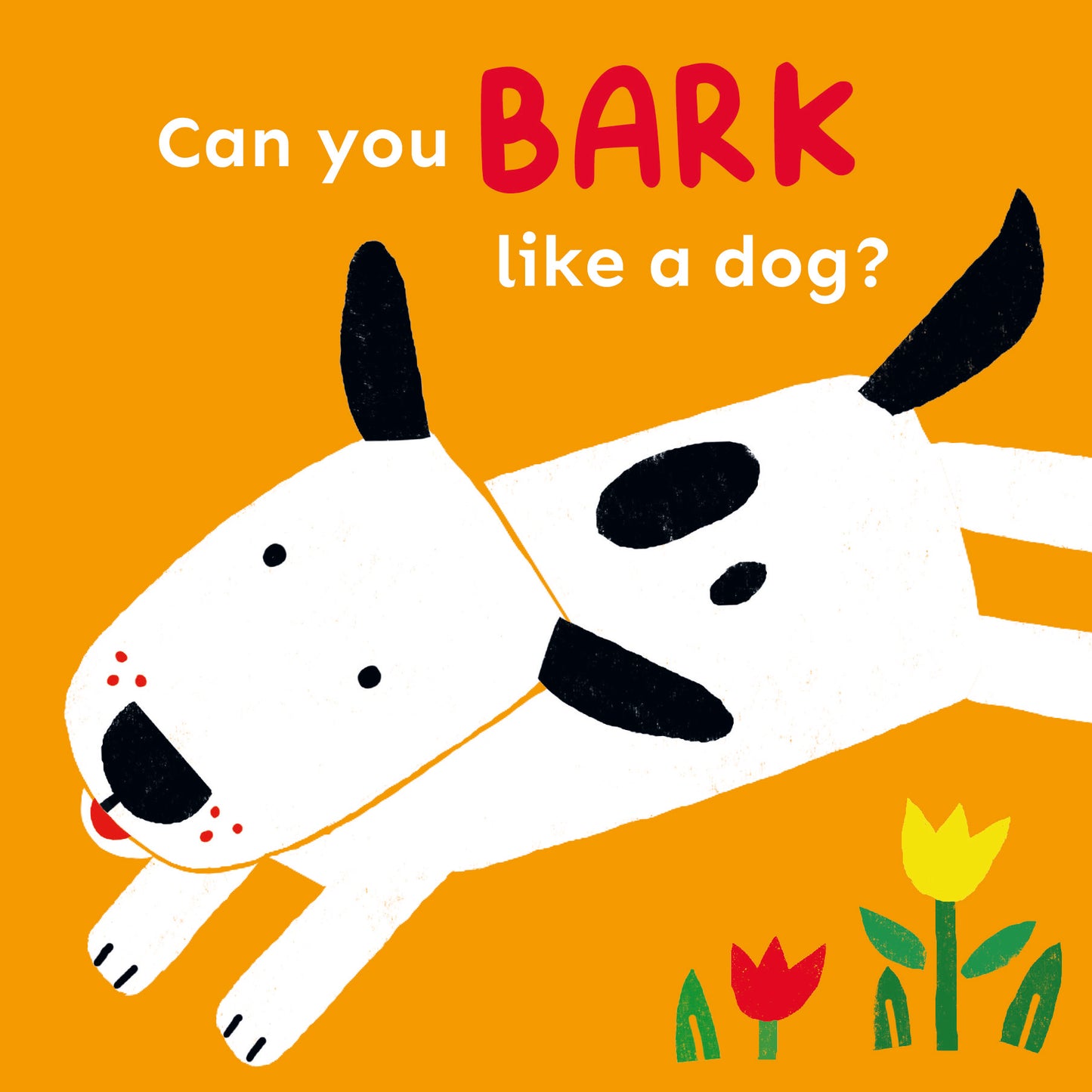
How to tell what your cat’s bark-like sound means
Can cats bark like dogs for different reasons? Yes, and context is the best clue. Listen to the sound, but also study what happens before and after it.
Use this simple observation method:
-
Note the time and location.
-
Identify what your cat was looking at or doing.
-
Watch the ears, tail, eyes, and body posture.
-
Check whether the sound stops after the trigger ends.
-
Record a short video if the sound happens again.
A video can help a veterinarian assess the sound. It may also show breathing effort, posture, or repeated swallowing that you might miss in the moment.
Body language clues
A relaxed cat may have soft eyes, a loose body, and a gently moving tail. A tense cat may crouch, flatten the ears, puff the tail, or stare with wide pupils.
A cat that makes a sharp noise while crouching near a window may feel excited or frustrated. A cat that makes the same sound while hiding and refusing food may feel sick or frightened.
What should you do if your cat barks?
Can cats bark like dogs without needing treatment? Often, yes. Your first step should be calm observation, not correction.
Try these practical steps:
• Remove obvious stressors, such as loud noise or another animal at the window.
• Offer fresh water and check that food is available.
• Use gentle play to redirect hunting excitement.
• Give your cat a quiet hiding place.
• Avoid yelling, spraying water, or punishment.
• Record the sound if it continues.
• Arrange a veterinary visit for a persistent or sudden change.
Punishment can increase fear and may make vocal behavior worse. Cats respond better to predictable routines, rewards, and environmental changes.
Enrich the home environment
Boredom can increase repetitive vocal behavior. Indoor cats need chances to climb, scratch, explore, chase, and rest.
Helpful options include:
• Cat trees near safe windows
• Rotating toys
• Puzzle feeders
• Scratching posts
• Short daily play sessions
• Quiet resting areas
• Safe shelves or elevated spaces
If outdoor animals trigger your cat, close the blinds or use a window film that reduces the view. Keep the cat indoors and avoid placing bird feeders where the cat becomes highly distressed.

Common mistakes cat owners should avoid
Many owners laugh when they first hear a cat bark. That reaction is understandable, but it can hide an important detail.
One mistake is assuming every odd sound is cute. A hoarse voice, repeated cough, or strained call may signal illness. Another mistake is searching for a behavior answer while ignoring breathing signs.
In my experience observing cats with unusual vocal habits, the most useful clue is change. A cat that has always made a strange chirp may simply have a unique voice. A cat that suddenly sounds raspy needs a closer look.
Avoid these errors:
• Do not force your cat to repeat the sound.
• Do not give human cough medicine.
• Do not assume a hairball explains every cough.
• Do not punish vocal behavior.
• Do not delay care when breathing looks difficult.
• Do not diagnose the cause from sound alone.
Veterinarians may examine the mouth, throat, heart, lungs, and overall health. They may also ask about allergies, smoke, cleaning products, recent illness, and exposure to other animals.

Can cats bark like dogs at night?
Can cats bark like dogs at night because they are active? Nighttime sounds may relate to normal feline activity, attention seeking, mating behavior, stress, or confusion.
Cats are often most alert around dawn and dusk. Indoor lighting and household routines can also shift their sleep patterns. An older cat may vocalize at night because of pain, hearing loss, vision changes, cognitive decline, or medical disease.
Try a steady evening routine:
• Play actively before bedtime.
• Offer a small meal after play.
• Keep the litter box clean.
• Provide a soft, familiar sleeping area.
• Reduce access to stressful windows at night.
• Avoid rewarding repeated attention calls.
If nighttime vocalization is new in a senior cat, schedule a veterinary check. Age-related changes deserve medical attention rather than simple training advice.
When to call a veterinarian
Can cats bark like dogs and still have a serious health issue? Yes. The sound does not rule out illness.
Call your veterinarian soon if your cat has a new or persistent bark-like sound, especially with coughing, sneezing, nasal discharge, appetite loss, weight loss, or lower energy.
Seek emergency care for:
• Labored breathing
• Open-mouth breathing
• Blue, gray, or white gums
• Collapse or severe weakness
• Choking
• Repeated gagging with distress
• Inability to swallow
A normal cat may breathe quietly through the nose with the mouth closed. Any clear struggle to breathe is an emergency.
Frequently asked questions about can cats bark like dogs
Can cats really bark like dogs?
Cats cannot produce a true dog bark, but some can make a short sound that resembles one. The noise may come from excitement, imitation, frustration, or a change in the throat or airway.
Why does my cat sound like a small dog?
Your cat may be copying a dog, reacting to prey, seeking attention, or using an unusual vocal pattern. If the sound is new or rough, ask a veterinarian to rule out illness.
Is it normal for a cat to bark at birds?
A cat may make sharp chirps, clicks, or bark-like calls while watching birds. This usually reflects hunting excitement or frustration, but the cat should still breathe normally and act healthy.
Should I worry if my cat suddenly starts barking?
A sudden change in voice deserves attention. Monitor your cat for coughing, breathing trouble, poor appetite, hiding, drooling, or low energy, and contact a veterinarian if any of these signs appear.
Can cats learn to bark like dogs?
Cats can learn to repeat sounds that receive attention, but they do not normally learn a true dog bark. A cat living with dogs may develop a bark-like vocal habit through imitation or social response.
Do certain cat breeds bark more than others?
Talkative breeds, such as Siamese cats, may make a wider range of sounds. Still, any breed can produce a bark-like noise, so the cat’s health and the situation matter more than breed alone.
Can a cat’s bark-like sound mean pain?
Yes. Pain or illness may cause a cat to sound hoarse, strained, or unusual. A persistent change, especially with breathing or eating problems, should be assessed by a veterinarian.
Conclusion
Can cats bark like dogs? They can make bark-like sounds, but they do not produce a true dog bark. The noise may reflect imitation, excitement, prey behavior, frustration, attention seeking, or a medical issue.
Pay attention to the full picture. A healthy cat with a brief sound during play may need no treatment, while a cat with a sudden hoarse voice or breathing trouble needs prompt care. Record unusual sounds, avoid punishment, and contact your veterinarian when the behavior changes or other symptoms appear. Share your cat’s unusual vocal story in the comments and explore more trusted cat-care guides for practical advice.

Pet Care Writer & Researcher
Daniel writes practical guides on daily care, feeding, and safety, turning complex topics into simple, actionable advice.