How To Stop A Puppy From Barking At Night: Easy Tips
Learn how to stop a puppy from barking at night with gentle, effective training tips for calmer sleep and quieter nights.
Use a calm routine, meet your puppy’s needs, and reward quiet behavior instead of rewarding nighttime barking.
Learning how to stop a puppy from barking at night takes patience, clear limits, and a plan that fits your puppy’s age. Most puppies bark because they feel lonely, need to potty, feel unsafe, or have too much energy. This guide explains the causes, the safest training steps, common mistakes, and when to call a veterinarian or trainer.
Why puppies bark at night
Nighttime barking is normal for many young puppies. Your puppy has just left its mother and littermates. A quiet room can feel strange after sleeping in a warm, busy group.
Barking is your puppy’s way of sending a message. The message may mean, “I need to go out,” “I feel scared,” or “Please come back.” Your first task is to learn which need your puppy is trying to express.
Common causes include:
- A full bladder or bowel
- Hunger or thirst
- Fear of being alone
- A new sleeping space
- Cold, heat, or discomfort
- Too much daytime sleep
- Not enough mental activity
- Noise, lights, or movement outside
- Pain or illness
Very young puppies may need one or more potty trips overnight. A rough guide is that a puppy can often hold its bladder for about its age in months plus one hour, but this is not a strict rule. Small breeds, recently adopted puppies, and puppies with health issues may need more frequent breaks.
If your puppy suddenly starts barking after sleeping well, look for a health issue or a change in the home. Pain, stomach trouble, urinary problems, and fear can all change nighttime behavior.

Prepare your puppy for a quiet night
Good nighttime training starts before bedtime. A tired puppy is more likely to settle, but exhaustion is not the goal. An overtired puppy can become wired and bark more.
Give your puppy a steady daily rhythm. Meals, play, training, naps, and potty trips should happen at about the same times each day. Predictability helps a puppy feel safe.
Use this simple evening plan:
- Offer calm play in the early evening.
- Practice a few minutes of basic training, such as sit, touch, or down.
- Give your puppy a chance to sniff and explore.
- Avoid wild games right before bed.
- Take your puppy outside for a final potty trip.
- Place your puppy in the sleep area with a safe chew or toy.
- Keep the room dark, quiet, and comfortable.
A short sniffing walk can be more useful than a fast game of fetch. Sniffing uses the brain and can help your puppy relax. Still, do not force long walks in public areas before your veterinarian confirms that your puppy has enough vaccine protection.
I once saw a family make the same mistake many new owners make: they played rough with their puppy at 10 p.m. because they wanted the puppy to “wear out.” The puppy became excited, barked for hours, and learned that bedtime meant more action. A calm wind-down worked much better.
Create a safe and comfortable sleep space
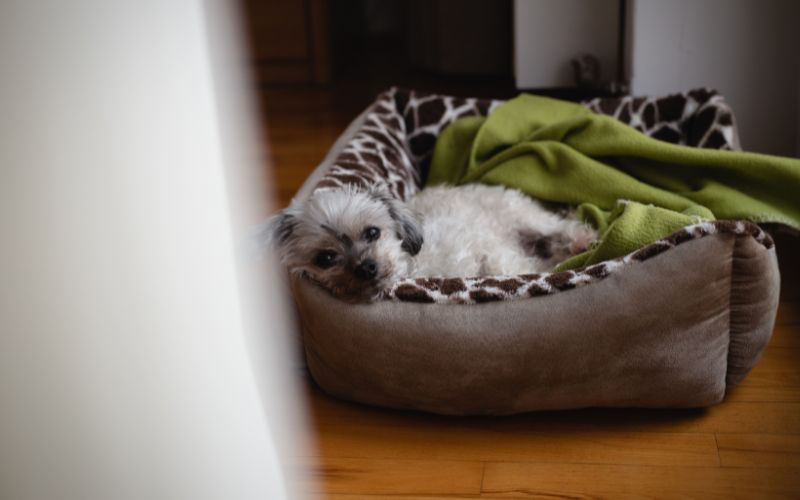
A puppy sleeps better when the space feels safe. A crate, pen, or small puppy-proofed room can work well. The best choice depends on your puppy, your home, and your ability to supervise.
Place the sleep area near your bed at first. Your presence can reduce fear and lets you hear signs that your puppy needs to go outside. You can slowly move the crate farther away after your puppy sleeps calmly for several nights.
Make sure the area has:
- A comfortable, washable bed
- Safe bedding that your puppy cannot shred and swallow
- A puppy-safe chew approved for the dog’s age and size
- Good airflow
- A comfortable temperature
- No cords, loose fabric, or small objects
Some puppies relax with soft background noise. A fan or quiet white-noise machine can cover outdoor sounds. Keep the volume low. Avoid leaving a collar or harness on a crated puppy because it may catch on the crate.
Do not use the crate as punishment. A crate should feel like a bedroom, not a jail. Feed treats near it, leave the door open during the day, and practice short periods of calm rest before expecting a full night.
If your puppy panics, drools heavily, tries to break out, or hurts its mouth or paws, stop and seek help. That response is more than ordinary protest barking.
Use a step-by-step nighttime training plan
To stop a puppy from barking at night, respond to real needs without turning barking into a reward. The goal is not to ignore every sound. The goal is to respond calmly and teach your puppy that quiet behavior works.
Follow these steps:
- Wait briefly and listen. A few soft whines may fade. Sharp, repeated barking may signal a real need.
- Check the time. If your puppy usually needs a potty break now, take it outside.
- Keep the trip boring. Use low lights, few words, and no games.
- Let your puppy eliminate, then return directly to bed.
- Praise calm behavior in a quiet voice.
- If your puppy is safe and has recently gone potty, wait for a brief pause before offering attention.
- Repeat the same response each night.
Never shout from another room. Your puppy may hear the shouting as barking from you. It can also increase fear and excitement.
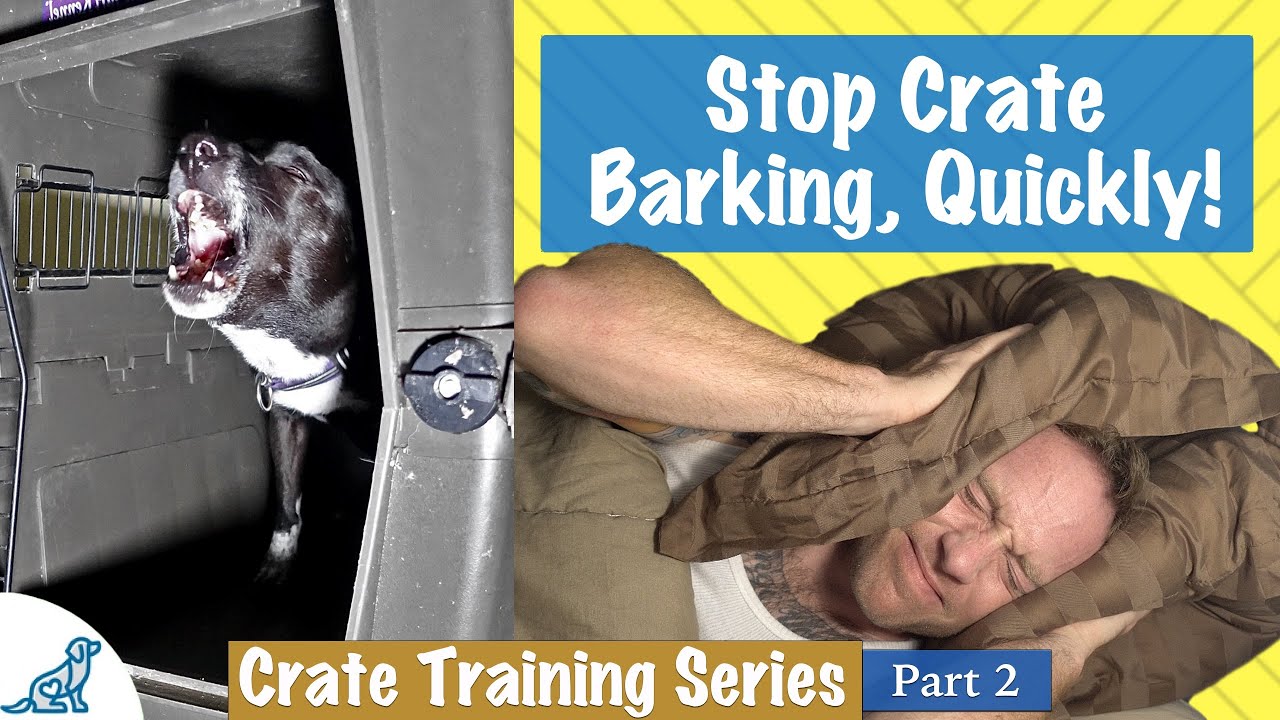
Avoid opening the crate while your puppy is barking for attention. If you do this often, your puppy may learn, “Barking opens the door.” Instead, wait for even one or two seconds of quiet when it is safe to do so, then calmly respond.
However, do not use a strict “cry it out” method with a distressed puppy. Prolonged panic can damage trust and may make separation problems worse. Short pauses are different from ignoring intense fear.
A small notebook can help. Record bedtime, barking times, potty trips, meals, naps, and what stopped the barking. Patterns often appear within a few nights.

Reward quiet behavior during the day
Training does not stop when the lights go out. Your puppy learns all day long. Rewarding calm behavior during the day makes nighttime training easier.
When your puppy lies quietly on a mat, give a small treat. When your puppy settles in the crate, offer calm praise. When your puppy looks at a noise without barking, reward that choice.
You can teach a “quiet” cue, but timing matters. First, wait for a natural pause in barking. Say “quiet” in a soft voice, then reward the silence. Do not repeat the cue again and again while your puppy is still barking.
Practice these skills:
- Settling on a mat
- Relaxing in a crate
- Coming when called
- Sitting for attention
- Chewing an approved toy
- Staying calm when you leave the room
- Listening to household sounds without reacting
Keep training sessions short. Two to five minutes can be enough for a young puppy. End while your puppy is still successful.
Do not reward barking with play, food, excited talk, or immediate freedom. At the same time, do not punish normal communication. The balance is simple: meet needs first, then reinforce calm choices.
What not to do when a puppy barks
Many well-meaning owners accidentally make nighttime barking stronger. They respond differently each night. One night they ignore barking, the next night they invite the puppy into bed, and another night they offer food.
This inconsistency can create what trainers call an intermittent reward. The puppy keeps trying because barking sometimes works. It is similar to a slot machine: an occasional reward can make the behavior very persistent.
Avoid these mistakes:
- Shouting or banging on the crate
- Using shock, spray, or punishment collars
- Letting the puppy bark for hours in panic
- Giving food during every barking episode
- Starting exciting play at midnight
- Changing the sleep rules from night to night
- Expecting a very young puppy to stay dry all night
- Using sedatives without veterinary direction
Punishment may stop a sound for a moment, but it does not teach the puppy what to do instead. It can also increase fear and stress. Reward-based training is safer and is supported by modern veterinary behavior guidance.
If you want your puppy to sleep in your bed later, that is a personal choice. For now, make a clear plan. Do not bring the puppy into bed only because the barking becomes difficult. Choose the rule when everyone is calm.
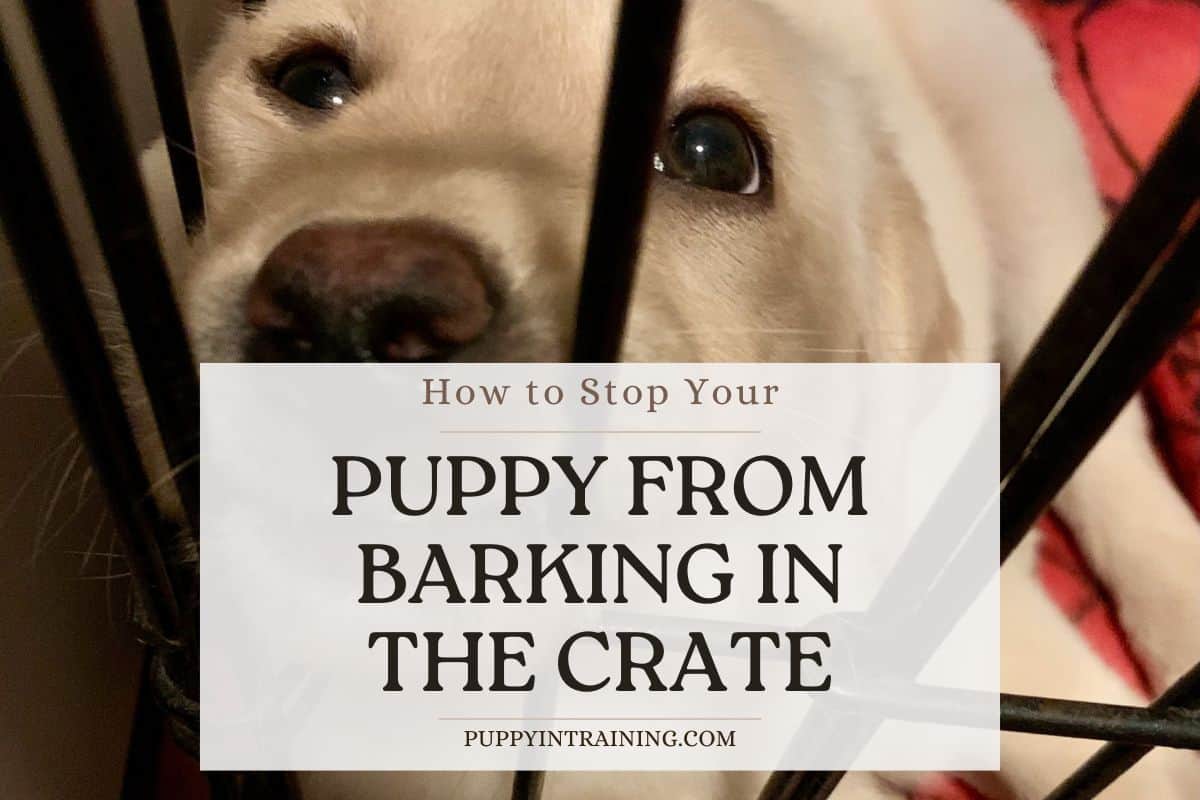
Know when barking may signal a problem
Not all nighttime barking is a training issue. Contact your veterinarian if barking comes with signs such as:
- Vomiting or diarrhea
- Repeated coughing
- Trouble breathing
- Limping or obvious pain
- Frequent urination
- Straining to urinate
- Extreme thirst
- Loss of appetite
- Lethargy
- A swollen belly
- Sudden behavior change
A puppy that cries every time it is alone may have separation-related distress. Signs can include drooling, destructive escape attempts, pacing, shaking, or refusing food when alone.
Your veterinarian can check for health problems and guide you toward a qualified force-free trainer or veterinary behaviorist. Early support often prevents a small sleep problem from becoming a larger anxiety problem.
Age also matters. A young puppy may need several weeks to sleep through the night. Some puppies adjust in a few days, while others need a slower plan. Breed, history, temperament, home noise, and previous experiences all affect progress.
Be realistic about limitations. No safe method can guarantee instant results. The aim is steady improvement, not silence at any cost.

A practical seven-night plan
This plan can help you stop a puppy from barking at night while protecting trust and good habits. Adjust it for your puppy’s age and veterinary needs.
Night one
Place the crate or pen beside your bed. Take your puppy out just before sleep. Respond to potty needs with minimal excitement.
Night two
Repeat the same routine. Reward calm lying down before you turn off the light. Track when barking begins and whether your puppy eliminates outside.
Night three
Add a short daytime crate session with a chew. Keep the door open at first, then close it for a few seconds while your puppy remains calm.
Night four
Wait briefly after mild attention barking. If your puppy stays quiet, offer soft praise. If the puppy needs to potty, go out without play.
Night five
Move the sleep area only if your puppy has shown calm progress. Move it a small distance, not across the home.
Night six
Continue daytime rewards for settling. Reduce your response to minor noises while staying alert for genuine needs.
Night seven
Review your notes. If barking is shorter or less frequent, keep the plan. If distress is increasing, move more slowly and seek professional advice.
Progress is rarely perfectly straight. A new sound, teething, illness, travel, or a change in schedule can cause a setback. Return to the last step that worked instead of starting over with punishment.

Frequently asked questions about how to stop a puppy from barking at night
Should I ignore my puppy barking at night?
Do not ignore barking automatically. First check for potty needs, illness, discomfort, or fear, then respond calmly and briefly. If your puppy is safe and has recently gone outside, wait for a quiet pause before giving attention.
How long does it take to stop a puppy from barking at night?
Many puppies improve within several nights to a few weeks with a consistent routine. The timeline depends on age, temperament, past experience, potty control, and whether anxiety or illness is involved.
Should I let my puppy sleep in my bedroom?
Keeping the puppy near your bed can help during early training. It lets you notice potty signals and may reduce loneliness, but you can gradually move the crate later if you want a different long-term sleeping arrangement.