What Size Dog Bed For 75 Pound Dog: Best Fit Guide
Find the right size dog bed for a 75 pound dog with expert sizing tips, comfort advice, and easy measuring steps for a perfect fit.
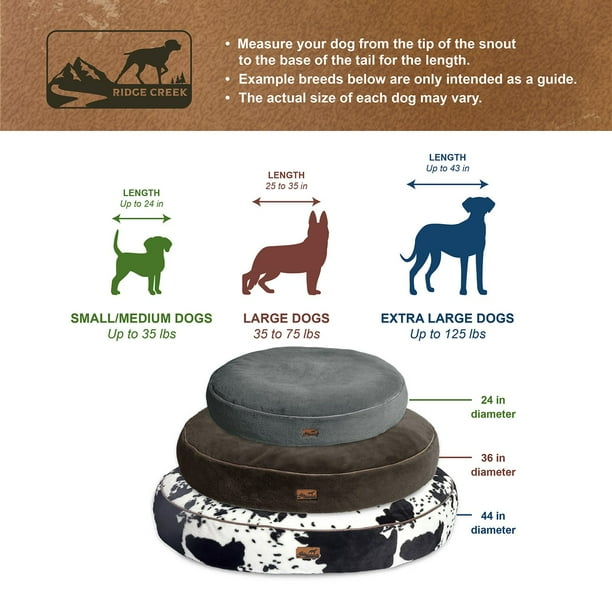
For a 75-pound dog, choose a bed with at least 40 by 30 inches of usable sleeping space.
Choosing what size dog bed for 75 pound dog depends on more than weight. A tall Greyhound, a broad Labrador, and a compact Bulldog may all weigh 75 pounds but need different sleeping spaces. Your dog’s sleeping style, body length, age, and health also matter.
The best approach is to measure your dog, compare those measurements with the bed’s inner sleep area, and allow extra room to stretch. This guide explains the ideal bed dimensions, how to measure correctly, which bed types work best, and the common sizing mistakes that leave large dogs cramped.
What Size Dog Bed for 75 Pound Dog Is Best?
For most 75-pound dogs, a large or extra-large dog bed is the right starting point. Look for at least 40 inches long and 30 inches wide of actual sleeping space.
Some dogs will need more room. A long-bodied dog or a dog that sleeps fully stretched out may be more comfortable on a 48-by-36-inch bed.
Use these size ranges as a practical guide:
• 40 by 30 inches: Suitable for dogs that curl up or sleep with their legs tucked in
• 42 by 32 inches: A good choice for many Labrador Retrievers, German Shepherds, and similar breeds
• 48 by 36 inches: Better for long dogs, sprawlers, senior dogs, and dogs that change positions often
• 52 inches or longer: Useful for very tall dogs or large breeds that prefer maximum space
Always check the inner sleeping area. A bed listed as 40 inches wide may include thick bolsters, leaving only 32 inches of usable space.
How to Measure Your Dog for a Bed
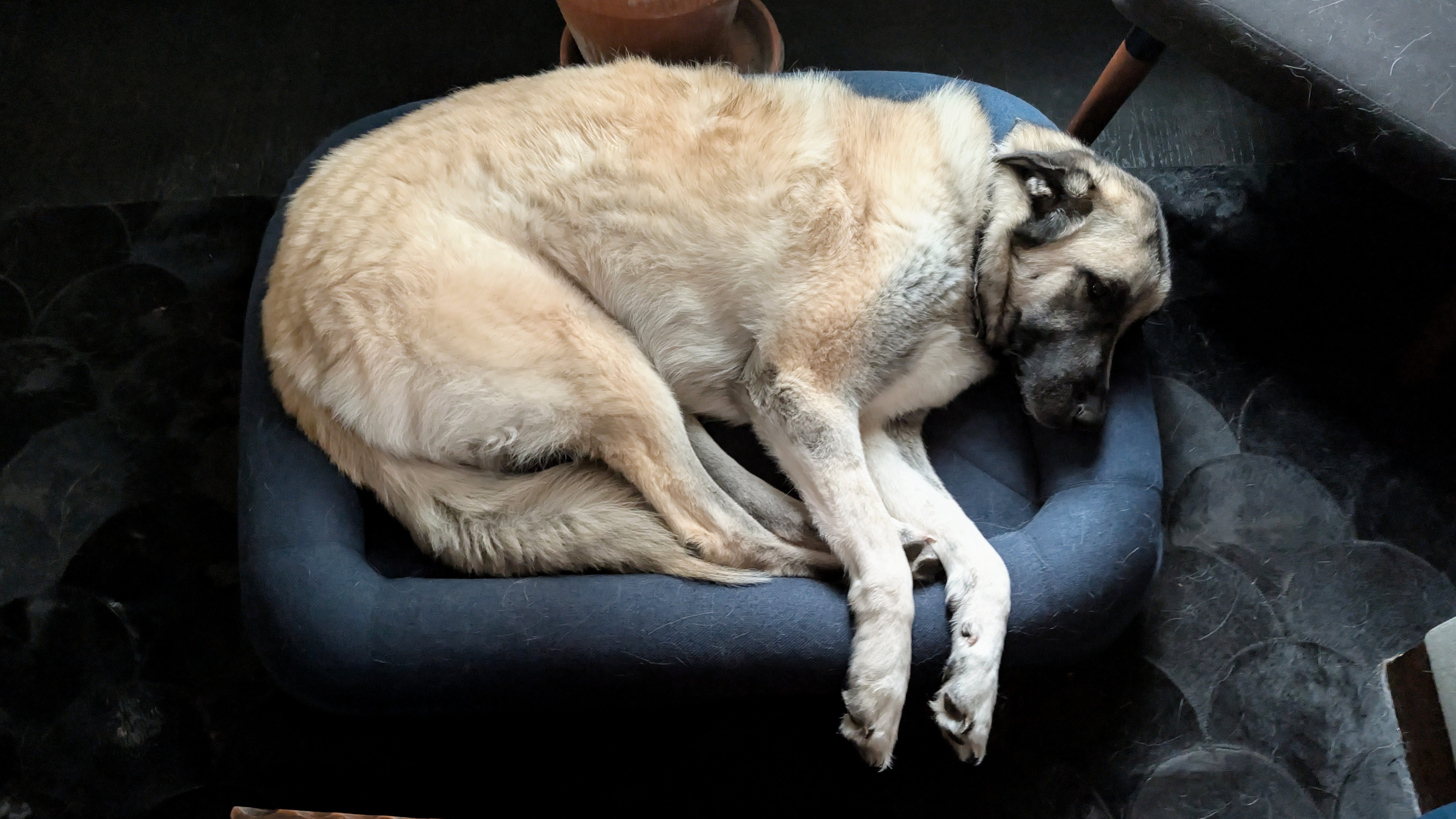
The most accurate way to decide what size dog bed for 75 pound dog is needed is to measure the dog while relaxed. Weight gives you a general idea, but body length and sleeping posture give you a much better answer.
Follow these simple steps:
- Wait until your dog is lying in its usual sleeping position.
- Measure from the tip of the nose to the base of the tail.
- Measure across the widest part of the body.
- Add 6 to 12 inches to both measurements.
- Compare the final numbers with the bed’s inner dimensions.
For example, if your dog measures 36 inches from nose to tail base, a bed that is 42 to 48 inches long may work well. If the dog sleeps stretched out, use the larger option.
Do not measure to the end of the tail. The tail does not need full support, and including it can lead to buying an unnecessarily large bed.
Add Room for Sleeping Style
A curled-up sleeper needs less room than a dog that sleeps like a starfish. Watch your dog for a few nights and note how much space the body uses.
Choose extra space if your dog:
• Sleeps on its side with its legs extended
• Changes positions many times at night
• Shares the bed with another pet
• Likes to rest its head on a raised edge
• Has stiff joints or reduced mobility
in my experience helping people choose beds for large dogs, the most common mistake is measuring only the dog’s standing height. A dog may look compact while standing but take up much more room when fully relaxed.

Why Weight Alone Does Not Determine Bed Size
The question “what size dog bed for 75 pound dog” cannot be answered by weight alone because dogs have different body shapes. Weight is useful for narrowing the choices, but it should not be the only measurement.
Consider these examples:
• A 75-pound Labrador may need a 42-by-32-inch bed.
• A 75-pound Greyhound may need a longer 48-by-36-inch bed.
• A 75-pound Bulldog may prefer a wide bed with a lower entrance.
• A 75-pound German Shepherd may need extra length and firm support.
A dog’s age also changes the choice. Young dogs often move around, stretch, and play on their beds. Older dogs may need a firm orthopedic mattress with enough room to turn without pressure on sore joints.
A bed that is too small can force awkward sleeping positions. A bed that is too large may feel less secure, especially for dogs that like to curl up. The goal is not to buy the biggest bed available. The goal is to provide enough room without losing comfort.
Recommended Bed Dimensions by Sleeping Style
Your dog’s favorite sleeping position is one of the best clues for choosing what size dog bed for 75 pound dog.
For Dogs That Curl Up
A curled-up dog may be comfortable on a 40-by-30-inch bed. A circular bed with a 40-inch diameter can also work well.
Look for soft sides if your dog enjoys resting against a bolster. The inner space should still allow the dog to turn around without touching the edges.
For Dogs That Sleep on Their Side
Side sleepers need more length than curled-up sleepers. A bed measuring 42 by 32 inches is a sensible minimum for many 75-pound dogs.
Measure from the dog’s nose to its tail base while lying flat. Add several inches so the paws and head do not hang over the edge.
For Dogs That Sprawl
Sprawlers need the most space. A 48-by-36-inch rectangular mattress is often a better fit than a round or heavily bolstered bed.
A flat mattress gives the dog more usable surface. This can be especially helpful for large breeds, senior dogs, and dogs with hip or elbow discomfort.
For Dogs That Burrow or Nest
Dogs that burrow may prefer a cave-style bed or a bed with a blanket. Make sure the entrance is wide enough and does not force the dog to squeeze through.
Choose a design with good airflow and easy access. Avoid enclosed beds that trap heat if your dog has a thick coat or tends to overheat.

The Best Dog Bed Types for a 75-Pound Dog
When deciding what size dog bed for 75 pound dog, also consider the bed’s construction. A large bed is not always a supportive bed.
Orthopedic Foam Beds
Orthopedic beds often use high-density foam or memory foam. They can help distribute body weight and reduce pressure on joints.
These beds are useful for older dogs, dogs with arthritis, and breeds prone to hip problems. Look for a firm base that does not flatten completely when your dog lies down.
A thin layer of soft filling may feel comfortable at first but can compress quickly under a 75-pound dog. Support matters more than a fluffy appearance.
Bolster Beds
Bolster beds have raised sides that give dogs a place to rest their heads. They can help dogs feel secure and may suit dogs that like to lean against something.
The main limitation is reduced sleeping space. A 48-inch bolster bed may have only 36 inches of flat interior space, so check the measurements carefully.
Flat Mattress Beds
Flat beds provide the most usable space. They are a strong choice for dogs that stretch out, move often, or have trouble stepping over raised edges.
They are also easier for senior dogs to enter. A low profile can reduce the need to climb, lift the legs, or twist the body.
Elevated Beds
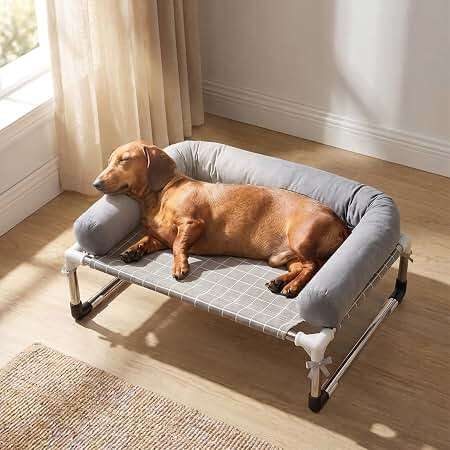
Elevated beds allow air to move beneath the sleeping surface. They can be useful in warm homes, outdoor areas, or for dogs that enjoy a firm surface.
Check the frame and fabric weight rating. A 75-pound dog needs a strong frame that does not sag or wobble.
Waterproof or Washable Beds
Waterproof liners and removable covers are practical for puppies, older dogs, and dogs with allergies. Look for machine-washable fabric and a zipper that feels sturdy.
A washable cover does not make a bed indestructible. Dogs that chew may damage foam, fabric, and zippers, so inspect the bed often.
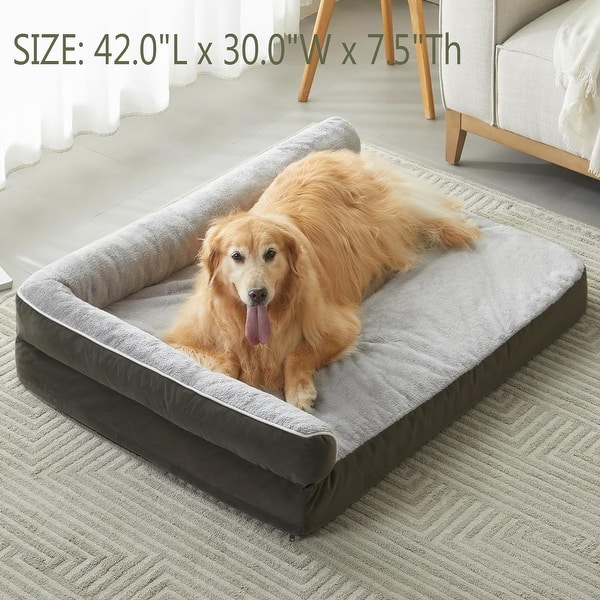
Features to Look for in a Large Dog Bed
The right answer to what size dog bed for 75 pound dog includes comfort, safety, and durability. Pay attention to the details below.
• Firm support: The bed should compress slightly but not sink to the floor.
• A non-slip base: This helps prevent sliding on hardwood, tile, or laminate floors.