What Are Dog Beds Made Of: Materials Explained
Learn what are dog beds made of, from memory foam to cotton and polyester, and find the best materials for your dog’s comfort and health.
Dog beds are usually made of washable fabric covers, foam or fiber filling, and a non-slip waterproof base.
If you have ever wondered what are dog beds made of, the answer depends on the bed’s purpose, your dog’s size, and its health needs. A puppy may need a tough, washable bed, while an older dog may benefit from memory foam and strong joint support. This guide explains each material, its benefits, its limits, and how to choose a safe bed that fits real life.

What Are Dog Beds Made Of?
Most dog beds have three main parts: an outer cover, an inner filling, and a bottom layer. Each part has a different job. The cover protects the filling, the filling gives comfort, and the base keeps the bed stable and dry.


When people ask what are dog beds made of, they often mean the soft part inside. Yet the cover and base matter just as much. A poor cover can tear, trap odors, or shrink in the wash, even if the filling is excellent.
Common dog bed materials include:
• Polyester fabric for low cost and easy cleaning
• Cotton or canvas for a soft, natural feel
• Microfiber for a smooth, cozy surface
• Polyester fiberfill for light cushioning
• Shredded foam for flexible support
• Memory foam for pressure relief
• Solid orthopedic foam for older or larger dogs
• Rubber, silicone, or PVC for non-slip and waterproof bases
• Wool, hemp, or recycled fibers for some eco-friendly designs


The best material is not always the softest one. A bed should support your dog without becoming too hot, difficult to clean, or easy to destroy.
Dog Bed Covers: The Outer Material
The cover is the part your dog touches most. It also takes the most abuse from claws, dirt, drool, hair, and repeated washing. For this reason, a removable cover with a strong zipper is often more useful than a bed with extra-thick padding.
Polyester
Polyester is one of the most common dog bed fabrics. It is strong, affordable, and usually dries fast. Many polyester covers also resist stains better than loosely woven fabrics.
Its main weakness is heat. Some polyester fabrics do not breathe well, so they may feel warm in summer. A tight weave can also hold hair, although smooth microfiber polyester is often easier to vacuum.
Cotton
Cotton feels soft and allows good airflow. It works well for dogs that prefer natural-feeling fabric or sleep indoors in a cool room.
However, cotton can absorb moisture. It may also shrink if washed in hot water or dried at high heat. Look for pre-shrunk fabric and follow the care label closely.
Canvas and denim
Canvas and denim are thicker than standard cotton. They can handle digging and nesting better than many soft fabrics. These materials suit active dogs and pets that tend to scratch before lying down.
The tradeoff is comfort. A canvas cover may feel firm unless it has a soft lining or thick cushion beneath it.
Microfiber and faux suede
Microfiber and faux suede feel smooth and warm. They are popular in plush beds because they create a cozy sleeping surface.
These fabrics can collect hair and may show dirt quickly. Still, many are easy to clean with a vacuum and gentle machine wash.
Fleece and sherpa
Fleece and sherpa provide warmth for small dogs, short-haired breeds, and pets that sleep in cool rooms. They are soft, but they can trap heat and moisture.
Avoid very loose, fluffy fibers if your dog chews fabric. Loose threads can become a choking or intestinal hazard if swallowed.

What Is Inside a Dog Bed?
The filling controls how a dog bed feels and how well it supports the body. Some fillings give a soft, sinking feel. Others spread weight across the surface and help reduce pressure on the hips, shoulders, and elbows.
Knowing what are dog beds made of inside helps you match the bed to your dog’s needs instead of choosing by appearance alone.


Polyester fiberfill
Polyester fiberfill is light, inexpensive, and common in pillow-style beds. It creates a soft, fluffy cushion that many dogs enjoy.
The problem is compression. Fiberfill can flatten over time, especially under a large dog. It may also form lumps after washing if the bed does not have stitched sections or evenly distributed filling.
Shredded foam
Shredded foam gives a flexible, cushioned feel. It can conform to the dog’s body better than loose fiberfill and often provides more support.
The pieces may shift inside the cover. A bed with an inner liner helps contain the foam and makes washing easier. Foam should also be protected from chewing, since some dogs may tear open the cover.
Solid foam
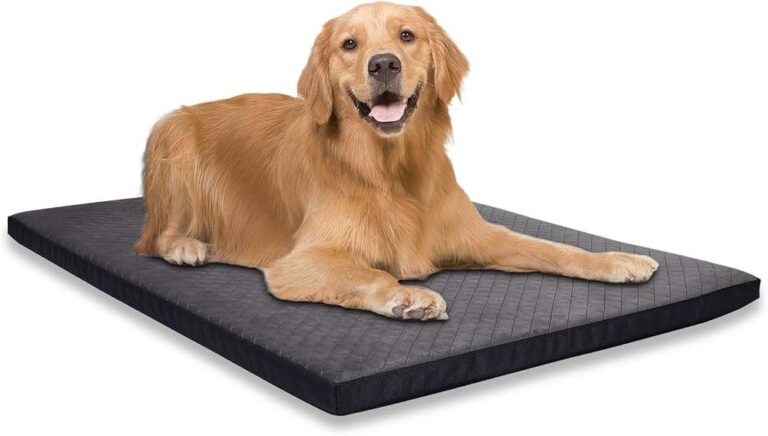
Solid foam provides a more stable sleep surface. It is often used in orthopedic dog beds because it supports the body without allowing the dog to sink too deeply.
A high-density foam bed usually lasts longer than low-density foam. However, density and firmness are not the same. A very firm bed may not feel comfortable for every dog.
Memory foam
Memory foam responds to body heat and pressure. It can cushion joints and spread weight more evenly. This makes it a common choice for senior dogs, dogs with arthritis, and pets recovering from orthopedic problems.
Memory foam can retain heat. Some beds add gel beads, ventilated channels, or cooling covers to improve airflow. These features may help, but no material can replace a cool room and access to water.
Egg-crate foam
Egg-crate foam has ridges and valleys that allow some airflow. It is lighter and often less expensive than a thick solid foam slab.
It can provide useful cushioning, but the ridges may wear down faster under heavy use. Check the foam after several months for sagging or uneven areas.
Latex foam
Latex is springy and resilient. It can provide support without the deep sinking feel of memory foam. Natural latex is also resistant to dust mites, although the full bed may still collect allergens in its cover.
Latex beds can cost more. They may also have a noticeable smell when new, so air the bed in a well-ventilated area before use.
Cedar and other natural fillings
Some traditional beds use cedar chips, wool, cotton batting, or other plant and animal fibers. Cedar may help control odor, but it does not replace washing and can irritate some pets.
Natural fillings vary greatly in quality. Choose products with clear material labels and avoid loose fillings that your dog can reach and swallow.


What Are Orthopedic Dog Beds Made Of?
Orthopedic dog beds are usually made with high-density foam, memory foam, latex, or a combination of these materials. They are designed to support the spine and reduce pressure on joints.
A good orthopedic bed should stay fairly level when your dog lies down. If the hips sink to the floor, the bed is too soft or too thin. If your dog refuses to use it, the surface may be too firm, too hot, or unfamiliar.
Look for these features:
• At least several inches of supportive foam for medium and large dogs
• A flat, stable sleep surface
• A washable cover
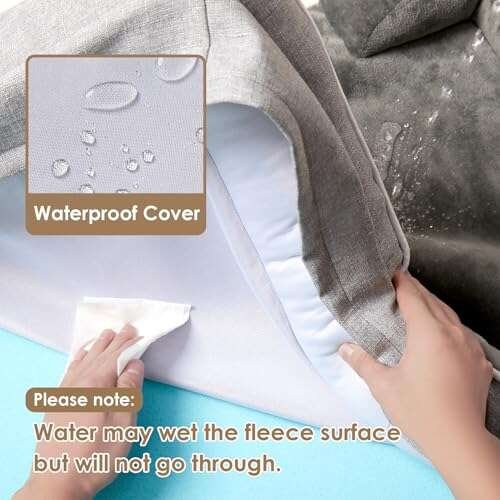
• An inner waterproof liner
• A low entry edge for senior or injured dogs
• A bolstered edge if your dog likes to rest its head
• Enough space for your dog to stretch fully
Orthopedic does not always mean medical. A dog bed cannot treat arthritis, hip dysplasia, or injury. If your dog shows stiffness, limping, pain, or trouble rising, ask a veterinarian for advice.
What Are Waterproof Dog Beds Made Of?
Waterproof dog beds usually combine a water-resistant cover, a waterproof liner, and foam or fiber filling. The outer fabric may be coated with polyurethane, TPU, PVC, or another protective layer.
Water-resistant means the material slows liquid. Waterproof means liquid should not pass through under normal use. These terms are not always used consistently, so inspect the product details before buying.
Waterproof beds help with:
• Puppy accidents
• Drool
• Wet paws
• Outdoor use
• Dogs with incontinence
• Mud and rain
A waterproof cover can feel less breathable than cotton or mesh. For indoor use, a bed with a removable waterproof liner may offer a better balance between protection and comfort.

What Are Cooling Dog Beds Made Of?
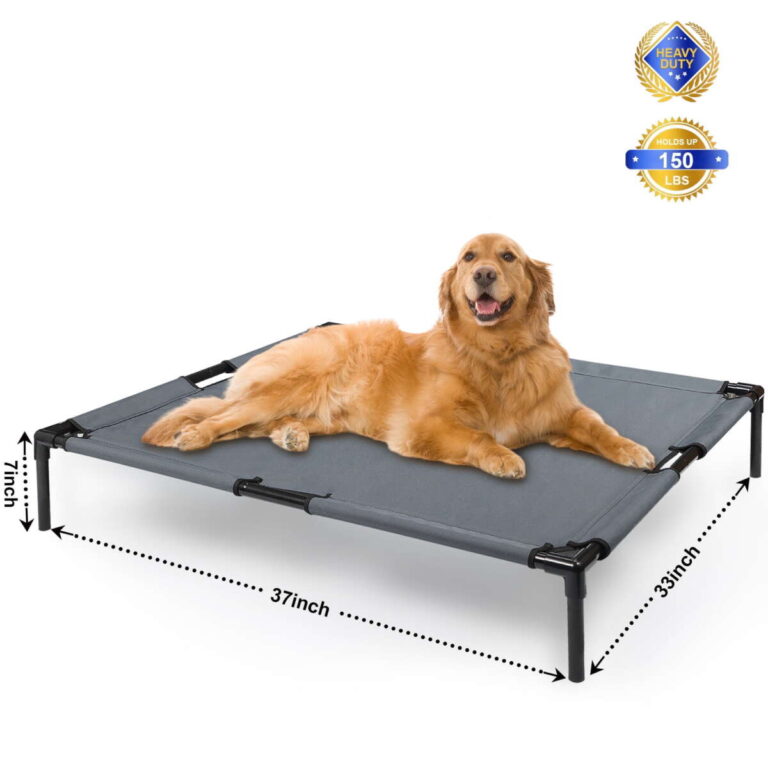
Cooling dog beds are made from materials that improve airflow or absorb and release heat. Common designs include elevated mesh beds, gel-filled mats, water-filled mats, and breathable foam beds.
Elevated mesh beds
These beds use a strong fabric mesh stretched across a metal or plastic frame. Air moves below the dog, which can help on hot days.
They are easy to clean and useful outdoors. However, they may not offer enough pressure relief for a senior dog unless a soft pad is added.
Gel cooling beds
Gel mats contain a pressure-activated gel. They do not require electricity and are often easy to wipe clean.
Gel mats should be checked for punctures. A dog that chews may damage the surface and reach the gel. Use them only as directed and stop use if the cover becomes damaged.
Water-filled mats
Water beds can feel cool and conform to the body. They may be helpful in very warm conditions.
They are heavier and can leak if punctured. Place them on a smooth surface and keep them away from sharp claws or chewing pets.
Cooling foam
Some foam beds use ventilated designs or cooling gel in the foam. These beds may provide more support than a flat mat.
Cooling foam does not make a hot room safe by itself. Your dog still needs shade, fresh water, airflow, and protection from heat stress.
What Are Dog Beds Made Of for Outdoor Use?
Outdoor dog beds are often made of coated polyester, solution-dyed acrylic, vinyl, mesh, aluminum, or molded plastic. These materials resist moisture, sunlight, and dirt better than many indoor fabrics.
A raised outdoor bed keeps the dog off hot, cold, wet, or dirty ground. It also improves airflow beneath the body. Look for rust-resistant frames and fabric that is tightly attached.
Outdoor beds still need care. Bring them inside during severe weather, dry them fully after rain, and inspect the frame for sharp edges. Never assume a water-resistant bed is mold-proof if it stays damp.
Are Dog Bed Materials Safe?
Most reputable dog beds use materials intended for household pet use. Safety depends on more than the fabric itself. Construction, dyes, adhesives, zippers, foam quality, and your dog’s chewing habits all matter.
When considering what are dog beds made of, check for:
• A clear materials label
• Strong stitching
• A zipper that stays closed
• No loose threads or exposed foam
• No strong chemical smell that lasts for days
• A non-slip base that does not shed flakes
• A cover that can be washed as directed
Fire-retardant chemicals, stain treatments, and fragrances may bother sensitive dogs. A strong smell does not prove that a bed is dangerous, but it is a reason to air the product and contact the manufacturer.
Avoid beanbag-style fillings, loose foam pieces, and small parts if your dog chews. Swallowed fabric or foam can cause choking or intestinal blockage. Seek urgent veterinary help if your dog swallows a large piece or shows vomiting, weakness, belly pain, or loss of appetite.
How to Choose the Best Dog Bed Material
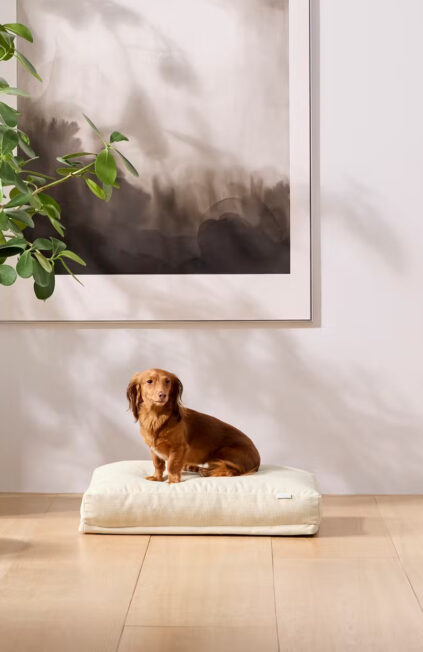
The right bed depends on your dog’s age, size, habits, and health. Start with behavior rather than color or design.
Use this simple process:
-
Measure your dog from nose to tail while it is stretched out.
-
Add about 6 to 12 inches for comfortable movement.
-
Watch how your dog sleeps. A curled dog may like a bolster, while a sprawled dog needs a flat mattress.
-
Consider age and joint health. Older dogs often need stable, supportive foam.
-
Consider chewing and digging habits. Choose canvas, reinforced seams, and hidden zippers for destructive chewers.
-
Check the care instructions. A bed that cannot be cleaned is a poor choice for many homes.
-
Match the bed to the climate. Choose breathable materials for hot areas and warm fleece or padded fabric for cold rooms.
-
Inspect the base. A non-slip bottom helps prevent sliding on wood, tile, and vinyl floors.
As a practical rule, the bed should be soft enough for comfort but firm enough to support the body. Your dog should be able to stand up without struggling and should not touch the floor when lying down.
One common mistake is buying a very plush bed for a large dog with joint pain. The bed may look luxurious, but deep, loose filling can make movement harder. A supportive foam base with a soft washable cover is often the better choice.

How to Clean and Maintain Dog Bed Materials
Cleaning needs depend on the material. Always follow the manufacturer’s care label, since heat can damage foam, coatings, and zippers.
Use these care habits:
• Vacuum hair and crumbs at least once a week
• Wash removable covers regularly
• Use fragrance-free detergent for sensitive dogs
• Avoid bleach unless the label allows it
• Dry the cover fully before putting it back
• Wipe waterproof surfaces instead of soaking them
• Air out foam rather than placing it in a hot dryer
• Inspect seams, zippers, and foam every few weeks
Wash more often if your dog has allergies, accidents, skin problems, or heavy outdoor exposure. A waterproof liner can protect the filling and reduce odor.
Do not mask odor with sprays. Persistent odor may mean moisture has reached the foam. In that case, cleaning may not be enough, and replacing the inner cushion may be safer.

Dog Bed Materials and Environmental Impact
Dog beds can contain synthetic fabrics and foam made from petroleum-based materials. These options are often durable and affordable, but they may be difficult to recycle at the end of their life.
Some brands use recycled polyester, recycled plastic bottles, organic cotton, hemp, natural latex, or recycled foam. These materials may reduce the use of new resources, but environmental claims vary.
Look beyond labels such as “green” or “natural.” Ask:
• Is the cover replaceable?
• Can the bed be repaired?
• Does the product have a clear materials list?
• Is the foam certified or tested?
• Can the packaging be recycled?
A durable bed that lasts for years may create less waste than a cheap bed that must be replaced every few months. The most sustainable choice is often a safe, washable bed that fits your dog well and does not need frequent replacement.

Frequently Asked Questions About What Are Dog Beds Made Of
What is the best material for a dog bed?
High-density foam with a washable polyester, cotton, or microfiber cover is a strong choice for many dogs. Older dogs often benefit from memory foam or orthopedic foam, while healthy dogs may do well with fiberfill or standard foam.
Are dog beds made of memory foam safe?
Memory foam is generally safe when it is enclosed in a durable cover and kept away from chewing dogs. Do not allow your dog to eat foam, and replace the bed if the foam becomes exposed or damaged.
What is the soft filling in dog beds?
The soft filling is often polyester fiberfill, shredded foam, cotton batting, wool, or a blend of these materials. Fiberfill is fluffy but can flatten, while foam usually offers more stable support.
Are cotton dog beds better than polyester dog beds?
Cotton is breathable and soft, but it absorbs moisture and may shrink. Polyester is often stronger, easier to dry, and more stain-resistant, so the better choice depends on your dog’s habits and your cleaning needs.
What are waterproof dog beds made of?
Waterproof dog beds usually have coated polyester, vinyl, TPU, or polyurethane layers. Many also include a waterproof inner liner that protects foam or fiber from urine, drool, and wet paws.
Are cooling dog beds safe for dogs?
Cooling beds can be safe when used as directed and kept free from punctures. Inspect gel and water-filled mats often, especially if your dog chews, and never rely on a cooling bed alone during dangerous heat.
How thick should a dog bed be?
The right thickness depends on your dog’s size, weight, and joint health. Large or older dogs often need several inches of supportive foam so their hips and shoulders do not press against the floor.
Conclusion
Dog beds are made from a mix of cover fabric, cushioning, and a protective base. Polyester, cotton, canvas, fiberfill, memory foam, latex, mesh, and waterproof coatings each offer different benefits. The best choice balances comfort, support, safety, durability, climate, and ease of cleaning.
When deciding what are dog beds made of, focus on your dog’s real needs. Choose stable support for older dogs, tough fabric for chewers, breathable materials for hot weather, and washable covers for everyday messes. Check the bed often, replace damaged parts, and share your dog bed experience or questions in the comments.

Pet Care Writer & Researcher
Daniel writes practical guides on daily care, feeding, and safety, turning complex topics into simple, actionable advice.