Why Get An Elevated Dog Bed: Key Benefits
Wondering why get an elevated dog bed? Learn how it improves comfort, airflow, cleanliness, and joint support for a happier, healthier pet.
An elevated dog bed keeps your dog cooler, cleaner, drier, and better supported than many floor-level beds.
If you are wondering why get an elevated dog bed, the answer goes beyond style. A raised cot can improve airflow, reduce contact with cold or damp floors, and give your dog a firm place to rest. After comparing different dog beds and seeing how dogs use them at home, I have found that the best results come from matching the bed to your dog’s size, age, health, and daily habits.
What Is an Elevated Dog Bed?
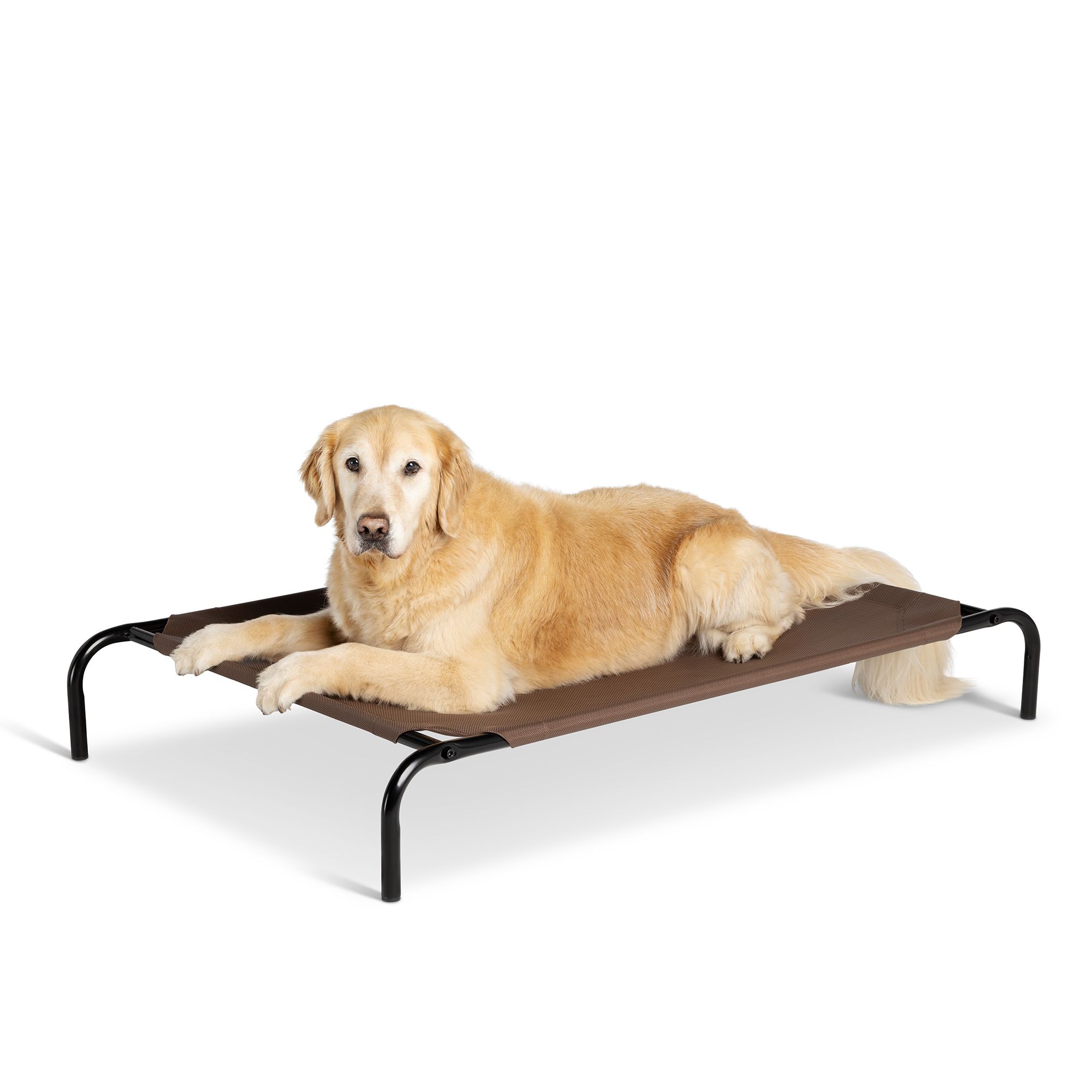
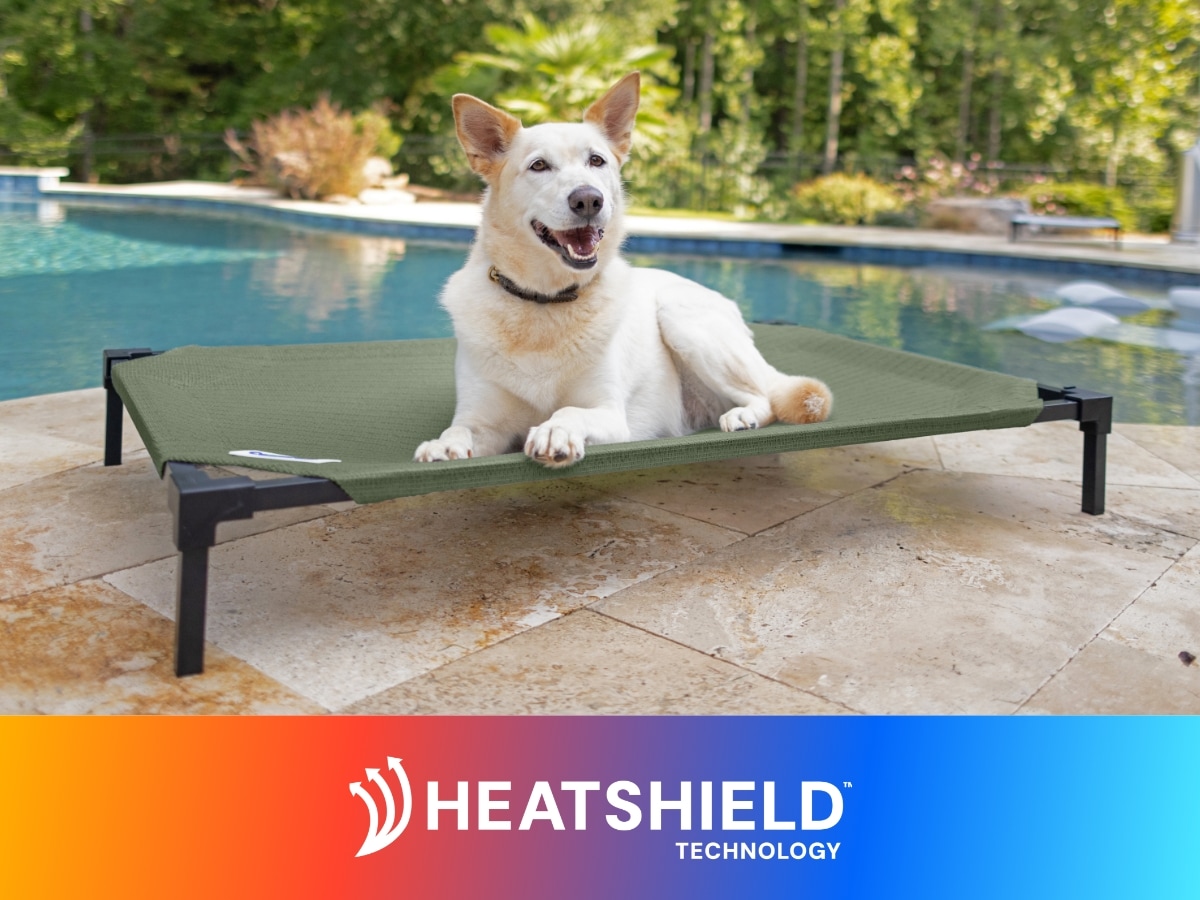
An elevated dog bed is a sleeping surface raised above the floor by a frame or set of legs. Most models use a breathable fabric, mesh, or tightly woven cot surface. Some have padded mats or cushions on top for extra comfort.


Unlike a traditional plush bed, an elevated dog bed does not sit directly on the floor. This small change can make a big difference in comfort, hygiene, and temperature control.
Common types include:
• Portable raised cots for travel, camping, and outdoor use
• Aluminum or steel-frame beds for daily use
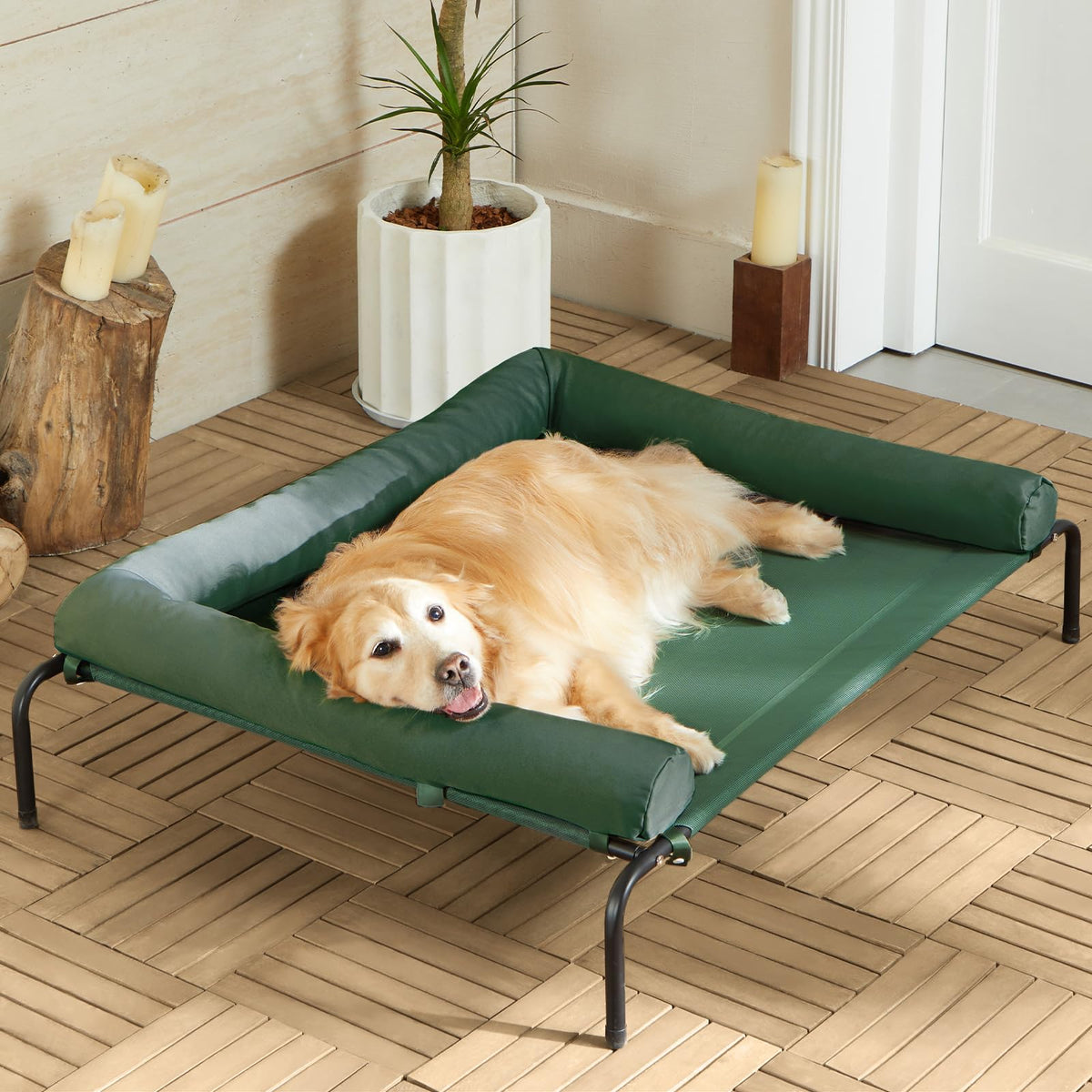
• Indoor elevated beds with soft cushions
• Chew-resistant beds made for strong or destructive dogs
• Orthopedic raised beds with firm support for older dogs
When asking why get an elevated dog bed, it helps to understand that no single design suits every dog. A small indoor dog may enjoy a soft raised bed, while a large dog that spends time outdoors may need a strong frame and waterproof fabric.

Why Get an Elevated Dog Bed?
There are several practical reasons to choose a raised dog bed. The biggest benefits relate to airflow, cleanliness, joint support, and ease of care.
1. Better Airflow and Temperature Control
Air can move under an elevated dog bed. This helps prevent heat from building up around your dog’s body. It can be especially helpful in warm homes, hot climates, or rooms with poor air movement.
Dogs do not cool themselves in the same way people do. They mainly pant and release heat through areas such as the paw pads. A breathable raised surface may help your dog feel less hot during rest, though it cannot replace shade, water, or air conditioning during extreme heat.
This is one of the clearest answers to why get an elevated dog bed for summer. The open space below allows heat to escape instead of trapping it between the dog and the floor.
2. Less Contact With Cold, Damp, or Hard Floors
Cold floors can feel uncomfortable, especially for puppies, thin-coated dogs, senior dogs, and dogs with joint pain. A raised bed creates a layer of space between your dog and the floor.
The bed will not cure arthritis or other medical problems. However, it may offer a more comfortable resting area than tile, concrete, or bare wood. If your dog struggles to stand, limps, or seems painful, speak with a veterinarian before choosing a bed as a treatment.


3. Improved Hygiene
A dog bed placed on the floor can collect dust, hair, dirt, and moisture. An elevated dog bed has less direct contact with this debris. Many models also have removable fabric that can be wiped or washed.
This does not mean a raised cot stays clean on its own. Regular cleaning is still important. Dirt can collect on the frame, and hair can gather under the bed.
For homes with muddy paws, shedding dogs, or multiple pets, a washable raised bed can make daily cleaning much easier.
4. A Firm and Even Sleeping Surface
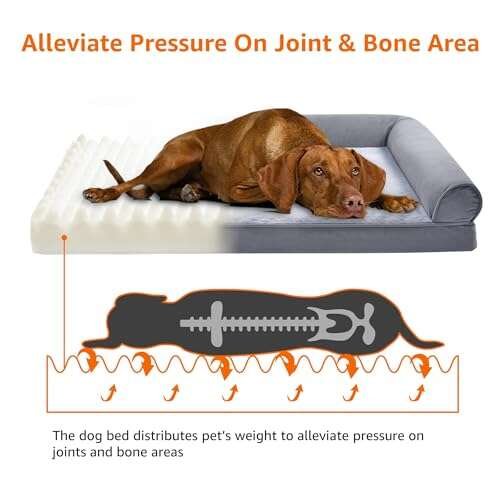
Many dogs sink deeply into soft beds. Some enjoy that feeling, but others have trouble getting up from it. An elevated dog bed usually provides a flatter, more stable surface.
This firm support may help distribute body weight more evenly. It can also make it easier for older dogs to rise after resting. The right level of firmness depends on the dog. A very hard surface may not feel comfortable to a thin or sensitive dog.
5. Useful Support for Outdoor Rest
Raised dog beds are popular for patios, porches, garages, and camping trips. They help keep dogs away from wet grass, cold concrete, and dirty ground.
For outdoor use, look for these features:
• Rust-resistant metal or durable plastic legs
• UV-resistant fabric
• Water-resistant or quick-drying material
• Non-slip feet
• Strong stitching and reinforced corners
• A weight rating that exceeds your dog’s body weight
Never leave a dog unattended on an unstable bed. Outdoor wind, uneven ground, and chewing can create safety problems.

Health Benefits and Comfort Considerations
An elevated dog bed can support comfort, but it should not be viewed as a medical device. Your dog’s age, body shape, health, and sleeping style all matter.
Joint and Mobility Support
Senior dogs often need a bed that is easy to enter and leave. A raised bed with a low profile may reduce the effort needed to stand. A stable surface can also help prevent the awkward sinking that happens in some plush beds.
For dogs with arthritis, hip problems, or spinal conditions, ask your veterinarian what type of support is best. Some dogs need a supportive orthopedic foam bed instead of a suspended cot.
Skin and Coat Health
A breathable bed may reduce moisture near the skin. This can be useful for dogs that get hot or damp after exercise. It may also help keep the coat from staying wet after a walk in the rain.
Still, skin irritation can have many causes. Allergies, parasites, infection, and poor grooming may all play a role. A new bed cannot solve these problems by itself.


Rest for Anxious Dogs
Some dogs like the clear boundary of a raised bed. It can become a familiar personal space, much like a favorite chair. Place the bed in a quiet area where your dog can still see the family.
Other dogs may dislike the movement or height. Introduce the bed slowly with treats and praise. Never force a nervous dog onto it.

Elevated Dog Bed vs. Traditional Dog Bed
Both raised and floor-level beds can be good choices. The better option depends on your dog and your home.
Advantages of an Elevated Dog Bed
• Promotes airflow around the body
• Keeps dogs away from damp or dirty floors
• Often dries faster after cleaning
• Can be easier to wipe and maintain
• Provides a stable sleeping platform
• Works well outdoors and during travel
• Usually takes up less floor-level space for dirt and hair
Advantages of a Traditional Dog Bed
• Offers more warmth in cold weather
• May feel softer for dogs that like to nest
• Can provide extra cushioning for thin dogs
• Often feels more secure for small or nervous dogs
• May be better for dogs that dislike movement
Some dogs do best with both. You might use an elevated cot during the day and a padded bed at night. In colder months, add a safe blanket or cushion only if it fits securely and does not block airflow or create a chewing risk.

How to Choose the Best Elevated Dog Bed
Knowing why get an elevated dog bed is only the first step. Choosing the right model requires careful attention to size, material, safety, and maintenance.
Measure Your Dog
Measure your dog from nose to the base of the tail. Then measure across the widest part of the body. Add several inches to both measurements so your dog can stretch and turn.
A bed that is too small may cause your dog to hang over the edge. A bed that is too large may feel less secure, especially for a small dog.
Check the Weight Capacity
Choose a bed rated well above your dog’s current weight. Extra capacity helps account for movement when your dog jumps onto the bed or shifts during sleep.
For homes with two dogs, do not assume a single-dog rating is enough. Add their weights and choose a stronger model.
Pick a Safe Height
A very tall bed may be hard for a small, old, or injured dog to use. A low raised bed is often safer for dogs with limited mobility.
Look for stable legs and a frame that does not wobble. Rounded edges can reduce the chance of cuts or scrapes.


Select the Right Fabric
Mesh allows strong airflow and dries quickly. However, some mesh can feel rough or stretch over time. Tight fabric may offer a smoother feel but can hold more heat.
Consider your dog’s habits:
• For hot weather, choose breathable mesh
• For heavy chewers, choose reinforced fabric and strong hardware
• For muddy dogs, choose washable and quick-drying materials
• For older dogs, choose a surface that provides grip
Consider Indoor and Outdoor Use
Not every elevated dog bed is made for outdoor conditions. Indoor fabric may fade, grow mildew, or weaken in sunlight and rain.
If the bed will stay outside, check its care instructions. Store it during storms, inspect the frame often, and dry it fully after cleaning.

Common Mistakes to Avoid
When people ask why get an elevated dog bed, they often focus on the benefits and overlook setup. A good bed can still fail if it is the wrong size or placed in the wrong location.
Buying a Bed That Is Too Small
Dogs need room to change positions. Watch your dog sleep before you buy. If your dog sprawls, choose a larger surface. If your dog curls tightly, a smaller bed may feel more secure.
Choosing Style Over Stability
A stylish bed is not useful if it slides, tips, or bends. Test the frame before allowing your dog to use it. Place it on a flat surface and check each leg.
Ignoring the Fabric Texture
Some dogs refuse beds with rough or noisy fabric. Let your dog investigate the material before fully switching from an old bed.
Skipping Regular Inspections
Look for loose screws, stretched fabric, cracked plastic, and sharp edges. A damaged bed can lead to falls or torn nails.
Using a Raised Bed in Extreme Cold
An elevated cot may improve airflow, but that same airflow can make it feel colder in winter. Add warmth safely or use a padded floor-level bed when temperatures drop.
Expecting the Bed to Solve Pain
A new bed may improve rest, but it cannot diagnose or treat disease. Contact a veterinarian if your dog shows stiffness, limping, repeated licking, trouble climbing stairs, or a sudden change in sleep.
How to Help Your Dog Use an Elevated Bed
Some dogs climb onto a raised bed right away. Others need time. A calm introduction works best.
-
Place the bed near a spot your dog already enjoys.
-
Put a familiar blanket or toy on the surface.
-
Reward your dog for looking at, sniffing, or touching the bed.
-
Use a treat to guide your dog onto the bed without pushing.
-
Give praise when your dog stays there calmly.
-
Keep the first sessions short and positive.
-
Move the bed to its permanent location after your dog accepts it.
I have seen owners make one common mistake: they place the new bed in a busy walkway and assume the dog dislikes the bed. Often, the real problem is the location. Dogs usually rest better in a quiet spot with a clear view of the room.

Cleaning and Maintaining an Elevated Dog Bed
A clean bed protects comfort and helps reduce odor. Follow the care label, since fabric and frame materials vary.
Use these simple habits:
• Remove hair several times each week
• Wash removable fabric as directed
• Wipe the frame with mild soap and water
• Dry every part before reassembly
• Check screws and joints each month
• Inspect for chew damage
• Keep the bed away from standing water
• Replace fabric that is torn or badly stretched
Avoid harsh cleaners unless the manufacturer allows them. Strong chemicals may irritate your dog’s skin or damage the fabric.
If your dog has fleas, skin disease, vomiting, or diarrhea, clean the bed and surrounding area carefully. Ask a veterinarian about the best cleaning plan for contagious conditions.
Is an Elevated Dog Bed Right for Every Dog?
No. The answer to why get an elevated dog bed depends on the individual dog.
A raised bed may be a strong choice for:
• Dogs that overheat easily
• Dogs that spend time outdoors
• Dogs living in warm or humid areas
• Dogs that dislike damp floors
• Dogs that need a firm, stable surface
• Families that want easy cleaning
It may not be the best first choice for:
• Very young puppies that chew everything
• Dogs that fear unstable surfaces
• Dogs with severe mobility problems
• Very thin dogs that need deep cushioning
• Dogs that need medical orthopedic support
For a puppy, choose a durable model and supervise use. For a senior dog, focus on easy access and stability. For a dog with diagnosed joint disease, combine your veterinarian’s advice with careful product selection.
Frequently Asked Questions About Why Get an Elevated Dog Bed
Are elevated dog beds good for dogs?
Yes, elevated dog beds can be good for many dogs because they provide airflow, firm support, and separation from dirty or damp floors. The bed should be stable, correctly sized, and suitable for the dog’s age and health.
Do elevated dog beds help dogs stay cool?
They can help by allowing air to move beneath the sleeping surface. However, an elevated dog bed does not prevent heatstroke, so dogs still need shade, fresh water, and a cool area during hot weather.
Are elevated dog beds good for dogs with arthritis?
They may help some dogs because a firm surface can make getting up easier. Dogs with arthritis may also need an orthopedic cushion, medical care, and a low bed height, so ask a veterinarian for personalized advice.
Can puppies use elevated dog beds?
Puppies can use them, but supervision is important. Choose a strong bed with no loose parts, and watch for chewing that could damage the fabric or create a choking hazard.
Are elevated dog beds safe for outdoor use?
Many are designed for patios, yards, and camping, but safety depends on the model and conditions. Use a stable bed on level ground, protect it from severe weather, and inspect it for rust, damage, or loose parts.
How high should an elevated dog bed be?
The bed should be high enough to allow airflow but low enough for your dog to step onto it safely. Small, senior, or mobility-limited dogs often need a lower model than large, active dogs.
How do you clean an elevated dog bed?
Remove hair, wash the fabric according to the care label, and wipe the frame with mild soap and water. Let every part dry fully before your dog uses the bed again.
Conclusion
An elevated dog bed can give your dog a cooler, cleaner, and more stable place to rest. It may work especially well for warm climates, outdoor use, messy homes, and dogs that prefer a firm surface. Still, the best choice depends on your dog’s size, age, health, habits, and comfort.
Measure your dog, check the weight rating, choose safe materials, and introduce the bed with patience. If you are still deciding why get an elevated dog bed, start by watching where and how your dog sleeps. Then choose a well-built model that supports those real needs, and share your experience or explore more dog-care resources to make your pet’s rest even better.

Pet Care Writer & Researcher
Daniel writes practical guides on daily care, feeding, and safety, turning complex topics into simple, actionable advice.