Can You Wash A Foam Dog Bed: Safe Cleaning Guide
Can you wash a foam dog bed? Learn safe cleaning steps, drying tips, and easy ways to remove odors without damaging the foam.
Introduction
Yes, you can wash a foam dog bed, but you should not put the foam insert in a washing machine unless the care label says it is machine washable. Most removable covers can go in a U.S. washer. The foam inside usually needs gentle spot cleaning, hand washing, and slow air drying.
The safest method is simple: remove the cover, clean the foam with mild soap and cool or lukewarm water, press out moisture without wringing, and let every part dry fully before your dog uses the bed again. A damp foam bed can develop mold or mildew and may smell worse than before.
Can You Put a Foam Dog Bed in the Washing Machine?
Usually, wash the cover in the machine and clean the foam by hand. Foam holds a lot of water, and a full washer cycle can tear, crumble, or deform it.
Check the sewn-in care label or the manufacturer’s instructions before washing. The label may list separate directions for:
- The removable cover
- A solid foam insert
- Shredded foam filling
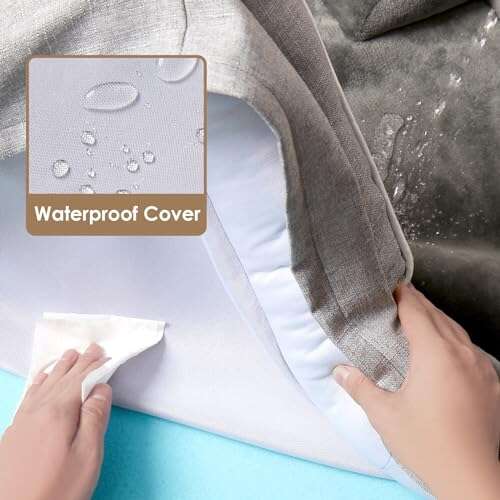
- A waterproof liner
- A non-slip bottom
If the label is missing, treat the foam as hand-wash only. This is the safer choice for memory foam, orthopedic foam, and egg-crate foam.
When machine washing may be allowed
Some dog beds use washable polyester foam or small shredded foam pieces. These may be designed for a washer. Even then, follow the exact instructions for water temperature, cycle type, detergent, and drying.
Use a washing machine only when:
- The care label clearly allows it.
- The bed fits in the machine without being tightly packed.
- The foam does not fill the washer drum to the point that it cannot move.
- The instructions allow machine drying or give another drying method.
A commercial washer at a laundromat may have more room, but it does not make a non-washable foam insert safe to machine wash.
How to Wash a Foam Dog Bed Safely
Before you start, gather a vacuum, mild laundry detergent, clean towels, a soft brush or cloth, and a large area for drying. You may also need a bathtub, utility sink, or clean outdoor surface.
1. Read the care label
Look for terms such as:
- Machine wash
- Hand wash
- Spot clean only
- Do not soak
- Do not bleach
- Air dry only
- Tumble dry low
Follow the strictest instruction. For example, if the cover says machine wash but the foam says spot clean only, wash only the cover.
2. Remove hair and loose dirt
Take off the cover and shake it outdoors. In the United States, avoid shaking pet hair near food preparation areas or outdoor furniture.
Vacuum both sides of the foam and the inside of the cover. Use a brush attachment if available. Removing dry hair first keeps it from turning into wet clumps that block drains and stick to the fabric.
3. Treat stains first
Blot urine, vomit, or other wet stains with paper towels or an old towel. Do not rub hard. Rubbing can push the mess deeper into the foam.
For a small stain, apply a small amount of diluted mild detergent to a cloth. Test it on a hidden area first. For urine or organic stains, a pet-safe enzymatic cleaner may work better than ordinary soap. Follow the product label and never mix cleaning products.
Avoid bleach, ammonia, strong solvents, and heavily scented products. They may damage foam or leave residues that can irritate your dog’s skin and nose. The ASPCA recommends care with household cleaning products around pets.
4. Wash the removable cover
Close zippers before washing. Turn the cover inside out if the care label allows it.
Use:
- Cold or warm water, based on the label
- A gentle or normal cycle, as directed
- A small amount of mild, unscented detergent
- An extra rinse if the fabric feels soapy
Do not add fabric softener unless the manufacturer specifically allows it. Fabric softener can leave a coating on some fabrics and may reduce the performance of water-resistant materials.
Hang the cover or dry it on low heat only when the label permits. High heat may shrink fabric, damage elastic, or harm waterproof coatings.
5. Clean the foam by hand
Fill a bathtub, sink, or large basin with cool or lukewarm water. Add a small amount of mild detergent. Too much soap is hard to rinse from foam.
Place the foam in the water and press it down gently. Do not twist, wring, scrub aggressively, or fold memory foam sharply.
Let the water move through the foam for a few minutes. Then drain the soapy water and refill the tub with clean water. Press the foam several times to rinse it. Repeat until the water runs clear and no slippery soap remains.
For a small stain, full soaking may not be needed. Spot clean the affected area instead. Less water means less drying time and a lower chance of trapped moisture.
6. Remove water without wringing
Lift the foam with support from both hands. Wet foam can be heavy and may tear under its own weight.
Place it flat on clean towels. Press down gently to transfer water into the towels. Replace the towels and repeat as needed.
Do not:
- Twist the foam
- Bend it sharply
- Drag it while saturated
- Put it in a hot dryer
- Use a high-heat heat gun or space heater
7. Dry the foam completely
Lay the foam flat in a clean, well-ventilated place. Turn it over every few hours so both sides can dry.
A fan can improve airflow, but keep it away from water and use it according to the manufacturer’s safety instructions. Direct sunlight may help with drying, but long exposure can fade fabric or weaken some foam materials.
Do not put the cover back on until the foam is dry in the center. The surface may feel dry while the inside remains damp.
A simple test is to press a clean, dry towel firmly into several areas of the foam. If the towel feels damp or develops a musty smell, keep drying the bed.
How Long Does Foam Take to Dry?
A foam dog bed may take 24 to 48 hours to dry, and thick orthopedic foam can take longer. Drying time depends on:
- Foam thickness
- How much water it absorbed
- Indoor humidity
- Air movement
- Temperature
- Whether the foam has open or closed cells
Do not judge dryness by the outside alone. Press the middle, edges, seams, and underside. If any area feels cool, heavy, damp, or smells musty, it is not ready.
A damp foam bed can support mold and mildew growth. The U.S. Environmental Protection Agency explains that moisture control is the key step in preventing indoor mold problems. Its mold and moisture guidance applies to household materials and supports the same practical rule: dry wet items promptly and thoroughly.
If the foam still smells sour or musty after complete drying, inspect it closely. A persistent odor may mean contamination remains inside the foam. For severe urine damage, repeated wetting, visible mold, or damaged foam, replacement is often safer than repeated washing.
Cleaning Different Types of Foam
The type of foam changes how much water and pressure it can handle.
| Foam type | Safer cleaning method | Main concern |
|---|---|---|
| Solid memory foam | Spot clean or gently hand wash | Can tear, deform, and hold water |
| Egg-crate foam | Gentle hand washing or spot cleaning | Thin ridges can rip |
| Orthopedic foam | Follow the manufacturer’s instructions closely | Thick foam dries slowly |
| Shredded foam | Wash only if the label allows it | Pieces can clump or remain wet inside |
| Polyester-filled bed | Often more washable than solid foam | Filling may bunch during washing |
| Waterproof foam mattress | Clean the liner as directed | Heat may damage waterproof layers |
Memory foam needs special care because it is soft and flexible but not designed for rough handling. Avoid squeezing it like a sponge.
Shredded foam can be more difficult to clean than solid foam. Small pieces may trap detergent and water in the center of the bed. If the cover opens and the filling is removable, follow the product instructions rather than assuming the pieces are washer-safe.
How Often Should You Wash a Foam Dog Bed?
Wash the cover about every one to two weeks for many healthy indoor dogs. Wash it more often when the dog:
- Sleeps outdoors
- Sheds heavily
- Has allergies
- Tracks mud inside
- Has urinary accidents
- Has diarrhea or vomiting
- Spends time in water or dirt
Clean small spills as soon as possible. Vacuum the bed weekly to remove hair, dust, dander, and grit.
The foam itself usually does not need full washing every time the cover is cleaned. Frequent soaking can shorten its useful life. Spot clean the foam when possible and wash it fully only when it is dirty, stained, or has absorbed an odor.
If your dog has a contagious skin condition or parasites, ask your veterinarian how to clean bedding. Ordinary washing may not address every cause of infection or infestation. Wash other bedding and soft items as directed by the veterinary professional.
What If the Foam Dog Bed Cannot Be Washed?
Some foam beds are labeled “spot clean only.” That does not mean you cannot maintain them. It means the manufacturer does not consider full soaking safe.
Use this routine:
- Remove the cover and wash it according to the label.
- Vacuum the foam on all sides.
- Blot stains with a clean, damp cloth.
- Apply a pet-safe cleaner to the cloth rather than soaking the foam.
- Blot again with a clean cloth dampened with plain water.
- Press with dry towels.
- Air-dry the foam fully.
Replace the bed when it has deep urine odor, visible mold, crumbling foam, exposed filling, or stains that cannot be removed. A damaged bed may be uncomfortable and can create a choking or ingestion risk.
Do not cut away a stained section unless the manufacturer provides repair instructions. Removing part of the foam can create uneven support and exposed edges.
Common Mistakes to Avoid
Putting all parts in the washer
A removable cover and a foam insert are different materials. Washing them together can damage the foam and overload the machine.
Using too much detergent
Extra detergent does not make foam cleaner. It can leave residue that attracts dirt and irritates sensitive skin.
Using bleach or ammonia
These chemicals can damage fabric and foam. Ammonia also has an odor similar to urine, which may encourage some dogs to soil the same area again.
Drying with high heat
High heat can shrink the cover, damage waterproof layers, and alter foam. Air drying is the safer default unless the care label says otherwise.
Reusing the bed while it is damp
A slightly damp center can lead to mildew and odor. Give the bed more drying time instead.
Mixing cleaning products
Never combine bleach, ammonia, vinegar, hydrogen peroxide, or other cleaners. Chemical mixtures can create harmful fumes or damage the bed.
Ignoring the bottom of the bed
Dirt and moisture often collect on the non-slip base. Clean it as the label allows and dry it before placing the bed on a wood, vinyl, or carpeted floor.
When Should You Replace a Foam Dog Bed?
Replace the bed when cleaning no longer solves the problem or when the foam has lost its support.
Look for:
- Foam that stays flat after your dog gets up
- Large tears or crumbling pieces
- Deep odor that returns after drying
- Visible mold or mildew
- Exposed foam that your dog chews
- A cover that no longer fits
- Persistent moisture inside the mattress
A dog with joint pain may need steady support from an intact bed. If your dog struggles to get comfortable, has trouble standing, or shows pain when lying down, speak with a veterinarian. Cleaning cannot restore worn-out foam or treat a medical problem.
Key Takeaways
- You can wash a foam dog bed, but the foam usually should not go in a washing machine.
- Wash the removable cover according to its care label.
- Spot clean or hand wash solid foam with mild detergent and cool or lukewarm water.
- Never wring, twist, or use high heat on foam.
- Dry the bed completely before your dog uses it.
- Replace foam with deep odor, mold, crumbling areas, or lost support.
Frequently Asked Questions
Can I wash a memory foam dog bed?
You can usually spot clean or gently hand wash memory foam. Do not machine wash or tumble dry it unless the manufacturer clearly says you can. Press out water with towels and dry the foam flat with good airflow.
Can I put a dog bed with foam in the dryer?
Only put it in the dryer if the care label specifically allows it. Many foam inserts can be damaged by heat and tumbling. A removable fabric cover may be dryer-safe even when the foam is not.
How do I remove urine smell from foam?
Blot the urine first, then use a pet-safe enzymatic cleaner according to its label. Avoid soaking thick foam unless the care instructions allow it. Rinse away cleaner residue and dry the foam completely. If the smell returns from inside the foam, replacement may be needed.
Can I use vinegar to clean a foam dog bed?
Vinegar may help with some surface odors, but it is not a complete cleaner or disinfectant for every type of contamination. It can also affect certain fabrics and coatings. Use only what the care label and cleaning product instructions permit, and never mix vinegar with bleach or other cleaners.
How do I clean a dog bed after fleas?
Wash the cover using the hottest temperature allowed by the care label, then dry it as directed. Vacuum the foam, floor, and nearby areas. Flea control usually requires treating the dog and the home at the same time, so follow guidance from a veterinarian or a licensed pest professional.
What should I do if the foam smells musty after washing?
Move the foam to a dry, ventilated place and continue drying it. Check the center and underside, not just the surface. If the musty smell remains or you see mold, do not let your dog use the bed; replace it or seek advice from the manufacturer.
Conclusion
The safest answer to “Can you wash a foam dog bed?” is yes, but wash each part according to its material. Machine wash the removable cover only when the label permits it. Treat the foam gently, use little detergent, avoid harsh chemicals and heat, and allow plenty of time for complete drying.
Start by checking the care label today. If it gives no clear instructions, vacuum the foam, spot clean stains, wash the cover separately, and air-dry everything fully before putting the bed back together.

Pet Care Writer & Researcher
Daniel writes practical guides on daily care, feeding, and safety, turning complex topics into simple, actionable advice.