What Is A Donut Dog Bed: Cozy Comfort Guide
What is a donut dog bed? Learn how its raised, round design supports restful sleep, eases anxiety, and keeps your dog cozy.
A donut dog bed is a round, cushioned bed with raised edges that helps dogs feel safe and supported.
A donut dog bed is more than a soft place to sleep. Its round shape and high, padded rim create a cozy nest that can support curling, nesting, and head resting. After comparing dog beds for comfort, support, cleaning, and safety, I’ve found that the best choice depends on your dog’s sleep style, age, size, and health needs.
What Is a Donut Dog Bed?
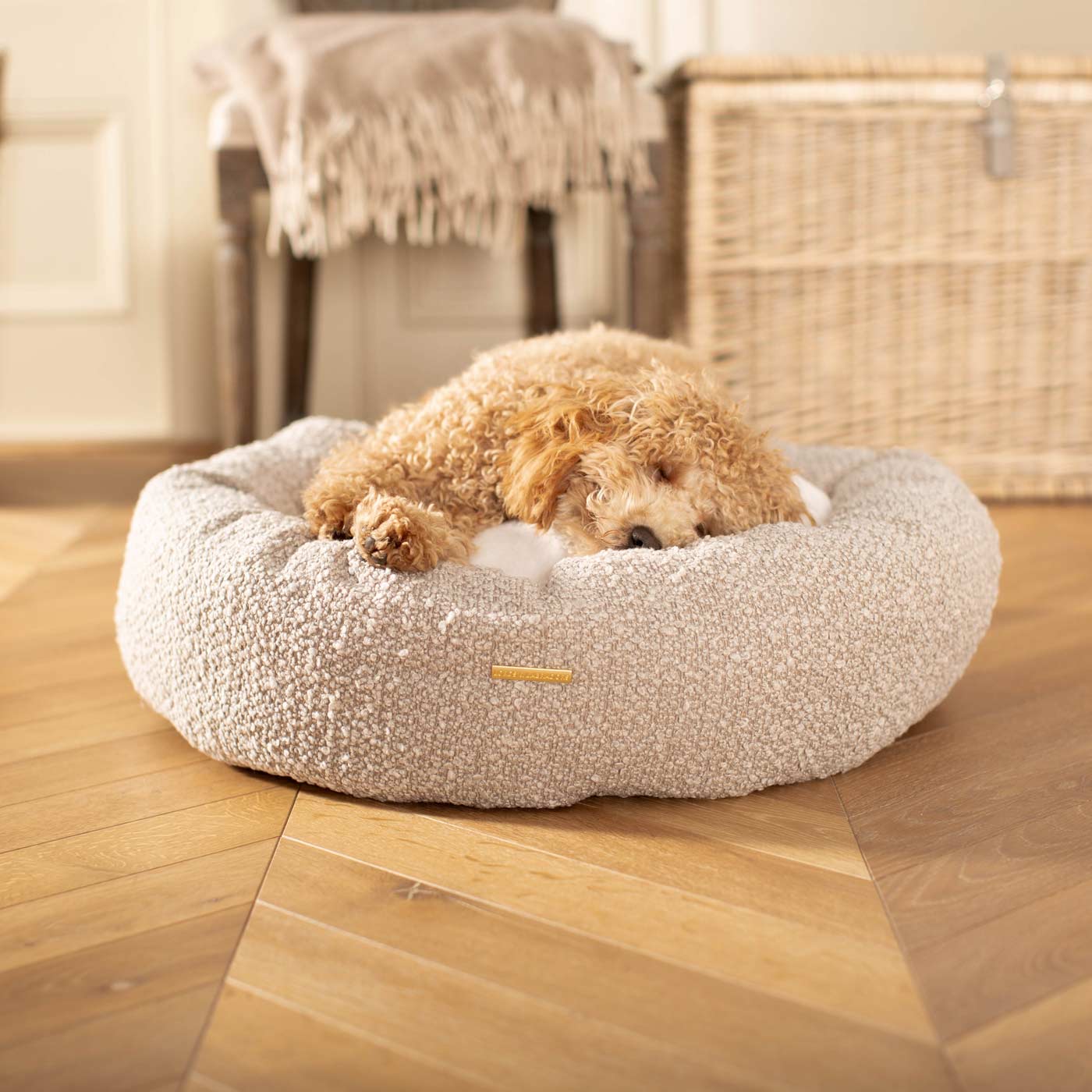
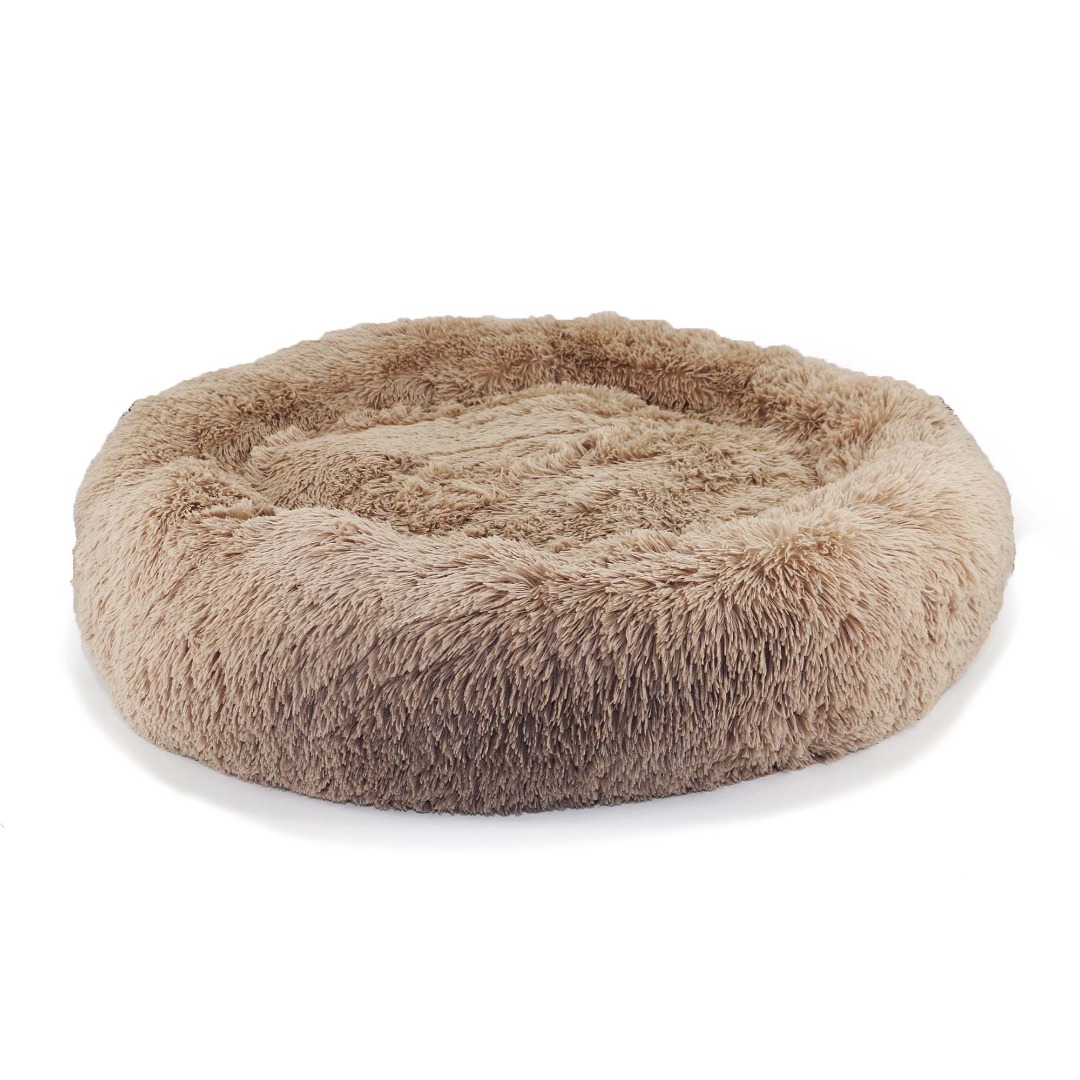
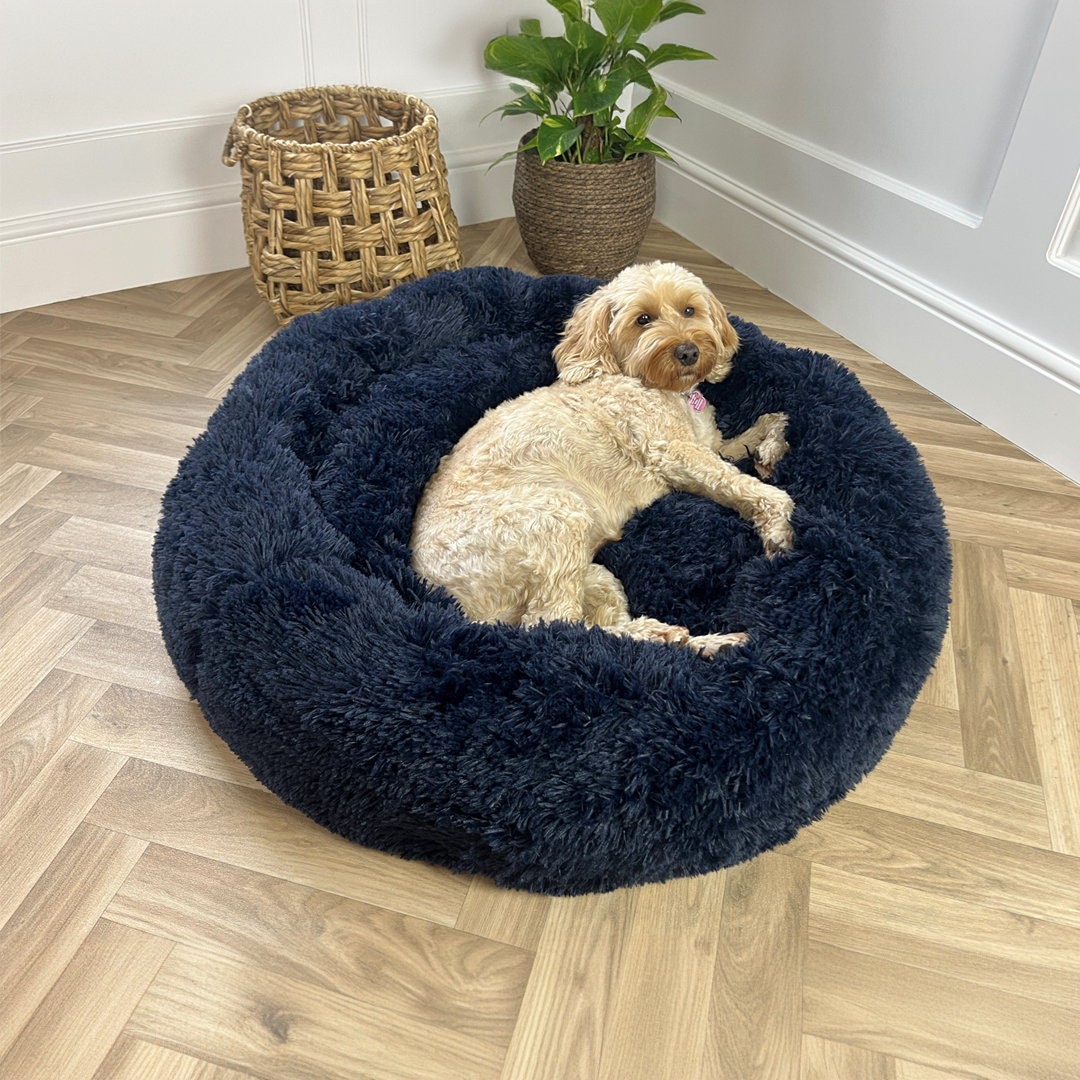
A donut dog bed is a circular pet bed with a soft center and a raised, cushion-like edge around the outside. The rim often works as a pillow for your dog’s head, neck, or back. Many designs use plush fabric, polyester fiber, foam, or a mix of these materials.
The name comes from the bed’s shape. Like a donut, it has a rounded outer ring and a lower sleeping area in the middle. Some beds have a clear center, while others are fully stuffed but still shaped like a nest.


A donut dog bed is made for dogs that like to curl up, burrow, or sleep with their body touching something soft. The raised edge can also make the bed feel like a small, protected space.
How Does a Donut Dog Bed Work?
A donut dog bed supports your pet in three main ways:
• The raised rim gives your dog a place to rest its head.
• The soft center cushions the body during sleep.
• The round shape creates a nest-like space that may help some dogs feel calm.
When a dog curls up, the circular design follows the natural shape of its body. This can reduce the open, exposed feeling that some dogs experience on a flat mat. It is similar to sleeping in a soft nest rather than on a wide, empty floor.
The bed does not treat anxiety or pain. However, a familiar and comfortable sleeping spot may support a steady rest routine. Dogs often return to beds that smell familiar and feel safe.
Benefits of a Donut Dog Bed
A donut dog bed can offer comfort and practical value when it matches your dog’s needs.
Comfort for curled-up sleepers
Dogs that sleep in a ball often enjoy the rounded shape. The raised sides may support the back and help keep the body warm. Small dogs, short-haired dogs, and dogs that get cold easily may especially like this design.
A soft place to rest the head
Many dogs like to place their chin on a pillow or the edge of a bed. The rim of a donut dog bed gives them that option without needing a separate cushion.


A cozy feeling
Some dogs prefer spaces that feel enclosed. The thick outer edge can create a gentle boundary around the sleeping area. This may be useful for dogs that settle more easily in snug spaces.
Easy movement around the bed
The round shape has no fixed front or back. Your dog can enter from any side and change position with ease. This is useful for dogs that turn several times before falling asleep.
Helpful warmth
many donut beds use thick, fluffy material. That can hold warmth better than a thin mat. Still, watch your dog in warm weather, since a plush bed may feel too hot for some pets.
A simple look for the home
Donut beds come in many colors, fabrics, and sizes. Their rounded shape can fit neatly in a bedroom, living room, office, or crate area.
Are Donut Dog Beds Good for Dogs?
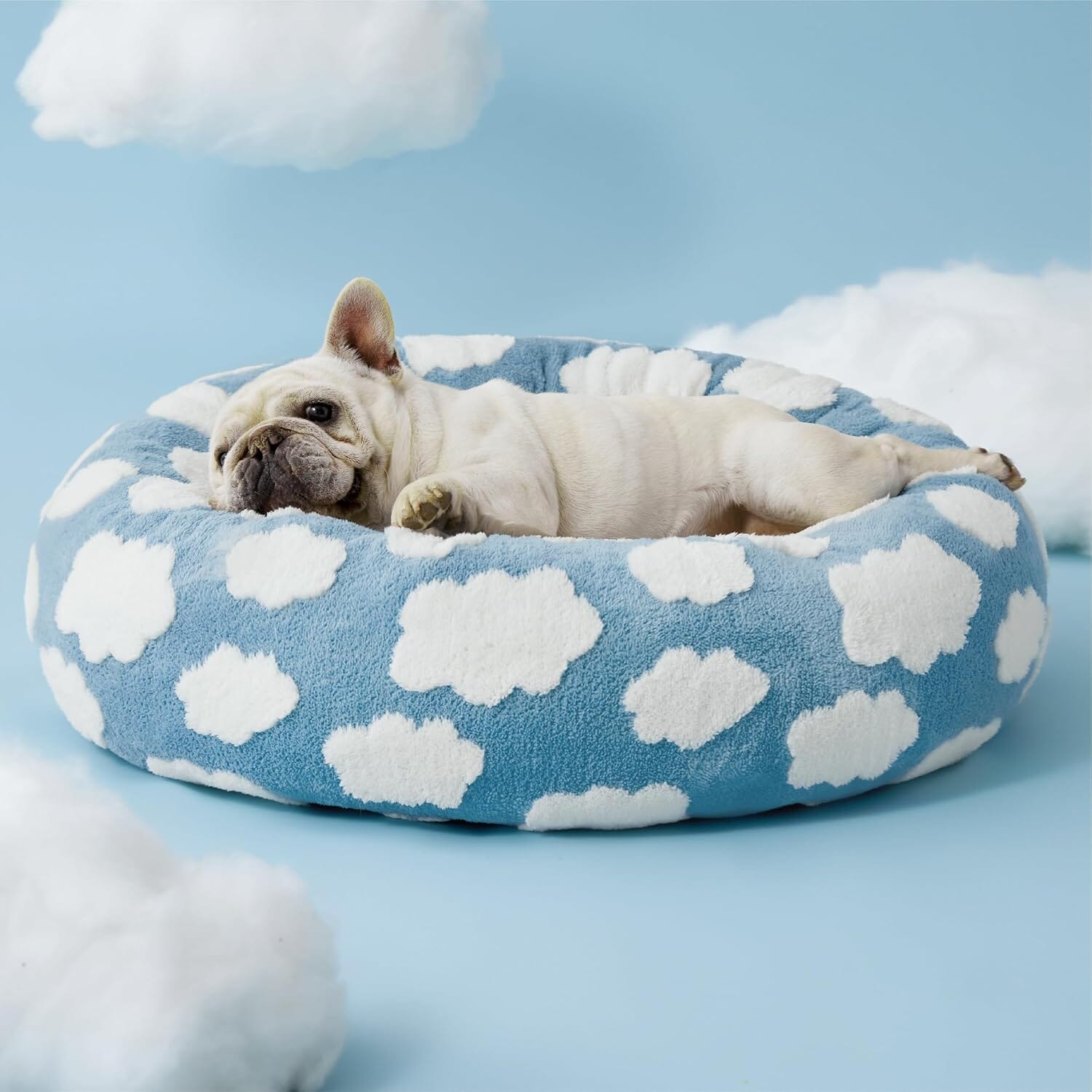
For many dogs, yes. A donut dog bed can be a good choice for a pet that curls up, likes soft surfaces, or rests its head on raised edges.
It may not be the best choice for every dog. Large breeds, senior dogs, and pets with arthritis often need firm, supportive foam rather than a deep, fluffy cushion. A soft bed can feel comfortable at first but may provide little support if your dog sinks to the floor.
A veterinarian can help you choose a bed for a dog with joint disease, pain, weakness, or mobility problems. Veterinary advice matters more than appearance when a dog has a health condition.
Choose a donut dog bed when your dog:
• Sleeps in a curled position.
• Enjoys pillows or soft blankets.
• Likes nest-style beds.
• Is small or medium-sized and does not need a firm orthopedic base.
• Can step into and out of the bed without trouble.
Consider another design when your dog:


• Needs strong joint support.
• Has trouble standing or stepping over raised edges.
• Chews and swallows fabric or stuffing.
• Sleeps hot or lives in a warm climate.
• Needs a waterproof bed for accidents.
Donut Dog Bed Materials and Construction
The material affects comfort, safety, durability, and cleaning.
Polyester fiber filling
Polyester fiber is common in plush donut beds. It feels soft and light, but it may flatten over time. A bed with a zippered cover is easier to maintain than one with no removable parts.
Memory foam
Memory foam can offer better body support. Some beds use memory foam in the center and softer filling around the rim. This design may suit dogs that want a pillow edge but still need a stable sleep surface.
Cotton and fleece covers
Cotton can feel light and breathable. Fleece and faux fur feel warm and soft, but they may hold more hair and heat. Check the care label before washing.
Waterproof liners
A waterproof liner helps protect the filling from urine, drool, and spills. It is especially useful for puppies, older dogs, and dogs with bladder problems.
Non-slip bottoms
A non-slip base helps keep the bed in place on wood, tile, and laminate floors. This feature can reduce sliding when a dog steps into the bed.
Look for strong stitching, secure seams, and materials that do not shed easily. Loose threads can become a chewing hazard. Avoid beds with small buttons, beads, or decorations that a dog could remove and swallow.

How to Choose the Right Donut Dog Bed
The right bed should fit your dog’s body and habits, not just your room’s style.
Measure your dog
Measure from the nose to the base of the tail while your dog is lying down. Add several inches for movement and stretching. Then compare that measurement with the bed’s inside sleeping area, not only its outside diameter.


A bed may look large because of its thick rim but still have a small sleeping center. This is one of the most common buying mistakes.
Check the entry height
A high rim may feel secure for a young dog. It can be difficult for a puppy, senior dog, or dog with stiff joints. Choose a lower entry or step-in design if your pet struggles with height.
Match firmness to health needs
A healthy young dog may enjoy a soft, fluffy bed. A senior dog may need a firmer base that spreads weight evenly. The bed should cushion the body without allowing the dog to sink until it touches the floor.
Consider sleeping style
Watch your dog for a day or two. Does your dog curl tightly, stretch out, lean against furniture, or move often? A donut dog bed suits curlers and nesters best. A flat mattress may suit long sleepers better.
Pick a practical cover
Removable, machine-washable covers save time. A washable inner liner is even better. Choose a cover that can handle your dog’s hair, dirt, drool, and normal wear.
Think about climate
Plush materials can be useful in cold rooms. In hot climates, breathable cotton, cooling fabric, or a thinner design may work better. Never use a thick bed as a substitute for shade, water, or proper temperature control.
Donut Dog Bed Safety Tips
A donut dog bed should be comfortable, but comfort must not reduce safety.
Inspect the bed often. Look for torn seams, exposed filling, broken zippers, and loose threads. Replace the bed if your dog can pull out and swallow stuffing.
Keep the bed away from heat sources such as radiators, space heaters, fireplaces, and hot vents. Soft fabric can overheat or become a fire risk when placed too close to heat.
Wash the bed based on the care instructions. Use a pet-safe detergent and dry the bed fully before use. Damp filling can develop an unpleasant smell and may encourage mold growth.
Introduce the bed slowly if your dog is unsure. Place it near a familiar resting spot and add a safe blanket with your dog’s scent. Do not force your dog into the bed.
Watch for signs that the bed does not suit your pet:
• Your dog avoids it after trying it.
• Your dog pants or seems hot while resting.
• Your dog struggles to stand up.
• Your dog sinks deeply into the center.
• Your dog chews the rim or pulls at the seams.
A bed should support rest, not create a new problem.
How to Clean a Donut Dog Bed
Cleaning needs depend on the material and whether the cover comes off.
-
Remove hair with a vacuum, brush, or lint roller.
-
Check the label for washing and drying instructions.
-
Wash the cover separately when possible.
-
Use a mild, fragrance-free detergent.
-
Wash the inner cushion only if the label allows it.
-
Dry every layer completely before putting the bed back.
-
Check for clumps, lumps, or damaged seams after washing.
Frequent washing can wear down low-quality fabric. For that reason, a washable cover is one of the best features to prioritize. Place a washable blanket on the bed if your dog gets dirty often.
For urine or vomit, clean the area as soon as possible. Blot liquid rather than rubbing it deeper into the filling. If the odor remains after washing, the inner cushion may need replacement.
Donut Dog Bed vs. Other Dog Beds
A donut dog bed is one of several common bed styles.
Donut bed versus flat mat
A flat mat is simple, light, and easy to move. It works well for dogs that stretch out or sleep in warm areas. A donut bed offers more cushioning around the body and a raised edge for head support.
Donut bed versus orthopedic bed
An orthopedic bed usually has a firm foam base. It is often a better choice for large breeds, older dogs, and dogs with joint problems. A donut bed may feel softer, but softness alone does not equal orthopedic support.
Donut bed versus bolster bed
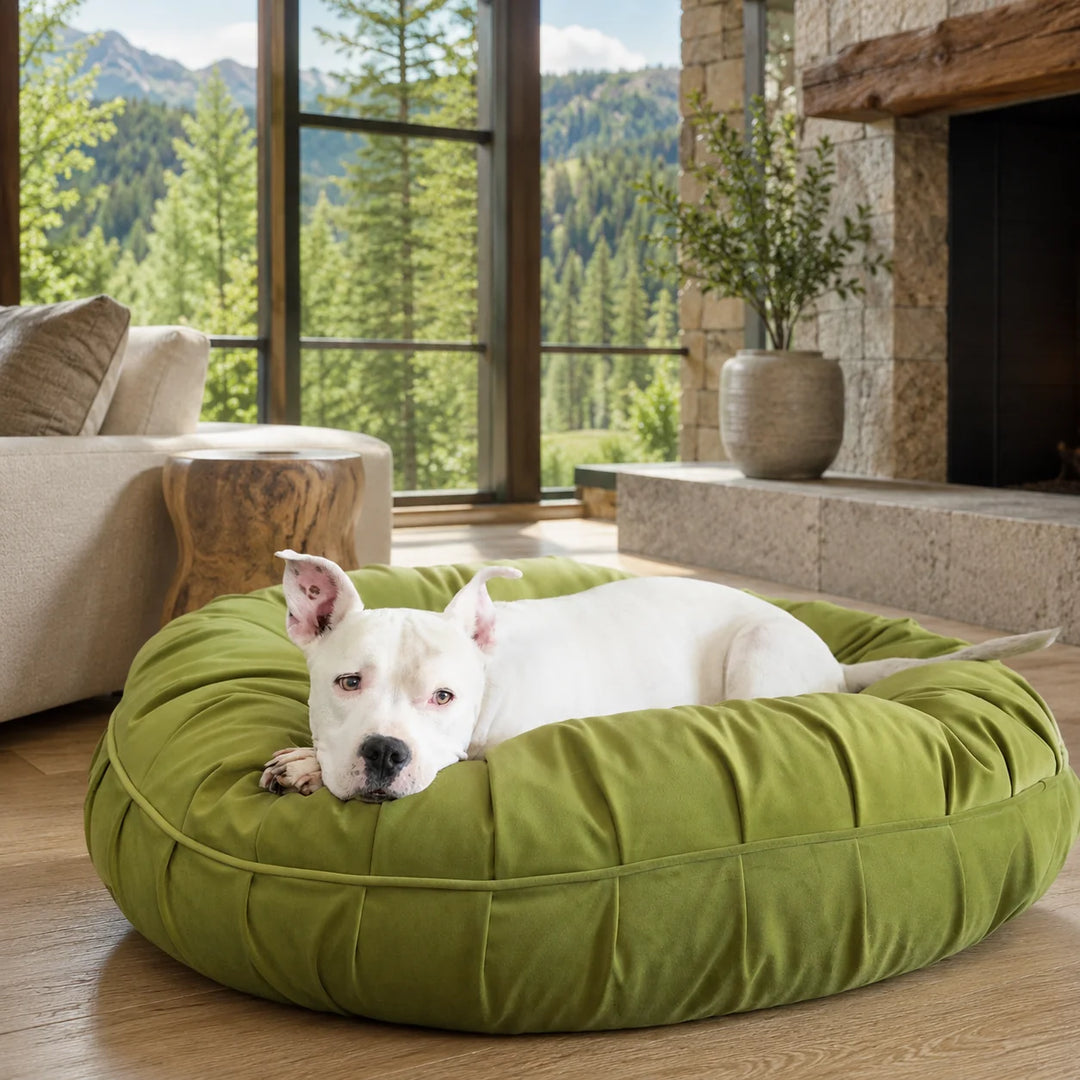
A bolster bed often has raised sides on three or four edges. A donut dog bed has a continuous round rim. Both designs help dogs that like to lean or rest their heads against a border.
Donut bed versus cave bed
A cave bed has a covered top or blanket-like hood. It may suit dogs that hide or burrow. A donut bed is more open and may work better for dogs that want a cozy edge but still like to see the room.
There is no universal winner. The best bed is the one your dog can enter easily, use safely, and sleep on comfortably.

Common Mistakes to Avoid
Many problems come from choosing a bed based only on color or outer size.
• Buying a bed with a sleeping area that is too small.
• Choosing very soft filling for a dog that needs joint support.
• Ignoring the bed’s cleaning instructions.
• Selecting a high rim for a dog with poor mobility.
• Using a plush bed in a hot room.
• Leaving a damaged bed with a dog that chews fabric.
• Assuming a dog will like the bed without observing its sleep habits.
A useful lesson from testing pet products is simple: watch the dog, not the advertisement. A bed can look luxurious but still be too warm, too shallow, too soft, or hard to clean.
Give your dog a short adjustment period. If the bed remains unused, check its location, smell, size, and firmness before deciding that your dog dislikes donut beds.
Frequently Asked Questions About What Is a Donut Dog Bed
What is a donut dog bed used for?
A donut dog bed gives dogs a soft sleeping surface with a raised edge around the body. It is commonly used for dogs that curl up, nest, or like to rest their heads on a cushion.
Are donut dog beds good for puppies?
A donut dog bed can work well for a puppy if it is washable, durable, and large enough for growth. Avoid loose filling, fragile decorations, and fabric that the puppy can chew and swallow.
Are donut dog beds good for senior dogs?
They can be comfortable for some senior dogs, but a deep or high rim may be hard to cross. Senior dogs with arthritis often need a firm orthopedic base and a low entry, so ask a veterinarian if mobility or pain is a concern.
How do I know what size donut dog bed to buy?
Measure your dog from the nose to the base of the tail while lying down, then add several inches. Compare that number with the bed’s inner sleeping space because the padded rim reduces usable room.
Can a donut dog bed help with anxiety?
A donut dog bed may give some dogs a familiar, enclosed-feeling place to rest. It does not treat anxiety, and ongoing fear, destruction, shaking, or distress should be discussed with a veterinarian or qualified behavior professional.
How often should I wash a donut dog bed?
Wash the cover whenever it becomes dirty or develops an odor, and follow the manufacturer’s care instructions. Dogs with allergies, accidents, or heavy outdoor exposure may need more frequent cleaning.
Can large dogs use a donut dog bed?
Large dogs can use one if the inner sleeping area is wide enough and the base provides proper support. For many large or heavy dogs, an orthopedic bed with a firm foam core is a better everyday option.
Conclusion
A donut dog bed is a round, cushioned bed with a raised rim that supports curled-up sleeping and head resting. It can offer warmth, comfort, and a cozy nest-like feel, but it is not the right choice for every dog.
Measure the inner sleeping area, check the firmness, choose washable materials, and consider your dog’s age, health, size, and sleeping style. If you choose carefully, a donut dog bed can become your pet’s favorite place to relax. Explore your options, observe how your dog rests, and share your experience with other pet owners.

Pet Care Writer & Researcher
Daniel writes practical guides on daily care, feeding, and safety, turning complex topics into simple, actionable advice.