What Is The Best Fresh Food To Feed Your Dog: Best Choices
What is the best fresh food to feed your dog? Explore safe, nutritious options and simple tips for creating balanced homemade meals.
The best fresh food to feed your dog is balanced cooked food with lean protein, vegetables, and essential nutrients.
Choosing the best fresh food to feed your dog is not just about adding human food to the bowl. Dogs need the right mix of protein, fat, vitamins, minerals, and calories for their age, size, and health. This guide explains safe fresh foods, balanced meal ideas, common mistakes, and how to add fresh ingredients without upsetting your dog’s stomach.
What is the best fresh food to feed your dog?
For most healthy dogs, the best fresh food includes cooked lean meat, fish, eggs, whole grains, and dog-safe vegetables. These foods can provide useful protein, fiber, healthy fats, and nutrients when served in suitable amounts.
However, fresh food is not automatically complete food. A bowl of chicken and rice may look healthy, but it does not provide every nutrient a dog needs over time. Calcium, zinc, iodine, vitamin D, and certain fatty acids are often missing from homemade meals.
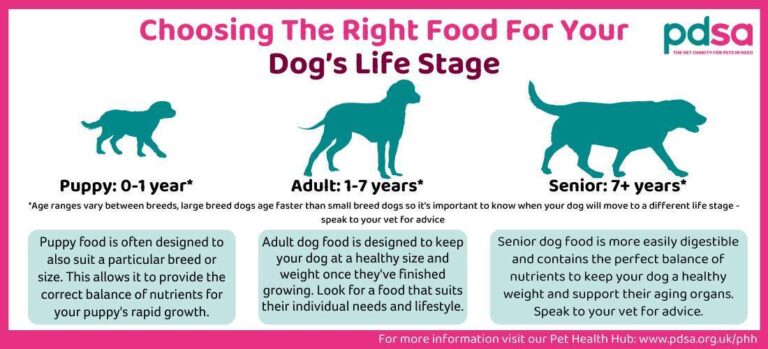
A complete fresh dog food diet should meet the nutritional standards set by AAFCO or be created with help from a board-certified veterinary nutritionist. This matters most when fresh food replaces regular dog food instead of acting as a small topper.
In simple terms, the best fresh food to feed your dog is food that is:
• Safe and free from toxic ingredients
• Appropriate for your dog’s age and health
• Cooked in a simple way
• Served in controlled portions
• Balanced for long-term feeding
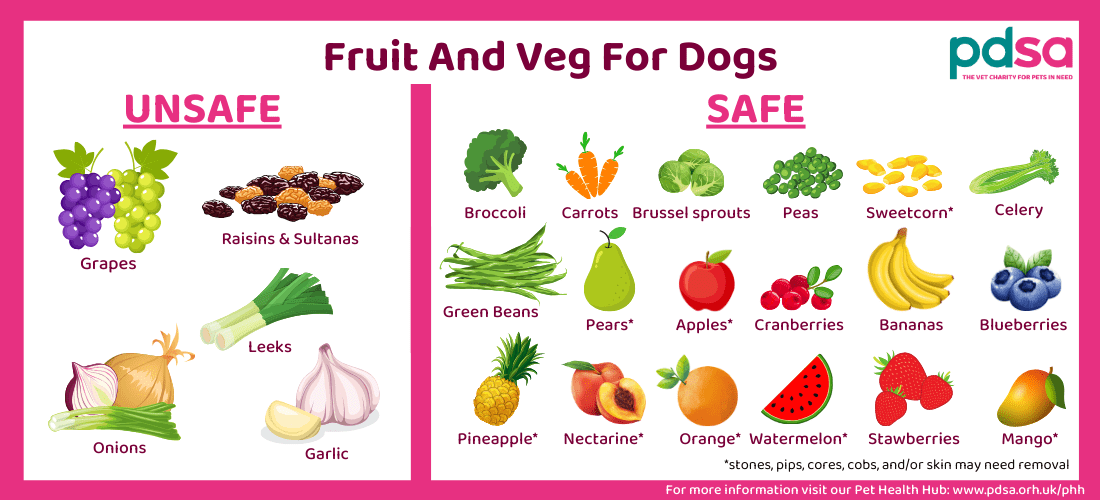
Best fresh foods for dogs
Fresh foods can add variety and moisture to your dog’s diet. They may also help picky eaters enjoy mealtime. Still, each food has a different role, so variety should support balance rather than replace it.
Lean meat
Cooked lean meat is often a good source of protein. Protein supports muscle, skin, immune health, and tissue repair.
Good choices include:
• Skinless chicken
• Turkey
• Lean beef
• Pork with visible fat removed
• Venison
• Rabbit
Cook meat without onions, garlic, heavy salt, butter, or spicy seasoning. Remove all bones before serving. Cooked bones can break into sharp pieces and cause choking or internal injury.
Fish
Fish can provide protein and omega-3 fatty acids. Omega-3 fats may support skin, coat, joints, and normal inflammation control.
Safer choices include:
• Salmon
• Sardines packed in water
• Pollock
• Cod
• Trout
Cook fish well and remove bones. Avoid fish packed in oil or brine. Large amounts of some fish may expose dogs to excess mercury, so fish should be one part of a varied diet.
Eggs
Plain cooked eggs can be a useful fresh food for dogs. They contain protein and several vitamins, but they also add calories.
Serve eggs boiled, poached, or scrambled without oil, salt, or seasoning. One small egg may be too much for a tiny dog, while a larger dog may tolerate more. Treat eggs as an addition, not the main food.
Dog-safe vegetables
Vegetables can provide fiber, water, and helpful plant nutrients. They are usually low in calories, which makes them useful for dogs that need to manage weight.
Good options include:
• Green beans
• Carrots
• Pumpkin
• Sweet potato
• Zucchini
• Peas
• Cucumber
• Broccoli in small portions
• Cooked spinach in small portions
Steam or cook firm vegetables when needed, and cut them into small pieces. Pumpkin may help some dogs with mild digestive changes, but ongoing diarrhea or constipation needs veterinary care.
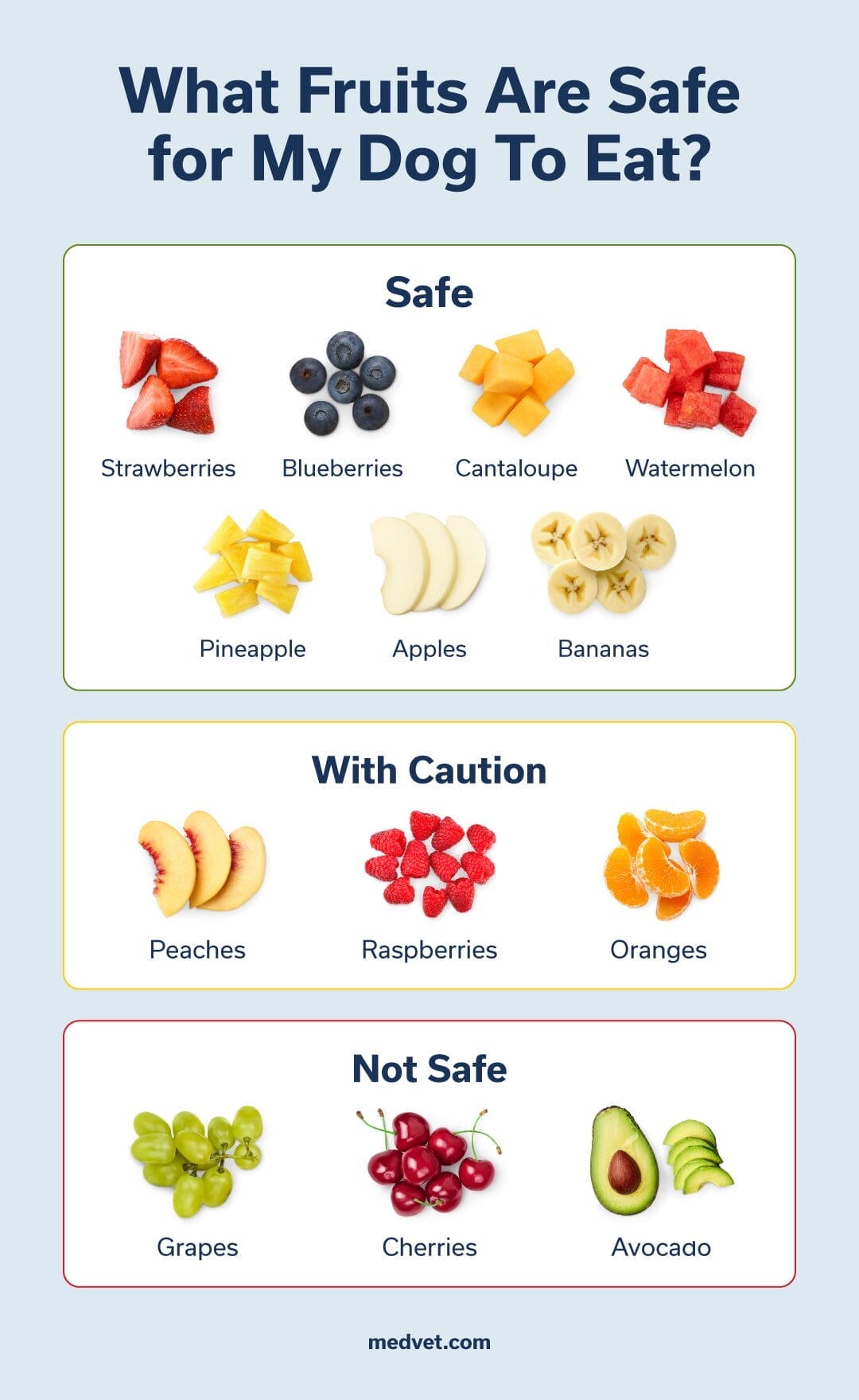
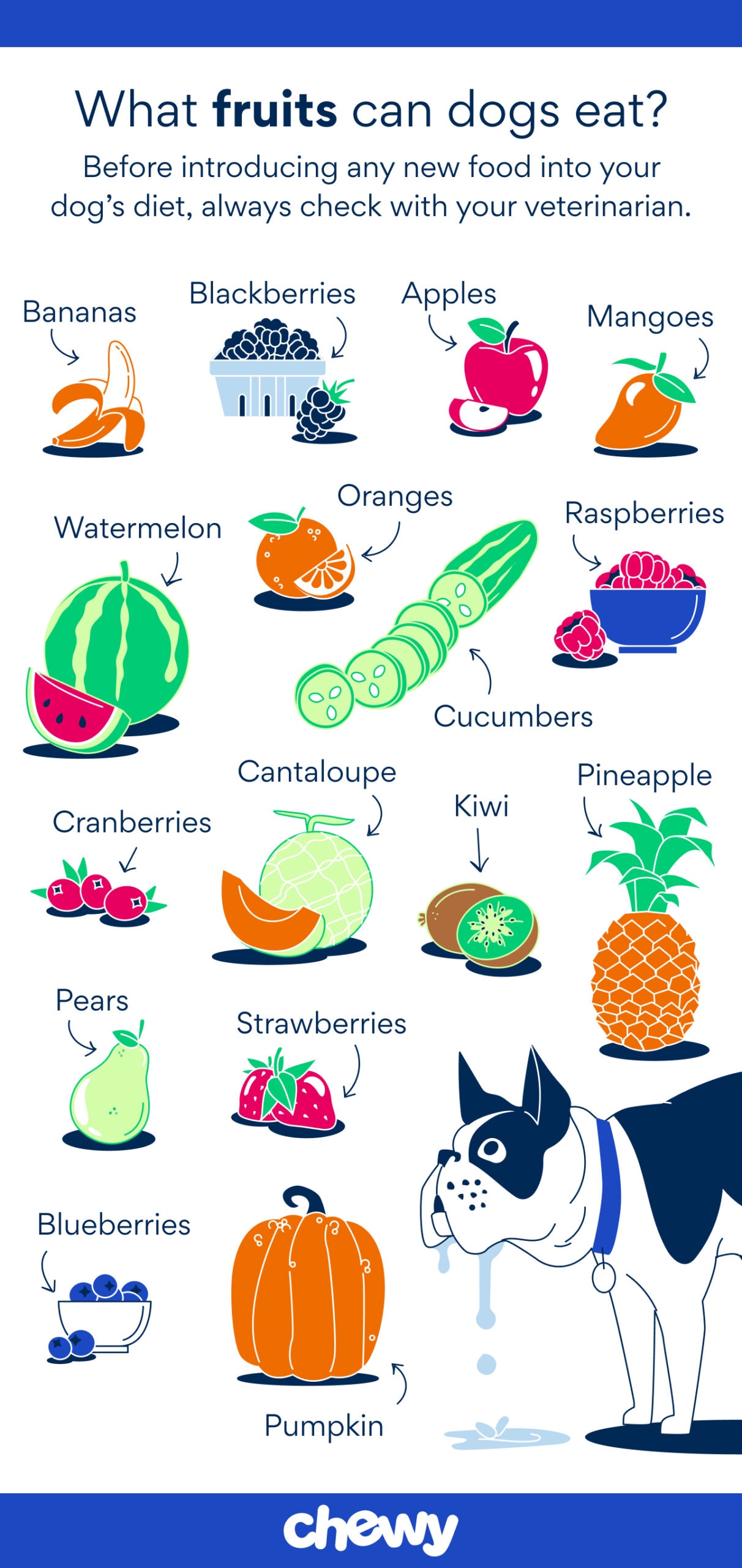
Fruit
Some fruits work well as small treats. They contain natural sugar, so portion size matters.
Safe choices include:
• Blueberries
• Apples without seeds or core
• Bananas
• Strawberries
• Watermelon without seeds or rind
• Cantaloupe
• Pear without seeds
Fruit should not make up a large part of a dog’s diet. Too much can cause loose stool or add unnecessary calories.
Whole grains
Whole grains can provide carbohydrates and fiber for many dogs. Plain cooked options include rice, oats, quinoa, and barley.
Grains are not automatically harmful to dogs. Most dogs digest them well unless they have a specific allergy or medical problem. A grain-free diet should not be used without a clear reason from a veterinarian, especially because diet-associated heart concerns have been reported in some dogs eating certain grain-free diets.

Fresh food meal ideas for dogs
The best fresh food to feed your dog can fit into a simple meal plan, but the ingredients must be balanced. These examples are best used as meal toppers unless a veterinary nutritionist has designed the full recipe.
Chicken, rice, and vegetables
Use plain cooked chicken, white or brown rice, and a small amount of green beans or carrots. This meal is gentle and familiar for many dogs, but it lacks several nutrients when fed alone for more than a short period.
Turkey, sweet potato, and zucchini
Lean turkey with cooked sweet potato and zucchini can make a tasty topper. Sweet potato is rich in fiber and carbohydrates, so use a moderate amount, especially for dogs that gain weight easily.
Salmon, oats, and pumpkin
Cooked salmon, plain oats, and a spoonful of pumpkin offer protein, omega-3 fats, and fiber. Remove every bone and avoid adding salt or oil.
Beef, quinoa, and vegetables
Lean ground beef with cooked quinoa and chopped vegetables can provide a hearty meal addition. Drain excess fat and keep the serving small if your dog has pancreatitis, obesity, or a history of digestive trouble.
These meals show how to combine fresh ingredients, but they are not automatically complete and balanced. Long-term homemade feeding usually requires a specific vitamin and mineral supplement selected for the recipe.

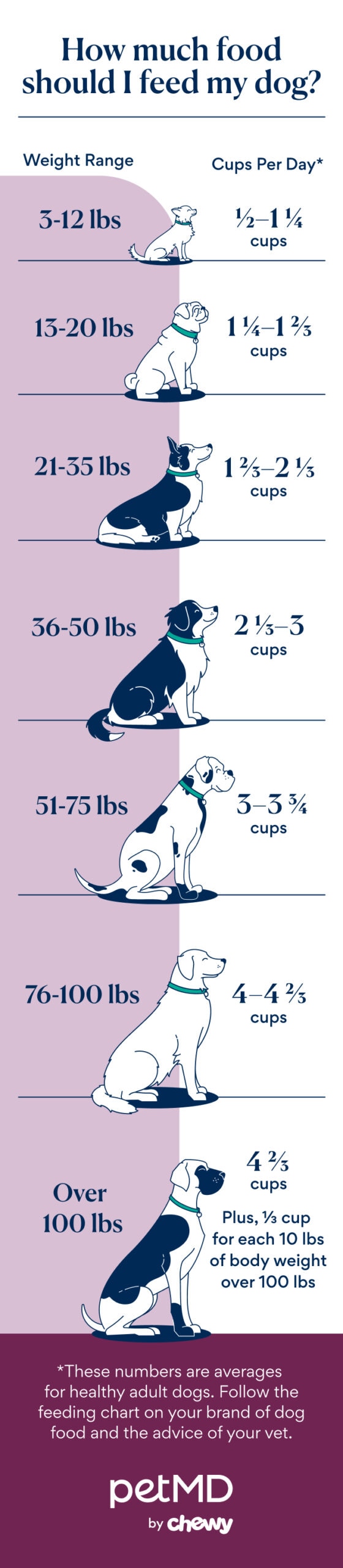
How much fresh food should you give your dog?
Portion size depends on your dog’s weight, activity, age, metabolism, and health. A very active young dog may need far more energy than a small older dog that sleeps most of the day.
When adding fresh food to complete dog food, keep extras to about 10 percent or less of daily calories. The other 90 percent should come from a complete and balanced diet unless your veterinarian gives different advice.
Start with a small amount:
- Add one new food at a time.
- Begin with a teaspoon for a small dog or a tablespoon for a large dog.
- Watch for vomiting, diarrhea, gas, itching, or ear problems.
- Increase slowly over several days if your dog does well.
- Reduce the regular food slightly if the fresh food adds many calories.
A common mistake is treating fresh food as “free calories.” Chicken, cheese, eggs, and peanut butter can quickly push a dog over its daily calorie needs.
Your dog’s body condition is a useful guide. You should be able to feel the ribs under a thin layer of fat, see a waist from above, and notice an abdominal tuck from the side. Ask your veterinarian to assess body condition if you are unsure.
Is homemade fresh dog food complete and balanced?
Homemade fresh dog food can be healthy, but it is difficult to balance without expert help. Meat-heavy recipes often contain too much phosphorus and too little calcium. Other recipes may lack iodine, vitamin D, vitamin E, copper, or essential fatty acids.
A complete recipe should account for:
• Calories
• Protein
• Fat
• Calcium and phosphorus
• Vitamins and trace minerals
• Essential fatty acids
• Your dog’s life stage and medical needs
Do not copy a recipe from a random blog and assume it is suitable for daily feeding. Even small changes, such as switching chicken for beef or removing a supplement, can change the nutrition profile.
For puppies, pregnant dogs, nursing dogs, and dogs with kidney, liver, heart, or digestive disease, professional formulation is especially important. A veterinarian may refer you to a board-certified veterinary nutritionist for a detailed plan.
Fresh commercial dog foods can be another option. Look for a clear statement that the food is complete and balanced for the correct life stage. Check storage instructions, calorie information, feeding directions, and the company’s quality control practices.
:max_bytes(150000):strip_icc()/140286_HomemadeDogFood_DDMFS_Beauty_009-6a6e82002dc3496eaa20dec6bfde6d6e.jpg)
Fresh foods that are unsafe for dogs
Knowing what not to feed is just as important as knowing the best fresh food to feed your dog. Some common kitchen foods can cause serious illness.
Never feed dogs:
• Grapes or raisins, which may cause kidney failure
• Onions, garlic, leeks, and chives
• Chocolate, cocoa, and products containing caffeine
• Xylitol, also called birch sugar, found in some sugar-free products
• Alcohol
• Macadamia nuts
• Raw yeast dough
• Cooked bones
• Very fatty foods in large amounts
• Moldy food or spoiled leftovers
Avocado is also best avoided because the pit can cause blockage and the plant contains compounds that may upset some animals. Plain avocado flesh is not considered as dangerous to dogs as it is to some other pets, but it is high in fat and is not needed.
Raw meat and raw eggs carry bacteria risks for dogs and people in the home. Puppies, older adults, pregnant people, and anyone with a weak immune system face greater risk from harmful bacteria. Cooking food thoroughly is the safer choice for most households.
If your dog eats a toxic food, contact your veterinarian or a pet poison service at once. Do not wait for symptoms and do not induce vomiting unless a veterinary professional tells you to do so.
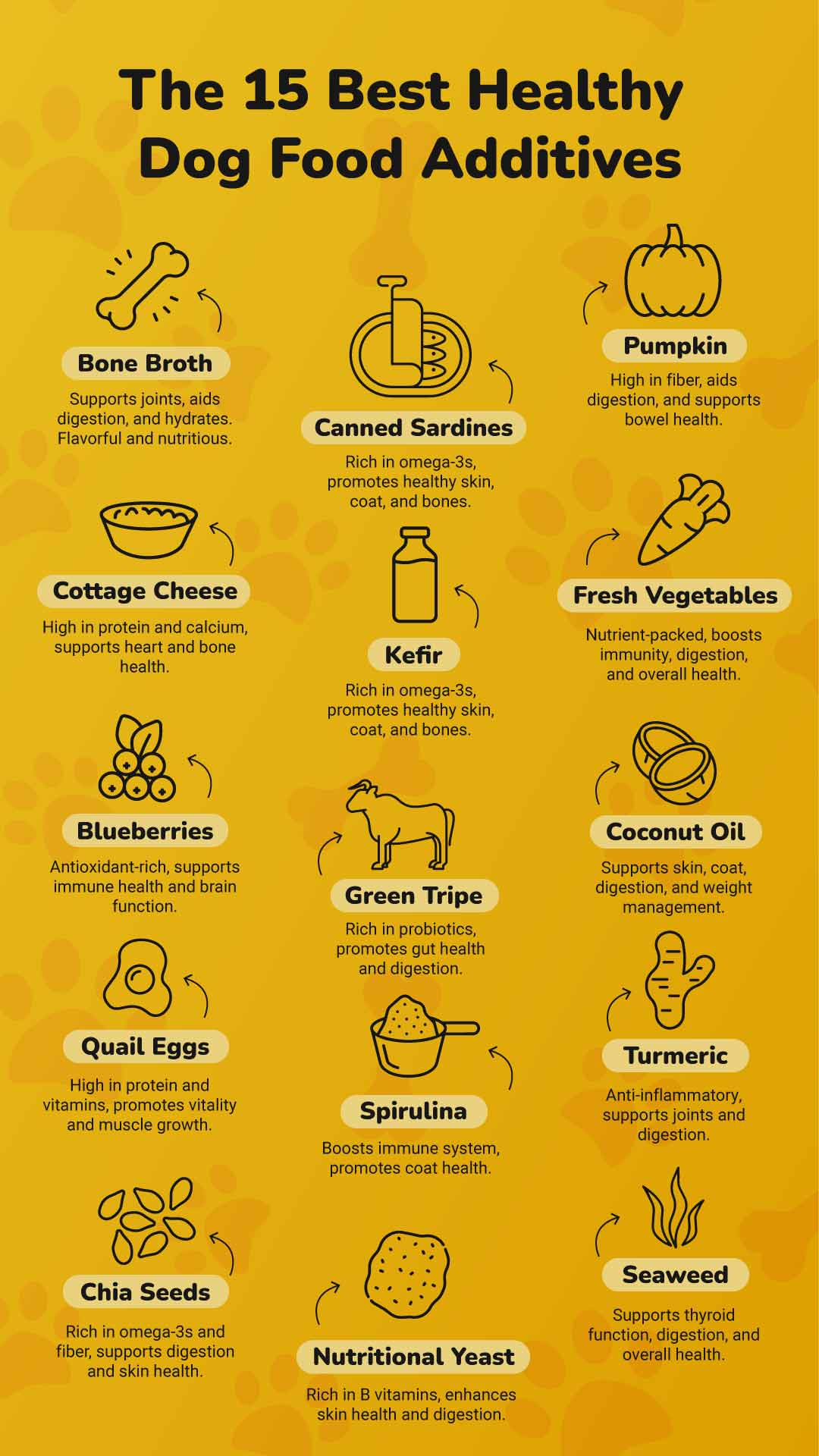
Fresh food for dogs with special needs
The best fresh food to feed your dog may change when health conditions are involved. A food that suits a healthy adult may be unsafe for a dog with pancreatitis, kidney disease, allergies, or diabetes.
Dogs with sensitive stomachs
Use simple, low-fat foods in small portions. Sudden diet changes can cause vomiting or diarrhea, so transition slowly. Repeated digestive problems need a veterinary exam rather than ongoing home treatment.
Overweight dogs
Choose lean protein and low-calorie vegetables. Green beans, zucchini, and carrots may help add volume, but they should not replace the nutrients in a complete diet.
Dogs with food allergies
A true food allergy often causes itching, ear disease, or digestive signs. Randomly removing ingredients can make diagnosis harder. A veterinarian may recommend a strict elimination diet with no extra treats.
Dogs with kidney disease
Kidney diets require careful control of phosphorus, protein, sodium, and other nutrients. Do not create a fresh kidney diet without veterinary guidance.
Puppies
Puppies need precise calcium, phosphorus, energy, and other nutrients for healthy growth. Homemade meals can cause bone problems if they are not carefully formulated.
How to prepare fresh food safely
Safe preparation protects both your dog and your family. Treat fresh dog food with the same care you use for meat prepared for people.
Follow these steps:
- Wash your hands before and after handling food.
- Use clean bowls, knives, cutting boards, and storage containers.
- Cook meat, eggs, and fish thoroughly.
- Remove bones, pits, seeds, fat, and tough skin when needed.
- Cool food quickly and refrigerate it in a sealed container.
- Use refrigerated leftovers within a safe time frame.
- Throw away food that smells spoiled or has mold.
- Wash your dog’s bowl after each meal.
Do not leave wet or fresh food at room temperature for long periods. Warm rooms can allow bacteria to grow quickly. When in doubt, throw it out.
One practical lesson I have learned from helping dog owners plan fresh meals is that simplicity works best. A short ingredient list makes it easier to spot an allergy, track calories, and keep portions consistent.
Fresh food versus commercial dog food
Fresh food and commercial dog food can both support good health. The better choice depends on nutrition, safety, cost, convenience, and your dog’s response.
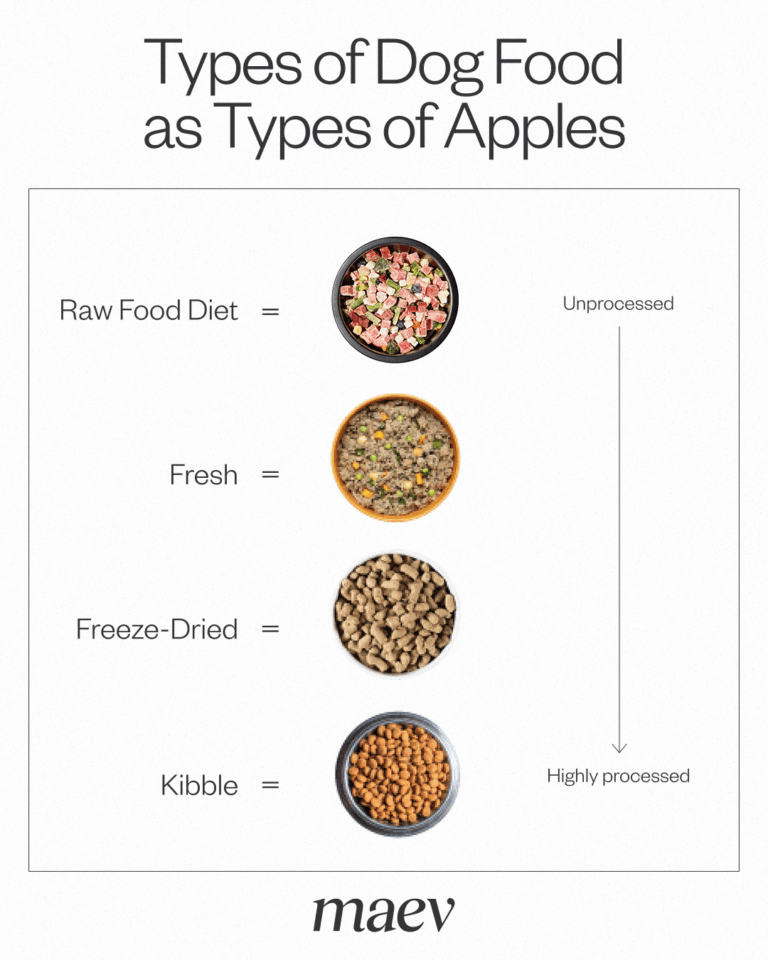
Commercial food offers consistency and is often formulated to meet established nutrient standards. It is also easier to store, measure, and use when life gets busy.
Fresh food may provide more moisture and can make meals more appealing. Some dogs enjoy fresh toppers when they are recovering from illness or losing interest in food. Yet fresh does not always mean healthier, and homemade diets can become unbalanced without planning.
A practical approach is to use a complete commercial diet as the foundation and add a small amount of safe fresh food. This gives your dog variety while protecting overall nutrient balance.
Common mistakes to avoid
Many feeding problems come from good intentions. Owners want to give their dogs wholesome food, but small errors can add up over time.
Avoid these mistakes:
• Feeding only meat without a balanced supplement plan
• Adding too many treats or table scraps
• Using onion, garlic, salt, or spicy seasoning
• Giving cooked bones
• Changing foods suddenly
• Ignoring calorie content
• Following a recipe without checking its nutritional adequacy
• Feeding raw food without understanding bacterial risks
• Giving a special diet without veterinary advice
• Assuming a dog’s food allergy based on one symptom
In my experience, the most common issue is not one unsafe ingredient. It is too much variety, too quickly. A dog may receive chicken at breakfast, cheese during training, eggs at lunch, and fatty leftovers at dinner. Each item seems small, but the total can cause weight gain or stomach upset.
Frequently Asked Questions About the Best Fresh Food to Feed Your Dog
What is the healthiest fresh food for most dogs?
Cooked lean meat, plain fish, eggs, vegetables, and small amounts of fruit can be healthy choices for many dogs. They should support, not replace, a complete and balanced diet unless a veterinary nutritionist formulates the full meal plan.
Can dogs eat fresh food every day?
Dogs can eat small amounts of safe fresh food every day if the food is introduced slowly and calories are controlled. Fresh food should be nutritionally balanced when it makes up most of the diet.
Is chicken and rice good for dogs?
Plain chicken and rice may be useful for a short period in some cases, but it is not complete nutrition for long-term feeding. Contact your veterinarian if vomiting, diarrhea, poor appetite, or weakness continues.
Can I feed my dog raw meat?
Raw meat can carry bacteria and parasites that may harm dogs and people. Cooked meat is a safer choice for most households, especially when children, older adults, pregnant people, or immunocompromised people live in the home.
What fresh foods should dogs never eat?
Dogs should never eat grapes, raisins, onions, garlic, chocolate, caffeine, xylitol, alcohol, macadamia nuts, raw yeast dough, or cooked bones. Contact a veterinarian quickly if your dog eats any of these foods.
How do I start adding fresh food to my dog’s diet?
Start with one plain food in a very small portion. Increase it slowly over several days and watch for digestive upset, itching, or changes in stool.
Can fresh food help a picky dog eat?
A small amount of warm, plain fresh food may make meals more appealing. Before changing the diet, have a veterinarian check for dental pain, nausea, illness, or other causes of poor appetite.
Conclusion
The best fresh food to feed your dog is safe, simple, portion-controlled, and part of a nutritionally complete plan. Cooked lean meats, fish, eggs, vegetables, fruit, and whole grains can add moisture and variety, but they should not replace balanced nutrition without expert guidance.
Start with one ingredient, use small portions, avoid toxic foods, and track your dog’s weight and stool. If you want to feed homemade meals long term, ask your veterinarian for help from a veterinary nutritionist. Share your dog’s favorite safe fresh food in the comments, and explore more evidence-based pet nutrition resources before changing the daily diet.

Pet Care Writer & Researcher
Daniel writes practical guides on daily care, feeding, and safety, turning complex topics into simple, actionable advice.