What Is The Best Raised Dog Bed: Find The Right Choice
Find out what is the best raised dog bed for comfort, cooling, and support. Compare key features and choose the perfect bed for your dog.
The best raised dog bed is a sturdy, breathable cot that supports your dog and fits their size, habits, and health needs.
When choosing what is the best raised dog bed, look beyond color and price. A good bed should keep your dog cool, lift them away from damp floors, support healthy rest, and stay safe during daily use. This guide explains the key features, materials, sizes, benefits, limits, and mistakes to avoid so you can make a smart choice with confidence.
What Is the Best Raised Dog Bed?
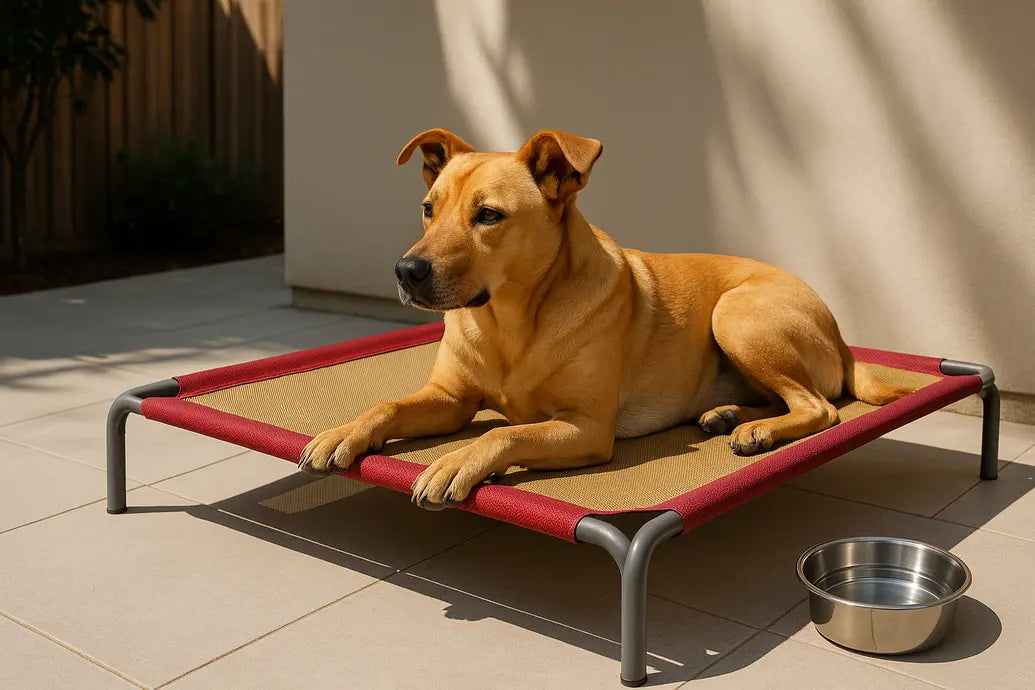
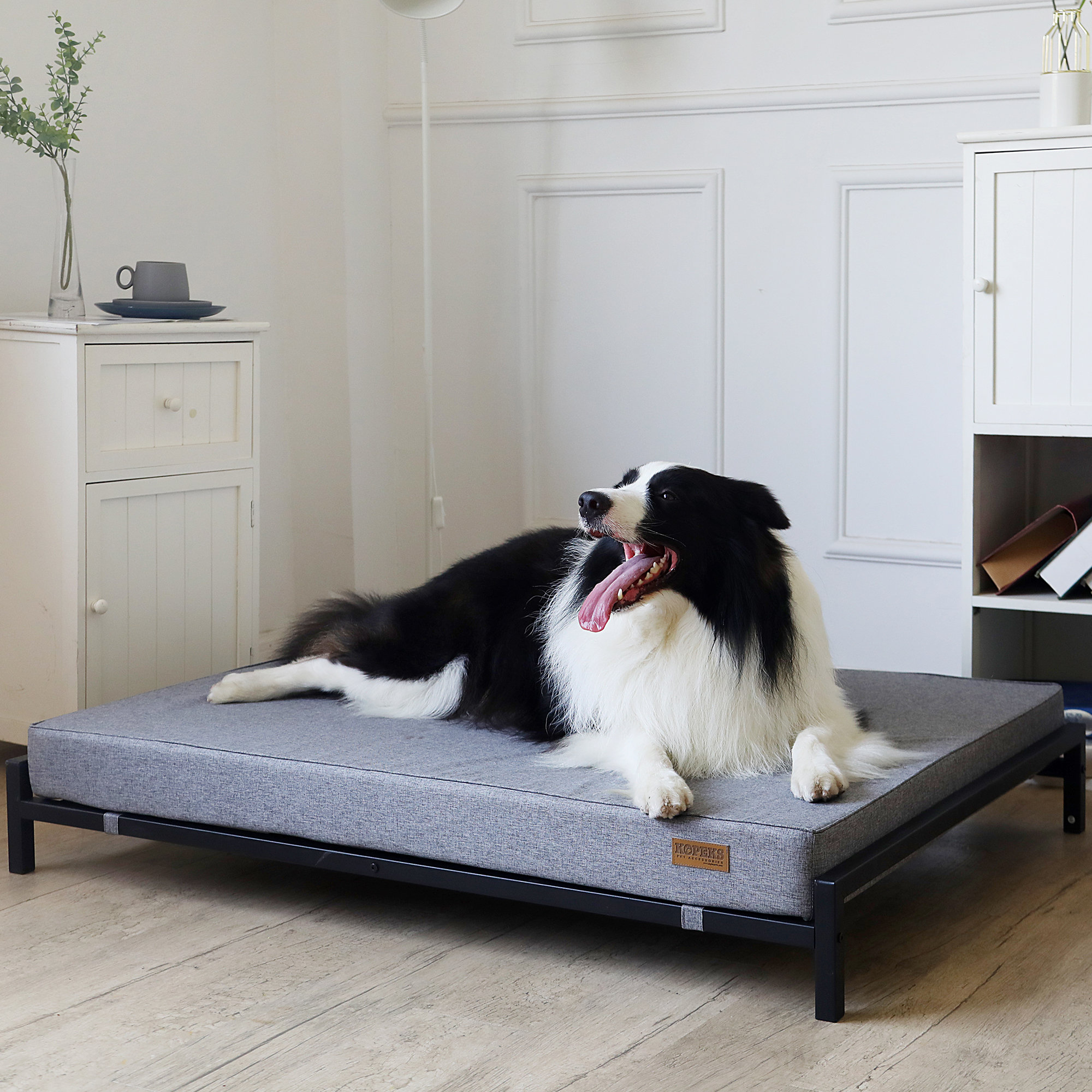
For most dogs, the best raised dog bed is a durable cot-style bed with a strong metal or plastic frame and a tightly woven mesh surface. The fabric should allow air to move under your dog while staying firm enough to prevent sagging.
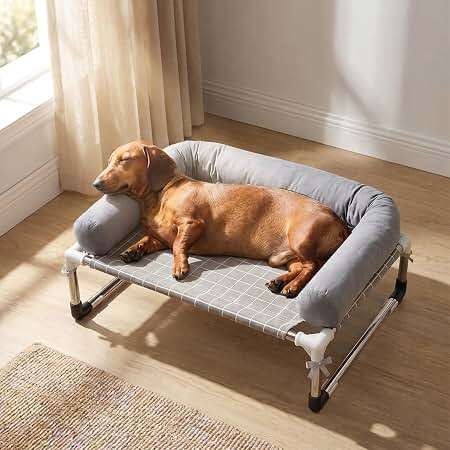
A raised dog bed is not one single product type. It may be an indoor cot, an outdoor cooling bed, an orthopedic platform, or a portable travel bed. The right choice depends on your dog’s weight, age, joint health, chewing habits, sleeping style, and where you plan to use it.
The best raised dog bed should offer these core traits:
• A stable frame that does not wobble
• A breathable sleeping surface
• Rounded or covered edges
• Easy cleaning and quick drying
• Enough space for your dog to stretch out
• A weight rating above your dog’s actual weight
• Replacement parts or washable fabric, when available
A raised bed should feel like a firm hammock, not a loose sling. If the fabric drops too far under your dog, it may place extra strain on the hips, shoulders, and spine.

Why Choose a Raised Dog Bed?
Raised dog beds offer several practical benefits. The open space beneath the bed allows air to flow around your dog. This can help reduce heat buildup, especially in warm rooms, garages, patios, and porches.
The lift also keeps your dog away from cold, damp, or dirty floors. This matters for dogs that sleep in basements, mudrooms, kennels, or outdoor shelters. A raised bed can also help reduce contact with fleas and some floor-level pests, although it should never replace regular pest prevention.
A raised dog bed may help with:
• Better airflow in warm weather
• Less exposure to cold floors
• Cleaner sleeping space
• Easier floor cleaning beneath the bed
• More comfortable outdoor rest
• Simple travel and camping setup
• Reduced contact with wet ground
Many dogs also like the firm support. It gives them a clear sleeping space without the deep sinking found in soft pillow beds. Still, raised beds are not ideal for every dog, which is why the best raised dog bed must match the animal rather than follow a one-size-fits-all rule.

How to Choose the Best Raised Dog Bed
Choosing what is the best raised dog bed starts with your dog, not the product label. Measure your dog while they are lying in their usual sleeping position. Add several inches on every side so they can turn, stretch, and shift without falling off.
Use this simple process:
-
Measure from the nose to the base of the tail.
-
Measure the widest part of the body.
-
Add 6 to 12 inches to both measurements.
-
Compare those numbers with the bed’s actual sleeping area.
-
Check the frame’s weight limit.
A bed that looks large from the outside may have a smaller sleeping surface because of its frame. Always check the inner dimensions. For a dog that curls up, a slightly smaller bed may work. For a dog that sprawls, choose a larger platform.
Consider Your Dog’s Age and Health
Young, healthy dogs often do well on firm mesh beds. Older dogs may need more support, a lower step-up height, or a soft orthopedic pad placed over the raised surface.
Dogs with arthritis, hip dysplasia, back pain, or weak legs may struggle to climb onto a tall cot. Ask your veterinarian for guidance if your dog has a diagnosed joint or mobility condition. A raised frame can improve airflow, but it does not automatically provide orthopedic support.
Match the Bed to the Location
Indoor beds can focus on comfort and appearance. Outdoor beds need stronger resistance to moisture, sunlight, dirt, and repeated washing.
For a patio or yard, look for:
• Rust-resistant metal
• UV-resistant fabric
• Non-skid feet
• Quick-drying mesh
• Strong stitching
• A frame that stays stable on uneven ground
For travel, weight and folding design matter more. A portable raised bed should fold without pinching paws or catching fur. Test the folding locks before placing your dog on it.
Check the Frame
The frame carries your dog’s full weight each time they climb, turn, or jump. Metal frames usually offer strong support, while molded plastic frames resist rust and may weigh less.
Look for wide feet and solid joints. Small feet can sink into grass or slide across smooth floors. Avoid beds with sharp screws, exposed bolts, loose caps, or thin legs that bend under pressure.
In my product comparisons, stability is one of the first things I check. I press down on each corner, inspect the joints, and look for frame movement. A bed may have excellent fabric but still be unsafe if the base rocks or shifts.

Best Raised Dog Bed Materials
The sleeping surface affects comfort, airflow, cleaning, and durability. The most common materials include mesh, canvas, vinyl-coated fabric, and padded covers.
Mesh
Mesh is popular because it allows air to pass beneath the dog. It also dries fast after cleaning. Strong woven mesh can handle daily use, but low-quality mesh may stretch, tear, or catch toenails.
Choose mesh with tight weaving and reinforced seams. Look closely at the corners, since that is where tension often builds.
Canvas
Canvas feels more solid than open mesh. It may suit dogs that dislike a flexible surface. However, canvas can hold moisture longer and may become hot in direct sun unless it has a breathable design.
Vinyl-Coated Fabric
Vinyl-coated fabric is easy to wipe clean. It works well for dogs that track mud or have occasional accidents. The drawback is that it may feel warmer and less breathable than mesh.
Padded Covers
A padded cover can make a raised bed more comfortable for senior dogs. It should fit tightly and remain secure during movement. Loose padding may bunch up and create an uneven sleeping surface.
A removable cover is useful, but wash it according to the care label. Hot water or harsh cleaners can damage coatings and weaken fabric.

Raised Dog Beds for Different Types of Dogs
The best raised dog bed for a small dog may not suit a large breed. Size, strength, and entry height all change the buying decision.
Small Dogs
Small dogs need a bed that feels stable. A tall frame can seem difficult to climb, and a wide mesh surface may feel unsteady under a lightweight body.
Choose a lower bed with narrow spacing between support bars. Add a small step if needed, but make sure it does not slide.
Large and Giant Dogs
Large dogs need a heavy-duty frame and a strong, well-supported surface. Check both the listed weight limit and the bed’s center support.
A large dog may cause a weak cot to bow in the middle. Excess sag can reduce comfort and may cause the dog to avoid the bed.
Puppies
Puppies chew, scratch, dig, and explore with their mouths. A raised bed with exposed fabric edges may not last long with a teething puppy.
Inspect the bed often. Remove it if your puppy tears the mesh, chews the frame, or swallows fabric pieces. No raised bed is chew-proof.
Senior Dogs
Older dogs often need a low entry point and a firm but gentle surface. A soft pad can help cushion joints, but it should not slide across the frame.
Watch how your dog gets on and off the bed. Hesitation, slipping, or repeated attempts may mean the bed is too high or unstable.
Dogs That Sleep Hot
For dogs that overheat easily, a breathable mesh cot can improve airflow. Place it in shade and keep fresh water nearby. A raised bed cannot prevent heat illness in very hot weather.
Never use a bed as a substitute for shade, ventilation, or safe temperature control.

Raised Dog Bed Safety Tips
A raised dog bed should be safe before it is comfortable. Set it on a level surface and check that all feet touch the ground. Place it away from stairs, pools, open flames, and sharp objects.
Inspect the bed at least once a week when it is used often. Look for:
• Torn mesh
• Loose stitching
• Bent legs
• Rust
• Missing screws
• Cracked plastic
• Worn rubber feet
• Gaps that could trap a paw
Some dogs jump on and off with force. That repeated impact can loosen joints over time. If the bed moves each time your dog lands, repair or replace it.
Do not place a thick blanket on top if it blocks airflow or slips off the frame. If your dog needs more warmth, use a fitted pad made for that bed.
A dog that guards its sleeping space may also need a bed placed in a quiet area. Comfort includes feeling secure, not just having a soft surface.
Cleaning and Maintenance
One major benefit of a raised dog bed is easier cleaning. Hair, dirt, and crumbs often fall through the mesh or collect below the frame instead of staying trapped inside thick stuffing.
Follow these care steps:
-
Remove loose hair with a vacuum or soft brush.
-
Wipe the frame with mild soap and water.
-
Rinse the sleeping surface well.
-
Allow every part to dry fully before use.
-
Check seams and joints before putting the bed back.
Avoid bleach, strong solvents, and harsh fragrances unless the manufacturer specifically approves them. These products can damage fabric or irritate a dog’s skin and breathing.
For outdoor beds, bring them inside during storms, freezing weather, or long periods of direct sun. Moisture can weaken fabric and cause metal parts to rust.
A common mistake is washing the cover and returning it while still damp. Trapped moisture can create odor and encourage mold. Drying matters as much as washing.

Raised Dog Bed vs. Traditional Dog Bed
A raised bed and a traditional floor bed solve different problems. A floor bed often gives better cushioning and warmth. A raised bed usually gives better airflow, cleanliness, and outdoor performance.
Choose a raised bed when:
• Your dog sleeps hot
• The floor is damp or dirty
• You need a portable option
• Your dog spends time outdoors
• You want to clean beneath the bed easily
Choose a traditional orthopedic bed when:
• Your dog has significant joint pain
• Your dog struggles with steps or height
• Your dog needs deep cushioning
• Your home is cold
• Your dog prefers a soft nesting surface
Many households use both. A raised cot can work in the living room or yard, while an orthopedic mattress can serve as the nighttime bed.
The best raised dog bed is not always the only bed your dog needs. Think of it as one tool in a complete comfort plan.

Common Buying Mistakes to Avoid
Even a well-reviewed product can disappoint if it does not fit your dog or home. Avoid choosing based only on appearance or a low price.
Common mistakes include:
• Buying a bed that is too small
• Ignoring the weight limit
• Choosing a tall frame for a weak or elderly dog
• Using an indoor bed outdoors
• Failing to check replacement fabric options
• Assuming all mesh is equally strong
• Placing the bed on a slippery floor
• Skipping regular safety checks
Another mistake is expecting a raised bed to solve every sleep problem. A dog may avoid the bed because of heat, fear, pain, noise, or a preference for soft bedding.
Introduce the bed slowly. Place it near a favorite resting spot and reward calm investigation. Do not force your dog onto it. A few treats and familiar bedding can make the new surface feel welcoming.
How Much Should You Spend?
Raised dog beds range from basic budget models to heavy-duty beds with replacement covers and stronger frames. Price often reflects material quality, size, frame strength, and warranty support.
A low-cost bed may be suitable for a small dog used indoors. A large outdoor dog may need a more expensive model because the frame and fabric face greater stress.
Before buying, compare:
• The actual sleeping area
• Weight capacity
• Frame material
• Fabric strength
• Warranty length
• Washability
• Replacement part availability
• Customer reports about sagging and rust
Do not pay extra for decorative features that do not improve safety or comfort. A simple, stable bed is often better than a stylish bed with weak joints.
How to Test a Raised Dog Bed at Home
After delivery, test the bed before letting your dog use it. Place it on a flat surface and apply pressure to each corner. Then press the center to check for excessive sag.
Look for:
-
Wobbling when pressure is applied
-
Sharp edges or exposed hardware
-
Loose fabric
-
Strong chemical odors
-
Slippery feet
-
Folding parts that pinch fingers or paws
Measure the bed again if it looks smaller than expected. Product photos can make a bed appear larger than it is.
For the first few days, watch your dog closely. Notice whether they climb on with ease, settle comfortably, and get off without slipping. These real-use details are more helpful than marketing claims.
In practical testing, the best raised dog bed is the one that remains stable after repeated use. A bed that looks impressive on day one must still perform well after cleaning, jumping, and outdoor exposure.
Frequently Asked Questions About What Is the Best Raised Dog Bed
What is the best raised dog bed for most dogs?
A sturdy cot with breathable mesh, a stable frame, rounded edges, and the correct size suits many healthy dogs. Choose a lower model with extra padding if your dog is older or has mobility concerns.
Are raised dog beds good for dogs?
Yes, raised dog beds can improve airflow, keep dogs away from damp floors, and make cleaning easier. They may not suit dogs that need deep cushioning or cannot climb onto an elevated surface.
Is mesh or fabric better for a raised dog bed?
Mesh usually provides better airflow and dries faster. Solid fabric may feel firmer, but it can retain more heat and moisture, so the best choice depends on your dog and the bed’s location.
Can puppies use raised dog beds?
Puppies can use raised dog beds when the frame is stable and the surface is safe. Check the bed often because chewing can create torn fabric, sharp edges, or pieces that may be swallowed.
How high should a raised dog bed be?
The bed should be high enough for airflow but low enough for your dog to climb on safely. Senior dogs and dogs with weak joints often need a low-entry design rather than a tall frame.
How do I stop a raised dog bed from sliding?
Place it on a level surface and use non-skid feet or a rubber mat beneath the frame. Avoid smooth floors if the bed shifts when your dog jumps on or off.
How often should I replace a raised dog bed?
Replace it when the frame bends, the fabric tears, the joints loosen, or the surface sags heavily. With proper care, a strong bed may last for years, but heavy use and outdoor exposure can shorten its life.
Conclusion
The best raised dog bed combines strong support, breathable material, safe construction, easy cleaning, and the right fit for your dog. Consider your dog’s age, weight, mobility, sleeping style, and living space before you buy.
Measure carefully, inspect the frame, and watch how your dog uses the bed during the first few days. The right choice can give your dog a cooler, cleaner, and more comfortable place to rest. Compare reliable options, review the care instructions, and choose the bed that fits your dog’s real daily needs.

Pet Care Writer & Researcher
Daniel writes practical guides on daily care, feeding, and safety, turning complex topics into simple, actionable advice.