What Is The Best Type Of Dog Bed: Find The Right Fit
What is the best type of dog bed? Compare orthopedic, washable, cooling, and calming options to find the perfect fit for your pet.
The best type of dog bed is a supportive, washable bed matched to your dog’s size, age, and sleep style.
Choosing the right dog bed is not just about color or price. Your dog’s age, breed, joints, sleeping position, body size, and health all matter. After comparing common bed styles and seeing how dogs use them in daily life, I find that a high-quality orthopedic memory foam bed is the best choice for many adult dogs, while puppies, chewers, and dogs that sleep hot may need a different design.
What Is the Best Type of Dog Bed?
For most adult dogs, the best type of dog bed is an orthopedic memory foam bed with a washable cover, firm support, and enough space to stretch out. Memory foam helps spread body weight across the sleeping surface. This can reduce pressure on the hips, shoulders, elbows, and spine.
That said, no single bed is perfect for every dog. A small puppy may need a simple, washable bed. A senior Labrador may need thick orthopedic foam. A long-haired dog may prefer a raised cot that allows air to move beneath the body.
The best type of dog bed should meet five basic needs:
• Support: It should cushion the body without sinking too deeply.
• Size: Your dog should be able to lie flat and turn around with ease.
• Safety: It should not have loose parts, toxic materials, or sharp edges.
• Cleanliness: The cover should be easy to remove and wash.
• Comfort: The fabric and shape should match your dog’s habits.
A dog bed should work like a good pair of shoes. It should support your dog without causing pressure or discomfort. A soft bed may feel pleasant at first, but too much softness can make it hard for an older dog to stand up.

How to Choose the Best Dog Bed for Your Dog
The best type of dog bed depends on your dog, not just on product ratings. Watch where your dog sleeps, how they get up, and how they react to different surfaces. These small clues can tell you more than a product label.
Consider your dog’s age
Puppies often need beds that are durable and easy to clean. Accidents, chewing, and digging are common during the first year. A simple foam mattress with a waterproof liner can be a smart choice.
Adult dogs may benefit from a bed that matches their sleep style. Dogs that curl up may like a bolster bed with raised sides. Dogs that stretch out often need a flat mattress with extra length.
Senior dogs usually need stronger support. Joint stiffness, arthritis, and reduced muscle strength can make it difficult to rise from a deep, soft bed. In many cases, a firm orthopedic mattress with a low entry point is the best type of dog bed for an older dog.
Measure your dog correctly
Do not guess the size from weight alone. A long, slim Greyhound and a short, stocky Bulldog may weigh the same but need very different beds.
Measure your dog from the nose to the base of the tail while they are lying down. Add about 10 to 12 inches to the length. Also measure across the widest part of the body and add several inches for turning and stretching.
A good bed lets your dog:
• Lie fully on the mattress
• Turn around without falling off
• Rest the head without hanging over the edge
• Stretch the legs without touching the floor
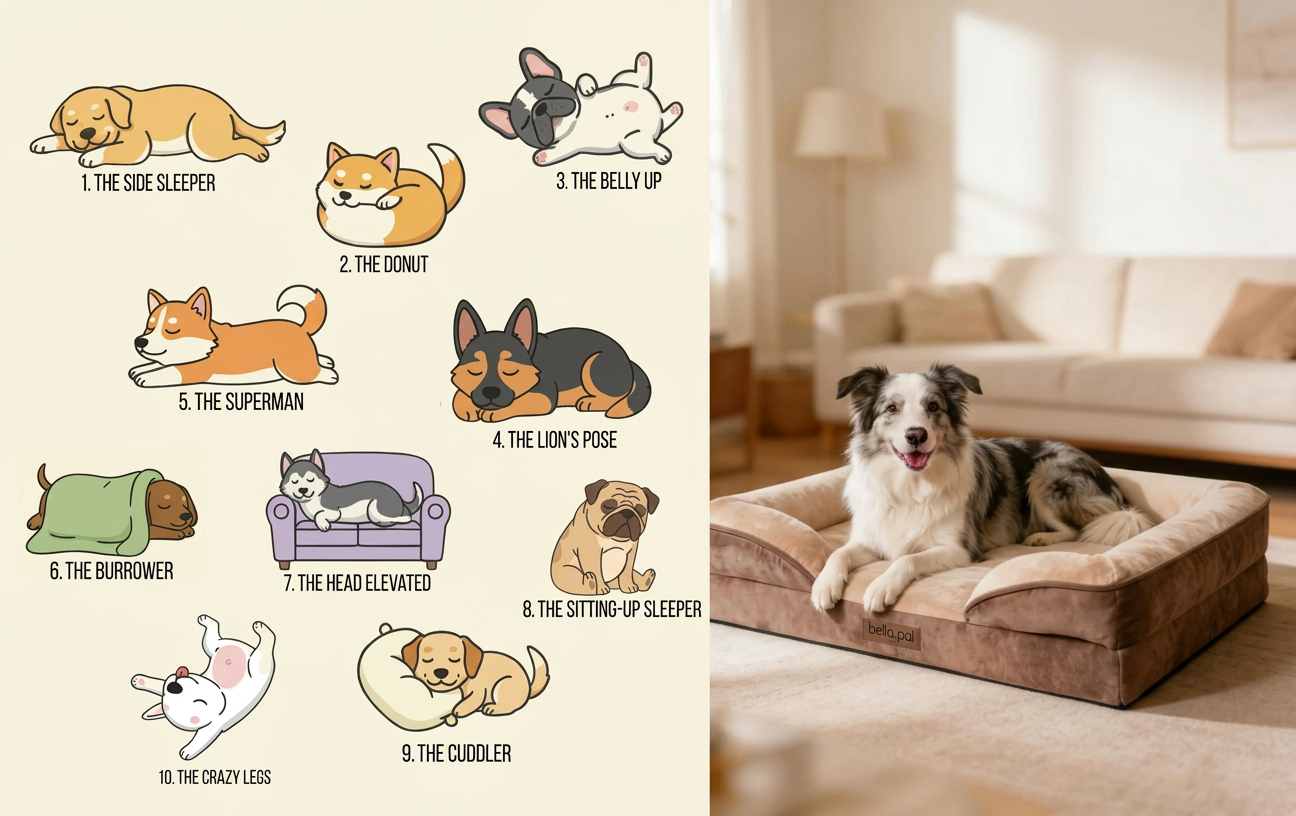
Match the bed to sleeping style
Your dog’s sleeping position can guide your choice.
• Curlers often enjoy round beds, donut beds, or beds with raised rims.
• Stretchers usually prefer flat rectangular mattresses.
• Leaners may like a bolster bed with one or more firm sides.
• Burrowers often enjoy covered beds or soft blankets.
• Dogs that sleep on cool floors may prefer a raised cot or cooling mat.
In my experience, many owners buy what looks attractive in a store instead of watching how their dog sleeps. That is a common mistake. The best type of dog bed should support the habits your dog already has.

The Main Types of Dog Beds
Each bed style has strengths and limits. Knowing the difference makes it easier to choose wisely.
Orthopedic memory foam beds
Orthopedic beds use dense foam, memory foam, or a combination of both. They are often the best type of dog bed for senior dogs, large breeds, and dogs with joint problems.
Benefits include:
• Even weight distribution
• Reduced pressure on sore joints
• Better support for the spine
• Less sinking than basic fiber-filled beds
• Long-term comfort for large dogs
Look for a mattress with a thick support layer. A thin foam pad may feel soft but can flatten quickly. The cover should also have a zipper and a strong seam.
Memory foam can hold heat. If your dog sleeps hot, choose a breathable cover or place the bed in a cool room.
Bolster beds
Bolster beds have raised edges around some or all sides. They give dogs a place to rest the head and can create a cozy, secure feeling.
They work well for:
• Small dogs
• Curling sleepers
• Nervous dogs that like a nest-like space
• Dogs that lean against furniture
The main limitation is the entry height. A high bolster may be hard for a senior dog or a dog with weak legs to step over. For these dogs, choose a low-entry model.
Pillow or cushion beds
Pillow beds are often filled with polyester fiber or shredded foam. They are light, affordable, and easy to move around the home.
They may be suitable for healthy adult dogs that do not need special joint support. However, cheap filling can flatten fast. Once the filling loses shape, the floor may provide more support than the bed.
A pillow bed can be the best type of dog bed for a young, healthy dog, but it is not always the best choice for a heavy or aging dog.
Raised cot beds
Raised beds use a fabric surface stretched across a metal or plastic frame. Air flows below the dog, which can help dogs that sleep hot.
They are useful for:
• Warm climates
• Outdoor spaces
• Dogs that chew soft bedding
• Homes that need easy floor cleaning
Raised cots are not ideal for every dog. The hard frame may offer less pressure relief than memory foam. Some older dogs may also find it difficult to climb onto a high cot.
Heated and cooling beds
Cooling beds can help dogs stay comfortable during warm weather. Some use gel, while others use breathable mesh or water-filled layers. Heated beds may help certain senior dogs, but they require careful supervision.
Never use a heated bed as a replacement for veterinary care. Avoid very high temperatures, damaged cords, and products that your dog can chew. A cool room, fresh water, shade, and safe airflow are also essential.
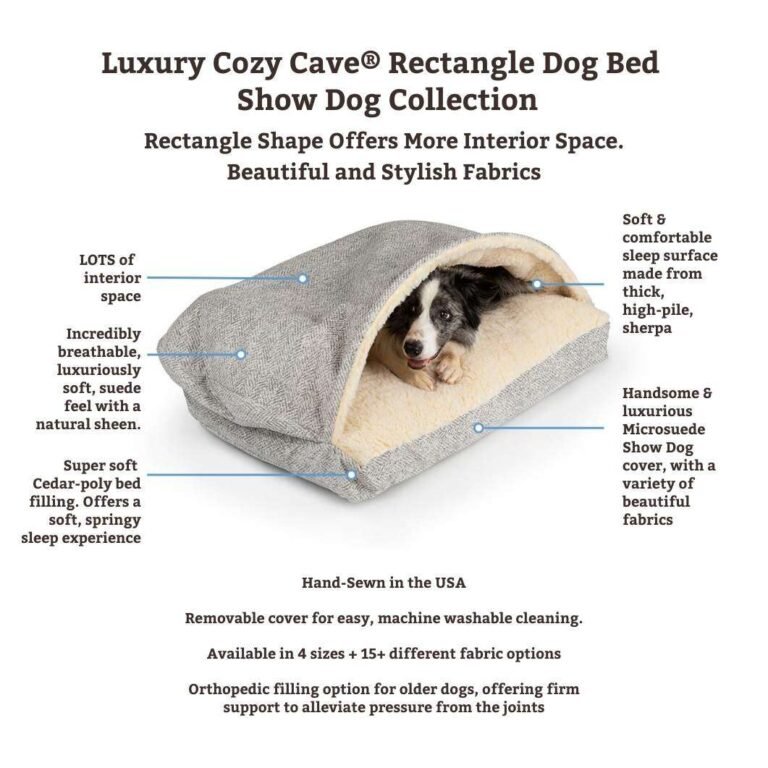
Covered and cave beds
Covered beds give dogs a dark, enclosed place to rest. They may suit small dogs, anxious dogs, and dogs that enjoy burrowing under blankets.
They can be less suitable for large dogs or dogs that overheat. Always check that the opening is wide and that the inside does not trap excessive heat.
The Best Type of Dog Bed for Specific Dogs
The best type of dog bed changes with health, breed, and daily routine. Use the following guide as a starting point.
Best dog bed for puppies
Choose a durable, washable bed with a waterproof liner. Avoid loose stuffing, exposed zippers, and small parts that a puppy could swallow.
A low bed is safer than a tall one. Puppies are still learning body control, so a raised edge or high platform can create a fall risk.
Best dog bed for senior dogs
An orthopedic memory foam mattress is often the best type of dog bed for a senior dog. Choose firm support, a low step-in edge, and a non-slip bottom.
Place the bed in a warm, quiet area away from cold drafts. If your dog has pain, limping, or trouble standing, consult a veterinarian. A bed can improve comfort, but it cannot treat arthritis or another medical problem.
Best dog bed for large breeds
Large dogs need dense foam and strong stitching. A bed that looks large may still be too small if the usable sleeping area is reduced by thick bolsters.
Check the weight limit and the thickness of the support foam. Large dogs place more force on a mattress, so weak filling may compress quickly.
Best dog bed for small dogs
Small dogs often enjoy a soft bed with raised sides. A covered bed may also help a nervous dog feel secure.
Do not choose a bed that is too deep or difficult to enter. Small dogs can lose body heat more quickly, so a warm sleeping spot may be helpful during cold months.
Best dog bed for dogs with anxiety
A nest-style bed, bolster bed, or covered bed may help some anxious dogs feel protected. Place it in a quiet area where your dog can still see familiar people.
The bed should never be used to confine a fearful dog. Supportive training, exercise, routine, and professional help may be needed for serious anxiety.
Best dog bed for chewers
Choose a cot-style bed with a strong frame and tightly woven fabric. Some heavy-duty beds resist damage better than plush beds.
No fabric bed is truly chew-proof. Remove the bed if your dog tears it open, since swallowed foam and fabric can cause a dangerous intestinal blockage.
Best dog bed for dogs that sleep hot
A raised cot, cooling mat, or breathable foam bed may work well. Keep the bed away from direct sunlight and provide water nearby.
Watch for heavy panting, weakness, confusion, vomiting, or collapse. These may be signs of heat illness and require urgent veterinary care.
What Materials Make a Dog Bed Comfortable and Safe?
Material quality affects comfort, cleaning, odor, and durability. The best type of dog bed usually combines a strong support core with a washable outer cover.
Foam
High-density foam offers better support than loose fiber. Memory foam shapes around the body, while support foam helps prevent the dog from sinking too far.
Look for foam that returns to its shape after pressure is removed. If the mattress stays flat or lumpy, it may not provide enough support.
Cover fabric
Common cover materials include cotton, polyester, microfiber, canvas, and waterproof fabric. Soft fabric may feel comfortable, but a durable cover is more useful if your dog digs or scratches.
A removable cover is important. Wash it according to the care label, and check for loose seams after each wash.
Waterproof liners
A waterproof liner protects the inner foam from urine, drool, mud, and spills. This feature is especially helpful for puppies, senior dogs, and dogs recovering from illness.
Do not ignore a damp mattress. Moisture can create odor and may support mold growth if the bed is not dried fully.
Non-slip bottoms
A non-slip base helps prevent the bed from sliding when a dog lies down or stands up. This matters most for senior dogs and dogs with weak joints.
Place the bed on a flat surface. A non-slip bottom cannot fully prevent movement on wet or highly polished floors.
Safe construction
Check the bed for:
• Loose threads
• Exposed foam
• Weak seams
• Small buttons or decorations
• Strong chemical odors
• Unstable frames
Safety matters more than appearance. If the bed causes coughing, skin irritation, or unusual discomfort, stop using it and ask a veterinarian about possible allergies or sensitivities.

Common Dog Bed Buying Mistakes
Many poor purchases happen because the bed is chosen for the owner rather than the dog. A stylish bed is not useful if your dog avoids it.
Buying a bed that is too small
Dogs need room to shift positions. A bed that fits only when the dog curls up may become uncomfortable during long naps.
Measure the sleeping area, not just the outer frame. Bolsters and thick walls can reduce the space available to your dog.
Choosing softness over support
A very soft bed may feel luxurious, but it can allow the body to sink unevenly. This is especially hard on older dogs.
Press the mattress with your hand. It should compress slightly, then recover. It should not feel like a thin blanket on the floor.
Ignoring cleaning needs
A bed that cannot be washed may become a source of odor and dirt. Dogs carry dust, hair, pollen, and outdoor debris into their sleeping areas.
Choose a removable cover. Keep a spare cover if possible so your dog always has a clean place to rest.
Focusing only on price
The cheapest bed may cost more over time if it flattens, tears, or needs frequent replacement. The most expensive bed is not automatically the best type of dog bed either.
Compare support, materials, warranty, cleaning design, and expected lifespan. Value matters more than the price tag alone.
Placing the bed in the wrong location
Even the best type of dog bed may be ignored if it sits in a busy walkway, near loud equipment, or in direct heat.
Try placing the bed in a calm area where your dog already likes to rest. Some dogs prefer being near the family, while others need a quiet corner.

How to Help Your Dog Use a New Bed
Some dogs accept a new bed at once. Others need time. Do not force your dog onto it.
Use this simple process:
-
Place the bed near an area your dog already enjoys.
-
Add a familiar blanket or toy.
-
Reward your dog for sniffing or stepping onto the bed.
-
Offer a chew or calm praise while your dog rests there.
-
Keep the area quiet and comfortable.
-
Move the bed slowly if you want it in another room.
A bed can feel unfamiliar because it has a new smell or texture. One mistake I often see is removing the old bed too soon. Keep the familiar option nearby until your dog begins using the new one.
If your dog avoids the bed for several days, check the temperature, size, surface, and location. The problem may not be stubbornness. The bed may simply feel too warm, too soft, too high, or too enclosed.

How to Clean and Maintain a Dog Bed
Regular cleaning protects both comfort and hygiene. Wash the cover based on the manufacturer’s instructions and your dog’s use.
For most homes:
• Vacuum hair and dirt every few days.
• Wash the cover every one to two weeks.
• Clean accidents as soon as possible.
• Dry all parts completely before use.
• Inspect seams and foam each month.
Dogs with allergies may need more frequent washing. Use a mild, fragrance-free detergent if your dog has sensitive skin. Avoid harsh scents that can bother a dog’s strong sense of smell.
Replace the bed when the foam stays compressed, the cover cannot be cleaned, or the structure becomes unsafe. A lumpy bed may cause uneven pressure and reduce the comfort benefits you bought it for.

Frequently Asked Questions About the Best Type of Dog Bed
What is the best type of dog bed for most dogs?
An orthopedic memory foam bed with a washable cover is the best type of dog bed for many adult dogs. It offers support, comfort, and pressure relief, but the size and design must still match the dog’s needs.
Are orthopedic dog beds worth the money?
They can be worth the cost for senior dogs, large breeds, and dogs with joint pain. Dense foam usually provides better support and lasts longer than low-quality fiber filling.
Should a dog bed be firm or soft?
A dog bed should be supportive with some cushioning. If it is too firm, it may create pressure points, while excessive softness can make it difficult for a dog to stand.
How big should a dog bed be?
Measure your dog while lying down and add about 10 to 12 inches to the length. The best type of dog bed lets your dog stretch, turn, and rest without hanging over the edge.
Is memory foam safe for dogs?
Quality memory foam is generally suitable for dogs when it is covered and used as directed. Choose a well-made bed, allow strong manufacturing odors to clear, and replace the bed if your dog tears into the foam.
Do dogs need a bed if they sleep on the couch?
A dedicated bed gives your dog a consistent, washable place to rest. It can also protect furniture and provide better support than a soft couch cushion.
Conclusion
The best type of dog bed is one that fits your dog’s body, age, health, sleeping style, and home routine. For many dogs, a supportive orthopedic memory foam bed with a washable cover is a strong choice. Puppies, hot sleepers, chewers, and dogs that like enclosed spaces may need different designs.
Start by measuring your dog, watching how they sleep, and checking whether they can rise with ease. Choose support and safety before appearance, then keep the bed clean and inspect it often. Explore well-made options, compare materials carefully, and share your dog’s bed experience in the comments.

Pet Care Writer & Researcher
Daniel writes practical guides on daily care, feeding, and safety, turning complex topics into simple, actionable advice.