What Dog Has The Loudest Bark: Top Breed Revealed
What dog has the loudest bark? Compare the top barking breeds, their sound levels, and what makes these dogs so remarkably vocal.
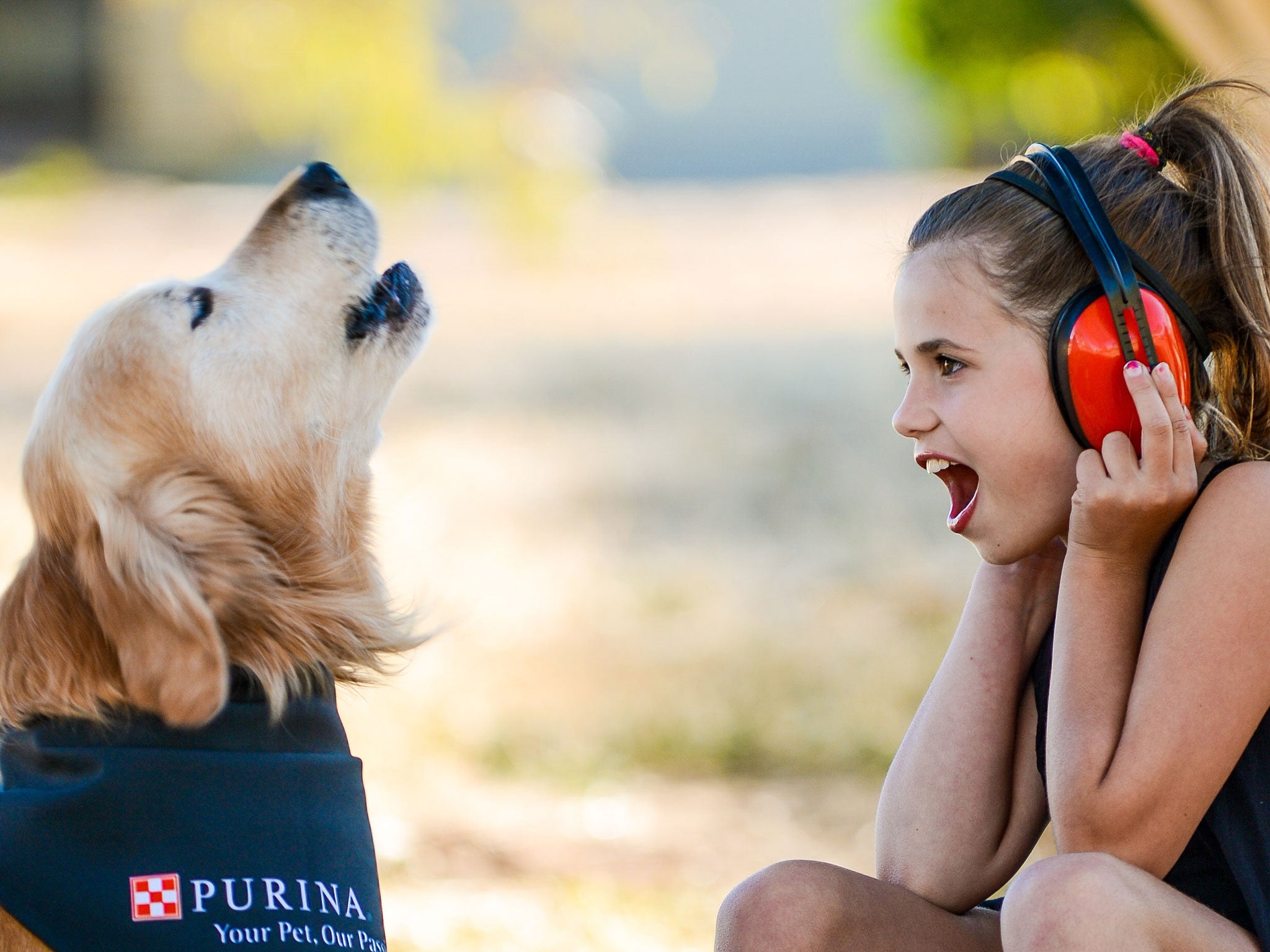
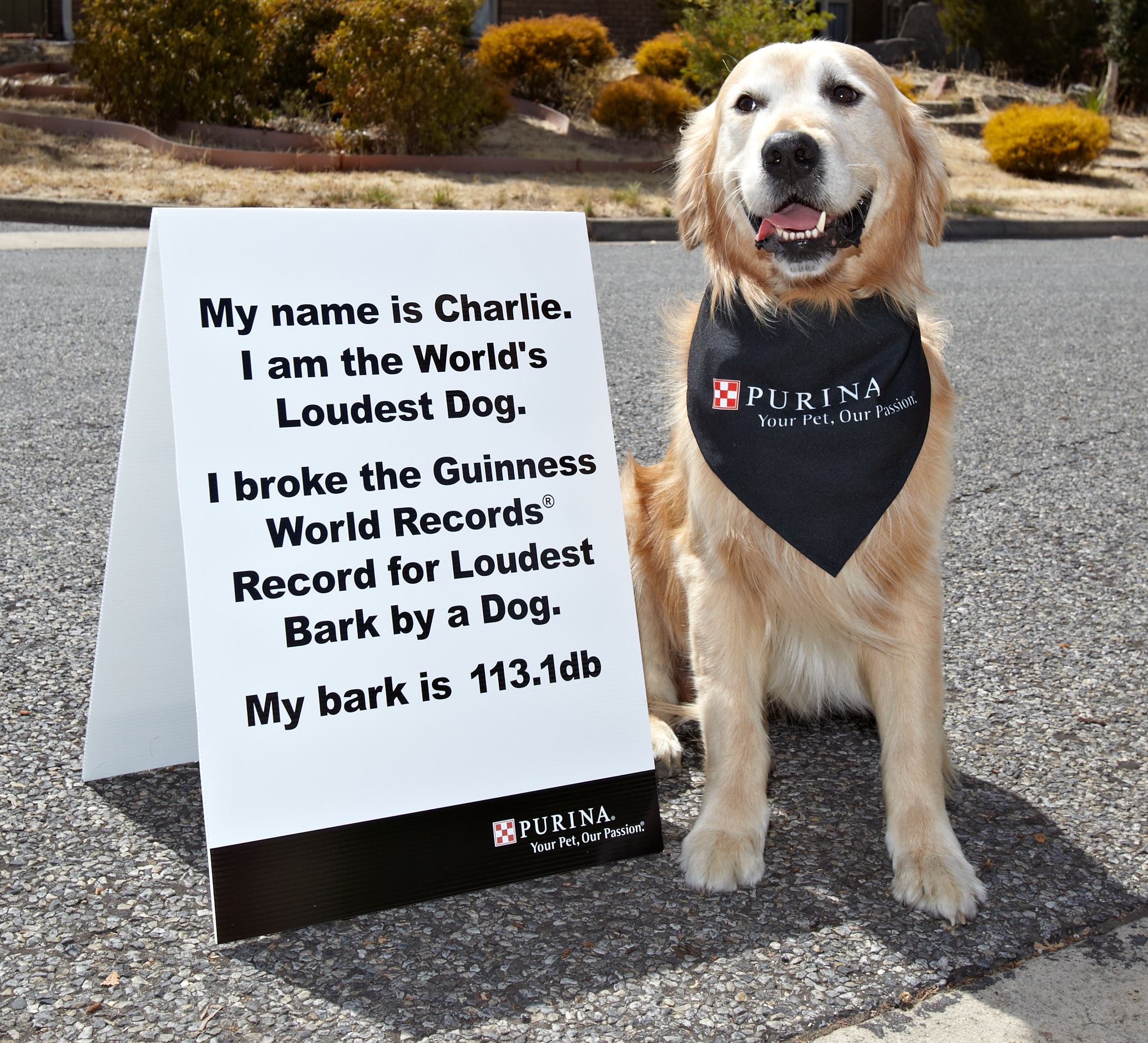
Charlie, a Golden Retriever in Australia, holds the widely recognized record for the loudest dog bark at 113.1 decibels.
The answer needs one key detail: Charlie’s record belongs to one dog, not every Golden Retriever. Breed, body size, chest strength, health, mood, and the distance used for testing can all change how loud a bark seems. This guide explains what dog has the loudest bark, how the record was measured, which breeds are known for powerful voices, and how to manage loud barking safely.
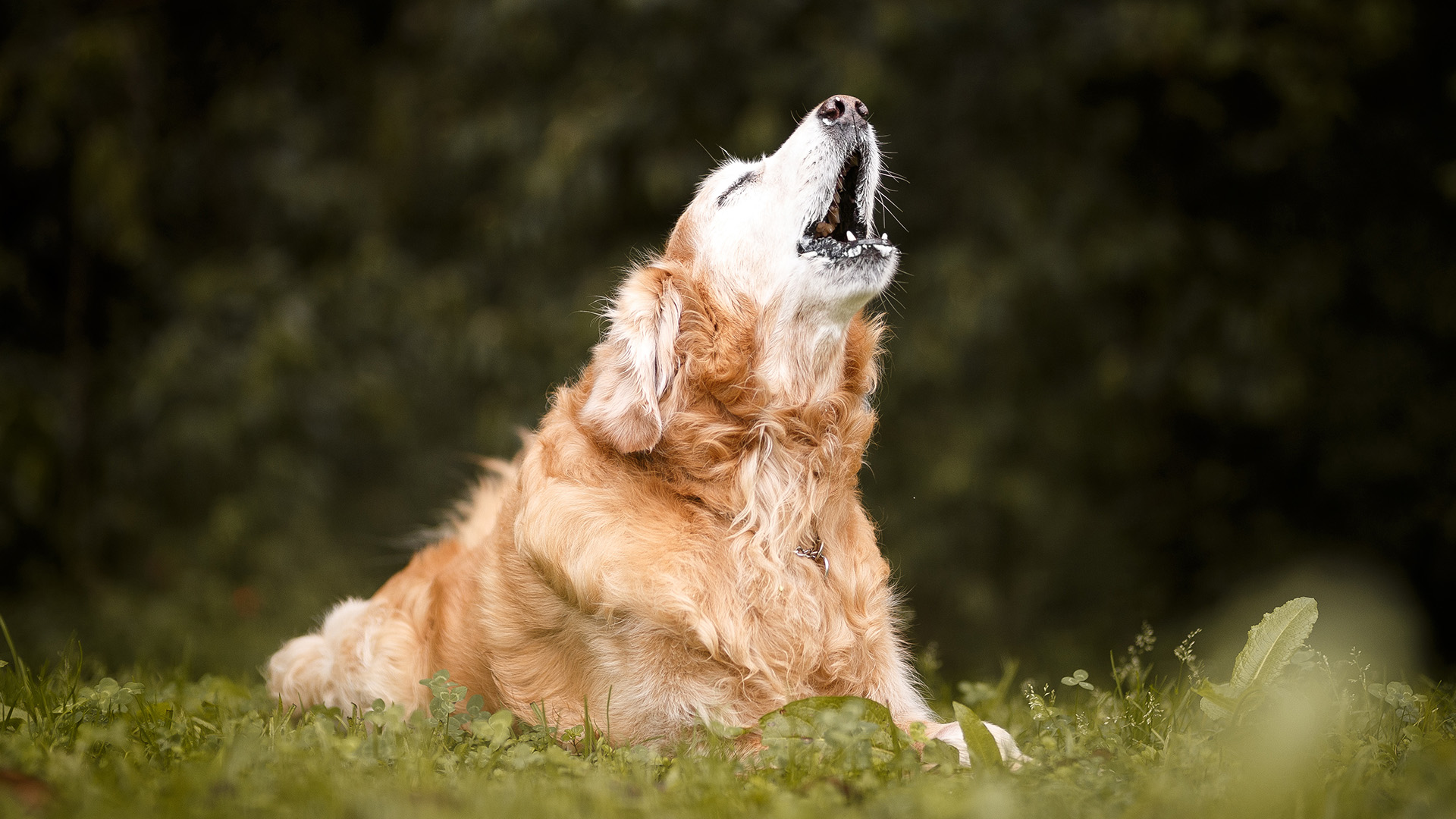
What dog has the loudest bark?
Charlie, an Australian Golden Retriever, is widely recognized as the dog with the loudest bark. His bark reached 113.1 decibels during an official measurement in 2012.
That level is extremely loud. For comparison, normal conversation is often around 60 decibels, while a busy street may reach about 80 to 90 decibels. A dog bark can sound even more intense because it is sudden, sharp, and close to the listener.
The record does not mean every Golden Retriever has the loudest bark. It shows that Charlie produced the highest verified bark in that specific test.
What does 113.1 decibels mean?
Decibels use a logarithmic scale. This means a small number increase can represent a large rise in sound energy.
A bark measured at 113.1 decibels may be similar in volume to:
• A loud rock concert
• A chainsaw heard nearby
• A siren at close range
• Heavy industrial machinery
The exact comparison depends on distance, room shape, equipment, and testing conditions. A bark measured close to the dog will sound much louder than the same bark heard across a yard.

How was the loudest dog bark measured?
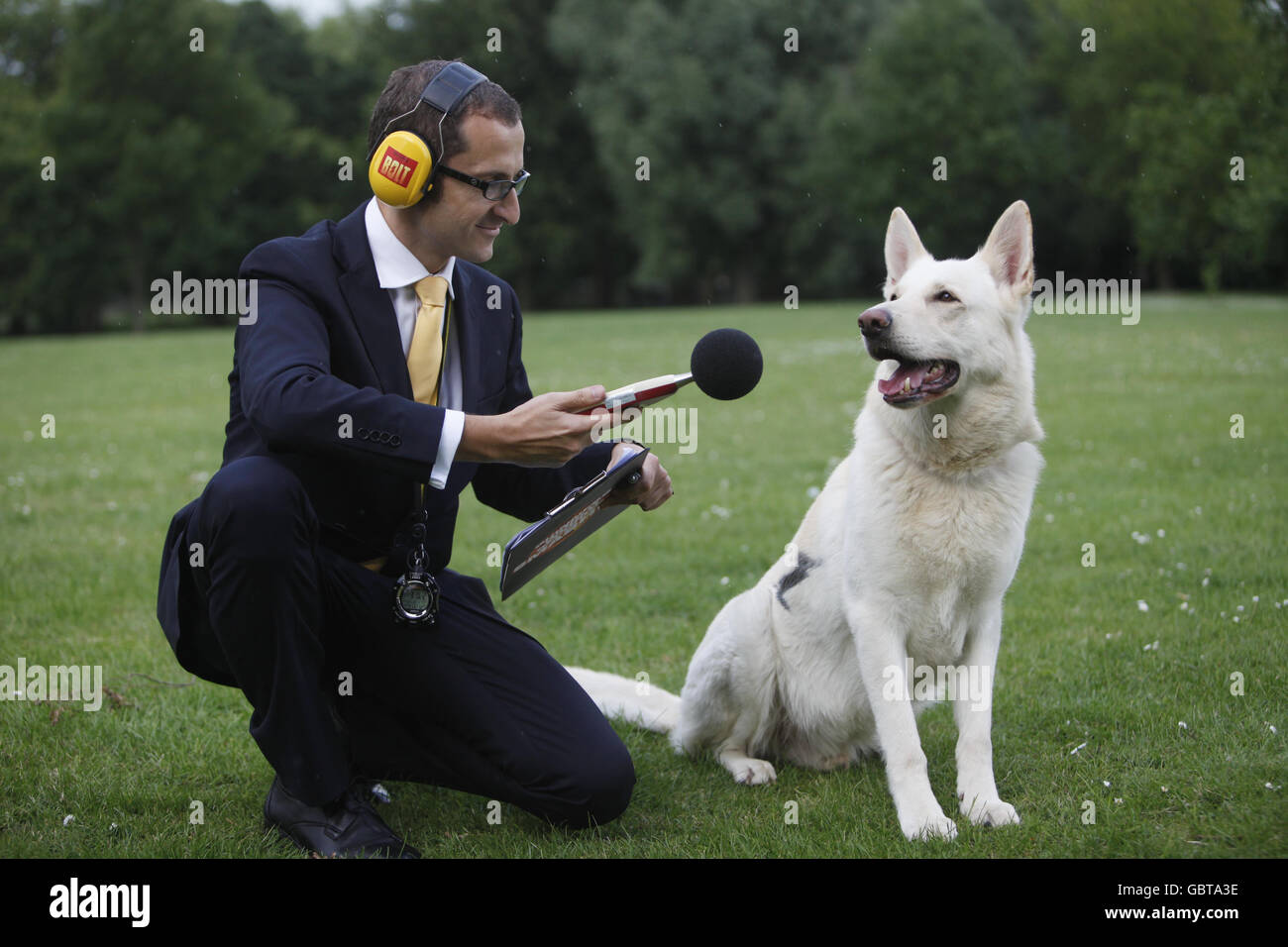
A loudness record must use careful testing. The microphone needs proper calibration, and the distance from the dog must remain consistent. Without these controls, two bark measurements cannot be compared fairly.
Charlie’s bark was measured during a controlled record attempt. The reported result was 113.1 decibels, which is why he is often named when people ask what dog has the loudest bark.
Still, there are limits to any sound record. Weather, background noise, microphone placement, room acoustics, and the dog’s excitement can affect the result.
Why distance matters
Sound becomes weaker as it moves away from its source. A dog that sounds deafening beside you may seem much quieter at the end of a large yard.
This is one reason online claims about the loudest dog bark can be confusing. Some people measure sound with phone apps, but phone microphones and apps are not always accurate enough for official comparisons.
Can a phone measure a dog’s bark?
A phone can offer a rough estimate, but it should not be treated as proof. Most phone apps are not professional sound meters, and the phone may limit very loud sounds to protect its microphone.
For a reliable reading, use a calibrated sound-level meter. Keep the meter at a fixed distance, avoid walls that reflect sound, and never place the device close to a dog’s mouth.
Which dog breeds have the loudest barks?
There is no official ranking that proves one entire breed always has the loudest bark. Individual dogs vary greatly. However, several breeds are well known for deep, strong, or far-carrying voices.
Golden Retriever
Golden Retrievers can bark loudly, especially when excited, bored, or trying to get attention. Charlie’s record makes this breed especially relevant when discussing what dog has the loudest bark.
Most Golden Retrievers are friendly and social. Their barking often comes from excitement, play, separation stress, or a desire to interact rather than serious aggression.
German Shepherd
German Shepherds have deep, powerful barks. They were developed for work, guarding, and close cooperation with people, so many are naturally alert and quick to vocalize.
A well-trained German Shepherd can learn when to bark and when to stop. Early training matters because a large dog with a strong voice can quickly disturb neighbors.
Rottweiler
Rottweilers often have a low, heavy bark that can sound larger than the dog itself. They may bark when they notice a stranger, hear a new sound, or believe their home needs protection.
Good socialization helps them tell the difference between a real threat and a normal event, such as a delivery person walking past the house.
Bloodhound
Bloodhounds are famous for their deep bay. Their voice can travel over long distances, which helped hunters follow them in the field.
Their vocal style is not always a short bark. It may sound like a howl, bay, or long call. That difference matters when comparing what dog has the loudest bark.
Siberian Husky
Siberian Huskies are not always the loudest in raw decibels, but they are among the most vocal dogs. Many howl, yodel, whine, and “talk” to their owners.
Their sound can carry well, especially outdoors. A Husky may vocalize because of boredom, excitement, frustration, or a wish to join family activity.
Great Dane
Great Danes have large bodies and deep voices. Even a single bark can sound dramatic because of their size and chest capacity.
Many Great Danes are calm indoors, but their bark may surprise visitors. Their owners should teach a quiet cue early.

Why are some dogs louder than others?
The loudest dog bark is not caused by one feature alone. A dog’s voice depends on anatomy, behavior, health, and surroundings.
Important factors include:
• Body size: Larger dogs often have bigger airways and deeper voices.
• Chest size: A broad chest can help create strong airflow.
• Vocal anatomy: The shape of the larynx and vocal folds affects tone and volume.
• Breathing power: A forceful exhale can make a bark sound stronger.
• Motivation: Fear, excitement, guarding, and frustration can increase vocal effort.
• Environment: Walls and hard surfaces reflect sound and make barking seem louder.
• Distance: A nearby bark will always seem more powerful than a distant one.
A small dog can still produce a sharp, piercing bark. In some homes, a Chihuahua or Jack Russell Terrier may seem louder than a much larger dog because high sounds attract attention quickly.
Bark pitch versus bark volume
Volume and pitch are not the same. Volume describes how strong the sound is. Pitch describes whether the sound is high or low.
A deep bark may feel powerful, while a high bark may feel more piercing. This is why two dogs with similar decibel readings can seem very different to human ears.

Is the loudest dog bark harmful?
A short bark is unlikely to harm a healthy adult listener. Repeated exposure to very loud sounds, however, can contribute to hearing stress or hearing loss.
The risk depends on volume, distance, and exposure time. People who work around loud animals, kennels, shelters, or many barking dogs should consider hearing protection and quieter work areas.
Dogs can also experience sound stress. They may react badly to loud alarms, fireworks, construction noise, or repeated barking from nearby dogs.
Watch for signs such as:
• Flattened ears
• Hiding or pacing
• Panting without exercise
• Trembling
• Trying to escape
• Sudden irritability
• Refusing food
Never punish a dog for fear. Move the dog away from the sound, offer a calm resting space, and speak with a veterinarian if the reaction is severe.

How to reduce loud barking
Learning what dog has the loudest bark is interesting, but managing barking is more useful for daily life. The goal is not to silence a dog completely. Barking is normal communication.
Start by finding the cause. A dog may bark because of:
• Visitors
• Other animals
• Boredom
• Separation anxiety
• Pain
• Hunger or discomfort
• Territorial behavior
• Excitement
• Attention seeking
Practical training steps
-
Identify the trigger. Write down when the barking begins and what happens just before it.
-
Reduce the trigger. Close blinds, use white noise, or move the dog away from busy windows.
-
Teach a quiet cue. When the dog pauses, calmly say “quiet” and reward the silence.
-
Reward calm behavior. Give praise or a small treat when the dog rests without barking.
-
Add daily exercise. Walks, sniffing games, and short training sessions can reduce excess energy.
-
Avoid yelling. Shouting may sound like barking to the dog and can increase excitement.
-
Get professional help when needed. A certified trainer or veterinary behaviorist can help with fear, aggression, or separation anxiety.
Mistakes to avoid
Do not use shock collars or harsh punishment as a first response. These methods may stop a sound for a moment but can increase fear and make the root problem worse.
Do not reward barking by opening the door, giving food, or offering attention every time the dog demands it. Wait for a brief quiet moment, then provide the reward.
From working through common dog behavior cases, one lesson stands out: owners often focus on the noise instead of the cause. Once the trigger is clear, training becomes much easier and kinder.
How to protect your hearing and your dog
If your dog has an exceptionally loud bark, create distance whenever possible. Do not place your face close to the dog while it is barking, and teach children to give the dog space.
You can also improve the home environment:
• Use rugs and curtains to reduce sound reflection.
• Keep the dog away from echoing hallways.
• Provide a quiet crate or resting area.
• Close windows during periods of heavy outdoor noise.
• Use calm background sound when outside triggers are common.
• Keep veterinary checkups current.
A sudden change in barking may signal pain, hearing loss, cognitive decline, or another health issue. A veterinarian should assess unusual or persistent changes.
Frequently Asked Questions About What Dog Has the Loudest Bark
What dog has the loudest bark in the world?
Charlie, a Golden Retriever from Australia, is widely recognized for the loudest recorded dog bark. His bark reached 113.1 decibels during an official measurement.
Are Golden Retrievers naturally the loudest dogs?
No. Charlie’s record belongs to one individual dog, not the entire breed. Golden Retrievers can bark loudly, but many other breeds also have deep or powerful voices.
Can a dog bark reach 120 decibels?
It is possible that some unverified barks may reach very high levels, but reliable comparisons require calibrated equipment and controlled distances. Claims above the official record should be treated carefully unless supported by credible testing.
Which dog has the deepest bark?
Breeds such as Bloodhounds, Rottweilers, German Shepherds, and Great Danes often have deep barks. Deep does not always mean loudest because pitch and volume are different features.
Why does my small dog sound so loud?
Small dogs often have sharp, high-pitched barks that seem very intense to human ears. Excitement, fear, attention seeking, and alert behavior can also make a small dog bark repeatedly.
How can I stop my dog from barking so much?
First, find the cause of the barking. Then reduce triggers, reward quiet behavior, provide exercise, and use reward-based training instead of yelling or punishment.
Conclusion
Charlie the Golden Retriever holds the widely recognized record for the loudest dog bark at 113.1 decibels. However, the loudest dog bark is not determined by breed alone. Body shape, vocal anatomy, emotion, training, distance, and testing methods all affect how loud a bark sounds.
If your dog barks often, focus on the reason behind the behavior. Use calm training, reward quiet moments, protect sensitive ears, and seek veterinary or professional behavior support when needed. Share your experience with loud-barking dogs or explore more evidence-based dog care guides to make life quieter and happier for everyone.

Pet Care Writer & Researcher
Daniel writes practical guides on daily care, feeding, and safety, turning complex topics into simple, actionable advice.