Why Do Dogs Bark At Thunder: Causes And Solutions
Why do dogs bark at thunder? Learn the reasons behind storm anxiety and practical ways to help your dog stay calm during thunderstorms.
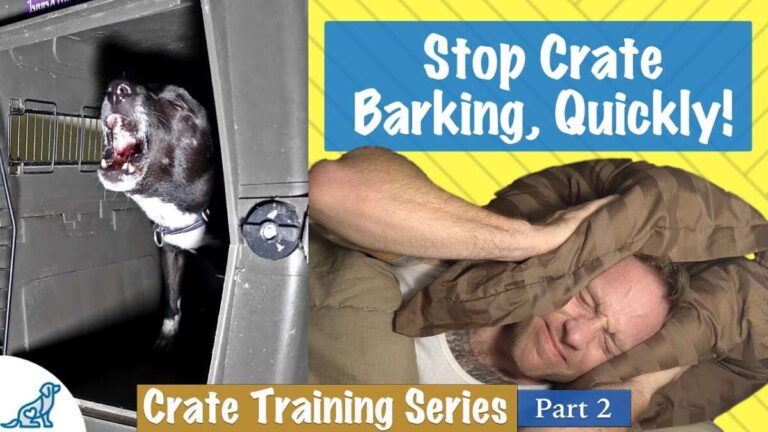
Dogs bark at thunder because loud, sudden noise can trigger fear, stress, confusion, or a strong protective response.
If you wonder why do dogs bark at thunder, the answer is more complex than simple noise sensitivity. Thunder changes the sound, pressure, and feel of the environment at once. By understanding your dog’s body language and using calm, proven steps, you can make storms safer and less stressful.

Why Do Dogs Bark at Thunder?
Dogs bark at thunder for several connected reasons. Thunder is loud, sudden, and hard to predict. Your dog cannot see the source, understand the weather, or know when the next boom will arrive. This uncertainty can make the sound feel like a hidden threat.
Some dogs bark as a fear response. Others bark because they are alerting the family. A dog may also bark at thunder because the sound activates its instinct to protect its home.
Storms can create more than noise. They may also bring:
• Sudden changes in air pressure
• Lightning flashes
• Strong wind
• Heavy rain on the roof
• Vibrations in walls and windows
• Static electricity in the air
• New smells from wet ground and moving air
The combination can overwhelm a sensitive dog. In simple terms, thunder may feel like a full-body alarm, not just a sound.
A dog that barks at thunder is not being stubborn or dramatic. It is trying to cope with something it does not understand. Punishment may increase fear and can make future storms worse.

How Dogs Experience Thunderstorms
To understand why do dogs bark at thunder, it helps to look at the storm from a dog’s point of view. Dogs hear a wider range of sounds than people do. They may notice distant rumbles before you hear them.
A dog’s ears can also pick up sounds from several directions. Thunder may echo between buildings, hills, and rooms. This can make the noise seem close, even when the storm is far away.
Some dogs also react before the first loud boom. They may notice changes in air pressure, wind, smell, or static charge. Scientists still study how dogs sense storms, so not every reaction has one proven cause.
This explains why your dog may hide, pace, pant, or bark before you see lightning. The storm has already started for your dog, even if the sky still looks calm to you.
Fear, anxiety, and phobia
A mild fear may cause brief barking or alert behavior. Anxiety can last through the whole storm and may include pacing, drooling, trembling, or attempts to escape.
Some dogs develop a specific storm phobia. This is a stronger reaction that can grow over time. A dog that has one bad storm may become more worried during later storms.
Early support matters. The goal is not to force your dog to “get used to it.” The goal is to help your dog feel safe while slowly changing the emotional response.
Common Signs of Thunder Anxiety in Dogs
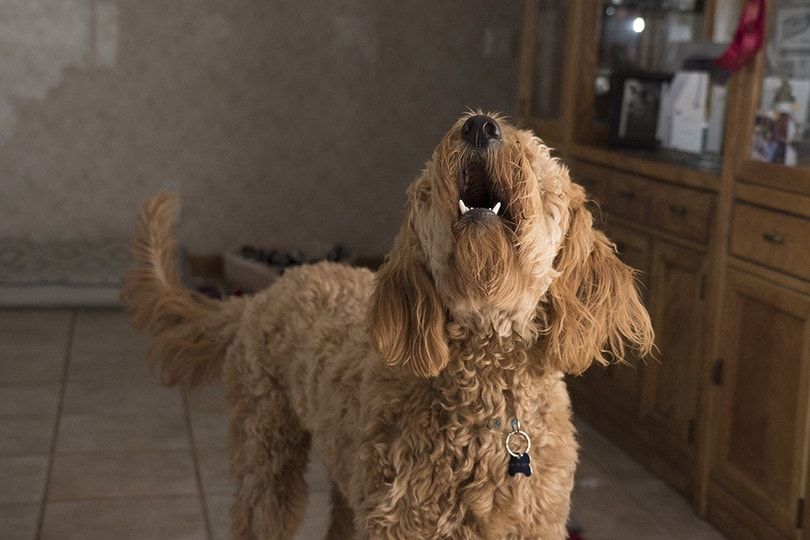
Barking is only one sign of storm stress. Your dog may use many behaviors to show fear. Some signs are easy to see, while others are subtle.
Watch for:
• Barking, whining, or howling
• Pacing from room to room
• Panting when the room is cool
• Trembling or shaking
• Hiding under furniture
• Clinging to a person
• Drooling or licking the lips
• Refusing food
• Scratching doors or windows
• Trying to escape
• Urinating indoors
• Dilated pupils and pinned-back ears
• A tucked tail or crouched body
A relaxed dog usually has a loose body, normal breathing, and a soft face. A stressed dog often looks tense and ready to move. The full pattern matters more than one behavior.
For example, barking while standing tall may show alertness. Barking while crouching, panting, and trying to hide is more likely linked to fear.

How to Help a Dog That Barks at Thunder
The best plan combines safety, comfort, and behavior support. Start before the storm becomes intense. Once your dog is in full panic, learning and calming become much harder.
Create a safe storm space
Choose a quiet area inside your home. A room away from windows often works well. Add familiar items such as a bed, blanket, chew toy, or worn shirt that smells like you.
You can use a crate if your dog already sees it as a safe place. Never force a dog into a crate during a storm if the crate causes fear. A frightened dog may injure itself while trying to escape.
Close blinds or curtains to reduce lightning flashes. Turn on a fan, television, or white-noise machine to soften the sound of thunder.
Stay calm and act normally
Dogs notice changes in your voice, posture, and movement. Speak in a calm tone and move slowly. You do not need to ignore your dog, but avoid frantic comforting.
It is fine to sit near your dog, offer gentle contact, or let the dog stay close. Comfort does not “reward” fear in the way many people assume. Fear is an emotion, not a behavior your dog chooses for attention.
The key is to provide calm support without showing alarm. Think of yourself as a steady anchor during rough water.
Offer food only if your dog can eat
High-value treats can help change the meaning of thunder. Try small pieces of chicken, cheese, or a favorite treat when your dog notices a distant rumble but remains calm enough to eat.
Do not push food into a panicked dog’s mouth. If your dog refuses treats, the fear level may be too high. Focus on safety and calm first.
Use a pressure wrap with care
Some dogs relax when wearing a snug anxiety wrap or soft shirt. These products may provide gentle body pressure, much like a comforting hug.
Results vary. The wrap should never restrict breathing, movement, or heat loss. Introduce it on calm days, not for the first time during a severe storm.
Keep your dog indoors and secure
Storm fear can lead to escape attempts. Check doors, windows, gates, and fencing before bad weather arrives. Make sure your dog wears identification and has updated microchip details.
Never leave a highly anxious dog outside during a thunderstorm. Lightning, falling branches, flooding, and panic-driven escapes all create serious risks.
Training for Long-Term Improvement
Knowing why do dogs bark at thunder helps you choose training that lowers fear instead of adding pressure. The most useful method is gradual desensitization paired with positive reinforcement.
You can play a recording of thunder at a very low volume. Your dog should notice it but remain relaxed. Give treats, offer a toy, or play a calm game.
Follow these steps:
-
Play the recording at a very low volume.
-
Reward relaxed behavior.
-
Stop if your dog pants, hides, barks, or refuses food.
-
Repeat short sessions on different days.
-
Increase the volume very slowly.
-
Return to a lower volume if your dog becomes worried.
This process may take weeks or months. It is not a race. Training that moves too fast can make the fear stronger.
Avoid playing thunder sounds loudly to “prove” that nothing bad will happen. Flooding a dog with its fear can reduce trust and may create a more intense reaction.
A useful lesson from behavior work is that small wins matter. A dog that watches the rain without pacing has made progress, even if it still reacts to a close lightning strike.

Mistakes to Avoid During a Thunderstorm
Many well-meaning owners make choices that increase risk. The most common mistake is punishment. Yelling at a barking dog may stop the sound for a moment, but it does not remove the fear.
Avoid these errors:
• Do not scold, hit, or use a shock collar for storm barking.
• Do not force your dog to stay near a window.
• Do not lock your dog in a small space without a safe introduction.
• Do not take your dog outside during the storm unless necessary.
• Do not assume every dog will outgrow storm fear.
• Do not wait for severe panic before seeking help.
Another mistake is assuming that comfort causes anxiety. Calm affection is usually helpful. The concern is not comfort itself. The concern is responding with frantic movement, loud speech, or inconsistent actions.
Also avoid essential oils, human sedatives, or unapproved supplements. Some products can harm dogs. Ask a veterinarian before using any calming medication or supplement.

When to Call a Veterinarian or Behaviorist
Contact your veterinarian if your dog’s storm reaction is severe, new, or getting worse. A sudden fear response can sometimes relate to pain, illness, aging, or changes in hearing.
Seek professional help if your dog:
• Tries to break through doors or windows
• Injures its teeth, paws, or body
• Cannot settle for hours after the storm
• Stops eating or drinking
• Has repeated vomiting or diarrhea
• Shows extreme shaking or collapse
• Develops fear of other sounds
A veterinarian may suggest a behavior plan, calming medication, or referral to a certified veterinary behaviorist. Medication works best when paired with training and environmental changes.
Never share your own medication with your dog. Human drugs can be dangerous even in small amounts. Your veterinarian can choose a safe product and explain when to give it.
Professional advice is especially important for older dogs. New noise sensitivity in a senior dog deserves a health check rather than a simple training assumption.

Can Medication Help With Thunder Fear?
Medication may help dogs with moderate to severe storm anxiety. It can lower panic enough for the dog to learn that storms are not always dangerous.
A veterinarian may recommend a fast-acting medicine for forecast storms or a longer-term plan for dogs with wider anxiety. The correct choice depends on your dog’s health, age, size, and other medications.
Medication is not a quick fix for every dog. It should be tested under veterinary guidance before a major storm. Some dogs may become sleepy, while others can have unexpected reactions.
Behavior support remains important. A quiet room, safe routine, reward-based training, and secure home work best as part of a complete plan.

A Practical Thunderstorm Plan
Prepare before storm season. Check the weather forecast and note how your dog reacts to early wind, rain, or distant thunder.
Use this simple plan:
-
Bring your dog inside before the storm grows strong.
-
Close curtains and secure doors and windows.
-
Set up the safe room with water, bedding, and familiar items.
-
Turn on steady background sound.
-
Offer a food toy if your dog can eat.
-
Stay calm and remain nearby when possible.
-
Watch for escape behavior or signs of injury.
-
Record what worked for the next storm.
A short record can help you find patterns. Write down the storm’s intensity, your dog’s first signs, the tools you used, and how long recovery took.
This information can help your veterinarian create a better plan. It also shows progress that may be hard to notice from one storm to the next.
Frequently Asked Questions About Why Do Dogs Bark at Thunder
Why do dogs bark at thunder but not fireworks?
Dogs may react differently because thunder lasts longer and comes with lightning, wind, rain, pressure changes, and indoor vibrations. Fireworks are also loud, but each dog learns different sound associations.
Should I comfort my dog when it barks at thunder?
Yes, calm comfort is appropriate if your dog seeks you out. Sit nearby, speak softly, and offer gentle contact, but avoid loud or frantic reactions.
Can dogs sense thunder before humans?
Many dogs react before people hear thunder. They may notice distant sound, wind, air pressure, smells, or static changes, although the exact cause is not fully understood.
Will my dog outgrow thunder anxiety?
Some dogs improve, but many do not outgrow serious storm fear without support. Early training, a safe environment, and veterinary advice can prevent the problem from becoming stronger.
Is it safe to use a thunder shirt for my dog?
A thunder shirt may help some dogs feel secure. Introduce it when your dog is calm, check that it does not restrict breathing, and stop using it if your dog becomes hotter or more distressed.
Why do dogs bark at thunder even when they are indoors?
Indoor walls reduce some sound but do not remove thunder’s vibrations, echoes, flashes, or pressure changes. A dog may still feel surrounded by unfamiliar storm signals.
When is thunder barking an emergency?
Treat it as urgent if your dog tries to escape, injures itself, has trouble breathing, collapses, or cannot recover after the storm. Call a veterinarian or emergency clinic for immediate guidance.
Conclusion
Dogs bark at thunder because storms can trigger fear, alertness, and sensory overload. The safest response is to protect your dog, reduce noise and flashes, provide calm support, and avoid punishment.
Start with a secure indoor space and a simple storm routine. For repeated or severe fear, work with a veterinarian and use gradual behavior training. With patience and the right plan, many dogs can learn to handle storms with less distress. Share your storm routine with your veterinarian or explore trusted canine behavior resources to find the best support for your dog.

Pet Care Writer & Researcher
Daniel writes practical guides on daily care, feeding, and safety, turning complex topics into simple, actionable advice.