Why Do Dogs Bark For No Reason: Causes & Solutions
Why do dogs bark for no reason? Learn common triggers, what your dog may be communicating, and simple ways to reduce excessive barking.
Dogs bark “for no reason” because they detect triggers, express needs, feel anxious, or experience pain.
If you have ever heard your dog bark at an empty hallway, a quiet window, or nothing you can see, you are not alone. As a pet care writer and dog behavior researcher, I have learned that “no reason” usually means “no obvious reason to us.” Dogs notice sounds, smells, movements, and emotions that people often miss.
Understanding why do dogs bark for no reason can help you respond with patience instead of frustration. This guide explains the most common causes, warning signs, training steps, and times when a veterinarian should check your dog.
Why do dogs bark for no reason?
Dogs rarely bark without a cause. The cause may be outside your awareness, too brief to notice, or linked to your dog’s memory and emotions. A dog may hear a faint sound, smell another animal, or react to a shadow before you know anything changed.
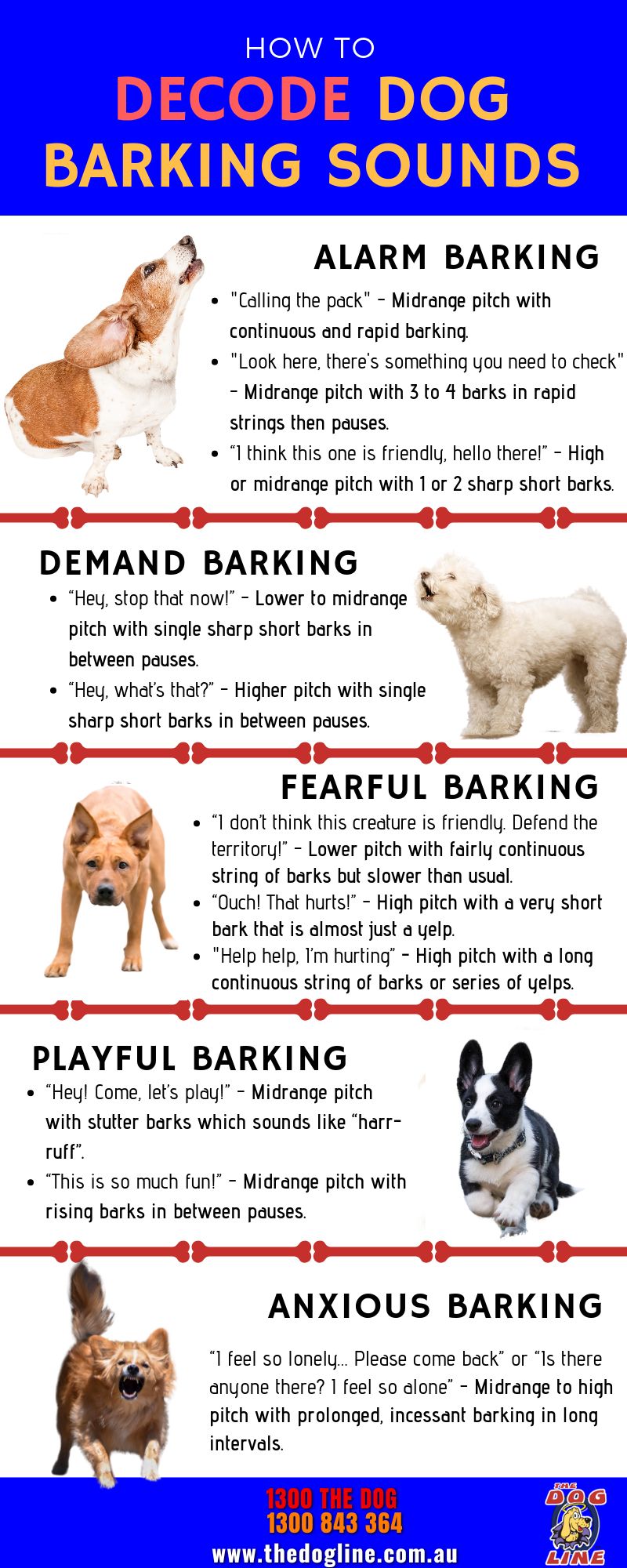
Barking is a normal form of canine communication. It can mean, “Stay away,” “Come here,” “I am excited,” “I need help,” or “Something feels wrong.” The sound alone does not tell the full story. You must also watch your dog’s body language and the situation around the bark.
Common reasons include:
• Alerting you to a sound, person, animal, or movement
• Seeking attention, play, food, or access to a room
• Feeling afraid, stressed, lonely, or frustrated
• Protecting a home, yard, toy, or family member
• Reacting to pain, illness, hearing loss, or confusion
• Experiencing age-related changes, especially at night
This is why do dogs bark for no reason is often the wrong question. A better question is, “What is my dog noticing, feeling, or trying to communicate?”

What your dog may hear, see, or smell
Dogs experience the world through powerful senses. Their hearing can detect higher frequencies and sounds from farther away than human hearing. A dog may react to a distant siren, a neighbor’s footsteps, a small animal in the wall, or a device making a high-pitched noise.
Smell also plays a major role. A passing dog, wildlife near the house, or a new scent on your clothing can trigger barking. You may see an empty yard, while your dog detects a raccoon, cat, or unfamiliar person nearby.
Vision can create confusion, too. Reflections, moving curtains, flashing lights, and shadows may look like threats. Some dogs bark at television images because they cannot fully understand what they see.
Try checking for hidden triggers when your dog barks:
• Listen for appliances, alarms, plumbing sounds, and outdoor noise
• Look for animals near windows, fences, or doors
• Notice changes in light, shadows, or reflections
• Check whether the barking happens at the same time each day
• Watch for a trigger that appears just before the bark
When people ask why do dogs bark for no reason, an unnoticed sensory trigger is often part of the answer.

Emotional reasons behind sudden barking
A dog’s emotional state can change how often and how loudly it barks. Fear, anxiety, excitement, frustration, and boredom all produce different barking patterns. Learning these patterns helps you respond in the right way.
Fear and anxiety
A fearful dog may bark while backing away, lowering its body, tucking its tail, or licking its lips. It may bark at strangers, loud sounds, new objects, or places it does not know.
An anxious dog may pace, pant, tremble, hide, or bark when left alone. Separation anxiety can cause repeated barking, whining, scratching, and destructive behavior after an owner leaves.
Excitement
Excited barking often comes with a loose body, wagging tail, jumping, spinning, or a play bow. Your dog may bark when you pick up a leash, greet a visitor, or prepare dinner.
Excitement is not always a problem, but it can become difficult if the dog learns that barking makes fun events happen faster.
Frustration
A dog may bark because it cannot reach something it wants. This can happen behind a fence, near a window, in a crate, or when a favorite toy is out of reach.
Frustration barking often grows louder when the dog sees another animal or person but cannot approach. More exercise alone may not solve this issue. The dog also needs calm training and better control over the trigger.
Boredom and loneliness
Dogs need physical activity, social contact, and mental work. A bored dog may bark at passing cars, birds, leaves, or small sounds simply because it has nothing else to do.
This does not mean every barking dog needs hours of running. Short walks, scent games, food puzzles, training sessions, and safe chewing activities can help fill the dog’s mental needs.

Barking as learned behavior
Barking can become a habit when it produces a reward. The reward may be food, attention, play, access to the yard, or the disappearance of a scary person.
For example, imagine a dog barking at the window. A person says, “Stop!” and walks over. The dog may learn that barking brings the person closer. From the dog’s view, the plan worked.
The same pattern can occur when a dog barks at a delivery driver. The driver leaves after a short time, so the dog may believe its barking chased the person away. This makes the behavior stronger over time.
Avoid rewarding unwanted barking by accident:
• Do not shout, since your dog may think you are barking too
• Avoid opening the door during frantic barking
• Do not give treats only after long periods of demanding barks
• Reward quiet behavior before the dog becomes highly excited
• Teach a calm behavior, such as sitting on a mat
One of the clearest lessons from dog behavior work is that timing matters. Reward the pause, not the noise. At first, even one quiet second can be worth a treat.

Body language can reveal the real cause
The bark is only one part of the message. Your dog’s body can show whether the bark comes from fear, play, protection, or pain.
Look at these signs:
• Loose body and soft eyes may suggest friendly excitement
• Stiff posture and a fixed stare may signal alertness or threat perception
• A tucked tail and lowered body may indicate fear
• Raised hackles can occur with excitement, fear, or arousal, so they do not prove aggression
• Lip licking, yawning, hiding, or turning away may show stress
• Panting, pacing, shaking, or sudden restlessness may point to anxiety or discomfort
• A tense face, guarding behavior, or sensitivity to touch may suggest pain
Do not judge a dog only by its tail. A wagging tail can appear during excitement, stress, or conflict. Look at the full body and the events before and after the bark.
A simple behavior log can help. Write down the time, location, sound, body posture, length of barking, and what stopped it. Patterns often become clear within a few days.

Medical causes of unexplained barking
Sudden or unusual barking may have a medical cause. Pain can make a normally quiet dog vocalize more often. Dental disease, arthritis, injury, stomach discomfort, skin problems, and ear infections can all affect behavior.
Hearing loss and vision loss may also lead to barking. A dog that cannot hear or see well may startle more easily. It may bark because the world feels unpredictable.
Older dogs can develop canine cognitive dysfunction. This condition may cause confusion, wandering, sleep changes, staring, house-soiling, and nighttime vocalization. It can resemble dementia in people, although only a veterinarian can assess the cause.
Contact your veterinarian if barking:
• Starts suddenly without a clear change at home
• Happens with limping, crying, panting, vomiting, or appetite loss
• Occurs when you touch a certain area
• Becomes worse at night
• Appears with confusion, pacing, staring, or getting stuck
• Comes with aggression or major personality changes
A behavior problem should not be assumed until health concerns are considered. This is especially important for senior dogs.

Why do dogs bark for no reason at night?
Night barking may happen because the house is quieter, so small sounds become more noticeable. Outdoor animals, people walking past, heating systems, and household noises can trigger a dog after dark.
Some dogs also bark at night because they feel lonely or anxious. Puppies may need a bathroom break, while older dogs may feel confused in low light. A change in sleeping location can also create stress.
Try these steps:
-
Give your dog a calm evening routine.
-
Take a final bathroom break before bed.
-
Use white noise to soften sudden sounds.
-
Close blinds if outdoor movement causes alert barking.
-
Provide a comfortable bed in a safe, familiar area.
-
Ask a veterinarian about new nighttime barking in an older dog.
Do not punish a dog for nighttime fear. Punishment may increase stress and make the barking harder to control.

How to stop a dog from barking
The best solution depends on the cause. Training works better when you change the trigger, teach a new response, and reward calm behavior.
Step 1: Find the pattern
Record what happens before the bark. Note whether your dog sees a person, hears a sound, wants attention, or stays alone. This turns a vague problem into a practical training plan.
Step 2: Reduce the trigger
Use curtains, window film, distance, gates, or white noise. If your dog barks at the fence, block the view or bring the dog inside during busy times.
Management is not failure. It prevents your dog from practicing the unwanted behavior while training begins.
Step 3: Teach an alternative behavior
Ask for a sit, eye contact, hand touch, or “go to bed.” Practice when the dog is calm. Then use the behavior when a mild trigger appears.
Keep the training easy at first. If your dog is already barking intensely, it may be too overwhelmed to learn.
Step 4: Reward quiet moments
Give a small treat when your dog notices the trigger and remains calm. You can also praise your dog for turning away from the window or settling on a mat.
Do not wait for perfect silence. Reward small improvements, then slowly increase the quiet time.
Step 5: Meet daily needs
Provide age-appropriate exercise, sniffing walks, play, rest, and short training sessions. A tired dog is not always a calm dog, but a dog with balanced daily activities often handles triggers better.
Step 6: Get professional help
A certified trainer or veterinary behaviorist can help with fear, aggression, separation anxiety, and complex cases. Choose reward-based help. Shock collars, harsh corrections, and intimidation can increase fear and may worsen barking.

Mistakes that can make barking worse
Many loving owners try to stop barking in ways that seem logical but produce the opposite result. Shouting is one of the most common mistakes. Your dog may hear your raised voice as participation or as a threat.
Another mistake is using a bark collar without understanding the cause. A collar may suppress sound, but it does not teach a fearful dog that the trigger is safe. In some cases, it can increase anxiety.
Avoid these habits:
• Punishing warning barks without finding the cause
• Forcing a fearful dog to approach a trigger
• Leaving a bored dog outside for long periods
• Giving attention during demand barking
• Changing training rules from one family member to another
• Expecting one session to fix a behavior practiced for months
A useful rule is simple: make calm behavior easy and rewarding, while making unwanted barking less useful. Consistency matters more than perfection.
When barking may signal aggression
Barking does not automatically mean aggression. Many dogs bark because they feel afraid and want distance. Still, barking paired with stiff movement, lunging, snapping, or biting needs careful management.
Keep space between your dog and the trigger. Use a leash, secure fence, basket muzzle training when appropriate, and professional guidance. Do not allow strangers or children to approach a dog that is showing clear warning signs.
A veterinarian should rule out pain or illness. A qualified behavior professional can then create a safe plan based on the dog’s history, environment, and risk level.
This is also where online advice has limits. A written article cannot assess a dog’s bite risk or replace an in-person evaluation.
What I have learned from real-life barking cases
One pattern I have seen again and again is that owners focus on the bark instead of the moment before it. In one common example, a dog barked at the front window each afternoon. The family thought the dog disliked visitors, but the real trigger was a delivery route that passed at the same time.
They closed the lower part of the blinds, moved the dog’s bed away from the window, and rewarded the dog for settling on a mat. The barking did not vanish overnight, but it became shorter and less intense within a few weeks.
The biggest mistake to avoid is waiting until the dog is fully worked up. Training is easier when the dog can still eat, look at you, and respond to a simple cue. Calm practice builds a new habit, much like taking a quieter road before rush-hour traffic begins.
Frequently Asked Questions About Why Do Dogs Bark for No Reason
Do dogs really bark for no reason?
Most dogs have a reason, even if people cannot identify it. The trigger may be a faint sound, scent, emotion, memory, physical discomfort, or learned habit.
Why do dogs bark at nothing in the house?
Dogs may hear sounds inside walls, detect insects or rodents, notice reflections, or react to unfamiliar smells. If the behavior is new, intense, or linked with confusion, ask a veterinarian to check your dog.
Why do dogs bark for no reason at night?
Nighttime quiet can make small sounds easier for dogs to notice. Anxiety, outdoor animals, pain, hearing or vision changes, and cognitive decline may also cause nighttime barking.
Should I ignore my dog when it barks?
Ignoring attention-seeking barking can help if your dog is safe and its needs are met. Do not ignore barking linked to fear, pain, danger, or severe distress; address the cause instead.
Does yelling at a barking dog work?
Yelling often makes barking worse because the dog may think you are joining in or adding stress. Calmly reduce the trigger, wait for a quiet moment, and reward a behavior you want.
When should I call a veterinarian about barking?
Call your veterinarian when barking starts suddenly, occurs with pain or confusion, changes at night, or comes with appetite loss, limping, pacing, or other unusual signs. Medical problems should be ruled out before treating the issue as simple disobedience.
Can exercise stop unexplained barking?
Exercise can reduce barking caused by boredom or excess energy, but it may not solve fear, pain, territorial behavior, or separation anxiety. Mental work, trigger control, training, and medical care may also be needed.
Conclusion
Dogs usually do not bark for no reason. They may detect hidden sounds, express a need, react to fear or excitement, protect their space, follow a learned habit, or signal pain and confusion.
Start by observing the trigger, body language, timing, and behavior that follows the bark. Reduce stressful triggers, reward calm choices, meet your dog’s daily needs, and seek veterinary or professional behavior help when the change is sudden or severe.
With patience and steady practice, barking can become clearer and more manageable. Keep a behavior log this week, try one calm training step, and explore trusted veterinary or reward-based training resources for continued support.