How To Stop Dogs From Barking: Quick Proven Methods
Learn how to stop dogs from barking with simple, proven training, exercise, and reward-based tips. Reduce noise and stress. Try these easy steps today.
Teach calm behavior, meet needs, and use consistent, positive training to stop barking.
I’ve worked with dogs and owners for years, and I know how frustrating nonstop barking can be. This article explains how to stop dogs from barking with clear steps, real examples, and practical tools you can use today. I’ll show simple training routines, common mistakes to avoid, and when to get professional help. Read on for a complete, proven plan that treats the cause, not just the noise.

Why dogs bark and what it signals
Dogs use sound to talk. Barking can mean alarm, boredom, fear, loneliness, play, or a need for attention. Understanding the cause is the first step in learning how to stop dogs from barking in a lasting way.
Common causes
- Alarm or territorial defense when someone approaches a home.
- Attention-seeking when barking earns a reaction.
- Boredom or lack of exercise during the day.
- Fear or anxiety around new people, sounds, or situations.
- Medical pain or discomfort that makes a dog restless.
How knowing the cause helps
- You treat the root of the problem instead of just the symptom.
- You choose the right training method for that type of barking.
- You avoid worsening the issue with punishment that increases stress.
:strip_icc()/puppy-barking-2804577-f7f6bffd80fa4edca1bd247ba52fc0a6.jpg)
Types of barking and what they mean
Not all barking is the same. Match your response to the type you see.
Type and meaning
- Short, sharp barks — alert or alarm.
- Rapid, repeated barking — demand for attention or play.
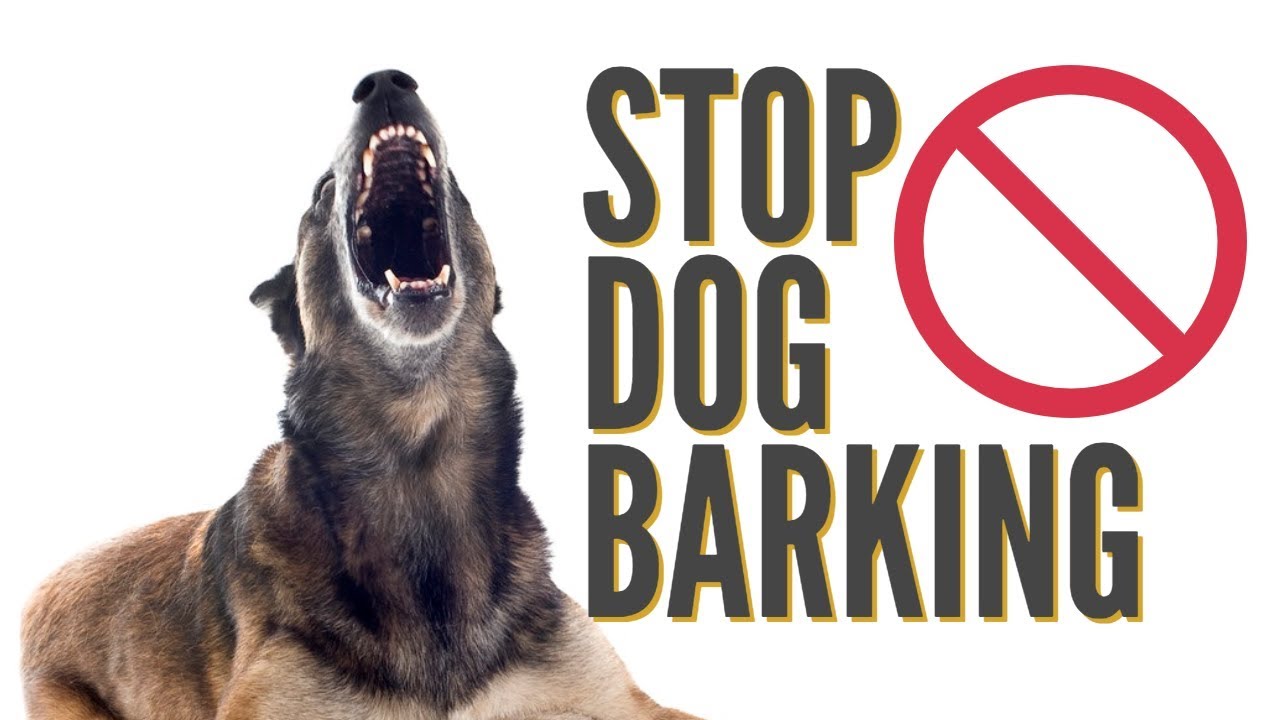
- Continuous, loud barking — boredom or separation distress.
- High-pitched, frantic barking — fear or panic.
- Repetitive, ritualized barking — compulsive behavior that needs specialist help.
Why this matters
- Different triggers need different fixes. Teaching how to stop dogs from barking requires matching method to behavior.
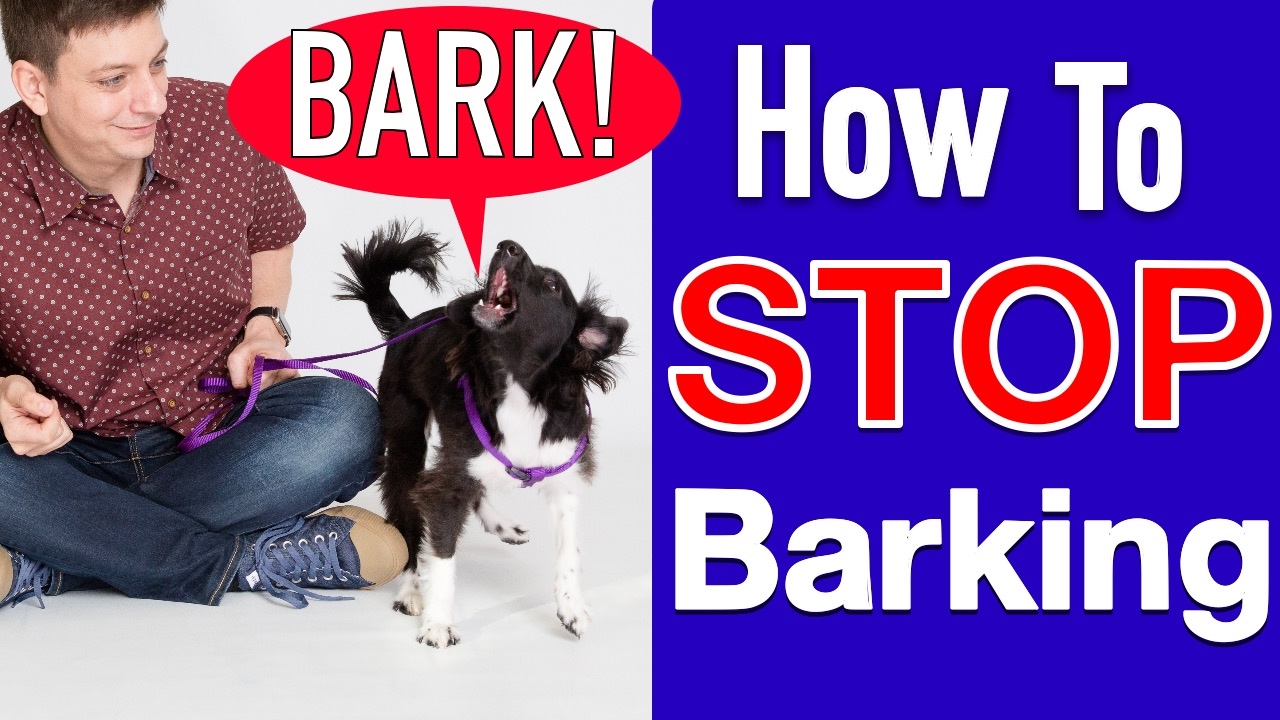
Source: youtube.com
A step-by-step plan to stop dogs from barking
Follow these steps in order. Be patient and consistent. Small changes each day add up fast.
- Assess the situation
- Note when barking happens and what prompts it.
- Keep a short log for one week to spot patterns.
- Meet basic needs
- Increase walks, play, and mental work if barking is from boredom.
- Provide puzzle toys, safe chewing options, and indoor play sessions.
- Teach the "Quiet" cue
- Let the dog bark once or twice. Say "Quiet" calmly and wait.
- When the dog stops, reward immediately with a treat and praise.
- Repeat in short sessions. Increase time required before reward.
- Use positive reinforcement over punishment
- Reward calm, quiet behavior instead of scolding noise.
- Ignore attention-seeking barks so barking stops being rewarded.
- Desensitize and counter-condition
- For fear-based barking, introduce the trigger at low intensity.
- Pair the trigger with treats so the dog learns to associate it with good things.
- Manage the environment
- Block visual triggers with curtains or move the dog to a quiet room.
- Use white noise or soft music to mask outside sounds.
- Build independence
- Practice short departures so the dog learns you return.
- Gradually increase time alone to reduce separation barking.
- Track progress and adjust
- Celebrate small wins. If barking worsens, revisit causes or consult help.

Training techniques and humane tools
Choose science-backed, humane methods. Avoid pain or fear-based tools that harm trust.
Effective techniques
- Positive reinforcement — reward quiet and calm actions often.
- Clicker training — marks desired behavior precisely.
- Counter-conditioning — replace fear with a positive response.
- Desensitization — gradual exposure to triggers at low intensity.
Helpful tools (use with training)
- High-value treats and food puzzles for enrichment.
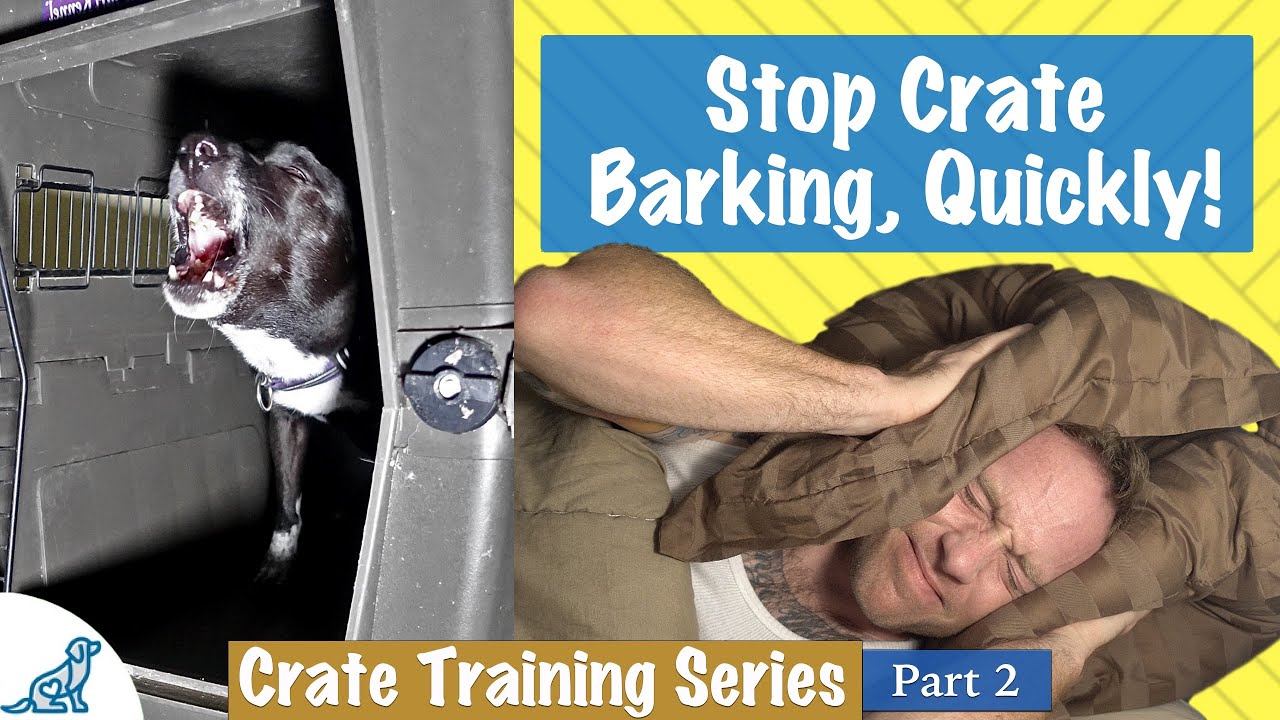
- Crate or safe room for calm space during practice.
- White noise machines to mask outside noise.
- Professional-grade clicker for timing rewards.
Tools to avoid or use cautiously
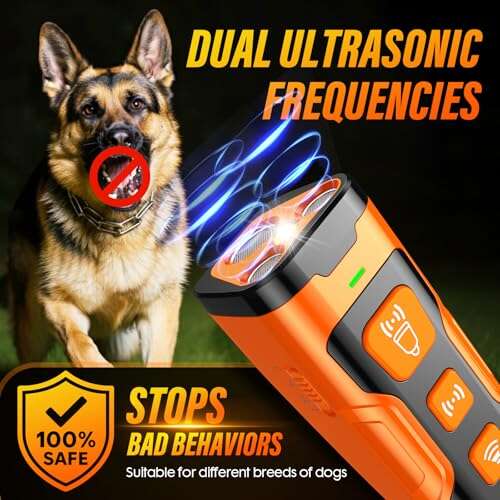
- Shock or static anti-bark collars — may cause fear and worsen behavior.
- Yelling — often rewards attention-seeking barking and raises arousal.
- Over-reliance on devices without training — only masks, not solves, the problem.
Why positive is best
- Trust builds faster than fear. Dogs learn more quickly when they feel safe. Teaching how to stop dogs from barking works best with calm, consistent rewards.
How to stop barking in common situations
Tackle each scenario with tailored steps. These quick plans work for most dogs.
Doorbell or visitors
- Teach a "Go to place" cue and reward calm behavior at a mat.
- Practice ring–reward drills for short bursts.
People or dogs outside
- Block the view and train a calm look-at-me cue.
- Reward attention and move the dog away from the trigger.
At night or when asleep
- Check for medical or environmental causes first.
- Shift evening exercise and play earlier to tire the dog before bed.
Separation barking
- Build short departures, reward quiet on return, and increase time slowly.
- Use interactive toys to keep the dog occupied when alone.
Play or excitement barking
- Teach a calm hand, pause the fun when barking starts, then resume for quiet behavior.
Each plan helps target the reason behind the noise. Use consistency and reward calm responses to teach lasting change.
Common mistakes owners make
Avoid these traps that slow progress or make barking worse.
Mistakes to avoid
- Yelling — it often sounds like joining the bark and reinforces it.
- Inconsistency — mixed signals confuse dogs and slow learning.
- Treating every bark — rewarding attention-seeking barking by reacting.
- Over-reliance on collars or fixes without training the behavior.
- Ignoring medical causes — pain or hearing issues can drive barking.
Fixing mistakes
- Set a consistent household rule for responses to barking.
- Make sure everyone in the home follows the same plan.
- Check the dog with a vet if barking appears suddenly or changes.

When to seek professional help
Some cases need outside support. Don’t wait if progress stalls.
Signs you should get help
- Barking tied to aggression or biting.
- Severe separation distress that doesn’t improve with practice.
- Medical issues that could cause pain or confusion.
- Compulsive, ritualized barking that resists standard training.
Who to call
- Start with a vet to rule out health problems.
- A certified dog trainer can guide practical steps.
- For complex cases, a veterinary behaviorist offers clinical solutions.

My experience: real lessons that work
I once worked with a family whose Labrador barked at every passerby. We started a two-week plan: more walks, a mat cue, and short exposure drills. The dog improved quickly because the owner stayed calm and rewarded quiet.
Key lessons I learned
- Consistency beats intensity. Short daily sessions work better than long, rare ones.
- Address basic needs first — many "bad" behaviors are simply unmet needs.
- Celebrate small wins. Progress is gradual but steady.
What I would do differently
- Start logging patterns sooner to spot subtle triggers.
- Introduce enrichment toys earlier to reduce early-day barking bursts.
Frequently Asked Questions of how to stop dogs from barking
What is the fastest way to reduce barking?
The fastest humane way is to remove the trigger and reward quiet immediately. Pair this with brief training sessions and consistent responses from everyone in the home.
Can exercise alone stop barking?
Exercise helps a lot but rarely solves barking by itself. Combine walks and play with training that teaches quiet and independence.
Are anti-bark collars effective?
Some devices stop barking temporarily, but many cause stress or pain and do not teach the dog better behavior. Use humane options and pair any device with training if used at all.
How long does training take to stop barking?
Expect weeks to months depending on cause and consistency. Small wins can appear in days, but lasting change takes steady practice.
Should I ignore my dog when it barks for attention?
Yes, if barking is purely attention-seeking. Ignore the bark and reward quiet behavior so the dog learns that silence brings attention.
Conclusion
Stopping unwanted barking is a step-by-step process. Start by identifying the cause, meet basic needs, and use calm, reward-based training to teach quiet. Be consistent, track progress, and get professional help if you see aggression or medical issues. Take one small step today: choose one trigger, apply a clear replacement behavior, and practice it five minutes a day. If this helped, try a full training plan, share your story, or subscribe for more practical dog behavior tips.

Pet Care Writer & Researcher
Daniel writes practical guides on daily care, feeding, and safety, turning complex topics into simple, actionable advice.