What Dog Barks The Most: Most Vocal Breeds
Find out what dog barks the most and explore the loudest, most vocal breeds, plus tips for understanding and managing excessive barking.
Small watchdog breeds, especially Miniature Schnauzers, Chihuahuas, and Yorkshire Terriers, often bark the most.
The answer is not as simple as naming one breed. A dog’s barking depends on genetics, training, age, health, home life, and daily stress. Still, years of canine behavior research and hands-on work with vocal dogs show clear patterns. This guide explains what dog barks the most, why certain breeds are louder, and how to reduce problem barking without harming your dog’s trust.

What dog barks the most?
The Miniature Schnauzer is often named among the most vocal dog breeds. Chihuahuas, Yorkshire Terriers, dachshunds, Beagles, Shetland Sheepdogs, and West Highland White Terriers are also known for frequent barking.
However, there is no official worldwide ranking that proves one breed always barks more than every other dog. Research on dog behavior shows that barking varies greatly within each breed. One quiet Chihuahua may bark less than one highly reactive Labrador Retriever.
When people ask what dog barks the most, they usually mean which breeds are more likely to:
• Alert owners to sounds, people, and movement
• React to strangers or other dogs
• Bark when left alone
• Demand food, play, or attention
• Become excited during walks or games
• Guard a home, yard, or family member
Small watchdog breeds often seem especially loud because they are alert, fast to react, and confident despite their size. Their bark is like a small alarm with a very sensitive button.

The most vocal dog breeds
Breed tendencies can offer useful clues, but they do not predict every individual dog. Early socialization, exercise, health, and training still matter.
1. Miniature Schnauzer
Miniature Schnauzers were developed as farm dogs and ratters. They were expected to notice movement and alert people quickly. That history helps explain why they may bark at doors, cars, birds, sounds, and people passing the home.
They are bright and eager to learn. With clear training, many Miniature Schnauzers become excellent watchdogs without barking at every small sound. Without guidance, their alert bark can become a daily habit.
2. Chihuahua
Chihuahuas are tiny dogs with strong personalities. They often bark when they feel unsure, excited, threatened, or eager for attention. Their small size can also make the world feel larger and more intense.
A Chihuahua may bark at large dogs, unfamiliar guests, or sounds outside the home. Owners sometimes excuse this behavior because the dog is small. That can accidentally teach the dog that barking makes scary things go away.
3. Yorkshire Terrier
Yorkshire Terriers were once used to control rats in mills and mines. Their history favored quick movement, alertness, and bold behavior. Today, many Yorkies bark at visitors, hallway sounds, other pets, and activity outside windows.
Yorkies often learn fast, which is good news for training. They also learn unwanted habits quickly. Rewarding quiet behavior from the start can prevent a few warning barks from becoming nonstop barking.
4. Dachshund
Dachshunds were bred to hunt badgers underground. They needed courage, persistence, and a strong voice. A loud bark helped hunters locate them below ground.
Modern Dachshunds may bark at people, dogs, wildlife, and unusual sounds. Long periods of boredom can make the problem worse because digging, chasing, and vocal behavior are part of their natural drive.
5. Beagle
Beagles are scent hounds with powerful noses and expressive voices. They may bark, bay, or howl when they find an interesting scent. Their vocal behavior can increase when they are excited or frustrated.
A Beagle that lacks walks and scent games may create its own entertainment. Daily sniffing time can help lower excess energy and reduce some barking.
6. Shetland Sheepdog
Shetland Sheepdogs, or Shelties, are herding dogs. They are often alert to movement and sound. Many Shelties bark when children run, animals move, or a routine changes.
They are intelligent and sensitive. Harsh corrections may increase fear and noise. Calm training, mental work, and careful exposure to new situations usually work better.
7. West Highland White Terrier
West Highland White Terriers are terriers with a strong prey drive and a bold nature. They may bark at squirrels, cats, unfamiliar dogs, and movement near the home.
Their bark is not always a sign of poor behavior. It can reflect excitement or a desire to chase. Training should teach the dog what to do instead of simply demanding silence.

Why do some dogs bark more than others?
Barking is a normal form of dog communication. Dogs bark to alert, greet, warn, call for help, show excitement, or express frustration. The key issue is not whether a dog barks, but why and how often.
Several factors shape barking behavior.
Genetics and breed history
Dogs were bred for different jobs. Guarding breeds were selected to notice threats. Herding breeds watched movement. Hunting breeds followed scent and called out. Small terriers often reacted quickly to prey.
These traits can remain strong even in a pet dog. A dog living in an apartment may still feel responsible for announcing every hallway sound.
Social learning
Dogs repeat behaviors that produce results. If barking makes an owner open the door, give food, or pick up a toy, the dog may bark more often.
This does not mean the dog is being manipulative. It means the behavior worked. In training, the goal is to make calm behavior more rewarding than noisy behavior.
Fear and anxiety
Fear is one of the most common causes of excessive barking. A dog may bark at strangers because the person feels unsafe. It may bark at dogs because it has had a bad past experience.
Punishment can make fear worse. A dog may stop barking for a moment but still feel distressed. Over time, that stress can appear as lunging, hiding, or aggressive behavior.
Boredom and excess energy
A dog with too little physical or mental activity may bark to create stimulation. This is common in active breeds, but any dog can become restless.
A walk is helpful, but not every walk meets every need. Sniffing, puzzle toys, short training sessions, and safe play can make a major difference.
Pain or illness
A sudden change in barking should never be ignored. Pain, hearing loss, vision changes, cognitive decline, and other health problems can affect vocal behavior.
If a normally quiet dog begins barking at night or seems confused, schedule a veterinary check. Behavior training should not be used to cover up a medical problem.
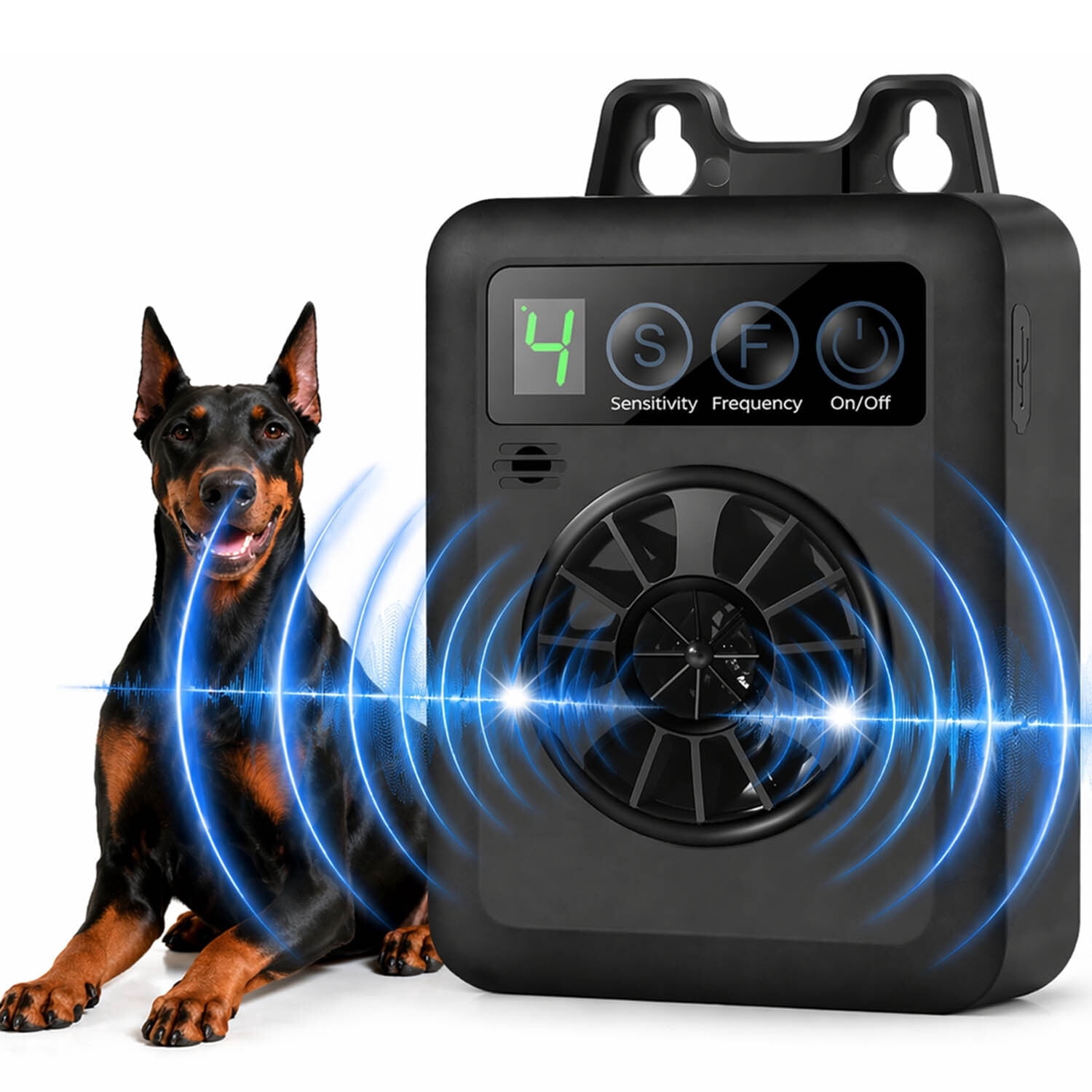
How to tell what your dog’s bark means
Dog barks can sound similar to human ears, but context provides important clues. Watch the dog’s body, the trigger, and what happens after the bark.
Common patterns include:
• Alert barking: The dog faces a sound or object and may stand stiffly.
• Fear barking: The dog may lean back, tuck its tail, lick its lips, or try to escape.
• Demand barking: The dog looks at you, a toy, food, or a door.
• Excitement barking: The body may wiggle, bounce, or move rapidly.
• Frustration barking: The dog may bark behind a gate, leash, or window.
• Separation-related barking: The dog barks mainly when left alone.
• Play barking: The dog may use a loose body, play bow, and relaxed movement.
Keep a simple barking journal for three to five days. Record the time, trigger, length, body language, and your response. This often reveals a pattern that is easy to miss during a busy day.
In my experience, owners often focus on the sound but miss the trigger. Once they identify the trigger, training becomes clearer. A dog that barks at delivery workers needs a different plan from a dog that panics when alone.

How to stop excessive barking
The best plan teaches a better behavior while reducing the cause of the barking. Do not expect instant silence. Behavior changes through repeated, calm practice.
1. Identify the trigger
Ask what happens just before the bark. Is it a person at the door, a squirrel, a passing dog, boredom, or being alone?
You cannot solve a problem well until you know its cause. A barking journal can help you find the pattern.
2. Reduce unnecessary triggers
Management is not failure. It prevents the dog from practicing the unwanted behavior.
Try these steps:
• Close blinds during busy outdoor times.
• Move furniture away from windows.
• Use white noise to soften hallway sounds.
• Keep the dog farther from the front door.
• Use a secure fence that blocks intense visual triggers.
• Offer a food puzzle before predictable noisy events.
3. Reward quiet behavior
Wait for a brief pause, then calmly offer praise or a small treat. At first, even one or two seconds of quiet is useful.
Avoid shouting “quiet” over repeated barking. Many dogs hear this as more barking from their person. Use a calm voice and reward the pause.
4. Teach an alternative action
A dog needs a clear job. Teach it to go to a mat, look at you, touch your hand, or bring a toy.
For example, when someone approaches the door, send the dog to a mat. Reward the dog for staying there. Practice without opening the door at first, then slowly add real visitors.
5. Use gradual exposure
If your dog barks at other dogs, begin at a distance where it can notice the dog without reacting. Give treats for calm looking. Slowly reduce the distance over many sessions.
This process is called desensitization and counterconditioning. It changes the dog’s emotional response instead of forcing the dog to tolerate a frightening situation.
6. Meet daily needs
A suitable routine may include:
• A sniff-focused walk
• Short obedience sessions
• Food puzzles or scatter feeding
• Safe chewing time
• Play with clear start and stop cues
• Rest in a quiet area
More exercise is not always the answer. Some dogs become fitter and more excited if exercise is increased without teaching calm behavior.
7. Seek professional help when needed
Contact a qualified trainer or veterinary behavior professional if your dog: