What Are The Best Fresh Dog Foods: Healthy Choices
What are the best fresh dog foods? Compare healthy ingredients, expert tips, and top options to find nutritious meals your dog will love.
The best fresh dog foods are complete, balanced recipes made with safe ingredients and matched to your dog’s needs.
Choosing among fresh dog foods can feel like reading a menu in a language you do not speak. Recipes may feature real meat, vegetables, and grains, but attractive ingredients alone do not prove a food is nutritionally complete. This guide explains what are the best fresh dog foods, how leading options compare, and how to choose a safe meal for your dog’s age, size, health, and budget.
What are the best fresh dog foods?
The best fresh dog foods are not always the most expensive or the most heavily advertised. They are diets that provide complete and balanced nutrition, use sound food safety practices, and fit your dog’s health needs.
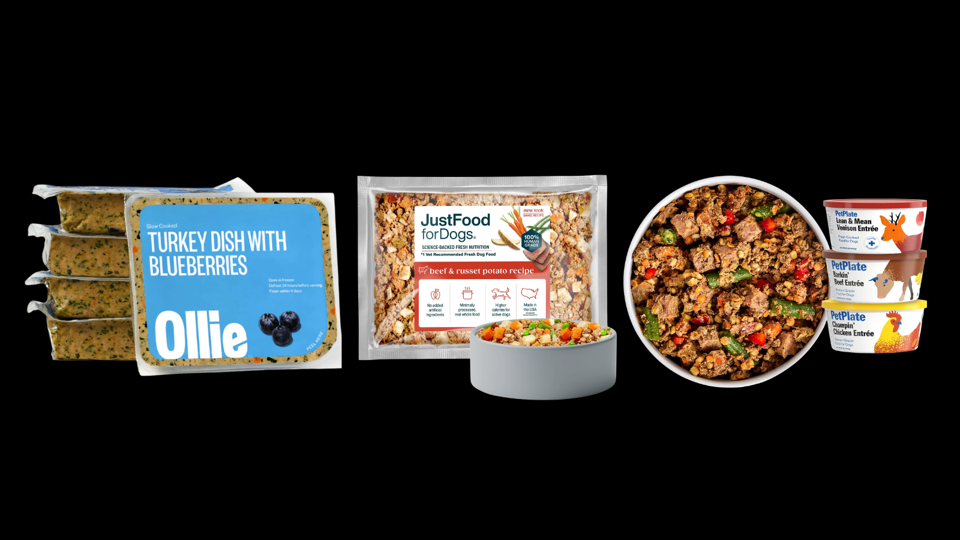
Several fresh dog food brands stand out because they offer portioned meals, clear ingredient lists, and recipes designed with veterinary or nutrition expertise. Popular options include:
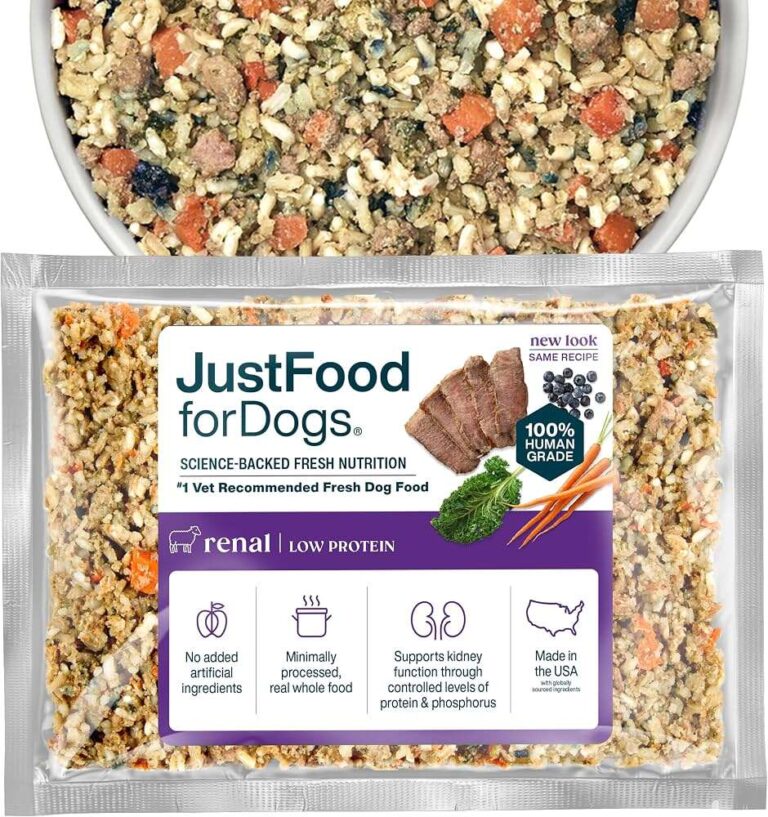
• JustFoodForDogs: A strong choice for owners who want recipes developed with veterinary guidance and several therapeutic diet options.
• The Farmer’s Dog: Known for customized meal plans, doorstep delivery, and gently cooked recipes based on a dog’s profile.
• Ollie: Offers fresh meals and baked food, with recipes tailored to a dog’s age, size, activity, and ideal weight.
• Nom Nom: Provides portioned fresh meals and nutrition information, although product availability can vary.
• PetPlate: Offers fresh cooked meals in convenient portions, including recipes for different life stages.
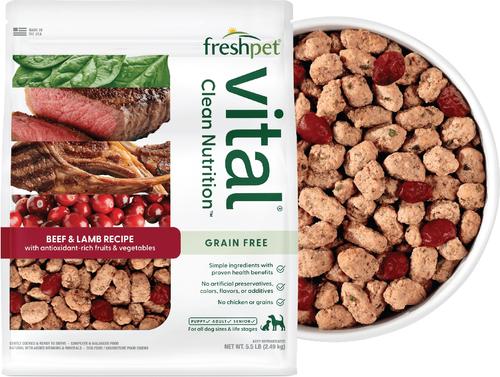
• Freshpet: A convenient refrigerated option found in many retail stores, with several complete and balanced recipes.
A brand should not earn your trust only because it uses words such as “human-grade,” “natural,” or “premium.” Look for a nutritional adequacy statement showing that the food meets Association of American Feed Control Officials standards for your dog’s life stage.
How to choose the best fresh dog food
Choosing the best fresh dog food starts with your dog, not the package. A healthy adult Labrador may need a very different meal from a senior Chihuahua with kidney disease.
Use this checklist before you buy:
- Check the nutritional adequacy statement
The label should state that the recipe is complete and balanced for a specific life stage. That may include growth, maintenance, pregnancy, or all life stages.
Avoid relying on a food labeled only for “intermittent or supplemental feeding.” That type of product is not designed to be your dog’s only food.
- Review the calorie content
Fresh food contains a high amount of water. This can make a portion look large while providing fewer calories than the same weight of dry food.
Ask the company for calories per gram, cup, pack, or container. Then compare the feeding guide with your dog’s weight, body condition, and activity.
- Look for qualified nutrition input
A food company should explain who formulates its recipes. The strongest sign is involvement from a board-certified veterinary nutritionist or a qualified animal nutrition expert.
This does not mean every recipe without a named expert is unsafe. It does mean transparent companies make it easier to judge their process.
- Consider your dog’s health
Fresh food may help some dogs eat better or maintain a healthy weight. It is not a cure for allergies, diabetes, kidney disease, pancreatitis, or other medical problems.
If your dog has a health condition, ask your veterinarian before changing foods. Prescription diets have nutrient targets that ordinary fresh meals may not meet.
- Check storage and delivery rules
Fresh dog food usually needs refrigeration or freezing. Confirm how long the food can stay cold during delivery and how long an opened pack remains safe.
A good feeding plan is one you can follow every day. If storage feels difficult, a refrigerated roll, frozen pack, or shelf-stable option may suit your home better.
Best fresh dog foods for different needs
There is no single winner for every dog. The best fresh dog foods depend on your dog’s age, size, health, taste, and your daily routine.
Best for customized meal plans
The Farmer’s Dog and Ollie are popular for customized feeding plans. You provide details such as breed, weight, age, activity, and body condition, then receive portioned meals.
Customization can be useful, but it is not the same as a medical diet. Treat the feeding guide as a starting point. Watch your dog’s body condition and adjust with veterinary advice if weight changes.
Best for veterinary-developed recipes
JustFoodForDogs is a useful choice for owners who value recipes developed with veterinary input. It offers standard meals and some diets created for specific health needs.
Not every dog needs a therapeutic recipe. Still, the company’s approach may appeal to owners who want more nutrition information than a basic ingredient panel provides.
Best for store convenience
Freshpet is widely available in many grocery and pet stores. This can make it easier to buy a fresh meal without arranging home delivery.
Store availability varies by location. Read the label carefully because product lines may differ in calories, ingredients, and life-stage suitability.
Best for portion control
Pre-portioned meals from brands such as Nom Nom, PetPlate, Ollie, and The Farmer’s Dog can simplify feeding. This is especially helpful when a dog needs a precise calorie amount.
Portions still need review. A very active dog may need more food, while a less active dog may gain weight on the suggested amount.
Best for a mixed feeding plan
Some owners use fresh food as a topper rather than a complete diet. This can make meals more appealing without replacing all of the dog’s regular food.
Keep toppers and treats near 10% or less of daily calories unless your veterinarian gives different advice. Large amounts of an unbalanced topper can dilute essential nutrients.

Fresh dog food versus dry kibble and canned food
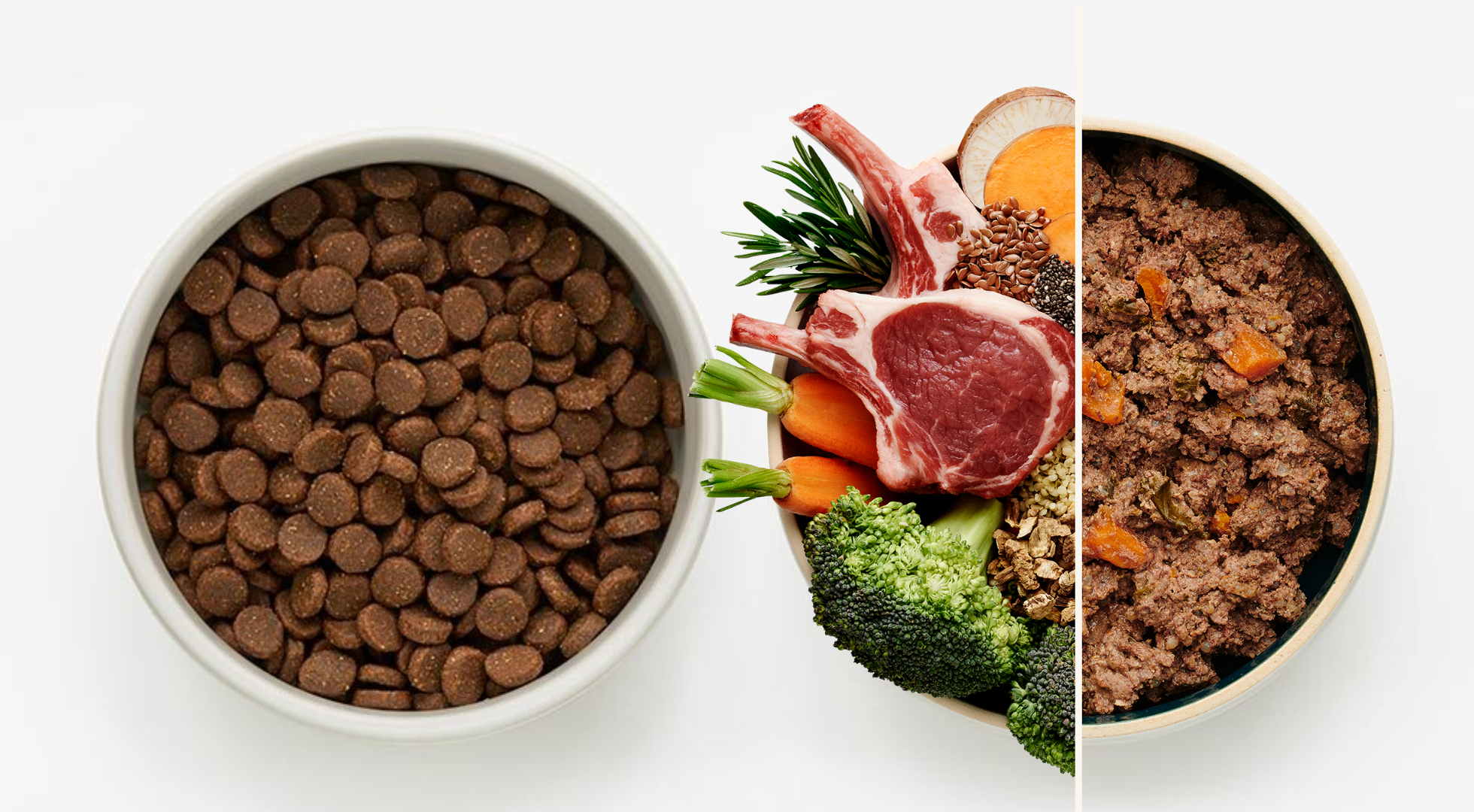
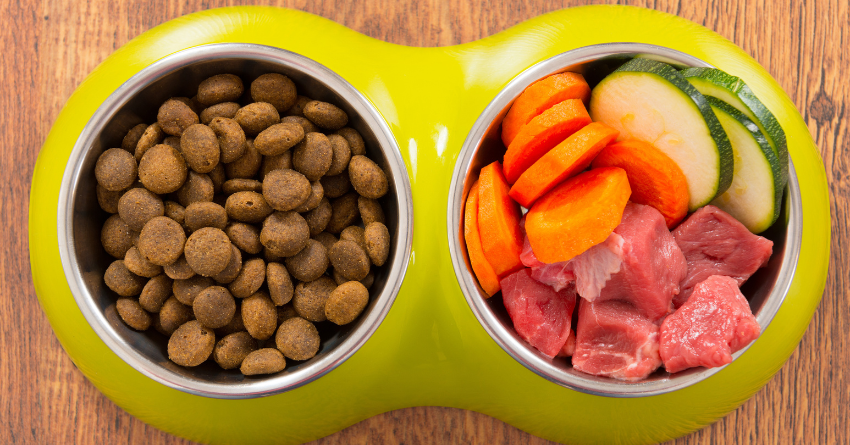
Fresh food is usually gently cooked and refrigerated or frozen. Dry kibble is cooked, dried, and shaped into pieces. Canned food is heat-processed in a sealed container.
Each format has strengths and limits:
• Fresh food often has higher moisture and a soft texture.
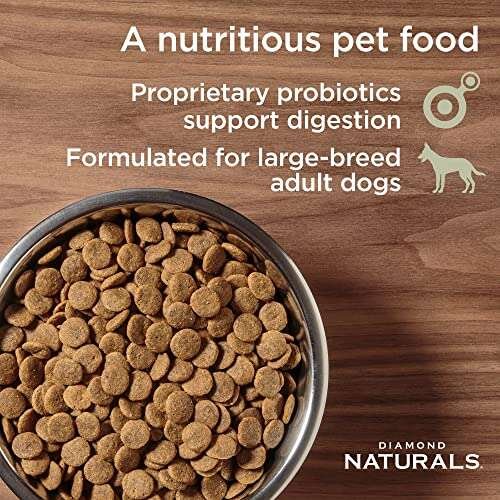
• Dry food is easy to store, measure, and use in puzzle toys.
• Canned food provides moisture and can work well for dogs that dislike dry textures.
• Fresh food may have a strong smell and appeal to picky eaters.
• Dry food is often less expensive per calorie.
• Canned and fresh foods can spoil more quickly after opening.
The key question is not whether fresh food looks more like home cooking. The key question is whether the food supplies the right nutrients in the right amounts.
Research does not prove that every fresh diet produces better long-term health than every complete dry or canned diet. Diet quality, calorie control, food safety, genetics, exercise, and veterinary care all matter.

Benefits of fresh dog foods
Fresh dog foods can offer practical benefits when used correctly.
Higher moisture
Many fresh meals contain much more water than dry kibble. Extra moisture may support overall fluid intake, especially for dogs that rarely drink from a bowl.
However, fresh food should not replace veterinary treatment for urinary, kidney, or other medical conditions.
Stronger taste and aroma
Gently cooked meat and vegetables may smell more appealing than dry food. This can help some picky dogs eat regular meals.
A dog that suddenly loses interest in food may be sick. Do not assume the problem is simply a dislike of kibble.
Easier portion control
Individually packed meals can reduce guesswork. This may help owners manage calories and maintain a healthy body condition.
You still need to count treats, chews, table scraps, and supplements. These extras can quietly add many calories.
Less processing than kibble
Fresh cooked food typically goes through fewer drying steps than kibble. That may appeal to owners who prefer a softer, moist diet.
Less processing does not automatically mean better nutrition. A fresh recipe still needs safe handling and a complete nutrient profile.
Helpful texture for some dogs
Soft food can be easier for dogs with missing teeth, sore gums, or trouble chewing. A veterinarian should examine any dog that has sudden chewing problems.
Limitations and risks of fresh dog food
The best fresh dog foods still have limitations. Understanding them helps you make a calm and informed choice.
Higher cost
Fresh meals often cost more than dry food. Price depends on your dog’s size, calorie needs, delivery area, and selected recipe.
For a large dog, a full fresh diet may cost several dollars per day or more. Ask for the monthly cost before starting a subscription.
Food safety concerns
Fresh food can spoil if it is left warm for too long. Wash your hands after handling it, clean bowls after meals, and follow the company’s storage directions.
Do not serve food that smells sour, looks unusual, or has been stored beyond the recommended period. When in doubt, discard it.
Digestive upset during a fast switch
A sudden change can cause loose stool, gas, vomiting, or reduced appetite. Most healthy dogs do better with a gradual transition over about seven days.
You can start with mostly the old food and add a small amount of the new food. Slow down the change if stools become soft.
Nutrient gaps in homemade versions
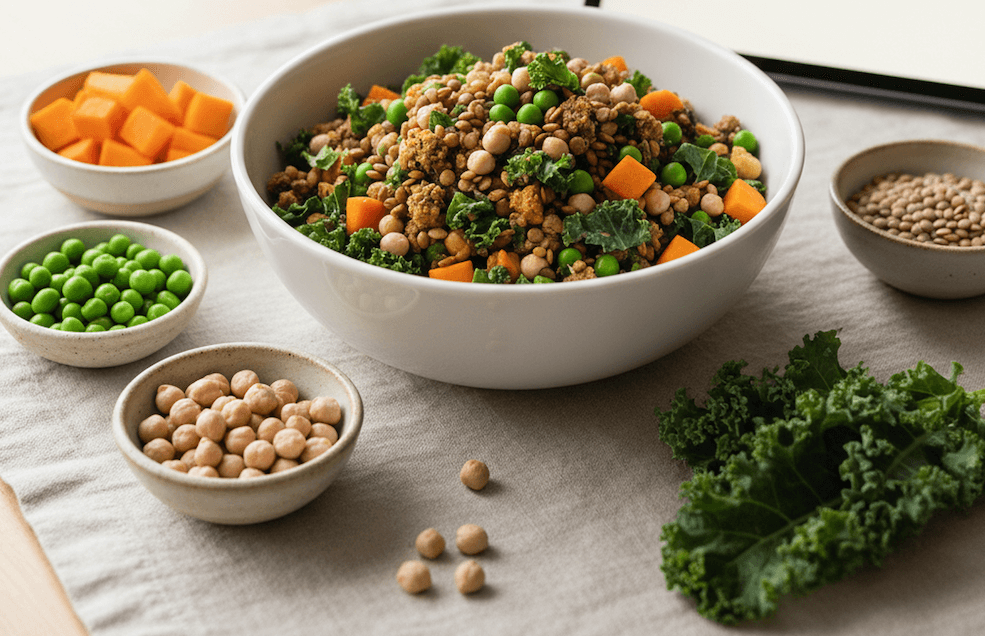
A homemade meal of chicken, rice, and vegetables may look wholesome but often lacks enough calcium, essential fatty acids, zinc, iodine, or other nutrients.
Homemade fresh food should be formulated by a veterinary nutritionist. Internet recipes are not a reliable substitute.
Refrigeration and freezer space
Fresh meals take more planning than a bag of kibble. You may need room for meal packs, thawing containers, and sealed leftovers.
This is a small issue for some households and a major one for others. Choose a format that fits your real routine, not your ideal routine.
How to transition your dog to fresh food
A careful transition can prevent many avoidable stomach problems.
-
Days 1 and 2: Feed about 75% of the old food and 25% of the new food.
-
Days 3 and 4: Move to about 50% old food and 50% new food.
-
Days 5 and 6: Feed about 25% old food and 75% new food.
-
Day 7: Offer the new food alone if your dog’s stool and appetite remain normal.
Some dogs need two weeks or longer. Puppies, seniors, and dogs with sensitive stomachs may benefit from an even slower change.
Stop and contact your veterinarian if your dog has repeated vomiting, bloody diarrhea, severe weakness, belly pain, or refuses food. Mild stool changes may happen during a transition, but serious signs need prompt care.
In my experience reviewing feeding plans, the most common mistake is changing both the food and the treats at the same time. Keep treats stable during the transition so you can tell what caused any reaction.
How much fresh food should a dog eat?
The correct amount depends on calorie needs, not just body weight. Two dogs of the same weight can need different amounts because of age, muscle, activity, health, and metabolism.
Start with the brand’s calorie guide, then check your dog’s body condition every two to four weeks. You should be able to feel the ribs under a thin layer of fat, see a waist from above, and notice a gentle abdominal tuck from the side.
Ask your veterinarian to help if your dog gains or loses weight. Do not reduce food sharply without guidance, especially for puppies, pregnant dogs, or dogs with illness.
Fresh food may look like a large serving because of its water content. Compare calories rather than cups when switching between fresh food and kibble.
What to look for on a fresh dog food label
A label can answer many important questions before you place an order.
Look for:
• A complete and balanced statement for your dog’s life stage.
• Calorie information per serving or unit of weight.
• The manufacturer’s contact details.
• Clear storage and handling directions.
• A full ingredient list in descending order by weight.
• Feeding instructions for different dog sizes.
• Batch or lot information for product tracking.
• A clear explanation of quality testing and food safety controls.
Ingredients matter, but they do not tell the whole story. A recipe can contain appealing foods and still fail to provide the right balance of vitamins and minerals.
Be cautious when a company makes broad claims about preventing disease, removing toxins, or replacing veterinary care. Marketing language should never outweigh a proper nutritional adequacy statement.

Fresh, gently cooked, raw, and homemade diets
These terms describe different feeding styles.
Fresh cooked food is usually prepared with heat, then chilled or frozen. Gently cooked food is also heat-treated, although cooking methods and temperatures vary by company.
Raw food has not been fully cooked. It may carry bacteria such as Salmonella, Listeria, or E. coli. Dogs can sometimes carry these bacteria without obvious illness, creating a household risk for children, older adults, pregnant people, and anyone with a weak immune system.
Homemade food is prepared at home. It may be cooked or raw, complete or incomplete, depending on the recipe.
The best fresh dog foods are generally safer than raw diets when they use validated cooking and testing methods. Still, “fresh” does not mean risk-free. Safe storage, clean bowls, and careful hand washing remain important.
Common mistakes to avoid
Many feeding problems come from small mistakes rather than bad intentions.
• Choosing a recipe without a complete and balanced statement.
• Assuming expensive food is automatically better.
• Measuring by volume without checking calories.
• Adding several supplements to an already complete diet.
• Changing food too quickly.
• Leaving refrigerated food at room temperature for hours.
• Ignoring weight gain because the food looks healthy.
• Feeding a medical recipe without veterinary guidance.
• Giving large portions of meat, rice, or vegetables as toppers.
• Failing to check whether a recipe is suitable for puppies or pregnant dogs.
One practical lesson is simple: keep a short feeding log. Write down the food, portion, treats, stool quality, weight, and any skin or ear changes. This makes it easier to spot patterns and gives your veterinarian useful information.
Frequently asked questions about what are the best fresh dog foods
What are the best fresh dog foods for most healthy adult dogs?
The best fresh dog foods for healthy adult dogs are complete and balanced recipes from companies with clear calorie data, safe handling practices, and qualified nutrition input. The right choice also depends on your dog’s taste, body condition, activity, and your budget.
Is fresh food healthier than kibble for dogs?
Fresh food is not automatically healthier than a complete and balanced kibble. Fresh meals may provide more moisture and a softer texture, while quality kibble is convenient, affordable, and nutritionally complete.
Can dogs eat fresh dog food every day?
Yes, dogs can eat a complete and balanced fresh diet every day when it matches their life stage and health needs. Follow storage instructions and transition slowly to reduce the risk of digestive upset.
Is fresh dog food good for picky eaters?
Fresh food may help picky eaters because it often has a stronger smell and softer texture. A sudden appetite change can signal illness, so contact a veterinarian if your dog refuses food or loses weight.
How long does fresh dog food last in the refrigerator?
Storage time varies by brand and recipe. Follow the package directions, keep food cold, seal opened portions, and discard food that has passed its recommended storage period.
Can puppies eat fresh dog food?
Puppies can eat fresh food when the recipe is complete and balanced for growth or all life stages. Puppy nutrition is sensitive to nutrient balance, so ask your veterinarian before choosing a meal plan.
Are fresh dog foods safe for dogs with allergies?
They may be useful when the ingredients are carefully controlled, but they are not automatically allergy diets. A true elimination trial should be planned with a veterinarian and must avoid hidden sources of the suspected ingredient.
Conclusion
The best fresh dog foods combine complete nutrition, clear calorie information, safe handling, and a recipe suited to your dog’s age and health. Brands such as JustFoodForDogs, The Farmer’s Dog, Ollie, Nom Nom, PetPlate, and Freshpet may be useful starting points, but no brand is perfect for every dog.
Read the nutritional adequacy statement, compare calories, transition slowly, and track your dog’s weight and stool. If your dog has a medical condition, involve your veterinarian before making a major diet change. Use this guide to compare fresh meals with confidence, and share your questions or feeding experience with your veterinary team.

Pet Care Writer & Researcher
Daniel writes practical guides on daily care, feeding, and safety, turning complex topics into simple, actionable advice.