How To Check Dog For Ticks Safely: Vet-Approved Guide 2026
Learn how to check dog for ticks safely with vet-approved steps, tools, and prevention tips. Spot, remove, and protect your pup in minutes.
Use gloves, good light, and slow hands; inspect head to tail daily.
If you want a simple, proven plan for how to check dog for ticks safely, you’re in the right place. I’ve helped hundreds of owners build a calm, fast routine that actually finds ticks before they cause trouble. In this guide, I’ll show you how to check dog for ticks safely with clear steps, real-world tips, and vet-approved advice that you can use tonight.
Why Tick Checks Matter
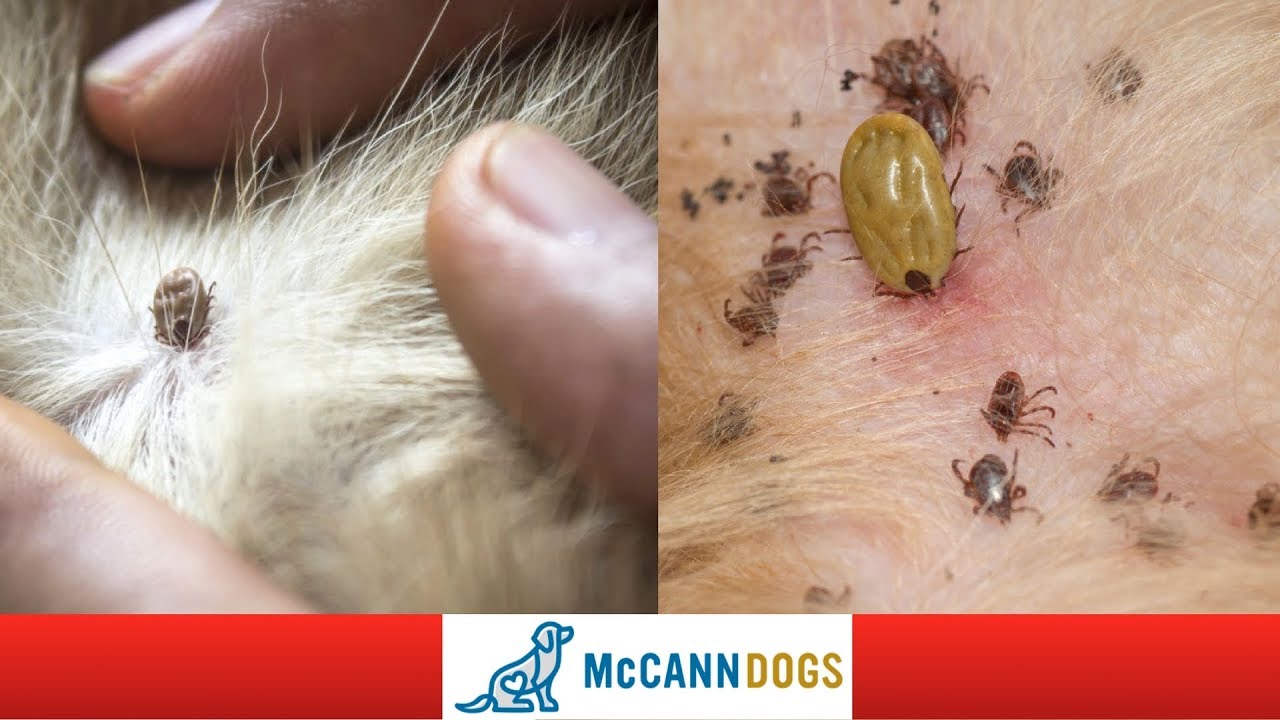
Ticks can pass diseases like Lyme disease, ehrlichiosis, and anaplasmosis. Many dogs show no signs at first. A daily check can stop a small bite from turning into a big vet bill.
Different ticks thrive in different regions and seasons. They like warm, moist spots and latch on fast. Learning how to check dog for ticks safely helps you spot them early and avoid risk.
Tick checks save time and money. They also keep your dog comfortable. Once you know the steps, the process takes minutes. Practice makes it easy.
Prepare Before You Start
Set the stage so your dog relaxes. Pick a quiet spot with bright light. Keep sessions short and sweet at first.
Gather tools:
- Nitrile gloves for clean hands
- Fine-tooth comb or flea comb
- Tick remover or fine-tipped tweezers
- Rubbing alcohol, cotton pads, and a small jar or zip bag
- Headlamp or flashlight plus a lint roller for quick sweeps
- High-value treats to reward calm behavior
- Your phone to note findings or set reminders
Consistency matters. I train new fosters to do checks after walks. Tie it to a cue, like right after drying paws. It becomes second nature. This is the easiest way to learn how to check dog for ticks safely.

Step-by-Step: The Safe Tick Check
Follow this flow from nose to tail. Move slow. Use light and your fingertips.
- Calm your dog. Offer a treat and a soft voice. Pet first.
- Start at the head. Part the fur with fingers and light. Check eyes, lips, and jawline.
- Inspect ears. Look inside and behind the flaps. Feel the base of the ears.
- Work down the neck under the collar. Slide the collar aside and check the skin.
- Check front legs. Feel the armpits, elbows, and between each toe pad.
- Scan chest, belly, and groin. Ticks love thin skin. Be gentle.
- Move along the back and ribs. Comb in small sections, against the lay of hair.
- Inspect hind legs and tail base. Lift the tail and check underneath.
- Do a final pass with a lint roller. It can pick up tiny seed ticks.
- Reward and record. Note any bumps or bites. Save the time and area checked.
This is the core of how to check dog for ticks safely. Keep contact firm but gentle. If your dog fidgets, pause, treat, and resume later.

Where Ticks Hide On Dogs
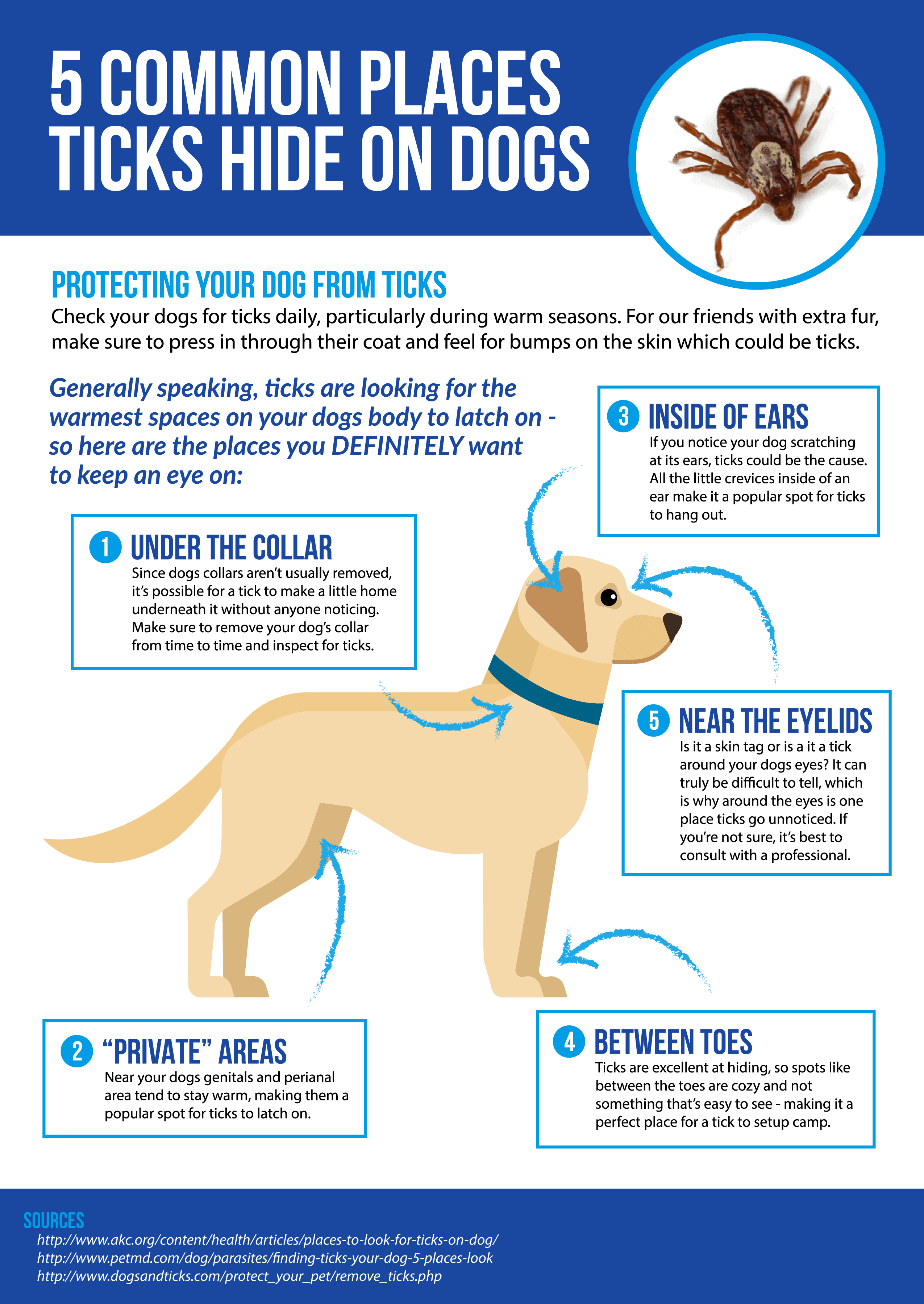
Ticks go for hidden, warm, thin-skinned zones. Think folds, creases, and edges.
-
Head and face
Check around eyes, eyelids, and whisker pads. Rub the lip margins and under the chin. -
Ears
Look deep into the ear flap and at the base. Feel behind the ears with small circles. -
Neck and under collar
Slide fingers under the collar. Ticks tuck right at the collar edge. -
Armpits and groin
Lift each leg. Feel for pea-like bumps. These areas are top hotspots. -
Paws and between toes
Separate each toe. Check hair webs and pads. Many owners find ticks here first. -
Tail base and under tail
Lift the tail. Scan the base and the underside. Part hair with light. -
Skin folds and long hair areas
On fluffy coats, use the comb and work in lines. In short coats, rely on fingertips.
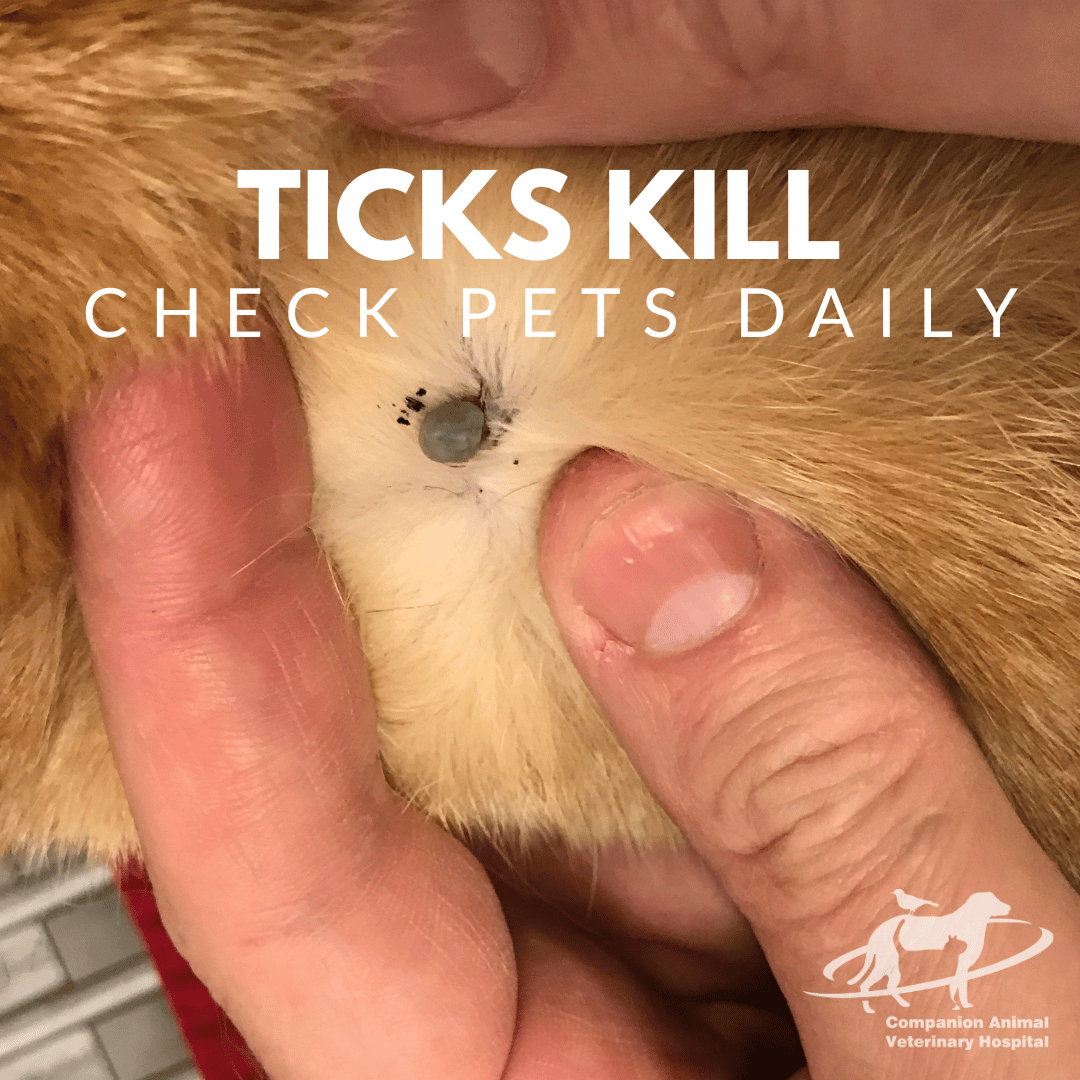
As you learn how to check dog for ticks safely, you’ll start to sense “new” bumps fast. Real ticks feel firm and stuck, not like moving dandruff.

How To Remove A Tick Safely
Do not squeeze the body or use oils, fire, or soap. These can push more saliva into your dog.
- Use a tick tool or fine-tipped tweezers.
- Grip the tick close to the skin, right at the mouthparts.
- Pull straight up with steady, even pressure until it releases.
- Place the tick in alcohol or seal it in a bag. Label the date and where it was found.
- Clean your dog’s skin with mild soap and water or a vet-approved antiseptic.
- Wash your hands and tools.
If the head stays in the skin, do not dig. The small fragment often works out like a splinter. Watch for redness or swelling. This step is part of how to check dog for ticks safely and deal with them right away.

Aftercare: What To Watch Next
Small redness at the bite can be normal for a day or two. A firm bump may last a week. It should get smaller, not bigger.
Watch for fever, sore joints, low energy, loss of appetite, or limping. These can appear days to weeks after a bite. Note any changes in a simple log.
Save the removed tick if you can. It helps with ID later. This habit supports how to check dog for ticks safely and track risk over time.

Prevention That Makes Checks Easier
Prevention and checks work best together. Together, they cut risk a lot.
- Ask your vet about monthly or quarterly preventives. Many use oral isoxazoline products.
- Consider a vet-approved collar for long protection.
- Before hikes, apply a dog-safe repellent spray to legs, belly, and tail base.
- Groom often. Short coats are easier to scan.
- Keep grass short, remove leaf litter, and create a clean yard border.
- After trails, towel off and do a fast mini-check. Then do a full check at home.
Never use dog products on cats. Some dog tick formulas can harm cats. Good prevention reduces bites and makes how to check dog for ticks safely quicker and more successful.

Signs Of Tick-Borne Illness And When To See A Vet
Call your vet if you see fever, lethargy, shifting lameness, swollen joints, or pale gums. Nosebleeds or bruising can also occur. Signs may appear 3 to 30 days after a bite.
Some tests are negative early. Your vet may recheck later. Bring the tick if you saved it. Fast action pairs well with how to check dog for ticks safely and keeps your dog protected.
Tick paralysis is rare but urgent. If your dog grows weak or wobbly, seek care now.
Frequently Asked Questions Of How To Check Dog For Ticks Safely
How often should I check my dog for ticks?
Do a daily check during warm months and after hikes. In winter, check weekly or after any trip through brush.
What does a tick feel like on my dog?
It feels like a small, hard bump stuck to the skin. It will not slide like dandruff or scabs.
Can I prevent ticks without medication?
Yard care, grooming, and post-walk checks help a lot. Vet-approved preventives still offer the strongest layer of protection.
What if I break the tick while removing it?
Clean the area and watch for redness or swelling. The small piece often works out, but call your vet if irritation grows.
Are certain dogs more at risk?
Dogs that hike, hunt, or visit tall grass are at higher risk. Long coats and dense undercoats make checks harder, so go slow and use a comb.
Should I bathe my dog after finding a tick?
You can, but a bath will not remove an attached tick. Remove the tick first, then bathe if needed.
Conclusion
A safe tick check is simple: prepare your tools, move slow, use bright light, and work from head to tail. With practice, you will spot tiny changes fast and remove ticks before they cause harm. Pair this habit with prevention, and you have a strong plan.
Start tonight. Set a daily reminder and follow the steps on how to check dog for ticks safely. Share this guide with a friend, subscribe for more pet health tips, and leave a comment with your best tick-finding trick.

Pet Care Writer & Researcher
Daniel writes practical guides on daily care, feeding, and safety, turning complex topics into simple, actionable advice.