How To Prevent Dog From Eating Harmful Items: Vet Tips
Learn how to prevent dog from eating harmful items with vet-approved training, safe chews, and home-proofing tips. Stop pica and protect your pup today.
Supervise, dog-proof, teach leave-it, enrich meals, and use a basket muzzle when needed.
If you’ve ever pried a sock, rock, or chicken bone from your dog’s mouth, you know the panic. I’ve helped hundreds of owners fix this fast and for good. In this guide, I’ll show you how to prevent dog from eating harmful items with simple, proven steps you can use today. You’ll learn what drives the behavior, how to train reliable cues, and how to set up your home and walks for real-world success.
Why dogs eat harmful items
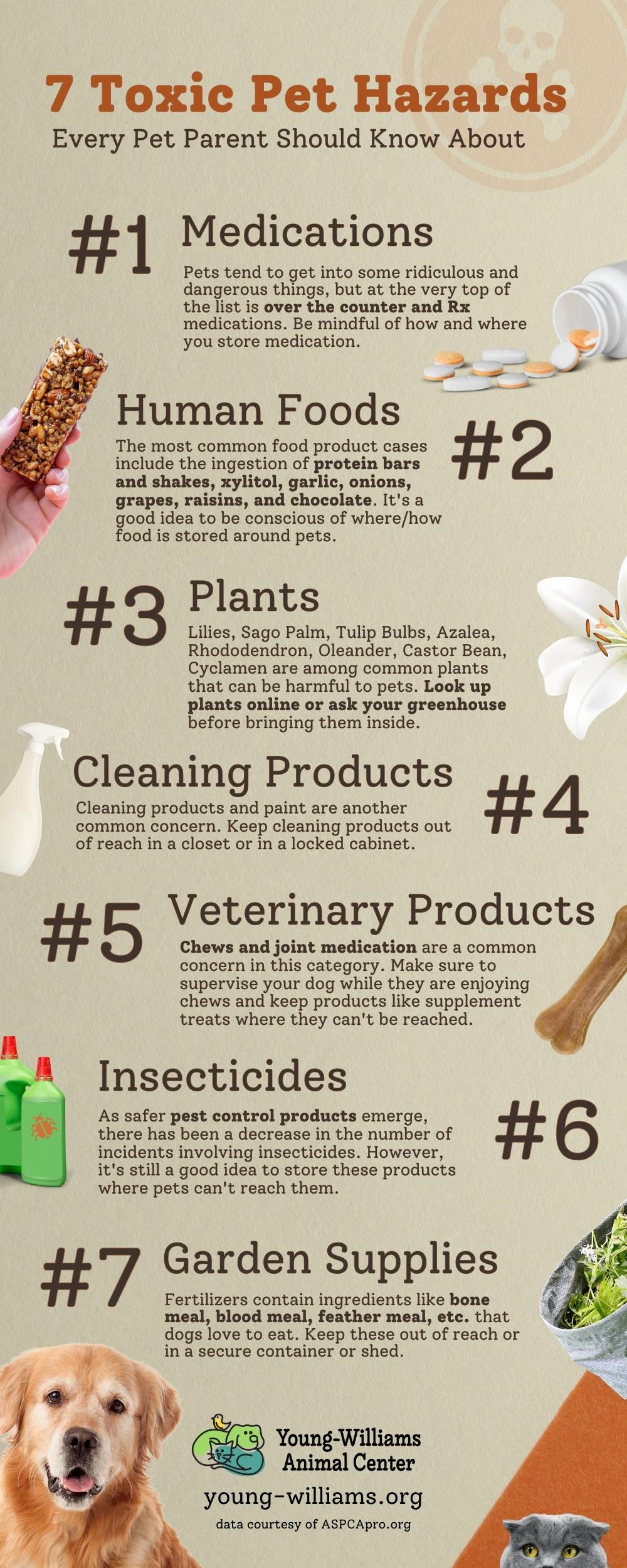
Dogs do not eat weird things to annoy us. They do it because it works for them. Some chew for teething or stress relief. Some scavenge because it is in their nature. Others may have a medical reason.
Common drivers:
- Boredom or low exercise makes trash seem fun.
- Anxiety or lack of structure leads to foraging.
- Teething puppies use their mouths to explore and soothe.
- Reinforcement history makes it a habit. If grabbing a paper towel “wins,” they repeat it.
- Medical causes like GI disease, parasites, anemia, or nutrient gaps can cause pica.
A simple truth: to master how to prevent dog from eating harmful items, you must match the cause with the fix. The plan below does that.
Dog-proofing your home and yard
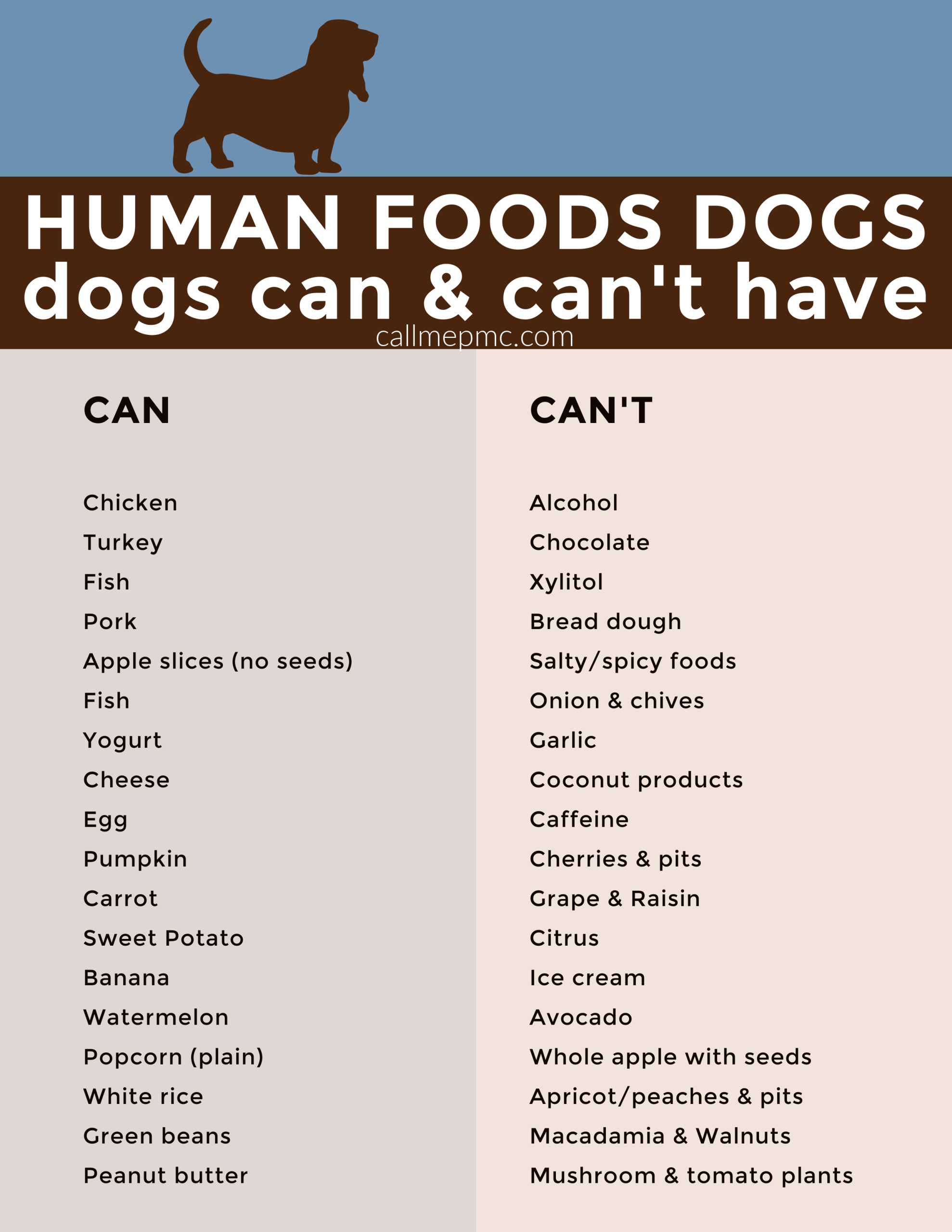
Management stops mistakes before they happen. It buys you safety while you train.
Room setup:
- Use baby gates and closed doors to control access.
- Store laundry, kids’ toys, and shoes in bins with lids.
- Install childproof locks on cabinets and the trash.
Yard safety:
- Pick up fallen fruit, sticks, and rocks.
- Secure compost and trash. Use locking cans.
- Check for mushrooms after rain and remove them.
Daily habits:
- Sweep floors and counters each night.
- Crate or confine when you cannot supervise.
- Keep a “trade jar” of treats in each room.
When people ask how to prevent dog from eating harmful items, I start with this step. It reduces risk right away.

Core training: leave it, drop it, and trade
Training gives you control, even under stress. Keep sessions short and upbeat. Use soft, high-value treats.
Teach leave it:
- Hold a treat in a closed fist. Let your dog sniff. Say nothing.
- The moment they move away or look at you, mark with “Yes!” and give a better treat from the other hand.
- Add the cue “Leave it.” Practice on the floor with a covered item. Then progress to uncovered, then moving items, then real life on walks.
Teach drop it:
- Offer a boring toy. Let them take it.
- Freeze, then present a very tasty treat at their nose. When they drop, say “Yes!” and give the treat.
- Give the toy back often. This keeps trust high and prevents “keep away.”
Teach the trade game:
- Say “Trade” and offer a better item.
- Dog drops the thing. Reward and give a safe chew as a bonus.
- Practice daily with easy objects before moving to high-value finds.
Proofing:
- Practice around open trash, picnic scraps, and busy sidewalks.
- Start far away. Close the gap over days.
- Reinforce calm choices every time.
To lock in how to prevent dog from eating harmful items, build these cues until they work anywhere.
 scavenging on the go”
style=”max-width: 100%; height: auto; border: 2px solid black; border-radius: 10px; display: block; margin: 0 auto;”
loading=”lazy”
/>
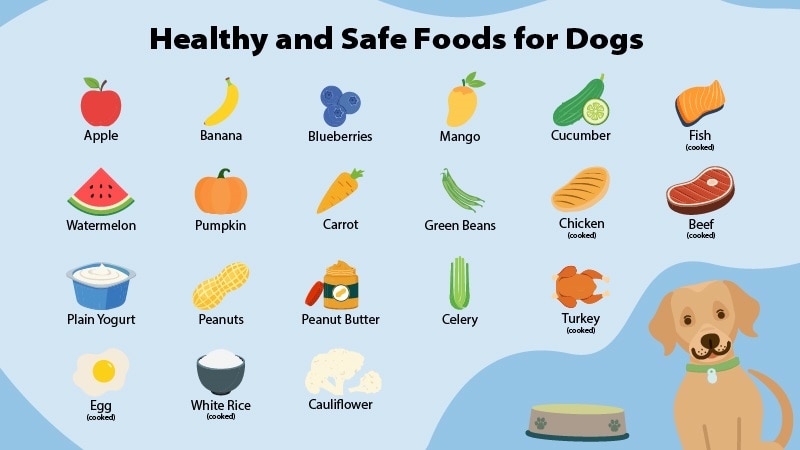
Smarter walks: prevent scavenging on the go
Walks are the danger zone. Plan like a pro.
Leash skills:
- Keep the leash short but loose. Guide the head away from ground junk.
- Use “Leave it” early, before the pounce.
- Reward check-ins with small treats.
Muzzle training:
- A well-fitted basket muzzle can save a life.
- Pair the muzzle with treats from day one. Go slow and make it joyful.
- Use on trash-heavy routes or at beaches and parks.
Search games:
- Do “Find it” with scattered kibble in clean grass before you pass hot spots.
- Let your dog sniff more. A satisfied nose scavenges less.
If you want a sure path for how to prevent dog from eating harmful items, handle walks with structure, rewards, and, when needed, a muzzle.

Food, chews, and enrichment that cut scavenging
Many dogs hunt garbage because their needs are not met. Fix the root, and the urge drops.
Diet check:
- Feed a complete and balanced diet. Ask your vet about calories and fiber.
- Add enrichment meals. Use puzzle feeders or snuffle mats.
- Split meals into smaller portions across the day.
Chews and toys:
- Offer safe long-lasting chews sized for your dog.
- Rotate chew types to keep interest high.
- Use stuffed Kongs or lick mats to soothe and tire.
Mental work:
- Two or three short training games daily beat one long session.
- Nose work classes help heavy scavengers.
- Ten minutes of sniffing can equal a long walk for the brain.
This is the quiet engine behind how to prevent dog from eating harmful items. A busy brain ignores trash.

When to see the vet
Sometimes, eating odd items is a health flag. Do not skip a checkup if anything seems off.
Red flags:
- Constant craving for non-food items.
- Weight loss, vomiting, diarrhea, or anemia signs.
- Sudden behavior change, especially in seniors.
Your vet may:
- Run stool tests for parasites.
- Check bloodwork for anemia, thyroid, or metabolic issues.
- Review diet and rule out deficiencies.
Medical care supports every plan for how to prevent dog from eating harmful items. Clear the body, and training works faster.
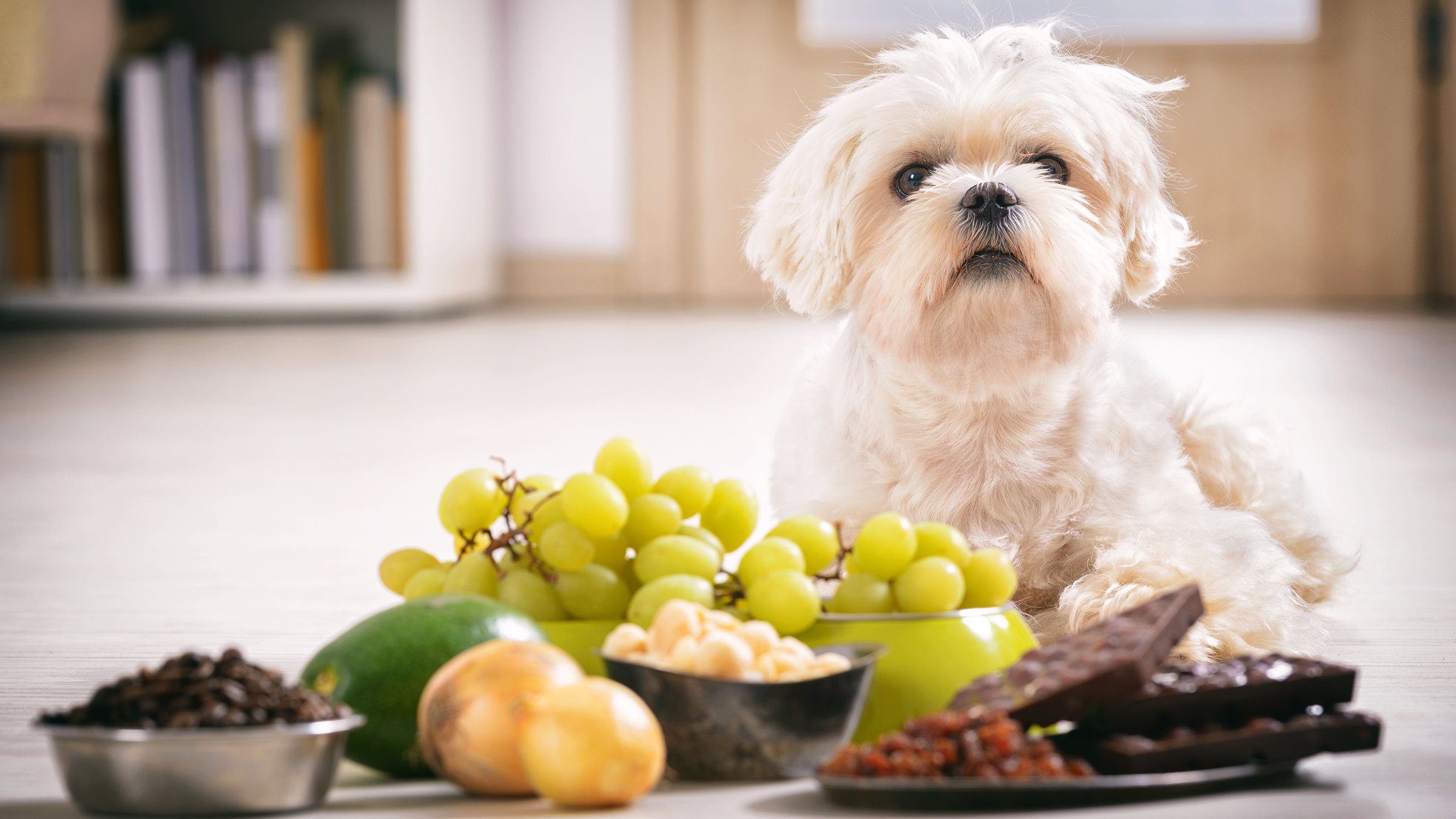
What to do if your dog eats something risky
Act fast. Stay calm. Time matters.
Steps:
- Remove access to the rest of the item. Note what and how much was eaten.
- Call your vet or a pet poison helpline right away.
- Follow their directions. Do not induce vomiting unless told to. Some items, like batteries, caustics, or sharp bones, can cause more harm coming back up.
- Watch for choking, bloating, gagging, drooling, pain, or collapse. If you see any, go to emergency care now.
- Save packaging or take a photo to show the vet.
Having a plan is part of how to prevent dog from eating harmful items. Preparation turns panic into action.
Set routines and family rules
Dogs thrive on clear patterns. People do too.
Simple rules:
- One command per cue. Everyone says “Leave it,” not five versions.
- Food and trash go away right after use.
- Doors, crates, and gates stay closed unless you supervise.
Daily structure:
- Exercise, training, and meals at set times.
- Short bursts of play between calm rest windows.
- Track progress and triggers in a note on your phone.
Consistency is the glue in how to prevent dog from eating harmful items. When the rules are steady, your dog relaxes.
Smart tools that make life easier
Use tools that reduce risk and give you time to train.
Helpful picks:
- Locking trash cans and compost bins.
- Lidded laundry hampers and storage totes.
- Baby gates, pens, and crates sized for comfort.
- Basket muzzles, fitted by a pro if you can.
- Taste deterrents for furniture and cords, tested first for reaction.
- Slow feeders and puzzle bowls.
Tools alone are not the full answer for how to prevent dog from eating harmful items. But they buy you peace while skills grow.
Real-world story: from sock thief to chill walker
Milo, a one-year-old Lab I worked with, stole socks daily. His owners chased him. He loved the game. We added gates, closed the laundry gap, and taught trade and drop it. We switched his meals to puzzle toys and added a sniff walk at lunch. On trash-heavy routes, we used a basket muzzle for two weeks while “Leave it” got solid. Sock raids dropped to zero in ten days, and the muzzle came off a week later. That is how to prevent dog from eating harmful items in a busy home: manage, train, enrich, repeat.
Frequently Asked Questions of how to prevent dog from eating harmful items
How long does training take to work?
Many dogs improve within one to two weeks with daily practice. Hard cases or medical issues can take longer.
Should I punish my dog for grabbing something?
No. Punishment can trigger guarding or sneaky behavior. Use trades, management, and rewards for calm choices.
Are basket muzzles safe?
Yes, when they fit well and are trained with treats. Dogs can pant, drink, and take rewards through them.
What’s a safe chew for heavy chewers?
Choose vet-reviewed chews that match your dog’s size and chewing style. Supervise and remove small or sharp pieces.
Can diet changes reduce scavenging?
Often, yes. Balanced meals, enough fiber, and enrichment feeding can lower the urge to hunt trash.
Conclusion
You can break the scavenging cycle with a clear plan. Dog-proof your spaces, teach leave it and drop it, enrich meals, and manage walks with smart tools. Add a vet check if anything feels off. Most of all, be steady and kind. Your dog will meet you there.
Start today: pick one room to secure, practice five “leave it” reps, and set a sniff walk for tomorrow. Want more guides like this on how to prevent dog from eating harmful items and other real-life skills? Subscribe, share your progress, or drop a question in the comments.

Pet Care Writer & Researcher
Daniel writes practical guides on daily care, feeding, and safety, turning complex topics into simple, actionable advice.