What To Do When A Dog Barks: Calm, Effective Tips
Learn what to do when a dog barks with practical training tips to reduce noise, identify triggers, and help your dog stay calm.
When a dog barks, stay calm, find the cause, reduce the trigger, and reward quiet behavior.
Knowing what to do when a dog barks starts with understanding the message behind the sound. Dogs bark to warn, greet, ask for help, show fear, release energy, or respond to pain. With calm training and careful observation, you can reduce unwanted barking without harming your bond with your dog.
Understand Why Dogs Bark
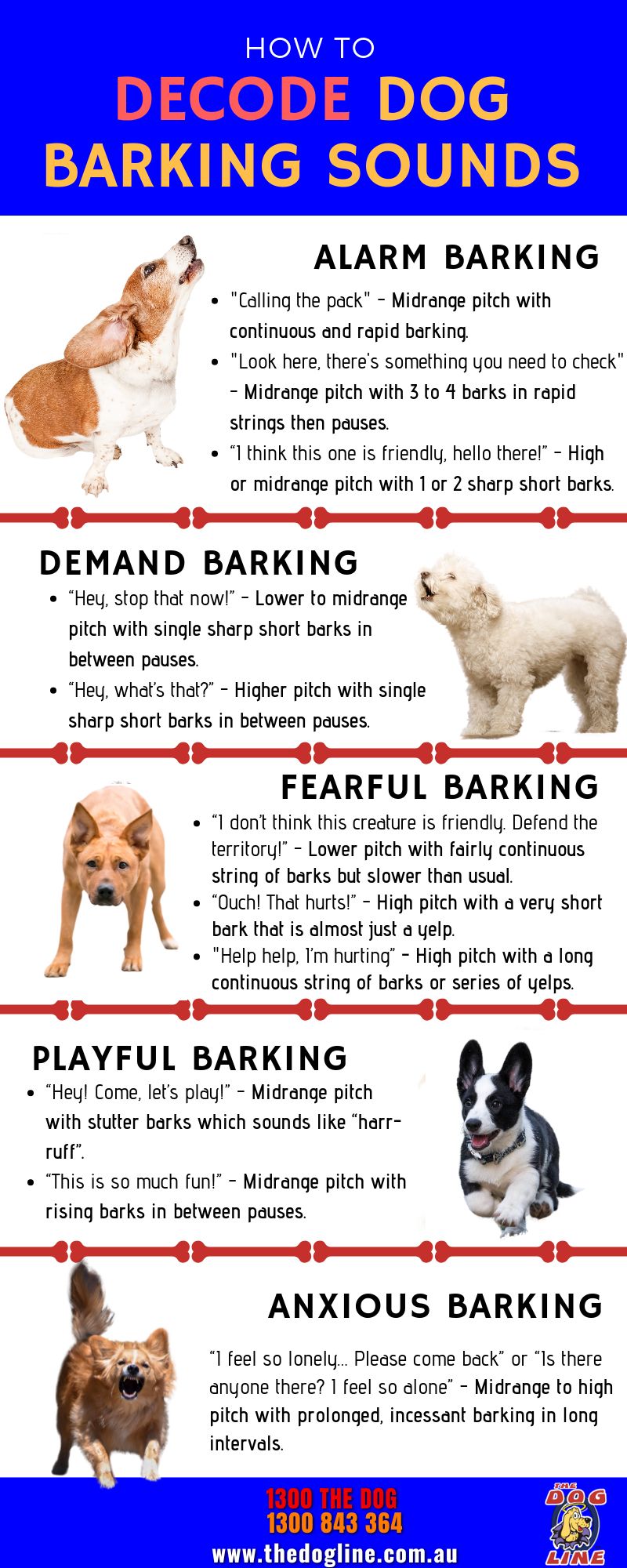
Barking is normal dog behavior. It is one of the main ways dogs communicate with people and other animals. The goal is not always to stop every bark. Instead, you should learn what the bark means and teach your dog when quiet behavior is useful.
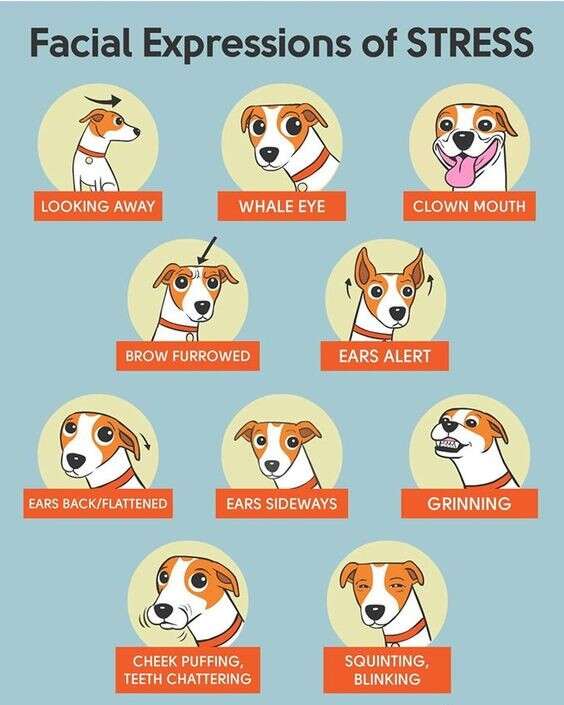
The sound, body language, and setting can give you clues. A dog with a loose body and wagging tail may bark from excitement. A dog with stiff legs, pinned ears, or raised fur may feel scared or threatened.
Common reasons for barking include:
• Alert barking when someone approaches the home
• Fear caused by loud sounds, strangers, or new places
• Excitement during play, walks, or greetings
• Attention seeking when the dog wants food, touch, or access
• Boredom from too little exercise or mental activity
• Frustration when the dog sees something but cannot reach it
• Separation distress when the owner leaves
• Pain, illness, hearing loss, or age-related confusion
The best answer to what to do when a dog barks depends on the cause. A method that helps an alert bark may not help a dog with separation anxiety. Treating all barking the same can make the problem worse.
What to Do When a Dog Barks at You
If a dog barks at you, avoid yelling, staring, running, or reaching toward the dog. These actions can increase fear or excitement. Stand at an angle, keep your movements slow, and give the dog space.
If the dog is loose and unfamiliar, do not try to touch it. Place a barrier between you and the dog if possible. Speak in a calm voice and wait for the owner or animal control service to help.
If your own dog barks at you, first check its needs. Your dog may need a bathroom break, water, food, rest, or help with pain. If those needs are met, avoid giving attention during repeated demand barking.
Wait for a brief pause. Then reward the quiet moment with calm praise, a small treat, or access to something safe. This teaches the dog that silence, rather than barking, gets your attention.
A practical response looks like this:
- Stop and stay calm.
- Check for fear, pain, danger, or basic needs.
- Move away from the trigger if your dog feels stressed.
- Wait for a short pause in barking.
- Reward the quiet behavior.
- Repeat the process in short sessions.
One mistake I often see is giving a treat while the dog is still barking. The owner means to calm the dog, but the dog may learn, “Barking makes treats appear.” Timing matters more than the size of the reward.

What to Do When a Dog Barks at Strangers
A dog may bark at strangers because it feels protective, nervous, or unsure. Do not force the dog to greet visitors. Forced contact can increase fear and may lead to growling, snapping, or biting.
Before visitors arrive, prepare a quiet area. Use a baby gate, crate, or separate room if your dog needs distance. Give the dog a food puzzle or long-lasting chew to create a positive routine.
When the visitor enters, ask them to ignore the dog. They should avoid eye contact, leaning over the dog, or reaching out. Once the dog is calm, the visitor can gently toss treats from a safe distance.
Try this training plan:
• Begin far enough away that your dog can notice the person without barking.
• Give a high-value treat when your dog looks at the person.
• Stop the treats when the person leaves or moves out of view.
• Slowly reduce the distance over several sessions.
• Stop if your dog becomes stiff, lunges, growls, or barks nonstop.
This process changes the dog’s emotional response. The stranger becomes a sign that good things may happen, not a reason to panic.
When deciding what to do when a dog barks at strangers, focus on safety first. A quiet dog is not always a relaxed dog. Some dogs stop barking because they shut down, so watch the full body, not only the mouth.

What to Do When a Dog Barks at the Door
Door barking often becomes a habit. The doorbell rings, the dog rushes forward, people react, and the exciting event ends. Each repetition can strengthen the behavior.
Start by teaching an alternative action, such as “place.” Choose a mat several feet from the door. Reward your dog for stepping onto it, standing there, and staying there.
Practice without real visitors first. Tap the door softly, say “place,” and reward your dog for moving to the mat. Increase the sound and speed only when your dog stays calm.
Use these steps when someone arrives:
- Ask the dog to go to the mat.
- Reward the dog for staying there.
- Open the door only when the dog is under control.
- Ask the visitor to ignore the dog at first.
- Release the dog when its body is loose and calm.
You can also reduce the trigger. Close blinds, use window film, or move furniture away from the front window. A white noise machine may help block hallway sounds in an apartment.
Avoid shouting, “Stop barking!” from across the room. To many dogs, this sounds like you are joining the alarm. Calmly guide the dog to the trained spot instead.

What to Do When a Dog Barks Outside
Outdoor barking may come from people, dogs, cars, wildlife, or simple excitement. A fence can make this worse because the dog sees a trigger but cannot approach it. This often creates frustration.
Do not leave a barking dog outside alone for long periods. Supervision lets you respond before the barking becomes intense. It also protects your relationship with neighbors.
When your dog notices a trigger, call its name in a friendly voice. If it turns toward you, reward it. Then guide it away from the fence or window.
Useful tools include:
• A secure leash and well-fitted harness
• Visual barriers along part of the fence
• Short outdoor sessions with active supervision
• Sniffing games in the yard
• Reward-based recall practice
• A quiet indoor area for rest
If your dog cannot take food or respond to its name, the trigger is too close or too intense. Increase distance and try again later. Training works best below the point where the dog loses control.
What to do when a dog barks outside is not to punish the sound after the fact. Instead, prevent long barking sessions and reward calm choices early.
What to Do When a Dog Barks at Other Dogs
Some dogs bark at other dogs because they want to play. Others bark because they feel afraid, trapped, or frustrated. A wagging tail alone does not prove that a dog is friendly. Look at the whole body.
Begin in a quiet place with plenty of space. Let your dog see another dog from a distance. Feed small treats while your dog remains calm and can still focus on you.
If your dog barks, lunges, or pulls hard, turn away and create more space. Do not punish the reaction. Punishment may make the other dog seem even more threatening.
Keep walks predictable and short at first. Cross the street, step behind a parked car, or make a U-turn when needed. These actions are not failures. They are smart ways to prevent your dog from practicing unwanted behavior.
A professional trainer can help build a gradual behavior plan. Choose someone who uses reward-based methods and has experience with fear or leash reactivity.
Meet Your Dog’s Exercise and Mental Needs
A tired dog is not automatically a well-trained dog, but a dog with enough healthy activity often has more ability to learn. Exercise can reduce boredom barking, especially when paired with mental work.
Every dog needs a plan that fits its age, breed, health, and personality. A young herding dog may need games and training tasks. An older dog may benefit from slow walks, scent games, and gentle movement.
Try a mix of:
• Sniff walks where your dog can explore safely
• Short obedience sessions
• Food puzzles and stuffed toys
• Hide-and-seek games
• Search games using treats
• Chew items approved for safe use
• Calm play followed by rest
Do not use intense exercise as the only answer. Some dogs become more aroused after nonstop fetch or running. Include quiet activities that help the dog settle.
In my experience, five minutes of focused training can help more than a long walk with no mental challenge. Give the dog a job, then show it how to relax after the job is done.
Teach a Reliable Quiet Cue
A quiet cue works best after you understand why your dog is barking. It should not be a demand shouted over the noise. It should be a calm signal that predicts a reward.
Start during a mild barking moment. Hold a treat near your dog’s nose. When the dog pauses to sniff, say “quiet” in a soft voice and give the treat. Repeat several times.
Next, wait for a slightly longer pause. Add one second at a time. If barking returns, lower the difficulty instead of repeating the cue again and again.
Follow these training rules:
• Use one clear word, such as “quiet.”
• Speak once and wait.
• Reward silence quickly.
• Keep sessions short.
• Practice before barking becomes intense.
• Never use the cue as a threat.
The dog may not become quiet on command right away. Learning takes many small repetitions. What to do when a dog barks during training is to reduce the trigger, regain attention, and reward the next calm moment.
Avoid Methods That Increase Fear
Some old training methods rely on punishment, shouting, leash jerks, shock, or devices that cause pain. These methods may stop a sound for a moment, but they do not always solve the emotion behind it.
A fearful dog may become more anxious. An aggressive response may become harder to predict. Punishment can also make the dog link pain with a visitor, child, dog, or other trigger.
Reward-based training is supported by modern animal behavior guidance. It teaches the dog what to do instead of only telling the dog what not to do.
Avoid these common mistakes:
• Yelling over the barking
• Hitting, shaking, or startling the dog
• Using a bark collar without expert guidance
• Forcing greetings
• Waiting until the dog is already frantic
• Rewarding barking by opening doors or giving attention
• Ignoring signs of pain or illness
This does not mean you must allow unsafe behavior. Management, distance, barriers, and professional help are responsible choices. Kind training can also be firm and consistent.
When Barking May Signal a Health Problem
A sudden change in barking deserves attention. A normally quiet dog that starts barking often may be in pain, confused, distressed, or affected by a medical issue.
Older dogs may develop hearing loss or cognitive changes. They may bark at walls, wake at night, or seem lost in familiar rooms. These signs should be discussed with a veterinarian.
Contact a veterinarian if barking occurs with:
• Limping or trouble standing
• Excessive panting or restlessness
• Changes in appetite or thirst
• Coughing, gagging, or breathing trouble
• Whining when touched
• Confusion or nighttime pacing
• Sudden aggression or unusual fear
• Repeated barking when left alone
A behavior plan cannot fix untreated pain. Veterinary care should come before intensive training when health may be involved.
How to Handle Separation-Related Barking
Barking that happens only when you leave may point to separation anxiety. Other signs include pacing, drooling, destructive behavior, escape attempts, house soiling, or barking near doors and windows.
Do not punish the dog after returning home. The dog cannot connect punishment with barking that happened minutes or hours earlier. Punishment may also make future departures more stressful.
Start with very short absences. Leave for a few seconds, return calmly, and slowly build time only when the dog remains relaxed. A camera can help you see what happens when you are away.
Helpful steps include:
• Give the dog a calm pre-departure routine.
• Avoid dramatic goodbyes.
• Offer a safe food toy if the dog can eat when alone.
• Use a sitter or walker during longer absences.
• Keep a record of barking and other signs.
• Ask a veterinarian or qualified behavior professional for help.
Severe separation anxiety may need a treatment plan that includes behavior work and medication. Medication is not a shortcut or a failure. In some cases, it helps the dog learn by lowering panic to a manageable level.
When to Call a Professional
Seek professional help when barking creates a safety risk, disrupts sleep, causes neighbor complaints, or does not improve with consistent training. Get help sooner if your dog lunges, snaps, bites, escapes, or shows intense fear.
Choose a certified trainer or veterinary behavior professional who explains the plan clearly. Ask what methods they use and how they handle fear, aggression, and anxiety.
A useful professional should:
• Watch the dog’s body language
• Ask about health and daily routines
• Identify triggers and patterns
• Create a gradual training plan
• Explain safety steps
• Track progress with clear goals
• Avoid promises of instant results
Keep a simple barking diary. Record the time, place, trigger, body language, duration, and what helped. This turns a frustrating problem into useful information.
The answer to what to do when a dog barks is sometimes a team effort. Getting help is a sign of good care, not poor ownership.
Frequently Asked Questions About What to Do When a Dog Barks
Should I ignore my dog when it barks?
Ignore attention-seeking barking when it is safe to do so, but do not ignore fear, pain, danger, or severe distress. Wait for a quiet pause, then reward calm behavior and meet the dog’s needs.
Why does my dog bark at nothing?
Dogs may hear or smell things people miss. However, sudden barking at empty spaces can also relate to anxiety, pain, hearing changes, or age-related confusion, so a veterinary check may be wise.
How do I stop my dog from barking at the window?
Block the view, move the dog away from the window, and reward calm behavior when triggers appear. Teach a replacement action, such as going to a mat, instead of shouting at the dog.
Do bark collars work?
Some bark collars may suppress barking, but they do not identify or fix the cause. They can increase fear or stress, especially in sensitive dogs, so reward-based training and professional guidance are safer starting points.
How long does it take to stop unwanted barking?
The time varies by cause, age, temperament, and consistency. Mild habit barking may improve within weeks, while fear, reactivity, or separation anxiety often needs a longer plan and professional support.
Should I punish my dog for barking?
Punishment can increase fear and may hide warning signs without changing the cause. Teach a quiet behavior, manage triggers, and reward calm choices instead.
Conclusion
What to do when a dog barks begins with patience, safety, and careful observation. Find the cause, reduce the trigger, meet your dog’s physical and mental needs, and reward quiet behavior. Avoid yelling and painful methods, and seek veterinary or professional help when barking is sudden, severe, or linked to fear.
Start with one small training session today. Notice what happens before the bark, reward the first calm pause, and keep a simple record of progress. For more practical dog training guidance, explore trusted behavior resources or share your experience with a qualified trainer.

Pet Care Writer & Researcher
Daniel writes practical guides on daily care, feeding, and safety, turning complex topics into simple, actionable advice.