How To Deal With Puppy Separation Anxiety: Proven Tips 2026
Learn how to deal with puppy separation anxiety using simple routines, crate training, and enrichment. Calm your pup faster with expert-backed, gentle steps.
Build calm routines, teach short absences, and pair leaving with treats.
You love your puppy, but your schedule still exists. If you want to know how to deal with puppy separation anxiety, you are in the right place. I’ve helped many new owners turn panic into peace with simple, science-based steps. Stick with me, and you will leave home without guilt and come back to a calm, happy pup.
What Separation Anxiety Looks Like In Puppies
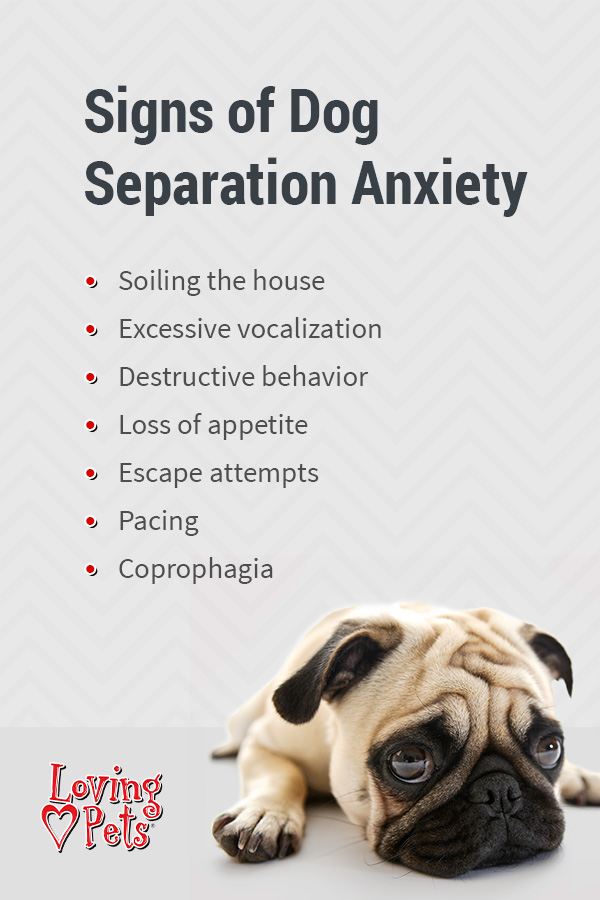
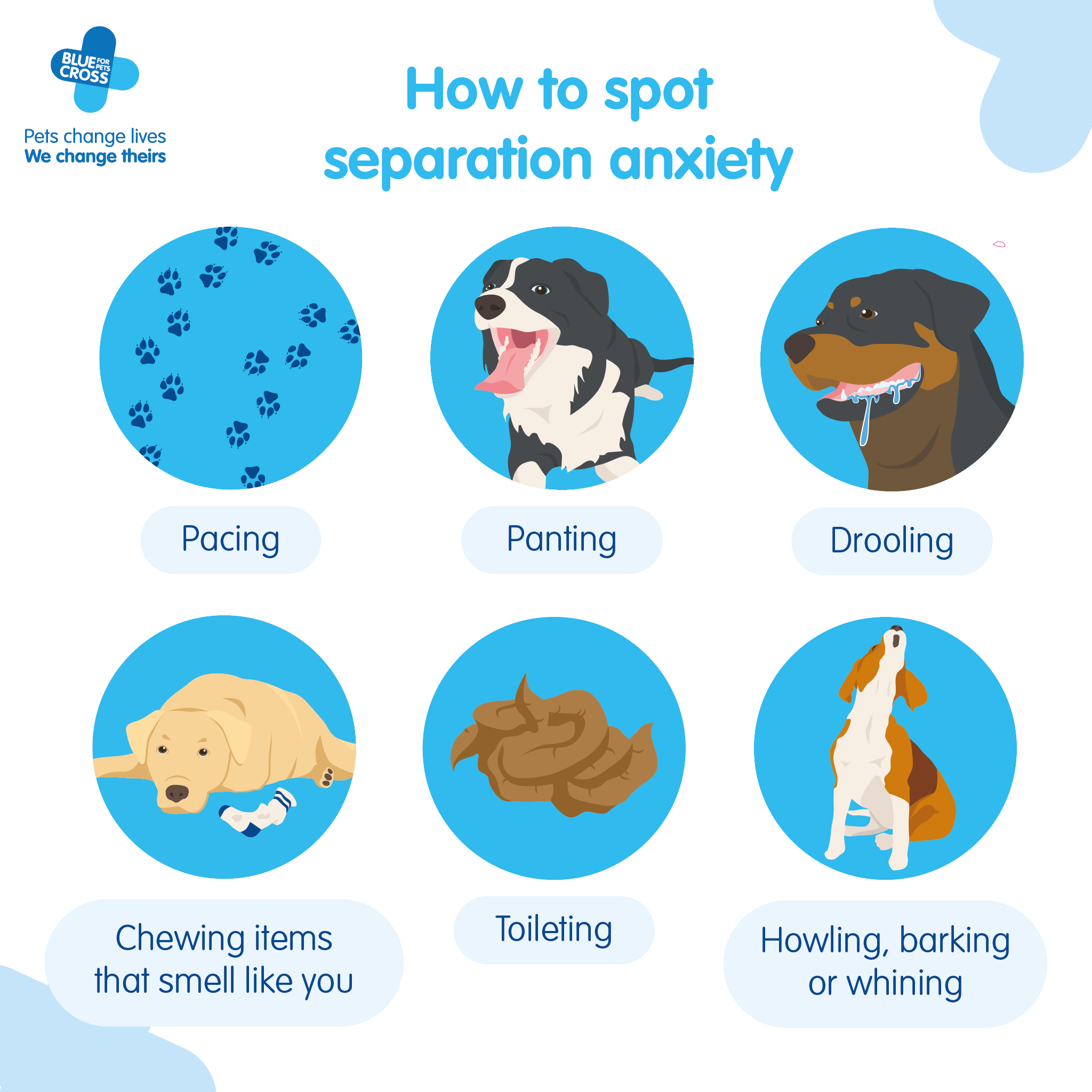
Separation anxiety is fear. It is not spite. Your puppy is not “mad at you.” The signs show stress and panic. You may see whining, howling, drooling, shaking, or pacing. You may find door chewing, crate escapes, or accidents only when you are gone.
Learning how to deal with puppy separation anxiety starts with spotting true signs. Normal puppy trouble is random. Separation anxiety happens after you leave or when you move out of sight. A camera helps you tell the difference. If panic peaks in the first few minutes and then fades, it may be mild. If it builds and stays high, it is more severe.
A quick rule I use with clients is this. If your pup can relax with a chew when you go to the next room, there is hope with simple changes. If they scream the moment you grab keys, you will need a plan. And you can do it.
Why It Happens
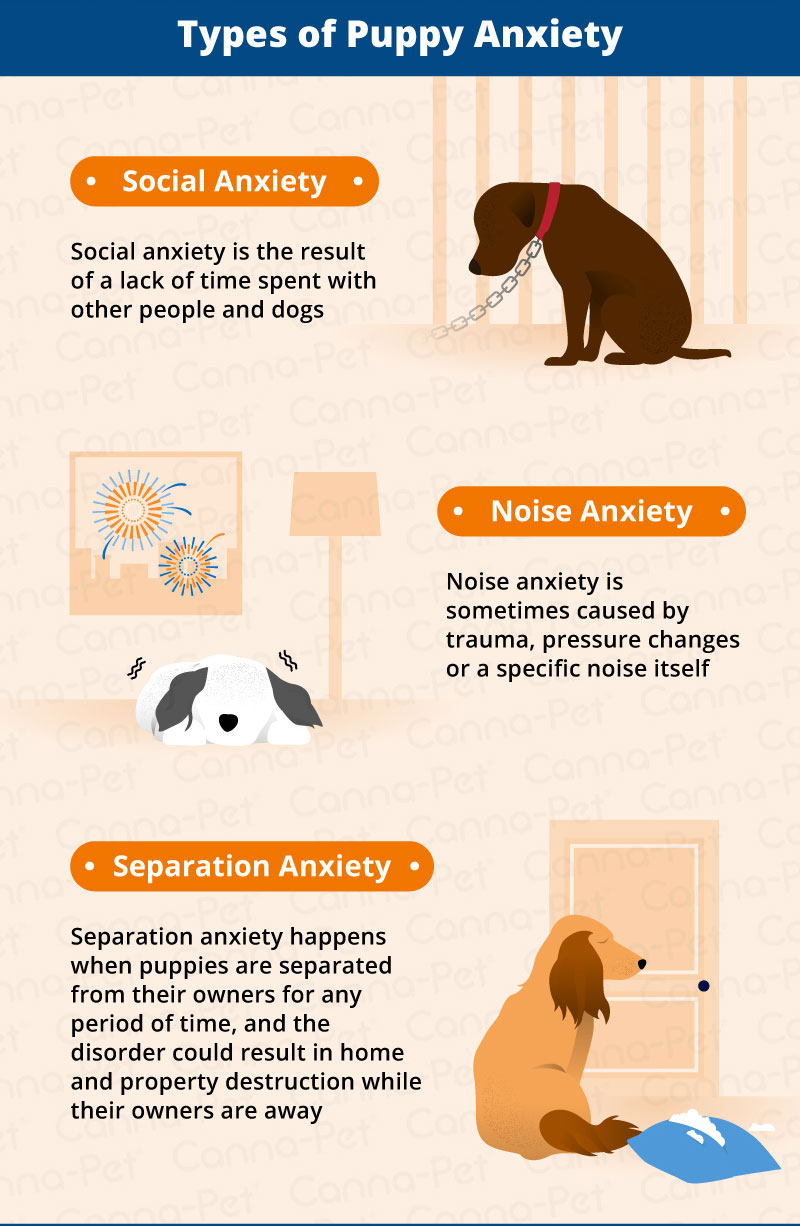
Puppies face big change fast. New home. New sounds. New rules. Some pups had little early handling. Some lost their litter too soon. A few have a sensitive nature from birth. Fear periods hit at 8 to 10 weeks and again near 4 to 6 months. That can boost worry.
To learn how to deal with puppy separation anxiety, you must think like a coach. You lower stress. You build skills. You go slow. Studies on behavior show that fear drops when we pair scary cues with good things. That is the base of your plan.
Do not blame yourself. Your bond is not the cause. Panic comes from fear, not love. Your job is to guide your puppy out of fear. Step by step.
Your First 48-Hour Plan
Here is how to deal with puppy separation anxiety from day one. Keep it light and quick. Focus on rest, routine, and safe alone-time games.
- Set a calm day rhythm. Feed, play, train, nap. Repeat.
- Use a small safe space. A crate or playpen near you at first.
- Scatter part of meals in a snuffle mat. Let the nose work.
- Play leave-and-return games. Step out for one second. Return. Drop a tiny treat. Repeat.
- Ignore drama. Reward calm. Come back only when quiet for one second.
- Keep absences short. Think seconds, not minutes, at the start.
If you must leave for longer now, ask for help. A sitter or friend can stay. Avoid big jumps in time away this early. It can set training back.
Daily Training Plan: How To Deal With Puppy Separation Anxiety
This plan uses two keys. Desensitization and counterconditioning. In simple terms, you blur the scary cue and you pair it with joy.
- Create a trigger list. Keys. Shoes. Bag. Coat. Door sound. Each cue gets its own tiny drill.
- Break cues into tiny steps. Pick up keys. Treat. Put them down. Repeat ten times. No leaving yet.
- Add short exits. Touch keys. Treat. Step out for one second. Return. Treat. Build to three seconds. Then five. Then ten.
- Use food puzzles for exits. A stuffed Kong or lick mat lasts longer. Leave as the chew starts. Return before the chew ends.
- Keep sessions brief. Two to three sets per day. Five to ten reps per set.
- Raise time slowly. If your puppy stays calm at 30 seconds for three sets, try 45 seconds next. If panic starts, go back to the last easy step.
A note from my case notes. Most families jump too fast. They go from 30 seconds to 5 minutes in one day. Their pup panics. Then the pup learns that leaving is scary. Keep gains small. Small steps stack fast.

The Right Setup And Tools
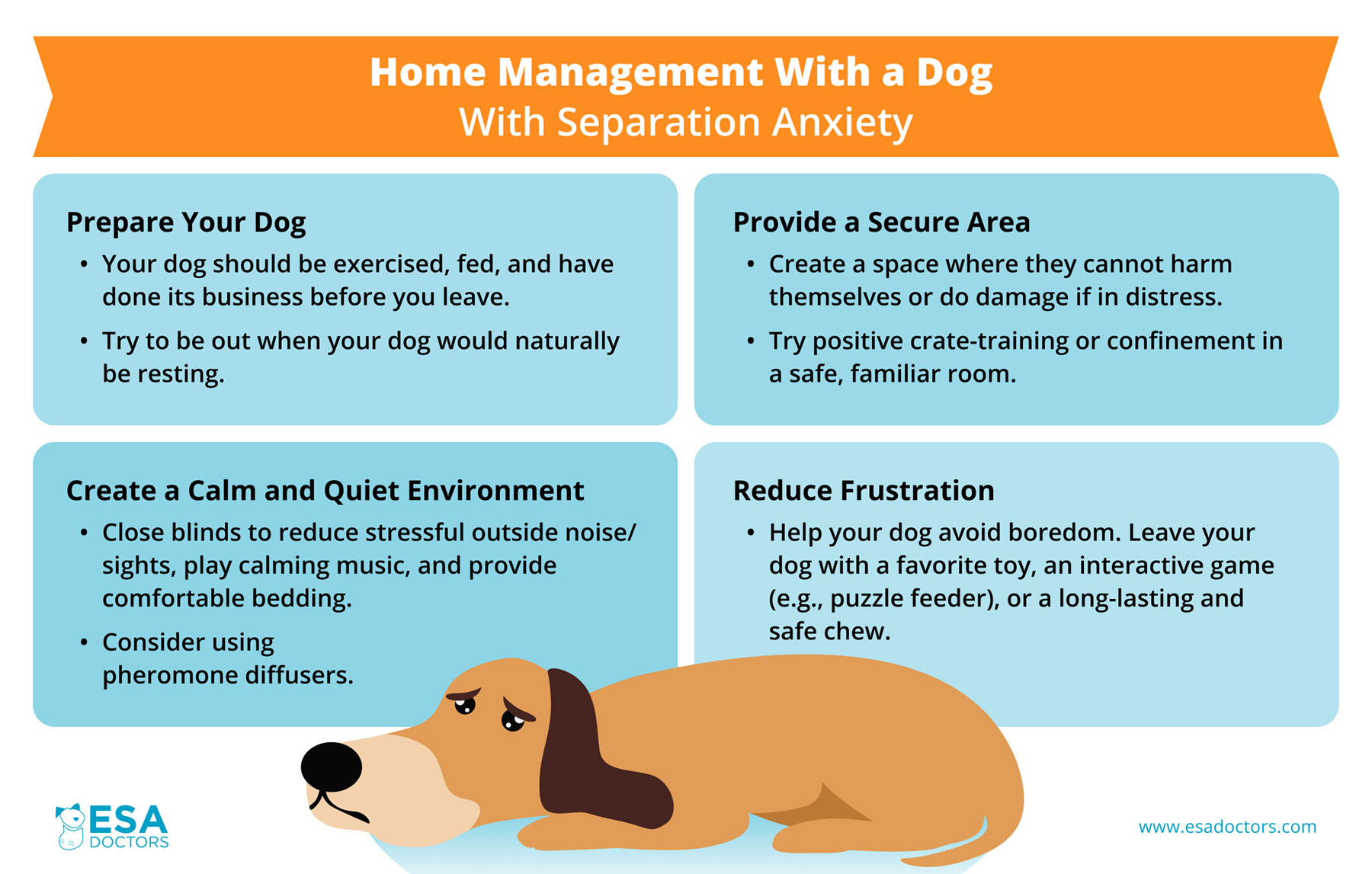
Tools support training. They do not fix fear alone. Used well, they help you with how to deal with puppy separation anxiety.
- Crate or playpen. Choose the one where your pup relaxes best. The space should be cozy, not tight.
- Comfort chews. Use safe, vet-approved chews, Kongs, or lick mats. Licking soothes the brain.
- White noise or soft music. This blocks sudden sounds that can startle a pup.
- A worn T-shirt. Your scent can calm, but do not rely on it alone.
- Pheromone diffuser. Some pups relax more with it. Results vary.
- Camera. Track how your pup does. You cannot fix what you cannot see.
Make sure potty needs are met. A full bladder and training do not mix. Feed a light meal before sessions. Heavy meals can cause sleep, not learning.

Departures And Returns That Keep Your Puppy Calm
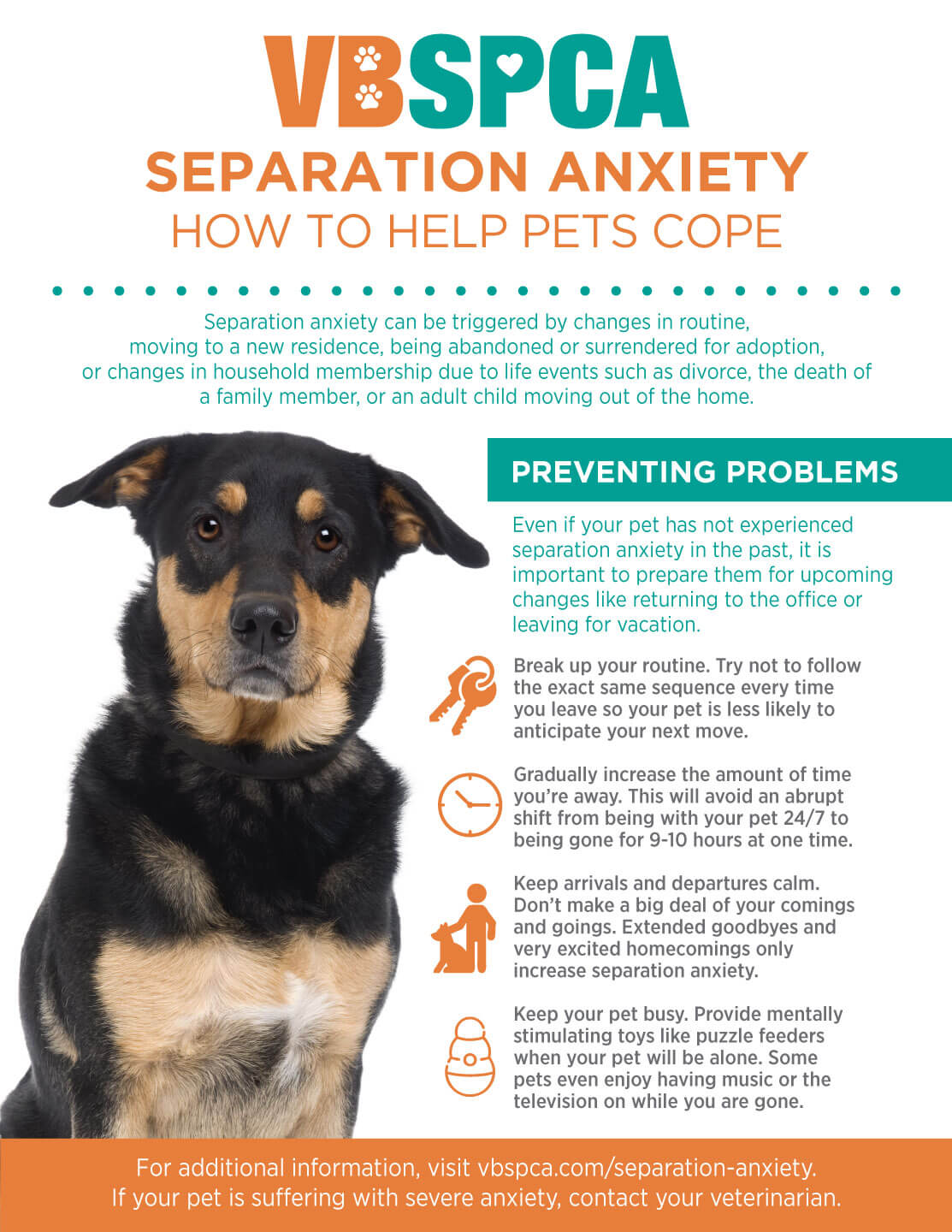
This part is simple, but it works. It is the core of how to deal with puppy separation anxiety. Your goal is to make leaving and coming home feel boring and safe.
- Five-minute wind-down. No wild play before you go. Calm petting. Slow breaths. Gentle words.
- Give the chew. Wait three beats. Leave with no fanfare.
- Skip the hype. Do not say a big goodbye. Keep your face soft. Move slow.
- Silent returns. Walk in. Drop a treat. Put things away. Then greet once the pup is calm.
If your puppy barks as you grab the door, pause. Wait for one second of quiet. Then go. That way the door does not mean panic. It means calm gets you paid.
Handling Setbacks And Tracking Progress
Progress is not a straight line. When you plan how to deal with puppy separation anxiety, expect dips. Growth days and sticky days both teach you.
- Track each session. Note the time away, the chew used, and the stress signs.
- Set a calm threshold. Your pup should stay under mild stress. If they whine or pace for more than ten seconds, reduce time.
- Use two scales. One for time alone. One for cue strength. Raise only one at a time.
- Take rest days. One easy day can prevent a big crash later.
If you hit a wall at two minutes, change one piece. Try a new chew. Use a fan for white noise. Shift the time of day. Tiny tweaks can unlock the next step.
When To Call A Pro
Some cases need more help. A vet check rules out pain, tummy issues, or bladder problems. A certified trainer or behavior expert can set a plan and coach you. They can model the steps and fix tiny errors fast.
A vet can guide how to deal with puppy separation anxiety in tough cases. In rare cases, short-term meds help lower panic. That lets training stick. This choice is personal. A pro can explain risks and gains in plain words.

My Field Notes: Lessons From Real Homes
I have coached many families through this. One small terrier could not handle five seconds. We cut steps in half. We trained three times a day. In two weeks, he reached three minutes with a soft chew. His wins felt small, but they stacked.
This is how I show owners how to deal with puppy separation anxiety. Keep calm. Keep sessions short. Keep a log. Reward your puppy for the state you want. Most of all, go at your puppy’s pace, not your calendar’s pace.
Common mistakes I see:
- Jumping steps too fast. Fix by going back two steps.
- Letting the chew run out mid-session. Fix by adding a second chew or ending sooner.
- Big greetings at the door. Fix by waiting for calm, then greet.
Frequently Asked Questions of how to deal with puppy separation anxiety
How long can a puppy be left alone?
Young puppies need very short absences. Aim for seconds to a few minutes while you train, and use help for longer needs.
Does a crate help with separation anxiety?
A crate helps if the puppy loves it. If the crate adds stress, use a playpen or a safe room instead.
What if my puppy cries the moment I touch the keys?
Start with key drills only. Touch keys, treat, put them down, repeat. Add short exits later once the keys feel boring.
Can exercise fix it?
Exercise helps reduce stress, but it is not a cure. Pair good exercise with a slow training plan for best results.
How fast should I increase time away?
Raise time when the puppy shows calm signs. Add 5 to 15 seconds at a time, and drop back if stress pops up.
Conclusion
You now have a clear path to help your puppy feel safe when alone. Use calm routines, tiny steps, and great rewards. Keep notes and move at your puppy’s pace. When you follow these steps, you truly learn how to deal with puppy separation anxiety and make real, steady gains.
Start today. Pick one cue and run ten easy reps. Share your wins, ask questions, or subscribe for more step-by-step guides. Your future calm goodbye is closer than you think.
Pet Care Writer & Researcher
Daniel writes practical guides on daily care, feeding, and safety, turning complex topics into simple, actionable advice.