How To Calm Dog During Loud Noises: Proven Calming Tips
Struggling with how to calm dog during loud noises? Try expert, vet-backed steps to soothe anxiety fast and keep your pup safe during storms, fireworks.
Create a safe retreat, add sound masking, reward calm, and use proven calming aids.
If loud bangs turn your dog into a trembling shadow, you’re not alone. I’ve helped hundreds of families learn how to calm dog during loud noises with simple steps that work fast and training that lasts. In this guide, I’ll show you exactly how to calm dog during loud noises with evidence-based methods, real-life examples, and a calm plan you can use tonight and build on for years.

Why dogs fear loud noises
Dogs hear more than we do. Sudden sounds feel intense and hard to place. Fireworks crack. Thunder rolls. The air pressure shifts. For a dog, that can mean danger.
Fear shows up in many ways. Watch for pacing, panting, drooling, yawning, and pinned ears. Some dogs hide. Others claw at doors or try to run. Studies suggest many dogs react to fireworks and storms. You are not failing. Your dog is not “bad.” Fear is a normal brain response.
Here is the good news. Fear can change. With the right plan, your dog can learn to feel safe. You can master how to calm dog during loud noises and help your home feel peaceful again.

A calm plan for tonight
When the noise starts, act fast and keep it simple. Your goal is comfort, safety, and steady breathing.
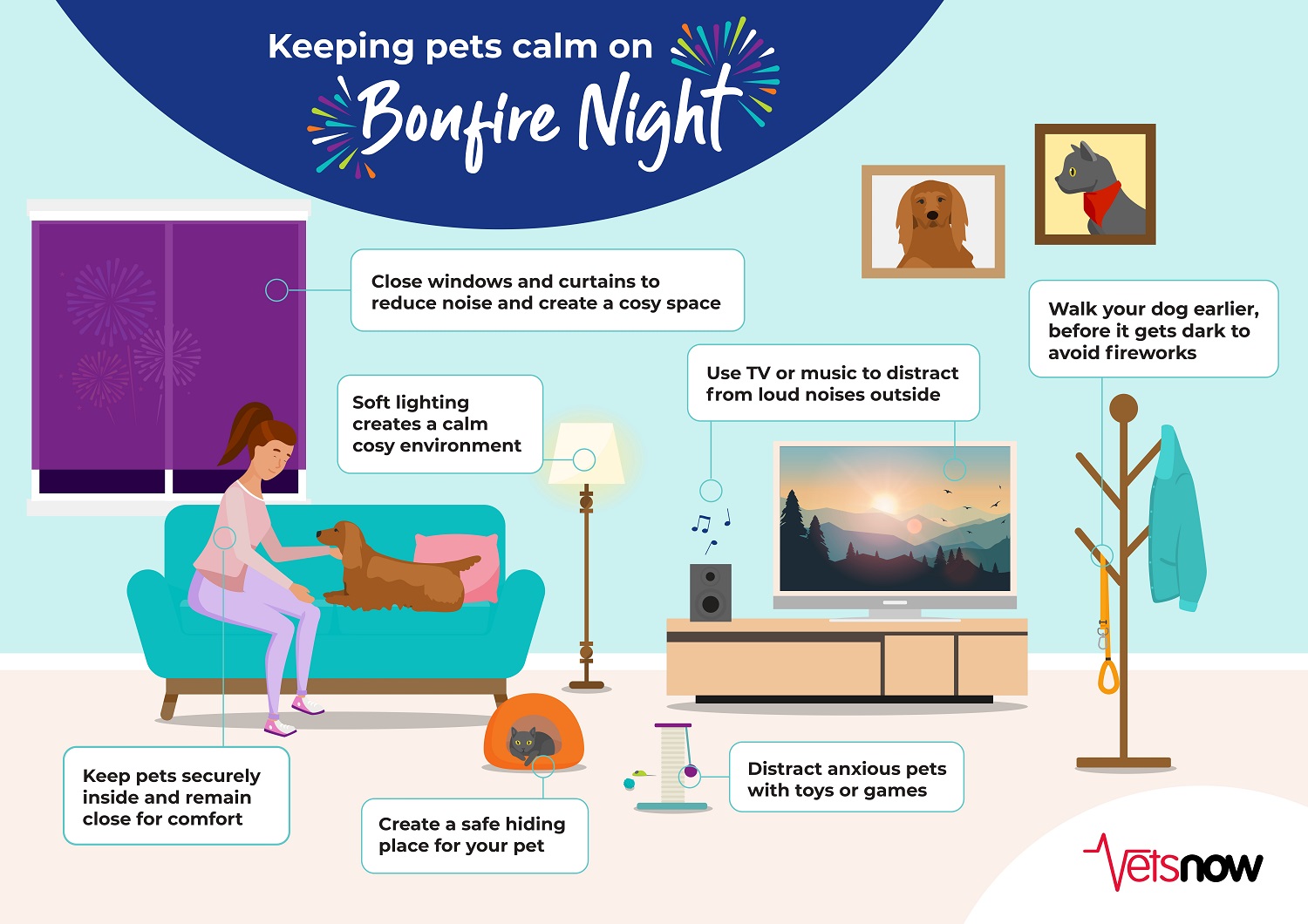
- Close doors, windows, and curtains. Block flashes as well as sound.
- Turn on steady sound. Use a fan, white noise, or calm music.
- Move to your dog’s safe spot. Sit near, breathe slow, speak soft.
- Offer high-value treats. Feed tiny bites for calm looks and soft body.
- Use a pressure wrap or snug T-shirt if your dog likes it.
- Avoid the yard. Keep a leash on for potty breaks.
If your dog refuses food, do not push. Sit close. Slow petting can help if your dog seeks touch. If not, give space. The key in how to calm dog during loud noises is choice and comfort, not force.

Set up a safe, sound-buffered retreat
Think of this as your dog’s storm bunker. It should be small, cozy, and quiet.
- Pick an internal room or closet. Basements work well if your dog is comfy there.
- Add soft bedding and a favorite toy. A worn shirt with your scent helps.
- Use a covered crate only if your dog already loves it.
- Drape blankets over doors to reduce echo. Leave airflow clear.
- Place a water bowl. Keep chews or a stuffed food toy ready.
- Pre-load the space during calm days. Drop treats there often so it feels great.
In my work, shy terriers love a closet corner with a fan and gentle music. Retrievers often pick a crate with a cover. Follow your dog’s lead. A good retreat is core to how to calm dog during loud noises.
Training that changes emotions
Noise fear fades with training. Use desensitization and counterconditioning. Go slow, stay under your dog’s stress limit, and pay well.
Step-by-step noise practice
- Find a high-quality sound track of storms or fireworks.
- Start at a very low volume. Your dog should notice but stay relaxed.
- Pair the sound with great things. Feed tiny treats the whole time the sound plays.
- Keep sessions short. One to three minutes is fine.
- End while your dog is still calm. Take a break.
- Over days, nudge the volume up only if your dog stays loose and happy.
If your dog tenses, lower the volume next time. Never “flood” your dog with loud sound. That can make fear worse.
Real-life pairing
- When real thunder starts, scatter treats on the floor.
- Play the “sound equals snacks” game. Every boom, a treat party.
- Keep your voice neutral and kind. Your dog learns, “Noise brings good things.”
This is the gold standard in how to calm dog during loud noises. It rewires emotion, not just behavior.

Tools and aids that help
Some aids give quick relief. Use them with training for best results.
- White noise and music. Look for playlists designed for dogs or simple brown noise.
- Pressure wraps. Products like body wraps can calm some dogs. Fit matters.
- Pheromone diffusers. Dog appeasing pheromone may help. Results vary by dog.
- Ear protection. Can muffle sound for dogs who accept headgear.
- Food enrichment. Frozen stuffed toys or long-lasting chews promote calm licking.
I’ve seen wraps help about half of my cases. Pheromones help a smaller group, but when they help, owners notice. Mix and match. Test on quiet days first. These tools support how to calm dog during loud noises by easing the edge.

Nutrition, supplements, and medication
Always talk to your veterinarian before you try anything new. The right plan is personal.
Over-the-counter options
- L-theanine and alpha-casozepine. May reduce mild stress. Evidence is mixed.
- Fish oil. Supports brain health over time.
- Melatonin. Can aid sleep. Dosing and timing matter.
Supplements can help mild cases. They are not a fix for panic. For many dogs, how to calm dog during loud noises will include vet-guided meds.
Prescription options
- Dexmedetomidine gel for noise events. Works fast for many dogs.
- Trazodone, gabapentin, or clonidine. Often used alone or together.
- Short-acting benzodiazepines. Can help if used at first sign of noise.
Avoid acepromazine as a sole drug for noise fear. It sedates the body but may not ease fear, and some dogs feel worse. Your vet will tailor the plan and watch for side effects.

Before-the-storm or fireworks checklist
Use this prep list the morning of a forecast or event.
- Exercise early. A calm body handles stress better.
- Feed a full meal a bit early. A full belly can soothe.
- Set up the safe room. Start white noise now.
- Put ID on your dog. Check your microchip info.
- Close blinds, curtains, and pet doors.
- Place meds, wraps, chews, and water in reach.
Run this plan often. Rehearsal helps both of you. This routine anchors how to calm dog during loud noises and builds trust.

What not to do
Avoid these common mistakes. They can make fear worse.
- Do not punish fear. Your dog is scared, not stubborn.
- Do not force your dog to stay outside or “face it.”
- Do not wait until panic hits to give meds if your vet says to pre-dose.
- Do not push crate use if your dog hates the crate.
- Do not play very loud recordings and hope your dog “gets used to it.”
Kindness, timing, and choice are the heart of how to calm dog during loud noises.

Tracking progress and when to get help
Keep a simple log. Note date, noise type, signs, aids used, and results. Check trends each month. Small wins count. Shorter panting, faster recovery, or taking treats are all progress.
Seek a certified trainer or veterinary behaviorist if your dog:
- Tries to escape or self-harms.
- Refuses food for hours after noise.
- Shows new fear of daily sounds.
Early help saves time and stress. A pro can fine-tune how to calm dog during loud noises for your dog’s needs.
Frequently Asked Questions of how to calm dog during loud noises
How can I help my dog right now during fireworks?
Move to a safe room, turn on white noise, and offer high-value treats. Sit near and breathe slow so your dog can mirror your calm.
Should I comfort my dog when they are scared of thunder?
Yes, if your dog seeks contact. Gentle touch and soft words can lower stress and do not “reward fear.”
Do calming wraps and pheromones really work?
They help some dogs but not all. Try them on quiet days first and pair them with training for best results.
What training is best for noise fear?
Desensitization and counterconditioning are the gold standard. Start at a low volume and pair sound with great rewards.
When should I talk to my vet about medication?
If your dog panics, cannot eat, or cannot settle, call your vet. Medication can make training possible and protect your dog’s welfare.
Can I leave my dog alone during a storm?
If your dog has severe fear, avoid leaving them alone. If you must leave, set up the safe room, sound masking, and consider vet-guided meds.
Is it okay to use a crate during loud noises?
Only if your dog already loves the crate. Make it cozy and covered, but keep airflow and choice to enter or exit.
Conclusion
You can help your dog feel safe when the world gets loud. Build a cozy retreat, mask sound, reward calm, and add training that changes how your dog feels. Use tools and, when needed, vet care to ease the load.
Start tonight with one step. Set up the safe room, pick a soundtrack, and prep a treat party. If this guide helped, share it with a friend, subscribe for more dog-care tips, or drop a comment with your wins and questions. Your path to how to calm dog during loud noises starts now.

Pet Care Writer & Researcher
Daniel writes practical guides on daily care, feeding, and safety, turning complex topics into simple, actionable advice.