How To Care For A Rescue Dog At Home: Essential Tips 2026
Learn how to care for a rescue dog at home with gentle training, routine, nutrition, and bonding tips. Build trust fast and create a safe, happy life together.
Start with patience, structure, vet care, gentle training, and slow, steady trust.
If you want to learn how to care for a rescue dog at home, you’re in the right place. I’ve fostered scared strays and lively pups, and I’ve made mistakes so you don’t have to. This guide shows you clear steps, simple routines, and proven tips you can use today.

Prepare your home before pickup
Set up one calm room. Add a bed, water, and toys. Use a crate or gate if it helps. Hide wires and shoes.
Place food and water away from doors. Keep scents soft. Skip loud music. Use a leash for the first tour.
Gather basics now. You need a collar with ID, a harness, and a leash. Add poop bags, a brush, and safe chews.
Tell your family the plan. Speak soft and move slow. One person leads at first.
When you ask how to care for a rescue dog at home, start with a safe space and clear rules.
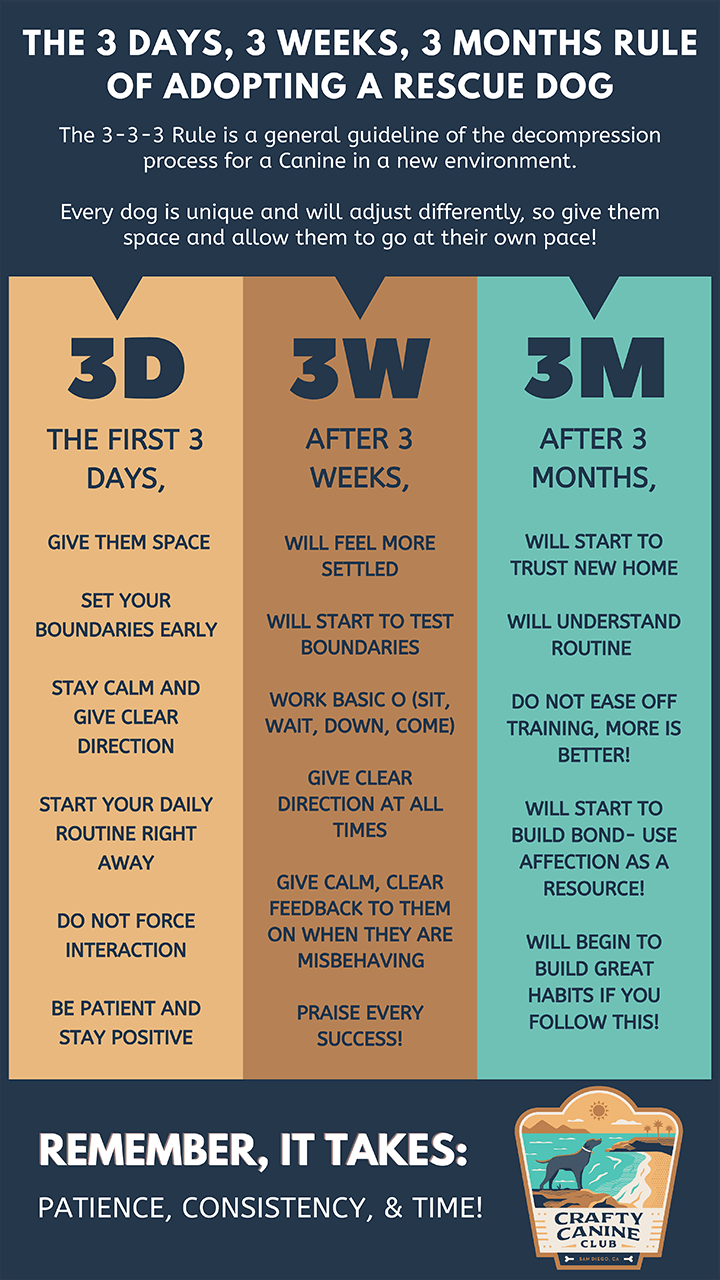 decompress with the 3-3-3 guideline”
style=”max-width: 100%; height: auto; border: 2px solid black; border-radius: 10px; display: block; margin: 0 auto;”
loading=”lazy”
/>
The first 72 hours: decompress with the 3-3-3 guideline
The first 3 days are for rest. Your dog may sleep a lot. Or pace. Or hide. Keep life quiet.
By 3 weeks, your dog will test rules. This is normal. Hold steady with the routine. Praise what you like.
By 3 months, you should see the true self. Stay kind and firm. Growth takes time.
Learning how to care for a rescue dog at home means you honor this slow arc.
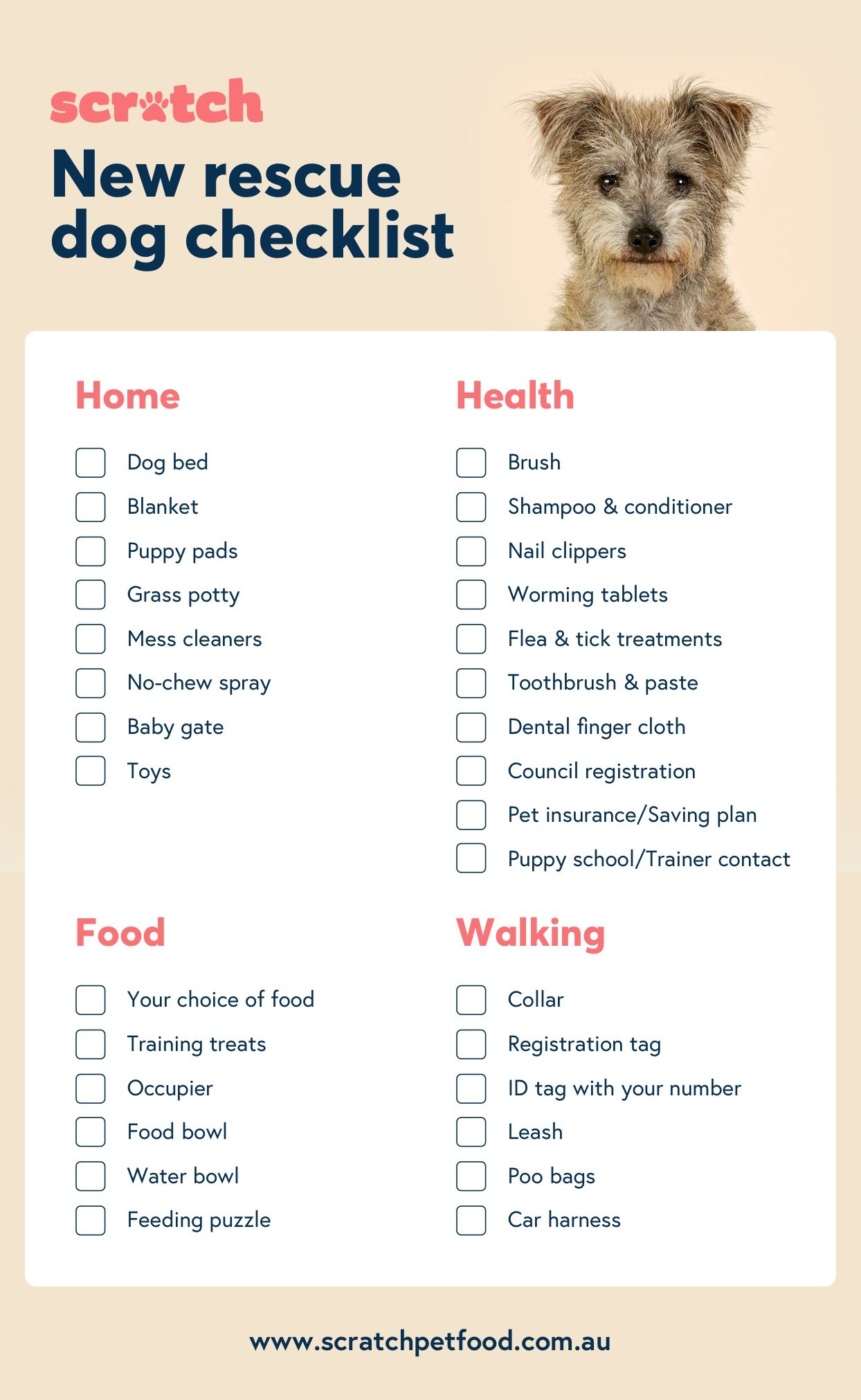
Build a simple routine that reduces stress
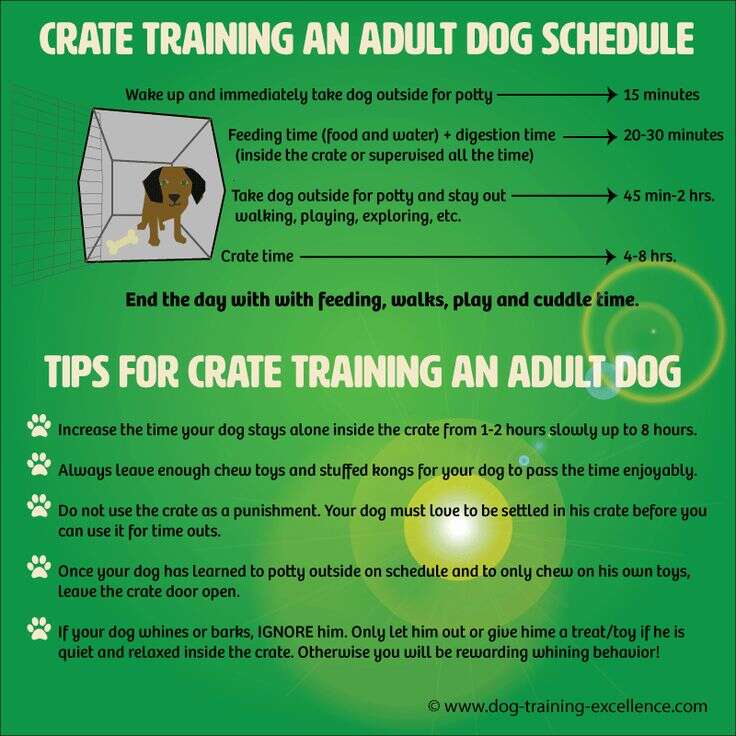
Keep wake, meals, walks, and bed at the same times. Dogs relax when they can predict the day.
Use short, calm walks. Add sniff time. Sniffing is like reading the news.
Give two to three play times. Keep them short. End before your dog is wired.
If you ask how to care for a rescue dog at home, a steady routine beats any hack.
Vet care, vaccines, and records
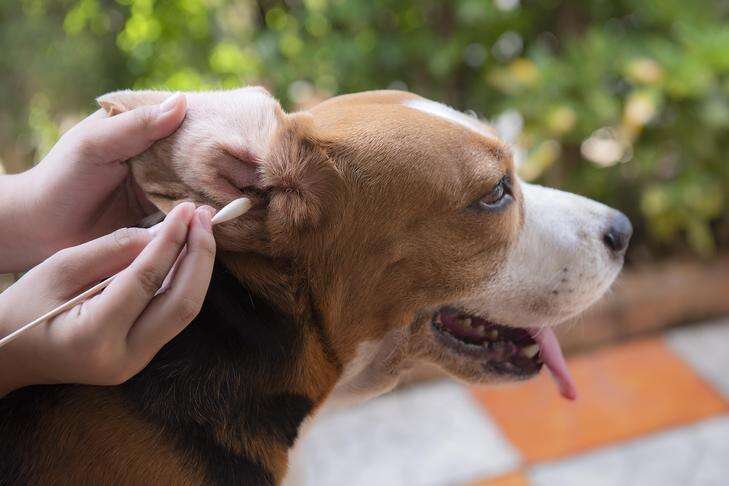
Book a vet visit in the first week. Bring any shelter papers. Ask for a full check.
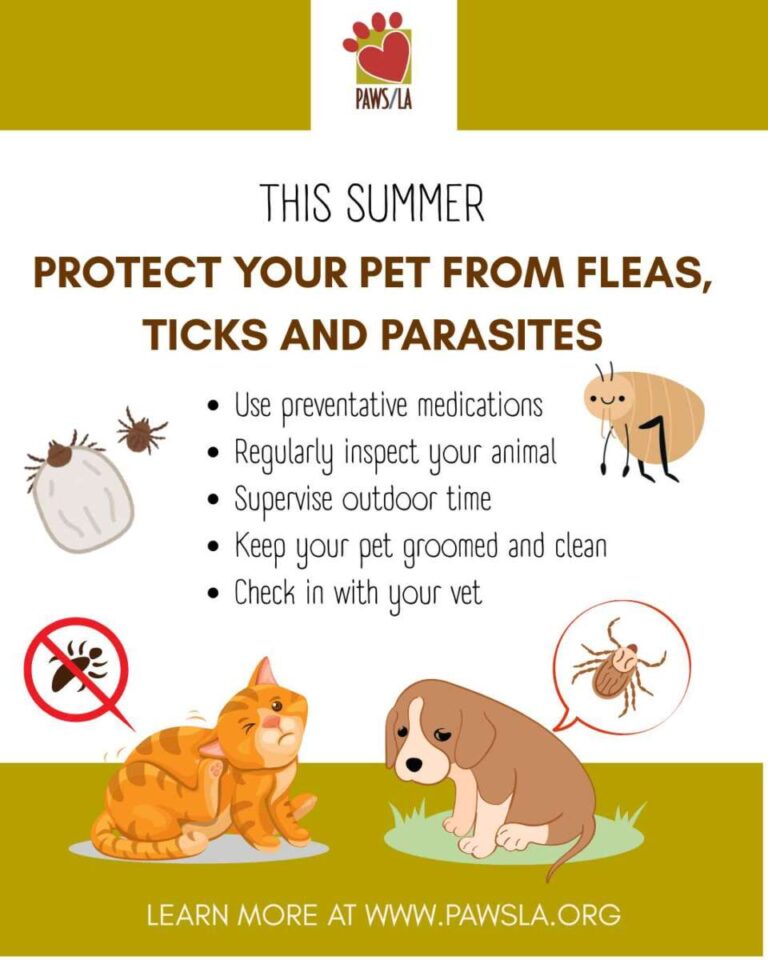
Your vet may test for worms, heartworm, and fleas. Shots may be due. Ask about spay or neuter.
Microchip and check the chip info. Keep copies of all records in one folder.
Part of how to care for a rescue dog at home is a strong health plan backed by your vet.

Feeding and nutrition made easy
Start with the food your dog had at the shelter. Change slow over 7 to 10 days. Mix the new with the old.
Feed twice a day for most dogs. Use a set spot and a set bowl. Pick up the bowl after 15 minutes.
Choose food that lists meat first. Ask your vet if you need help. Keep treats small and count them.
If you wonder how to care for a rescue dog at home, steady meals and gentle changes protect the gut.

Positive training and house manners
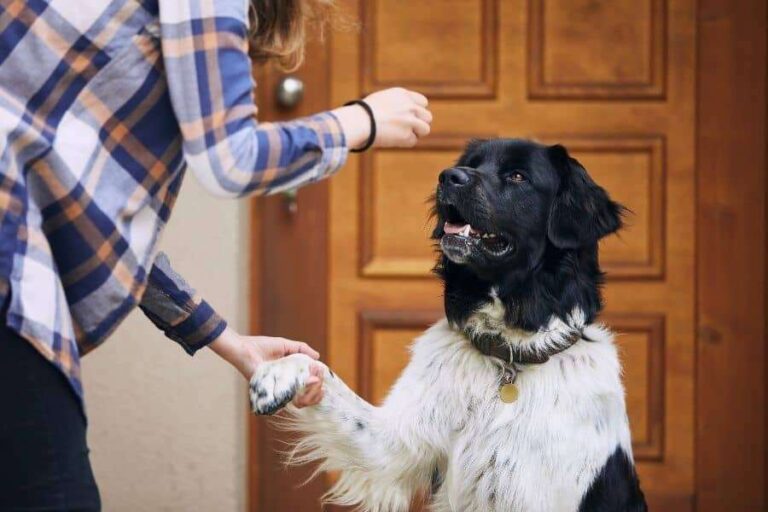
Reward what you like. Pay with treats, praise, or a toy. Keep lessons short and fun.
Teach sit, stay, come, and leave it. Use one cue per action. Say it once. Then guide and reward.
Skip harsh tools and yelling. Research shows rewards help dogs learn and trust. Pain and fear can harm that bond.
When people ask how to care for a rescue dog at home, I say this: reward more, punish less.
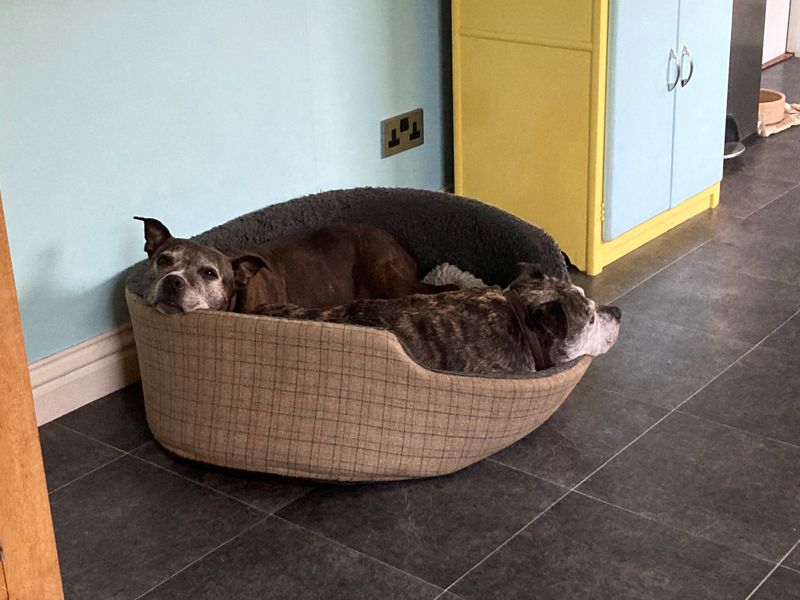 confidence at their pace”
style=”max-width: 100%; height: auto; border: 2px solid black; border-radius: 10px; display: block; margin: 0 auto;”
loading=”lazy”
/>
Socialization and confidence at their pace
Let your dog watch the world from a safe gap. Add distance when unsure. Space is a gift.
Pair new sights with food. See a bike, then treat. Hear a truck, then treat.
Learn body signals. Soft eyes and loose tails say yes. Stiff bodies say no.
The heart of how to care for a rescue dog at home is consent. Go slow and let the dog lead.

Enrichment, exercise, and play
Use food puzzles. Stuff a toy with food and freeze it. Try snuffle mats for nose work.
Walk for the nose, not the miles. Slow steps and long sniffs tire the brain.
Rotate toys to keep them fresh. Play tug with rules. Start and stop on cue.
If you want to master how to care for a rescue dog at home, think brain games first, cardio second.
Common behavior bumps and kind fixes
House accidents happen. Go back to basics. Take your dog out often. Praise right after they go.
Chewing is normal. Offer safe chews. Crate or gate when you cannot watch. Put shoes away.
Barking can mean fear or need. Meet the need. Add play, rest, or space. Teach quiet with rewards.
Resource guarding needs care. Do trades with treats. Do not grab. For bites or high risk, call a pro.
Knowing how to care for a rescue dog at home means you plan, not react.
Safety, ID, and home management
Use a collar with ID and a microchip. Check the chip info today. Keep tags on.
Use a secure harness and strong leash. Double leash in busy spots if needed. Doors should stay shut.
Add baby gates. They protect space and help training. Give your dog a place to exit a room.
A key part of how to care for a rescue dog at home is safe gear and good gates.
Kids, guests, and other pets
Teach kids to pet with one hand and ask first. No hugs. No face-to-face.
Let guests toss treats on the floor. No reach-ins. No leaning over the dog.
For pet meets, start with a walk. Parallel first. Then arc in. Keep it short and sweet.
If you ask how to care for a rescue dog at home, calm plans beat big, fast intros.
Alone time, crates, and prevention of separation stress
Make the crate a treat bar. Feed meals there. Toss toys in. Leave the door open at first.
Practice short outs. Step out for 10 seconds. Then 30. Then a minute. Keep it boring.
Record your dog when gone. Look for signs of stress. If it’s hard, get help early.
A core skill in how to care for a rescue dog at home is teaching that “alone” feels safe.
A sample daily schedule you can steal
Morning
- Short potty break and sniff walk
- Breakfast and a calm chew
- Rest in a crate or on a mat
Midday
- Potty break
- 5 minutes of training
- Nap
Evening
- Walk with sniff time
- Dinner in a puzzle feeder
- Play, cuddles, and settle
Use this as a base for how to care for a rescue dog at home. Adjust for age and energy.
Track progress and know when to call a pro
Keep a simple log. Note food, walks, wins, and bumps. Small wins add up.
If you see bites, panic, or nonstop fear, bring in a trainer or vet. Sooner is better.
Part of how to care for a rescue dog at home is knowing your lane and getting help.
Budget and essential gear checklist
Core gear
- Flat collar and ID tag
- No-pull harness
- Leash and long line
- Crate and baby gates
- Bowls, bed, and safe chews
Starter costs
- Vet exam and vaccines
- Parasite preventives
- Food and treats
- Training help if needed
Plan for monthly food and meds. Add a small vet fund. Smart budgets are key to how to care for a rescue dog at home.
Frequently Asked Questions of how to care for a rescue dog at home
How long does it take a rescue dog to settle?
Many dogs need days to rest, weeks to adjust, and months to shine. Go at their pace and keep the routine steady.
Should I crate my rescue dog?
A crate can help if it is safe and cozy. Make it a positive place and never use it as a punishment.
How much exercise does a rescue dog need?
Start low and watch body signs. Add time and challenge only when your dog looks calm and eager.
What if my rescue dog will not eat?
Stress can lower appetite. Warm the food, add a topper, and keep meal times calm; call your vet if it lasts more than a day or two.
How do I stop accidents in the house?
Go outside often and praise right away. Clean spots with an enzyme cleaner and limit free roam until habits form.
When should I hire a trainer?
If you see fear, biting, or no progress after steady work, get help. Look for reward-based pros with rescue experience.
Can I change my dog’s name?
Yes. Pair the new name with treats and happy talk. Most dogs learn a new name fast.
Conclusion
Rescue dogs thrive on calm plans, clear rules, and kind teaching. Start with safety, a simple routine, and slow wins. Let trust bloom one easy day at a time.
Use what you learned here today. Try the schedule. Track small gains. If you want more on how to care for a rescue dog at home, subscribe for fresh tips or drop your questions in the comments.

Pet Care Writer & Researcher
Daniel writes practical guides on daily care, feeding, and safety, turning complex topics into simple, actionable advice.