How To Manage Dog Behavior With Visitors: Quick Guide 2026
Learn how to manage dog behavior with visitors using training cues, door setups, and calm routines for stress-free greetings. Click for expert tips.
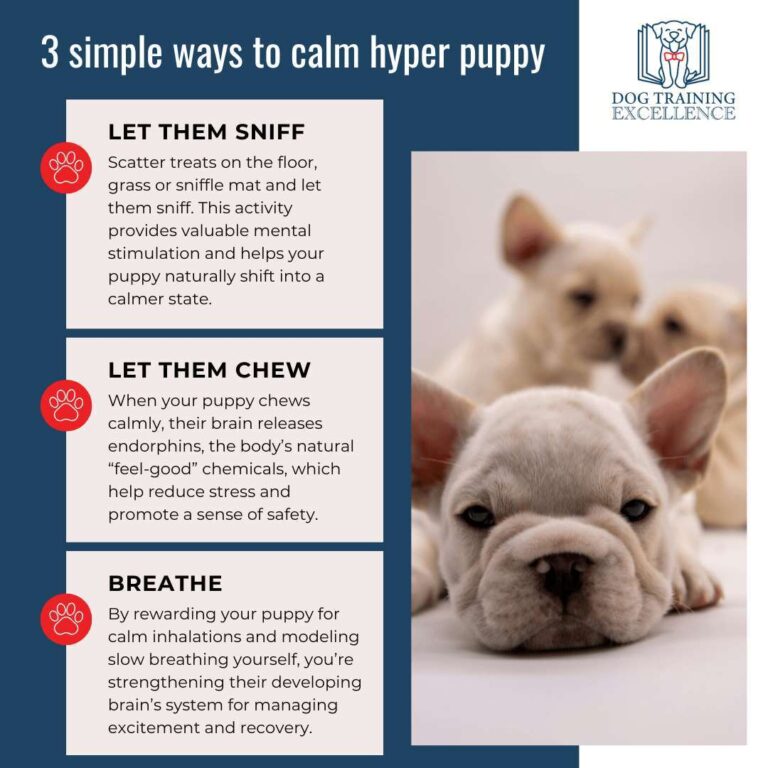
Teach calm routines, manage space, and reward quiet to greet guests politely.
If visitors spark barking, jumping, or fear, you are not alone. I’ve helped hundreds of families learn how to manage dog behavior with visitors using clear plans and kind training. In this guide, I’ll show you proven steps, simple tools, and real tips you can use today to master how to manage dog behavior with visitors.
Why dogs react when people visit
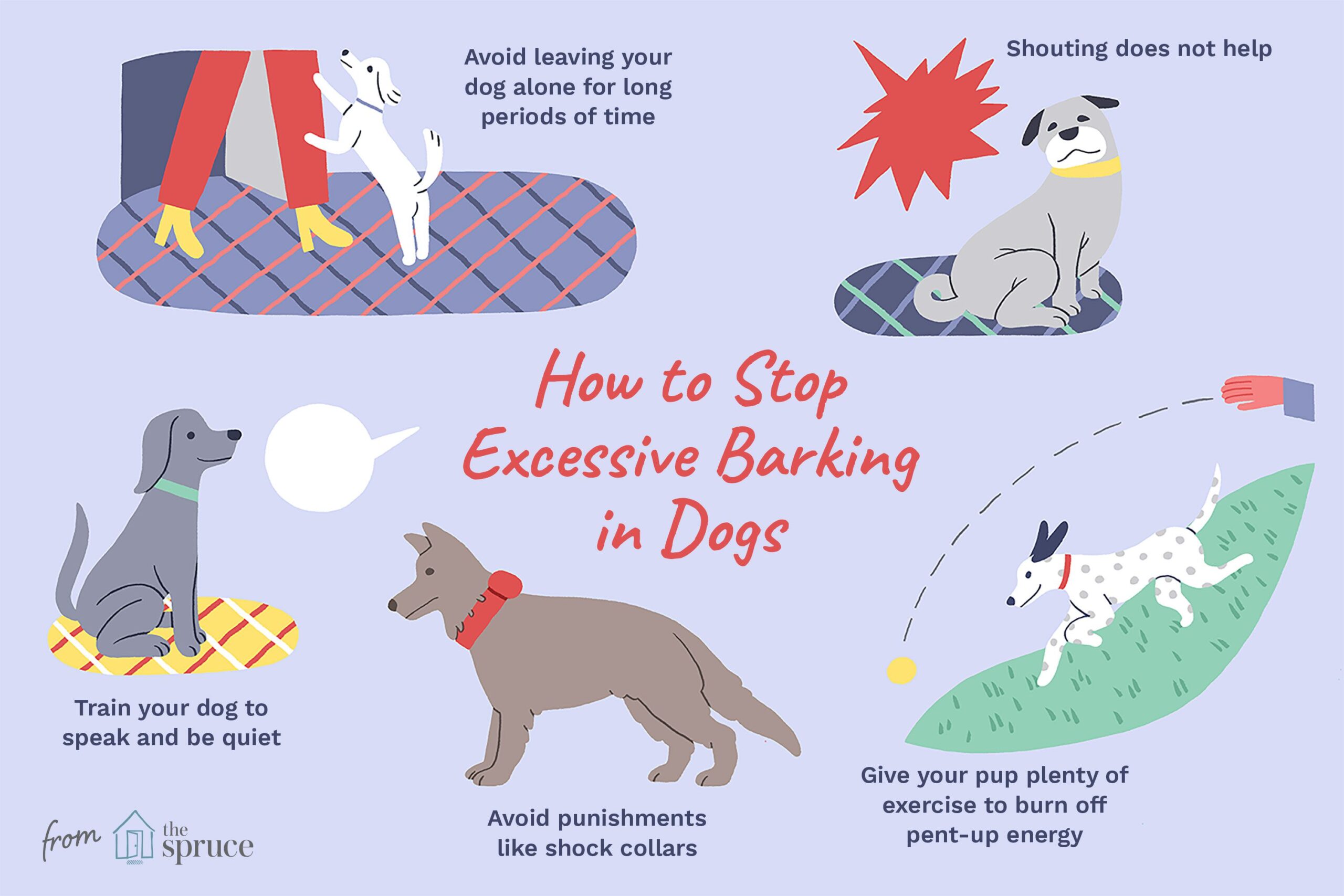
Dogs read the world with their noses, eyes, and ears. Fast moves, loud voices, and doorbells can feel intense. Some dogs get excited. Others feel unsure or scared. Both can lead to barking, lunging, or hiding.
Learning how to manage dog behavior with visitors starts with triggers. Common triggers include the bell, a knock, footsteps, coats, hats, and perfume. Some dogs react to tall people or fast hugs. Some react to kids who move quick.
Watch body language. Soft eyes, relaxed ears, and loose tails show calm. Hard stares, tucked tails, and stiff bodies show stress. Lip licking, yawning, and turning away also show worry.
Key goals:
- Reduce trigger impact
- Give your dog space
- Reward calm choices
- Keep visits short at first

Prepare before guests arrive
Preparation is most of the job. When you plan well, your dog can win.
Set the stage:
- Exercise earlier in the day. A calm brain learns well.
- Feed a light meal. Then use tasty treats in training.
- Place gates, pens, or crates before the visit.
- Put a leash by the door for quick control.
Make a visitor kit by the door:
- Treat pouch with small soft snacks
- A chew or lick mat for focus
- A mat or bed for “place”
- A note with guest rules
This is how to manage dog behavior with visitors in a simple way. Reduce chaos before it starts. Calm in the home equals calm at the door.
The first two minutes: a step-by-step entry plan
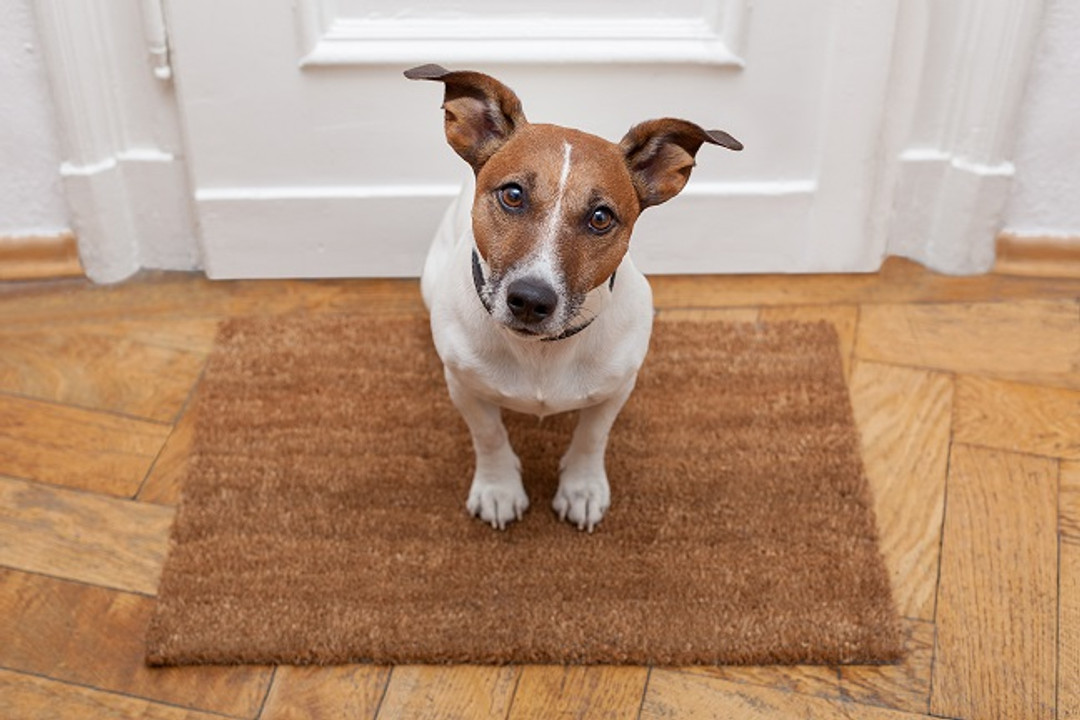
The entry is the hot zone. Keep it simple and slow.
Try this routine:
- Put your dog behind a gate or in a room with a chew.
- Ask your guest to text on arrival and wait outside.
- Scatter five treats on your dog’s mat. Clip the leash if needed.
- Open the door a crack. Ask the guest to enter quietly and ignore the dog.
- If your dog stays calm, drop more treats on the mat.
- If there is barking, close the door and wait ten seconds. Try again.
- When calm repeats, allow a brief sniff. Then call back to the mat.
- Short wins only. End with rest and a chew.
This is how to manage dog behavior with visitors without stress. You control time, space, and rewards.

Core training skills that make visits easy
Strong basics help every visit. Train them when no one is at the door.
Focus on:
- Place or Mat: Dog lies down and stays in one spot.
- Settle: Relax on a bed for a few minutes at a time.
- Leave it: Turn away from people or food when asked.
- Recall: Come when called, even with mild noise.
- Quiet: Reinforce calm when the dog looks to you.
Keep sessions short. Ten treats. One goal. End on a win. This is how to manage dog behavior with visitors that lasts.

Tools and setups that help
Use simple tools to shape safe space. Tools do not fix feelings. They help you train with control.
Try:
- Baby gates to give space from the door
- Crates or pens for rest breaks
- Tethers to prevent jumping during greetings
- Front-clip harness for better leash control
- Muzzle for bite-risk cases, trained with care and treats
- White noise or music to soften door sounds
Choose humane gear. Avoid pain. If in doubt, ask a certified trainer. These choices are part of how to manage dog behavior with visitors in a safe way.

Coach your visitors like a pro
People need rules too. Make it simple and kind.
Share these steps:
- Please enter slowly and speak softly.
- Do not reach out or bend over the dog.
- Ignore the dog until I say hello time.
- Toss treats on the floor, not from your hand.
- If the dog jumps, turn away and go still.
- Kids sit to greet. No running near the dog.
This script shows guests how to manage dog behavior with visitors along with you. Everyone reads from the same playbook.

Change feelings, not just actions: training for fear or big excitement
If your dog is scared or over aroused, change what the door means. Pair people with good stuff. Go at your dog’s pace.
Use this plan:
- Find the distance where your dog notices the guest but stays calm.
- Guest appears. You feed several small treats. Guest leaves. Treats stop.
- Repeat many times. Guest equals snacks, then guest goes away.
- Over days, move a bit closer. Keep your dog under threshold.
Two helpful games:
- Look At That (LAT): Dog looks at guest, then looks back to you for a treat.
- Behavior Adjustment Training (BAT)-style walks: Let the dog watch at a safe distance and choose to disengage.
If you see growls, snaps, or bites, stop and call a pro. This is still part of how to manage dog behavior with visitors, but you need expert help. A vet check can rule out pain that raises reactivity.
Special cases: puppies, rescues, and seniors
Puppies need short, fun visits. Let them see calm people at a distance. Reward four paws on the floor. Protect nap time.
Rescue dogs may have unknown history. Go slow. Keep visits short. Build trust with gate greetings first.
Seniors may have pain or low sight. Ask guests to move slow. Give wide space. Soft mats help old joints.
These tweaks refine how to manage dog behavior with visitors for each life stage.
Track progress and troubleshoot
Data keeps you honest. It also keeps you calm.
Log key points:
- How long to settle after the doorbell
- Distance to the guest without barking
- Number of calm reps per visit
- Triggers that still feel hard
If things slip, lower the bar. Add space. Add treats. Shorten the visit. Adjusting the plan is part of how to manage dog behavior with visitors over time.
Real stories from the field
I once worked with a herding mix who barked at every guest. We used a gate, a mat, and treat scatters. In two weeks, he watched guests walk in and chose to lie down.
A young lab used to launch at the door. We trained a “place” with a tether and heavy chew. She learned that calm got her a hello. Jumps made people turn away.
A small rescue snapped at fast hands. We taught people to toss treats and ignore. We added a basket muzzle for safety. His first tail wag at a guest felt huge.
These wins grew from one plan: clear space, calm rules, and rewards. That is how to manage dog behavior with visitors that stick.
Safety, ethics, and when to get help
Safety first. If there is a bite history, use barriers and a muzzle. Keep visits planned, not random.
Call a certified trainer for:
- Bites, snaps, or hard stares
- Lunging that you cannot stop
- Panic, shutdown, or long stress after visits
Talk to your vet about pain, thyroid, or gut issues. Health can drive behavior. Honest limits and pro help are key to how to manage dog behavior with visitors.
Frequently Asked Questions of how to manage dog behavior with visitors
How long will it take to fix my dog’s greeting issues?
Many dogs improve within a few weeks of daily practice. Complex fear or bite cases can take months with pro help.
Should visitors give my dog treats?
Yes, if your dog is calm and wants them. Toss treats on the floor so hands do not invade space.
What if my dog only barks at men or kids?
Work at a safe distance with that group and pair them with treats. Keep sessions short and end before stress builds.
Is crating my dog during visits mean?
No, if the crate is trained as a safe den. Give a chew and cover part of the crate to help relax.
Can I use a bark collar to stop the noise?
Avoid pain-based tools. They can raise fear and worsen behavior. Train calm and change feelings instead.
Conclusion
Helping your dog handle guests is a skill you can build. Use space, simple rules, and kind rewards. Practice basics when it is quiet, then rehearse calm visits in small steps. This is how to manage dog behavior with visitors in a way that lasts and feels good.
Pick one step from this guide and try it today. Then log the win and build on it tomorrow. Want more support? Subscribe for weekly training tips or share your questions in the comments.

Pet Care Writer & Researcher
Daniel writes practical guides on daily care, feeding, and safety, turning complex topics into simple, actionable advice.