How To Train A Dog To Come When Called: 2026 Recall Guide
Teach rock-solid recall fast. Learn how to train a dog to come when called using step-by-step games, rewards, and pro tips. Build a safer, happier bond.
Use rewards, a clear cue, and step-by-step practice from low to high distractions.
If you want a rock-solid recall, you need more than luck. You need a plan. In this guide on how to train a dog to come when called, I’ll walk you through a proven system that blends science, real-world practice, and easy steps you can use today. You’ll learn the exact cues, rewards, and progressions that build a fast, joyful response—without stress or guesswork.
The recall mindset: what drives a dog to come back
A great recall is not magic. It is a habit built with clear cues and great rewards. Dogs repeat what pays well and feels safe. When coming to you is the best deal in the room, recall wins.
Research in animal behavior shows positive reinforcement speeds learning and cuts stress. That matters when you think about how to train a dog to come when called. You are not fighting your dog’s nature. You are channeling it with smart steps and timing.
The right setup and tools
You don’t need fancy gear. You do need a safe setup and the right rewards.
Use:
- A flat collar or harness that fits well
- A 15–30 foot long line for outdoor practice
- High-value treats your dog loves
- A toy for play-driven dogs
- A clicker or a marker word like “Yes!”
- A quiet space to start
If you plan how to train a dog to come when called from day one, setup makes success easy. Pick safe spaces and control distractions so your dog can win often.

Build the foundation: name response, marker, and reward
Before recall, your dog must love hearing their name and your marker.
Try this:
- Name game: Say your dog’s name once. The second they look, mark “Yes!” and treat.
- Repeat for 1–2 minutes. Stop while your dog still wants more.
- Add tiny movement. Say the name. Step back. Mark and treat when eyes snap to you.
This foundation is key in how to train a dog to come when called. Fast eye contact becomes the springboard for a fast recall.
Step-by-step plan: how to train a dog to come when called (indoors to outdoors)
You will build recall in layers. Move on when your dog is right 80–90% of the time.
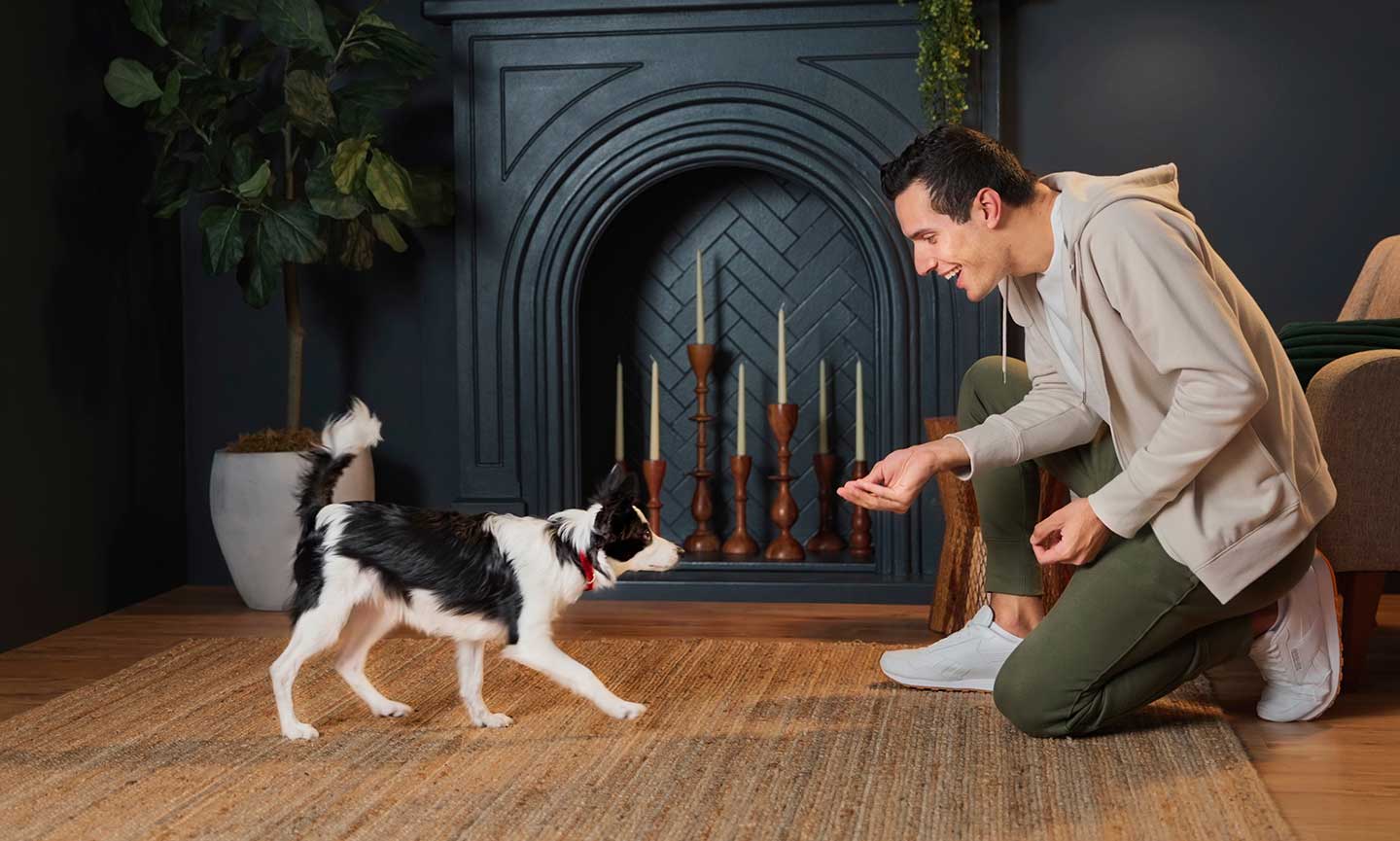
- Step 1: Teach the cue inside. Say “Come!” once in a happy tone. Take two steps back as your dog moves to you. Mark and give a jackpot treat. End the rep with a brief play or praise.
- Step 2: Add distance. Stand 5–10 feet away. Say “Come!” once. Reward big. Keep sessions short, 3–5 minutes.
- Step 3: Add mild distractions. Drop a toy on the ground. Wait. Then call “Come!” Reward with a better toy or tastier treat.
- Step 4: Move to a quiet yard on a long line. Let your dog sniff. Call once. Reinforce with treats, then release back to sniff. Release back to fun often.
- Step 5: Add harder distractions over time. Another person, a moving toy, then calm dogs at a distance.
- Step 6: Vary rewards. Sometimes food, sometimes play, sometimes a chase game with you. Keep it exciting.
Make how to train a dog to come when called a game. If your dog is slow, lower the challenge. Then build again.

Reward strategies that make recall stick
Your reward must beat the world. Pay in a way your dog cares about.
Use:
- Food hierarchy: kibble at home, cheese or meat outside
- Play: tug, fetch, or a quick flirt-pole chase
- Life rewards: go back to sniffing, greet a friend, return to play
When you think about how to train a dog to come when called, use the rule “run to me, then back to fun.” This keeps recall from feeling like a party that ends the fun every time.

Common mistakes to avoid
Small slips can stall progress. Watch out for these.
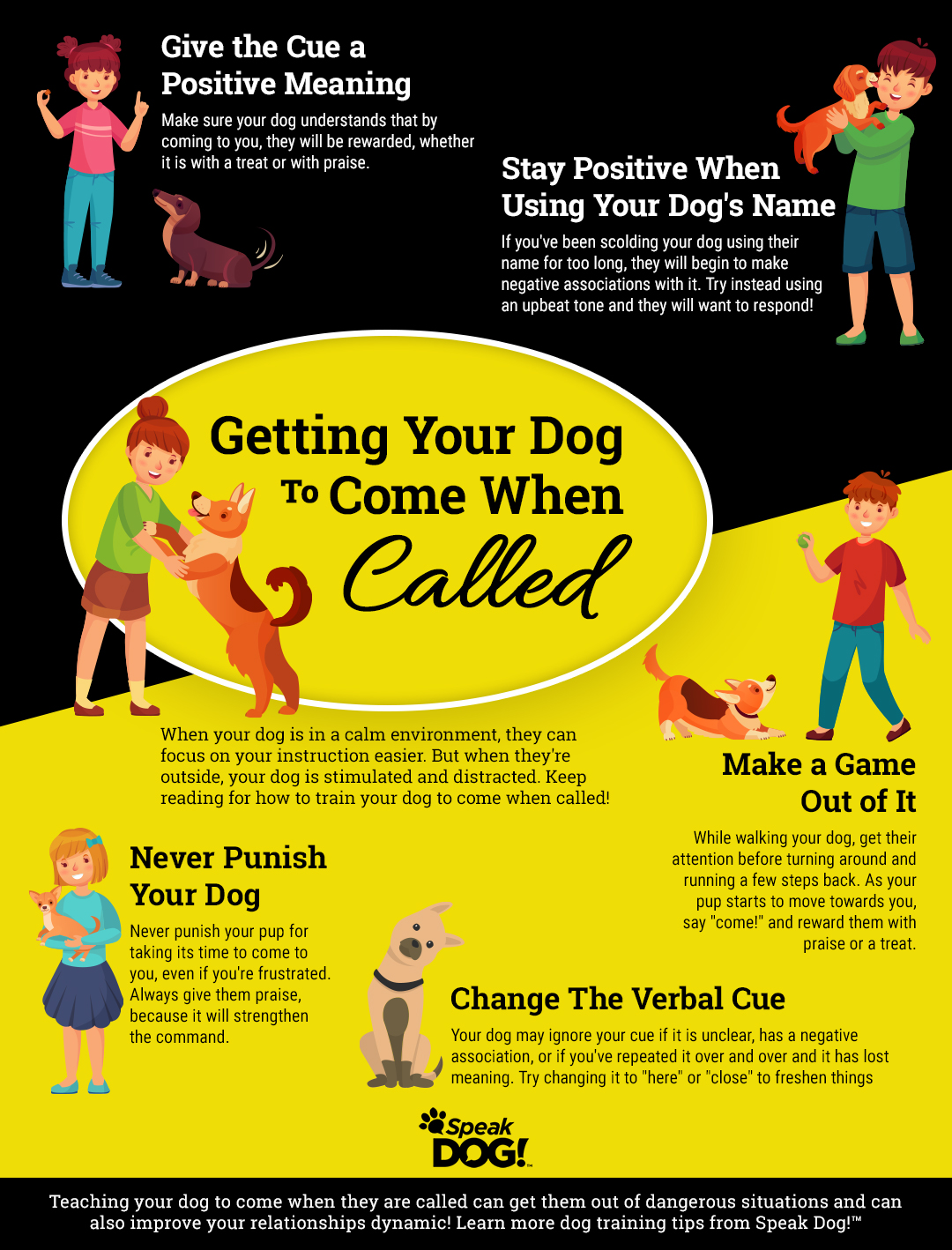
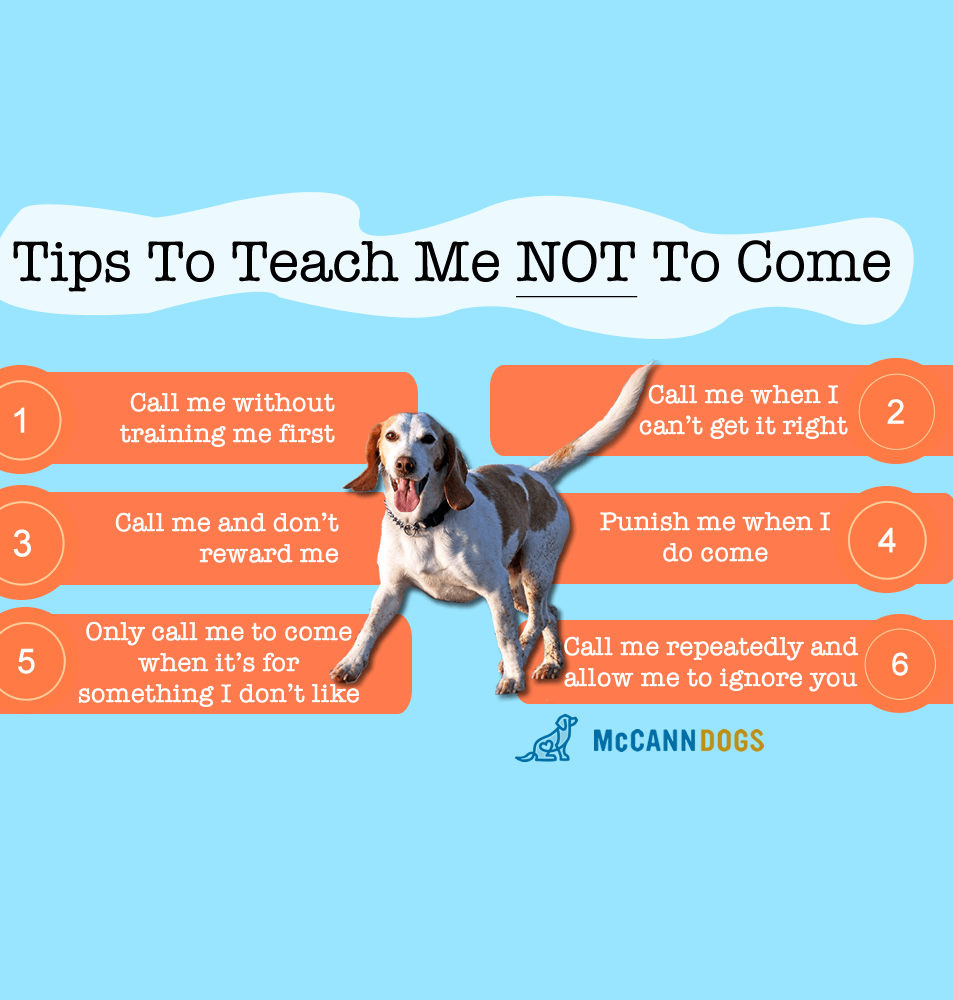
- Repeating the cue. Say “Come!” once, then help with movement, claps, or a kissy noise.
- Calling, then ending fun. Mix in calls that lead back to sniffing or play.
- Scolding after a slow recall. If your dog comes late and you scold, you punish recall.
- Training only when you need it. Practice in easy times so it works in hard times.
- Going too fast with distractions. If your dog fails twice, make it easier right away.
Avoiding these errors is core to how to train a dog to come when called the right way.
Troubleshooting and real-world scenarios
Many dogs stall on the same hurdles. Here’s how to solve them.
- The sniff magnet: If smells win, call once. If no response, gently reel the long line as you jog back. Reward big. Then release to sniff again.
- The social butterfly: If people or dogs pull focus, reward coming to you with a short, calm greeting when safe. Keep the long line on for control.
- The slow-poke: Use a better treat, then run backward as you call. Movement sparks chasing you.
Case example: Buddy, a 10-month-old hound, ignored recall outdoors. We cut distractions, used a 30-foot line, and paid with roast chicken. We called, paid, then released to sniff. In two weeks, his response time dropped from 8 seconds to under 2. That is how to train a dog to come when called with real change.

Proofing: distance, distraction, and duration
Proofing means your dog can do it anywhere. Work the three Ds: distance, distraction, duration.
- Distance: Increase feet between you and the dog. Keep the long line on.
- Distraction: Add one challenge at a time. Moving toys, people, calm dogs, then busier parks.
- Duration: Ask for a sit or hand target after the recall. Then reward and release.
Rotate the three Ds. Keep wins high. This is the secret sauce in how to train a dog to come when called in real life.

Emergency recall: the lifesaver cue
Teach a special cue that you only use in emergencies. It should sound new and fun, like “Here-here!” or a whistle. Pair it with a huge jackpot every time.
Train it:
- Say the cue once at home. Toss five treats one by one.
- Use it once per day for two weeks.
- Never use it to end fun. Save it for safety or practice jackpots.
This cue can stop a chase or a street dash. It is a vital piece of how to train a dog to come when called when stakes are high.
Maintain and measure progress
Recall fades if you stop paying it. Keep it fresh with surprise rewards.
Do this:
- Run two-minute recall games a few times a week
- Pay big once in a while for a normal rep
- Track latency: time from cue to contact. Aim for under two seconds
When you log reps, you can see trends. If response slows, lower distractions and pay more. That is smart maintenance in how to train a dog to come when called.
Frequently Asked Questions of how to train a dog to come when called
How often should I practice recall each day?
Two to three mini-sessions of 3–5 minutes work best. Keep it fun and end while your dog is eager for more.
What if my dog ignores me outside?
Use a long line for safety and control. Lower distractions, use better rewards, and release back to sniff after each recall.
Should I use my dog’s name or a separate cue?
Use the name to get attention, then a clear recall cue like “Come!” This helps your dog know what action earns the reward.
Can I train recall with a clicker?
Yes. Mark the moment your dog turns or reaches you, then reward. A marker sharpens timing and speeds learning.
Is it okay to recall only when I need to leash up?
No. Mix recalls that lead back to play or sniffing. If recall always ends fun, your dog will avoid it.
How long does solid recall training take?
Most dogs show big gains in two to four weeks with daily practice. Full proofing in busy places can take a few months.
What rewards work best for recall?
Use what your dog values most in that setting. Often it’s high-value food outside and a toy or chase game for play-driven dogs.
Conclusion
A fast, joyful recall is built, not wished for. Start easy, pay well, and raise challenges one step at a time. Use a single cue, reward like you mean it, and let your dog return to fun often.
Take the next week to run short daily sessions. Track response time, adjust rewards, and celebrate small wins. If this helped, share your progress, subscribe for more training guides, or ask a question in the comments.

Pet Care Writer & Researcher
Daniel writes practical guides on daily care, feeding, and safety, turning complex topics into simple, actionable advice.