How To Handle Dog Vomiting At Home: Vet-Approved Tips
Worried about your pup? Learn how to handle dog vomiting at home with safe remedies, red-flag signs, and when to call the vet for fast relief.
Start by withholding food briefly, offer small sips of water, and watch for red flags.
If your dog just threw up, you need calm, clear steps—not guesswork. In this guide, I’ll show you how to handle dog vomiting at home with practical advice I use every day. You’ll learn what the vomit means, when to try bland food, what to avoid, and when to call your vet. Keep reading for a simple, safe plan that helps most mild cases feel better fast.
First steps when your dog vomits
Start with calm. One episode can be normal. Dogs get into things. Your job is to slow down and observe.
Do a quick safety sweep. Remove food and toys for now. Pick up any garbage, plants, or chemicals your dog could reach. This alone can stop a second episode.
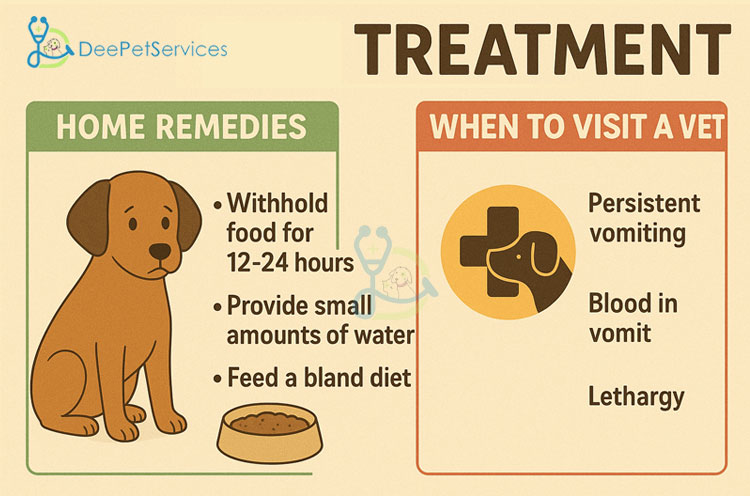
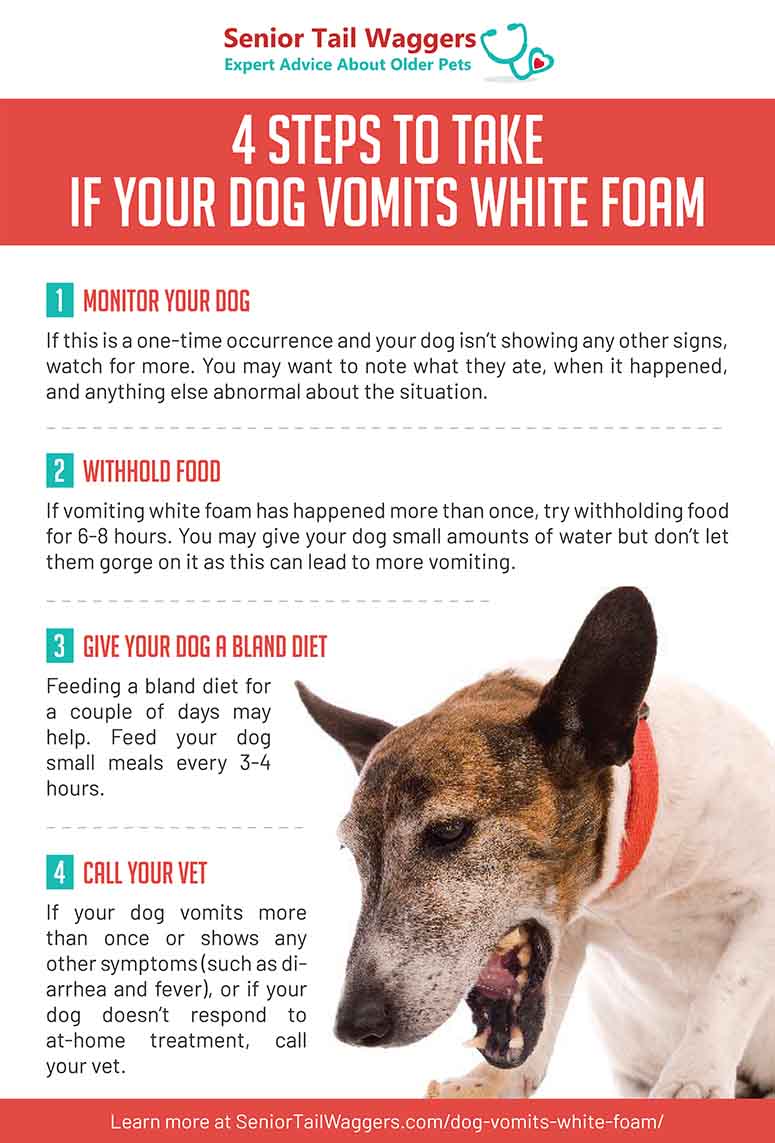
Withhold food for a short time. For most adult dogs, pause food for 6 to 8 hours. Offer small amounts of water, not a full bowl. For puppies, toy breeds, seniors, or dogs with diabetes, do not fast long. Call your vet sooner for these pets.
Measure and jot notes. Count how many times your dog vomits. Note the time, color, and anything in it. This helps your vet if you need help later.
Check comfort and hydration. Look for bright eyes and normal energy. Pinch the skin over the shoulder blades. It should spring back fast. Gums should be pink and moist. If not, call your vet.
A quick story from my files. My own retriever once ate a sock and vomited twice. I paused food, gave tiny sips of water, and watched. The third episode showed grass and foam only. That told me it was not normal. We went straight to the clinic—and the X‑ray showed the sock. That saved us from a bigger surgery.
If your dog vomits more than twice in a day, cannot keep water down, or seems in pain, skip home care and call your vet. That is part of how to handle dog vomiting at home in a safe way.
What the vomit means: colors and clues
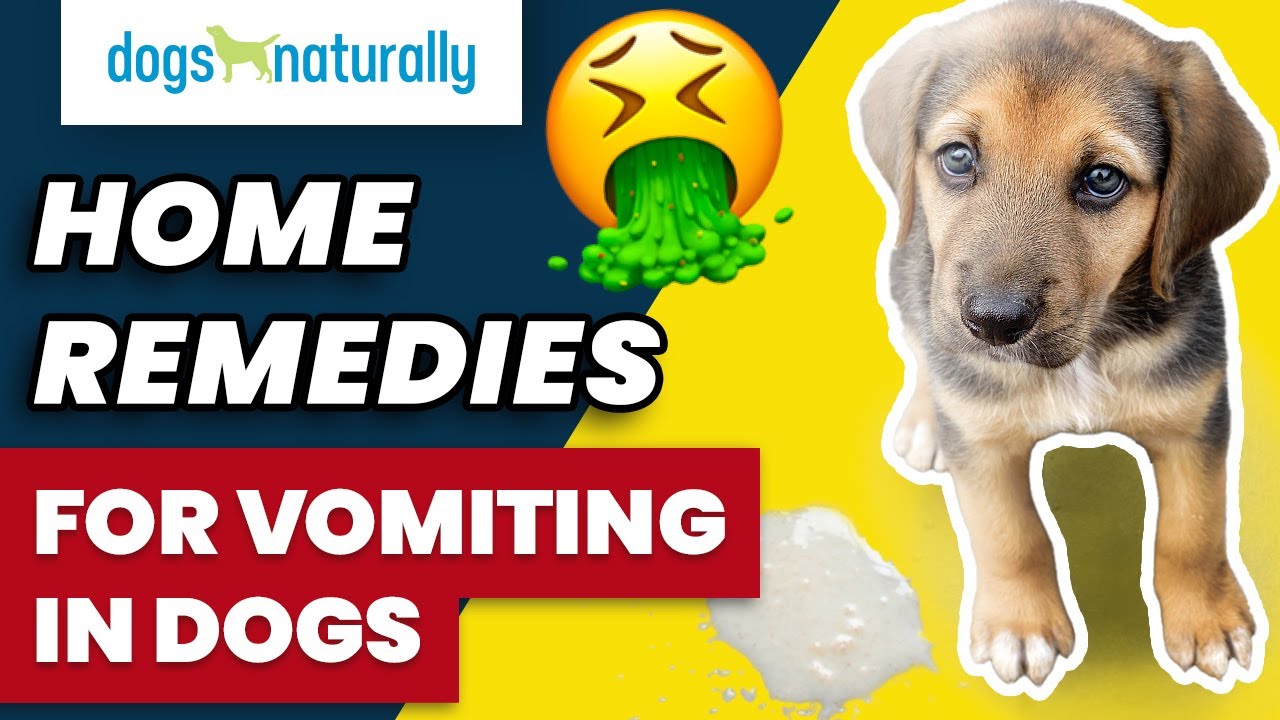
Reading vomit is not fun, but it helps you act fast. Use these simple cues to guide your next move.
Common colors and what they can suggest
- Yellow or green bile: Stomach is empty or mild reflux. Often shows in the morning.
- White foam: Irritated stomach, reflux, or empty belly. Can be from licking or gulping air.
- Clear liquid: Water or stomach fluid. Watch for repeated episodes.
- Undigested food: Ate too fast or mild gastritis. Could also mean delayed emptying.
- Grass: Dogs often eat grass when nauseous. Not a diagnosis by itself.
- Brown with foul odor: Could be fecal material or severe GI upset. Call your vet.
- Red streaks or coffee‑ground look: Possible bleeding. This is urgent.
Vomiting vs. regurgitation
- Vomiting: Abdominal heaving, nausea, drool first, then forceful expulsion.
- Regurgitation: No heaving. Food comes back up soon after eating, often tube‑shaped.
If you see blood, black specks, coffee‑ground texture, or a bloated belly, stop reading and call your vet now. These are emergencies, not part of how to handle dog vomiting at home.
Safe home care: hydration, diet, and rest
This is the core of how to handle dog vomiting at home. Keep it simple and gentle.
Hydration the smart way
- Offer small sips of water every 10 to 15 minutes. A teaspoon per 10 pounds is a good start.
- Ice chips can help. Licking slows intake.
- Use a veterinary oral rehydration solution if your vet approves. Avoid sports drinks or sweetened liquids.
- Signs of dehydration include dry gums, sunken eyes, and lethargy. If you see these, call your vet.
Bland diet plan
If there has been no vomiting for 6 to 8 hours, try a tiny meal.
- Choose one: boiled skinless chicken with white rice, lean turkey with rice, or prescription GI diet.
- Add plain canned pumpkin (not pie filling) if stools are loose. Start with 1 teaspoon per 10 pounds.
- Portion guide per meal:
- Small dogs: 2 to 3 tablespoons.
- Medium dogs: 1/4 to 1/2 cup.
- Large dogs: 1/2 to 1 cup.
- Feed every 3 to 4 hours at first. If all stays down, slowly increase the portion. Then space meals back to normal routine over 24 to 48 hours.
Helpful add‑ons, if your vet agrees
- Dog‑specific probiotics may soothe the gut.
- A slow‑feed bowl can reduce gulping once your dog is stable.
What not to do
- Do not give human meds like ibuprofen, aspirin, or most antacids. Many are toxic to dogs.
- Do not give bismuth subsalicylate or loperamide unless your vet says it is safe for your dog.
- Do not use activated charcoal unless a vet directs you to.
Quiet rest helps the stomach settle. Hold off on fetch and long walks until your dog is steady for at least a day. This gentle plan is a proven way for how to handle dog vomiting at home without making things worse.
When to stop home care and call the vet
Home care has limits. Know the red flags so you do not wait too long.
Call your vet the same day if any of these happen:
- More than two to three vomiting episodes in 24 hours.
- Your dog cannot keep water down for more than four hours.
- Vomiting with lethargy, fever, belly pain, or a swollen belly.
- Blood in vomit or stool, or coffee‑ground material.
- You suspect a toxin, bone, toy, sock, string, or corn cob was eaten.
- Your dog is a puppy under six months, a toy breed, senior, pregnant, or has diabetes, Cushing’s, kidney, or liver disease.
- Pale, blue, or yellow gums, or collapse.
Trust your gut. If your dog looks “off,” seek help. Part of how to handle dog vomiting at home is knowing when home care is not enough.
Common causes and how to prevent another episode
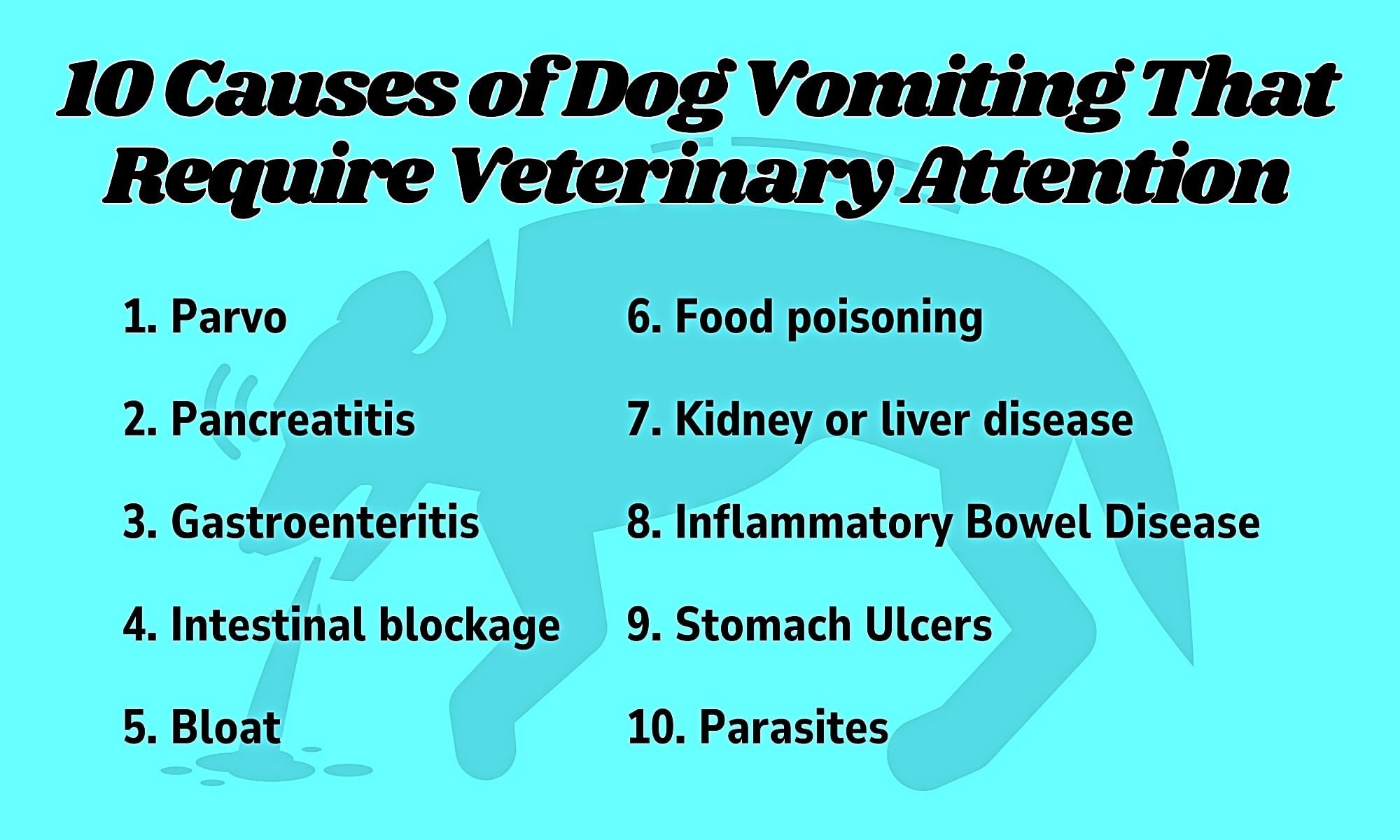
Vomiting has many causes. Some are simple. Some are serious. Here are frequent triggers and what you can do.
Everyday triggers
- Dietary indiscretion: Trash, table scraps, fatty foods.
- Rapid eating: Gulping air and food.
- Sudden diet change: Gut bacteria do not adjust fast.
- Motion sickness: Car rides and stress.
- Mild gastroenteritis: Short‑term stomach upset.
Medical causes that need a vet
- Pancreatitis: Often after a fatty meal. Painful and risky.
- Parasites or infections: Giardia, parvo in puppies, or bacterial overgrowth.
- Obstruction: Toys, socks, bones, string.
- Toxins: Xylitol, grapes, chocolate, meds, plants.
- Organ disease: Kidney, liver, endocrine disorders.
- Bloat (GDV) in deep‑chested breeds: True emergency.
Prevention that works
- Use a slow‑feed bowl or puzzle feeder.
- Keep trash sealed and foods out of reach. No onions, garlic, grapes, raisins, or xylitol.
- Make diet changes over 5 to 7 days.
- Skip greasy leftovers. Stick to dog‑safe treats.
- Deworm as advised and keep vaccines current.
- Offer safe chews sized for your dog. Avoid cooked bones and string toys.
- Reduce stress. Give calm routines, short training games, and gentle exercise.
These habits reduce risk and are a big part of how to handle dog vomiting at home before it starts.

Step‑by‑step checklist: how to handle dog vomiting at home
Use this simple checklist to stay on track.
- Stay calm and move your dog to a clean, safe area.
- Remove food for 6 to 8 hours for adults; call a vet sooner for puppies and fragile dogs.
- Offer tiny amounts of water or ice chips every 10 to 15 minutes.
- Note the time, number of episodes, color, and contents.
- Do a quick toxin and trash sweep of your home and yard.
- Check hydration and gum color. Watch energy and comfort level.
- If vomiting stops, start a bland diet in tiny portions.
- Increase meal size slowly if no vomiting returns.
- Avoid human meds unless your vet approves.
- Add a dog‑specific probiotic if advised.
- Return to the normal diet over 24 to 48 hours.
- Call your vet if vomiting repeats, if you see red flags, or if you are unsure at any point.
Print this list and keep it handy. It is a practical way to remember how to handle dog vomiting at home under stress.

Frequently Asked Questions of how to handle dog vomiting at home
How long should I wait before feeding my dog after vomiting?
For most adult dogs, wait 6 to 8 hours after the last episode. Offer small sips of water during this time and watch for red flags.
What should I feed my dog after vomiting?
Start with boiled chicken and white rice or a prescription GI diet. Give small portions and increase only if your dog keeps food down.
When is vomiting an emergency?
If there is blood, a swollen belly, severe pain, collapse, or your dog cannot keep water down, seek urgent care. Puppies, seniors, and dogs with health issues need faster action.
Can I give my dog Pepto Bismol or human nausea meds?
Do not give human meds without vet approval. Some can be toxic or hide serious signs your vet needs to see.
Why does my dog vomit yellow bile in the morning?
This can be an empty‑stomach issue or mild reflux. A small bedtime snack and consistent meal times may help, but check with your vet to rule out other causes.
Is white foam vomit serious?
White foam often points to stomach irritation or empty stomach. If it repeats, comes with cough or lethargy, or your dog looks unwell, call your vet.
How do I tell vomiting from regurgitation?
Vomiting involves heaving and nausea before food comes up. Regurgitation is passive and happens soon after eating, often tube‑shaped.
Conclusion
Most mild cases get better with calm steps, small sips of water, and a bland diet. The real skill in how to handle dog vomiting at home is knowing when to try gentle care and when to call the vet.
Act now: save this guide, make a bland‑diet kit, and set a slow‑feed bowl for your next meal. If you found this helpful, share it with a friend, subscribe for more pet health tips, or drop your question in the comments.

Pet Care Writer & Researcher
Daniel writes practical guides on daily care, feeding, and safety, turning complex topics into simple, actionable advice.