
How To Know If Dog Food Is Healthy: Vet-Backed Guide
Learn how to know if dog food is healthy with vet-approved checks, label tips, and red flags so you can pick safer, balanced meals your dog will love.
Healthy dog food lists named animal proteins, balanced nutrients, and meets AAFCO standards.
You want clear steps on how to know if dog food is healthy. I’ve helped many pet parents read labels, compare recipes, and watch results in real life. In this guide, I’ll show you how to know if dog food is healthy with simple checks, science-backed tips, and real-world cues you can trust. Stick with me, and you’ll feel confident every time you pick up a bag or can.
What a healthy dog food actually means
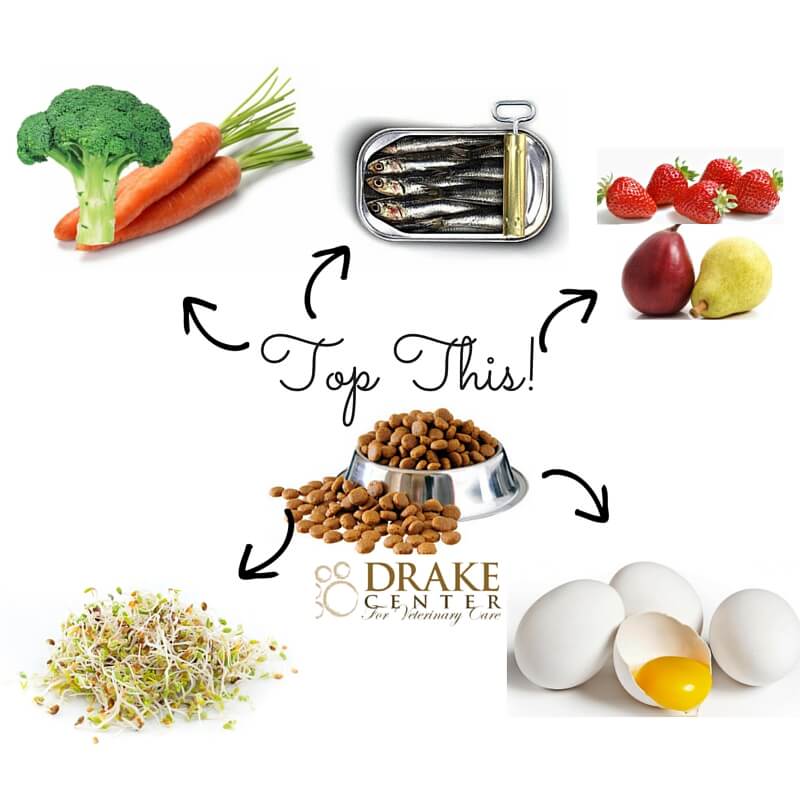
Healthy dog food fuels steady energy, smooth stools, a shiny coat, and a lean body. It supports joints, skin, and the immune system over time. It fits your dog’s age, size, and health needs.
When people ask how to know if dog food is healthy, I start with balance. It must have the right protein, fat, carbs, fiber, vitamins, and minerals. It should be safe, tested, and made by qualified experts.
Key signs:
- Complete and balanced for your dog’s life stage
- Named animal proteins first on the label
- Proven quality control and testing
- Clear feeding directions and support from the brand
Step 1: Check the nutritional adequacy statement
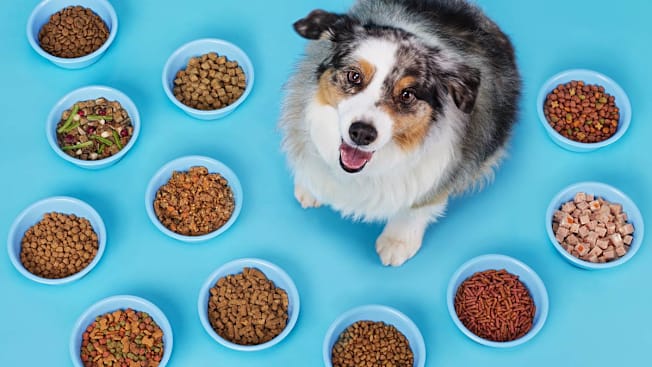
This is the fastest way to know how to know if dog food is healthy. Find the AAFCO nutritional adequacy statement on the label. It tells you if the food is complete and balanced.
Look for:
- The words “complete and balanced”
- The life stage: growth, reproduction, adult, or all life stages
- How it was validated: feeding trials are ideal; formulation can also be fine
Tips:
- Adult dogs should not eat “growth” foods unless advised by your vet.
- Large breed puppies need a recipe marked safe for large breed growth.

Step 2: Decode the ingredients list
Ingredients are listed by weight before cooking. Fresh meat has a lot of water, so it looks heavy. Meals are dry and can be rich in protein.
What to like:
- Named proteins: chicken, turkey, beef, salmon, lamb
- Animal “meal” from a named source: chicken meal, fish meal
- Healthy fats: chicken fat, salmon oil, fish oil
- Digestible carbs and fiber: rice, oats, barley, sweet potato, beet pulp
Be cautious with:
- Vague terms: meat by-product, animal fat, animal digest
- Many protein sources if your dog has allergies
- Long lists of botanicals that are more for show
If you wonder how to know if dog food is healthy, favor clear, named ingredients over vague ones.

Step 3: Read the guaranteed analysis and check nutrients
Labels show minimum protein and fat and maximum fiber and moisture. To compare foods, think in dry matter terms. You can use a simple estimate.
Quick steps:
- Subtract moisture from 100 to get dry matter.
- Divide each nutrient by the dry matter percent.
- Compare protein and fat across foods.
Targets many adult dogs do well on:
- Protein: about 22% to 30% on a dry matter basis
- Fat: about 10% to 18% on a dry matter basis
- Fiber: about 2% to 5% on a dry matter basis
Large breed puppies need careful calcium and a proper calcium-to-phosphorus ratio. When you ask how to know if dog food is healthy for a puppy, this point matters a lot.
 essential extras that add health”
style=”max-width: 100%; height: auto; border: 2px solid black; border-radius: 10px; display: block; margin: 0 auto;”
loading=”lazy”
/>
Step 4: Look for essential extras that add health
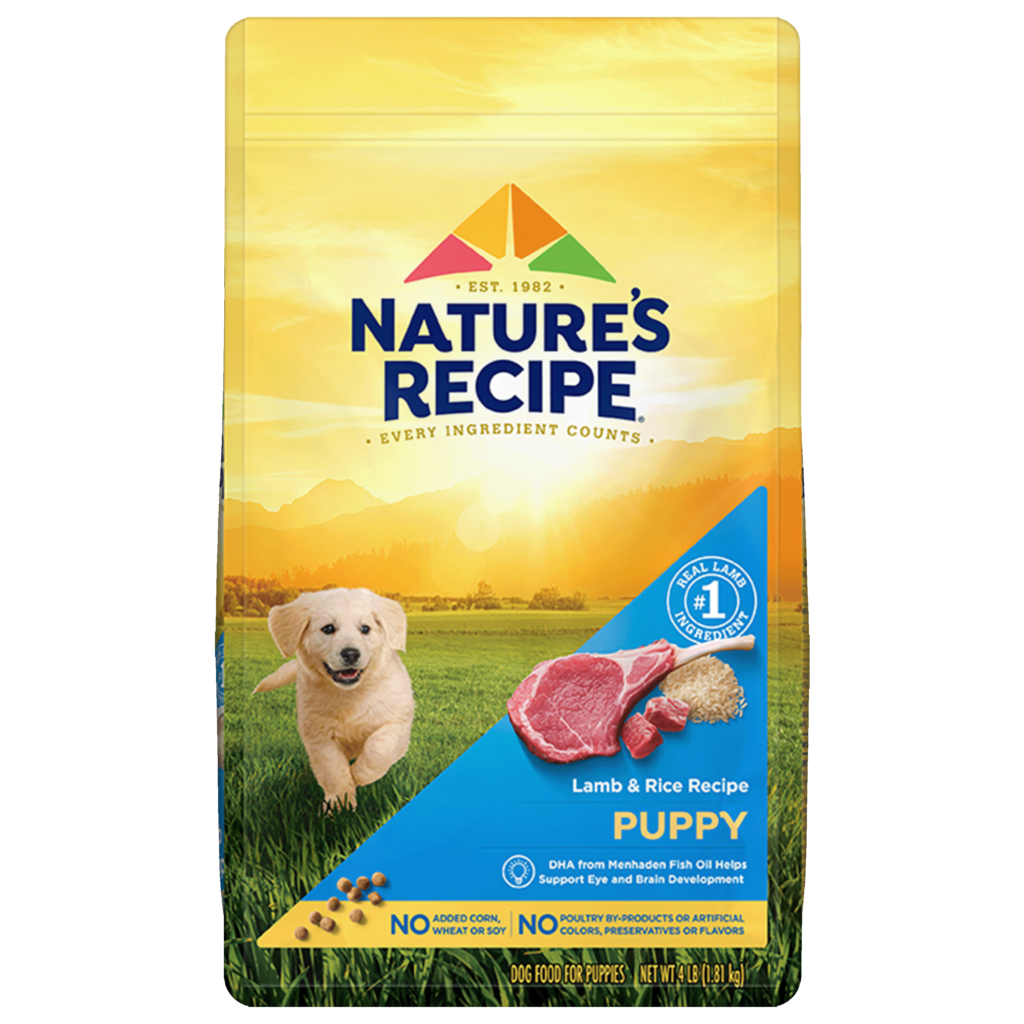
Some add-ons help skin, joints, brain, and gut. Do not rely on buzzwords. Look for real inputs.
Helpful signs:
- Omega-3s from fish oil or salmon oil, not only flax
- DHA for puppies and seniors
- A vitamin and mineral premix
- Probiotics and prebiotic fiber for gut health
These extras help you judge how to know if dog food is healthy beyond basic macros.
Step 5: Spot red flags and marketing traps
Labels can mislead. Your best tool is a calm, clear scan.
Watch out for:
- Grain-free with exotic meats without a medical need
- “Natural” or “human-grade” without strong nutrition proof
- Artificial colors or sweeteners
- No contact info or no way to reach a nutrition team
- Wild claims like cures or detox
If you are unsure how to know if dog food is healthy amid marketing noise, fall back on the adequacy statement, clear ingredients, and brand transparency.
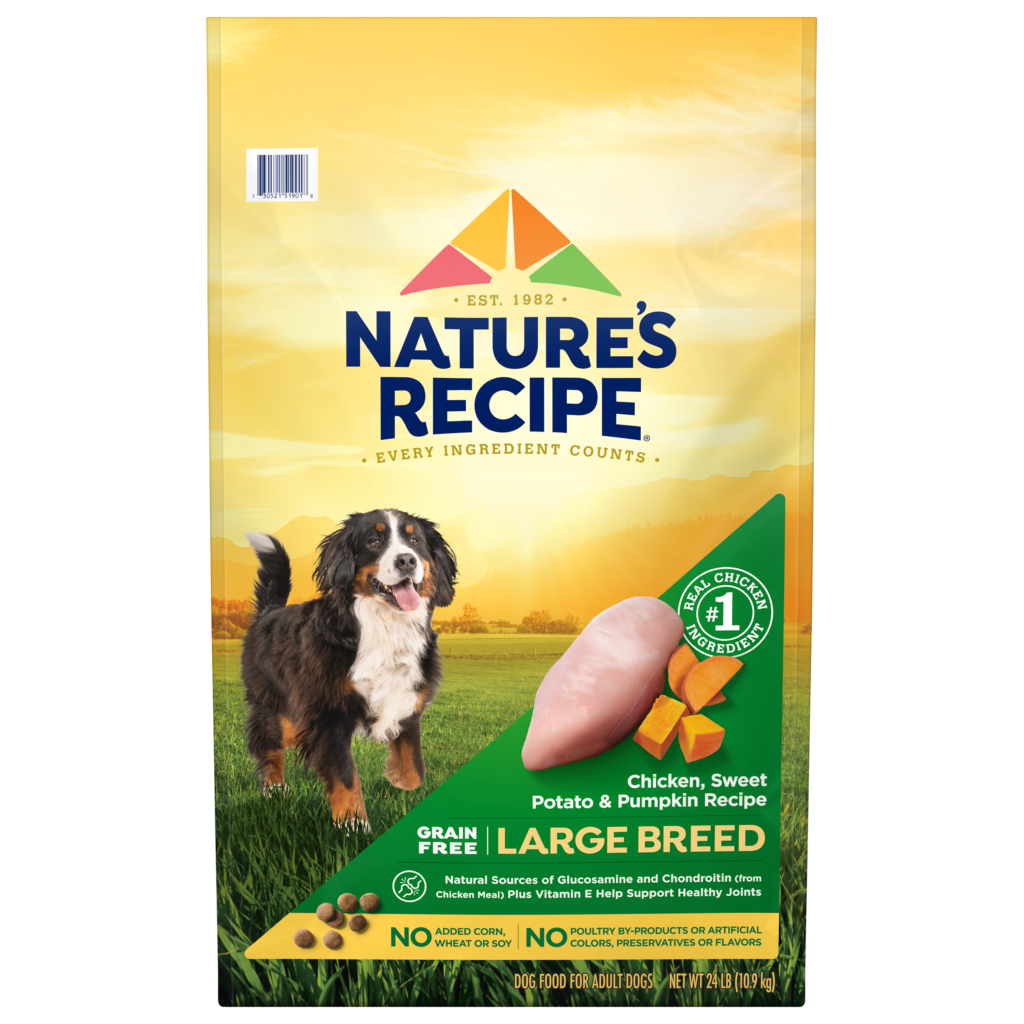
Fit the food to your dog’s needs
A healthy choice for a husky runner is not the same as for a couch-loving pug. How to know if dog food is healthy depends on your dog’s age and lifestyle.
Match by:
- Age: puppy, adult, senior
- Size: small dogs need small kibble; large breed puppies need careful calcium
- Activity: working dogs may need more fat
- Health: kidney, gut, allergy, or weight needs may call for special diets
When in doubt, ask your vet. That is the safe path on how to know if dog food is healthy for your unique dog.
Judge results in real life
Your dog’s body will tell you a lot in a few weeks. This is my favorite test when clients ask how to know if dog food is healthy without lab gear.
Track for 4 to 8 weeks:
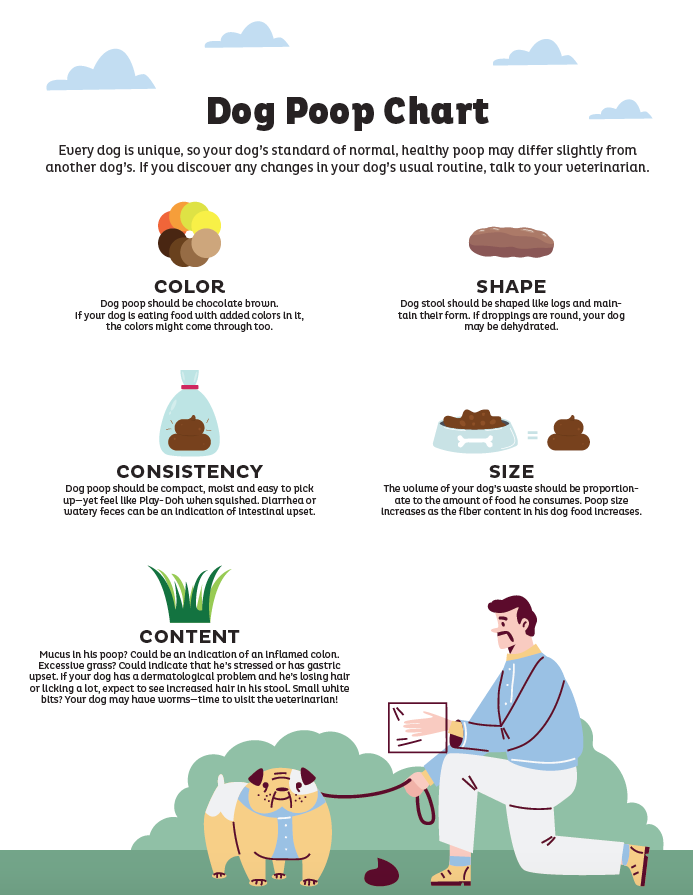
- Stool: small, formed, easy to pick up, 1 to 3 times a day
- Coat and skin: soft, shiny, low itch, minimal dandruff
- Energy: steady, not hyper, not sluggish
- Body condition: ribs easy to feel, waist visible, no pot belly
If two or more signs slip, try a different recipe or brand. Healthy food shows clear wins you can see.
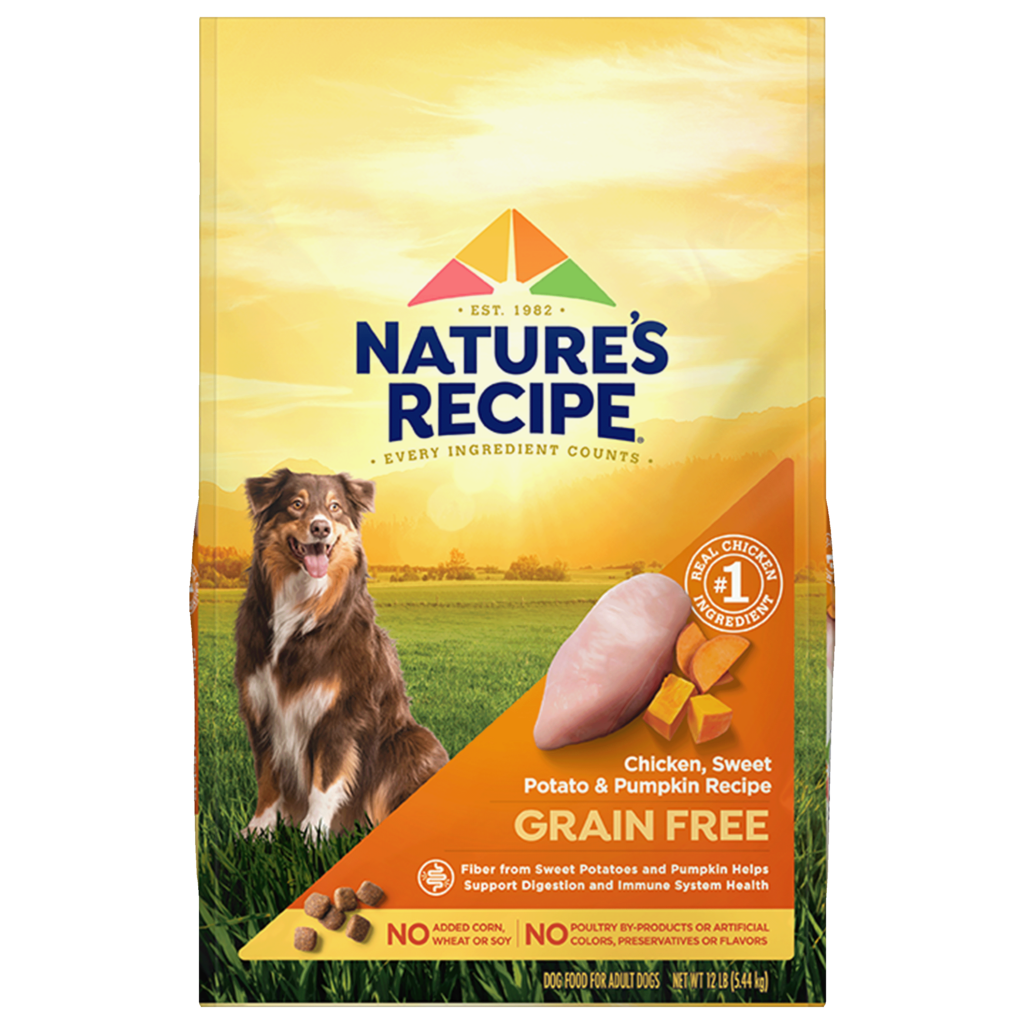
Budget, value, and how to shop smart
Price does not equal quality. There are gems at many price points.
Ways to compare:
- Cost per day, not per bag
- Grams of protein per dollar
- Feeding trials and support from the brand
- Return policy if it does not fit your dog
Smart shopping is part of how to know if dog food is healthy for both your dog and your wallet.
Work with your vet and ask brands better questions
Your vet or a board-certified nutritionist can guide you. Strong brands are open and clear. When I help clients, I ask the same five questions.
Ask a brand:
- Who formulates the diets and what are their credentials?
- Do you run feeding trials on finished diets?
- What quality control do you use in and after production?
- Can you share typical nutrient values, not only minimums?
- What is your recall history and how did you fix issues?
Answers here can seal the deal on how to know if dog food is healthy beyond the label.
Frequently Asked Questions of how to know if dog food is healthy
How do I know if my dog food is complete and balanced?
Find the AAFCO statement on the label. It should say complete and balanced for your dog’s life stage.
Is grain-free dog food healthier?
Not by default. Unless your dog has a true grain issue, balanced diets with grains are often fine.
What protein level should I aim for?
Most healthy adult dogs do well with about 22% to 30% protein on a dry matter basis. Adjust for activity and health.
How fast will I see results after switching foods?
Give it 4 to 8 weeks. Watch stool, coat, energy, and body condition for steady gains.
How do I transition to a new food safely?
Mix the new food in slow steps over 7 to 10 days. Increase the new food as long as stools stay formed.
Do by-products mean low quality?
Named by-products can be nutritious. Vague “animal” by-products are less ideal than clear, named sources.
How can I tell if the brand is trustworthy?
Look for expert formulators, feeding trials, strong quality control, and open answers to your questions. Easy access to support is a plus.
Conclusion
You now know how to know if dog food is healthy by using the label, the numbers, and your dog’s real-world results. Check the AAFCO statement, read the ingredients, confirm key nutrients, and watch your dog thrive. If a food passes on paper and in practice, you have a winner.
Put this plan to work on your next bag or can. Keep notes, trust your eyes, and partner with your vet. Ready to dive deeper? Subscribe for new guides, or drop your questions in the comments so we can help your dog eat well and feel great.

Pet Care Writer & Researcher
Daniel writes practical guides on daily care, feeding, and safety, turning complex topics into simple, actionable advice.