How To Train Dog To Be Home Alone: Step-By-Step 2026
Learn how to train dog to be home alone with proven steps, schedules, and enrichment. Reduce barking and anxiety fast. Tips for busy owners.
Start with tiny absences, reward calm, and slowly stretch your dog’s alone time.
You want your dog relaxed, safe, and confident at home. I’ve helped hundreds of families learn how to train dog to be home alone, and the plan works when you go slow and stay consistent. In this guide, I’ll show you how to train dog to be home alone with step-by-step routines, easy tools, and real-life tips you can trust.
Understand your dog’s baseline and separation needs
Every dog handles time alone differently. Some nap. Others worry. Before you start, note your dog’s age, breed traits, and past alone time. This helps you set the right pace for how to train dog to be home alone.
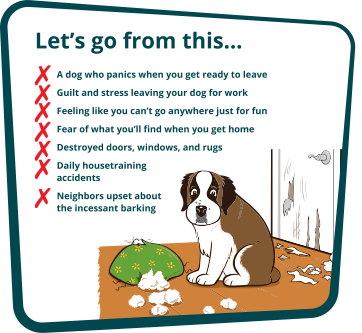
Watch for stress signs. These include panting, pacing, barking, drooling, or door scratching. Use a pet cam when you leave for one to three minutes. Write down what you see.
Rule out health issues. Talk to your vet if your dog shows sudden fear or house soiling. Pain and urinary problems can look like separation trouble.
Step-by-step plan: how to train dog to be home alone
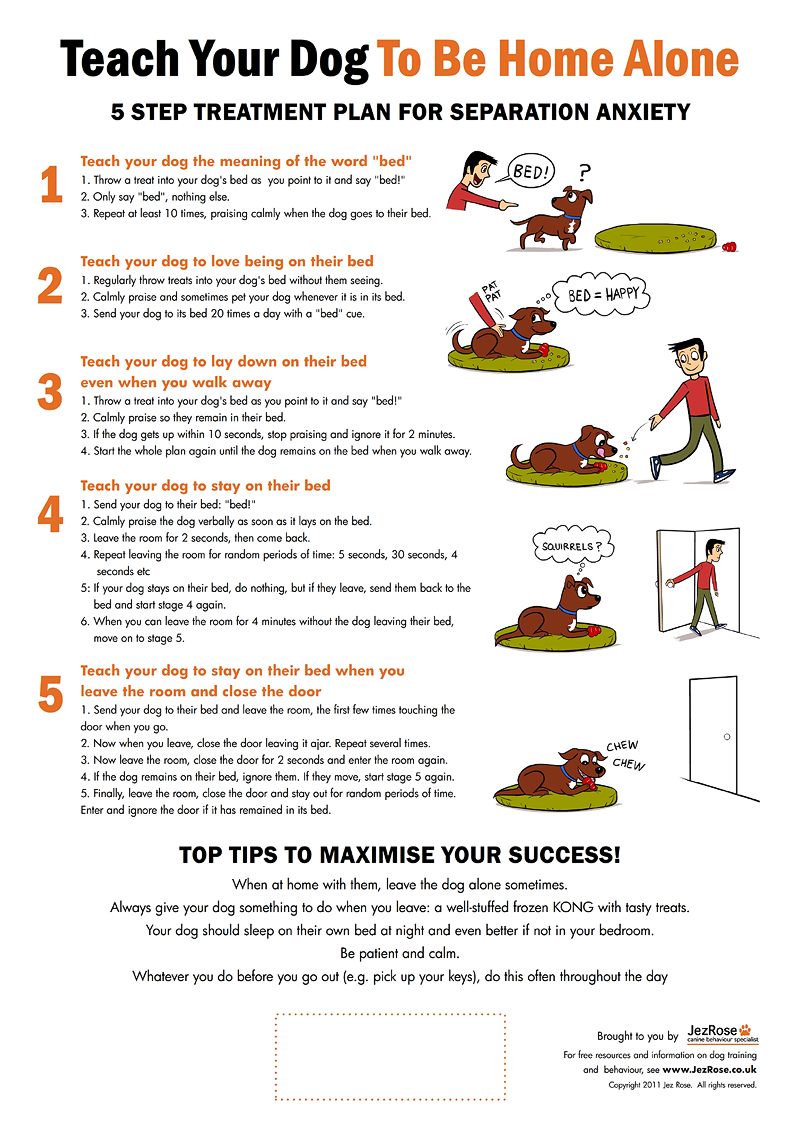
You will build calm through many short wins. Keep each step boring and easy. If your dog struggles, make it simpler. You are teaching that nothing bad happens when you leave.
Core steps to follow:
- Create a safe spot your dog already likes.
- Add a food puzzle to start the session.
- Do short exits. Begin with door closes for one to five seconds.
- Return before your dog worries. Drop a treat. Stay calm.
- Repeat in small sets. Add a few seconds each time.
- Mix real cues. Grab keys. Put on shoes. Keep your voice neutral.
- Stretch to one to three minutes. Then five. Then eight to ten.
- Add random longer gaps only after many easy reps.
What success looks like: loose body, soft eyes, slow breathing, and interest in food. If your dog stares at the door or freezes, that is too hard. Restart at an earlier step. This is the heart of how to train dog to be home alone in a kind, effective way.
Pro tip from the field: I once coached a young Lab who panicked at 30 seconds. We parked at ten seconds for four days. Then the dog jumped to three minutes in one session. Plateaus are normal. The slow work pays off.

Crate, playpen, or safe room: choosing the right space
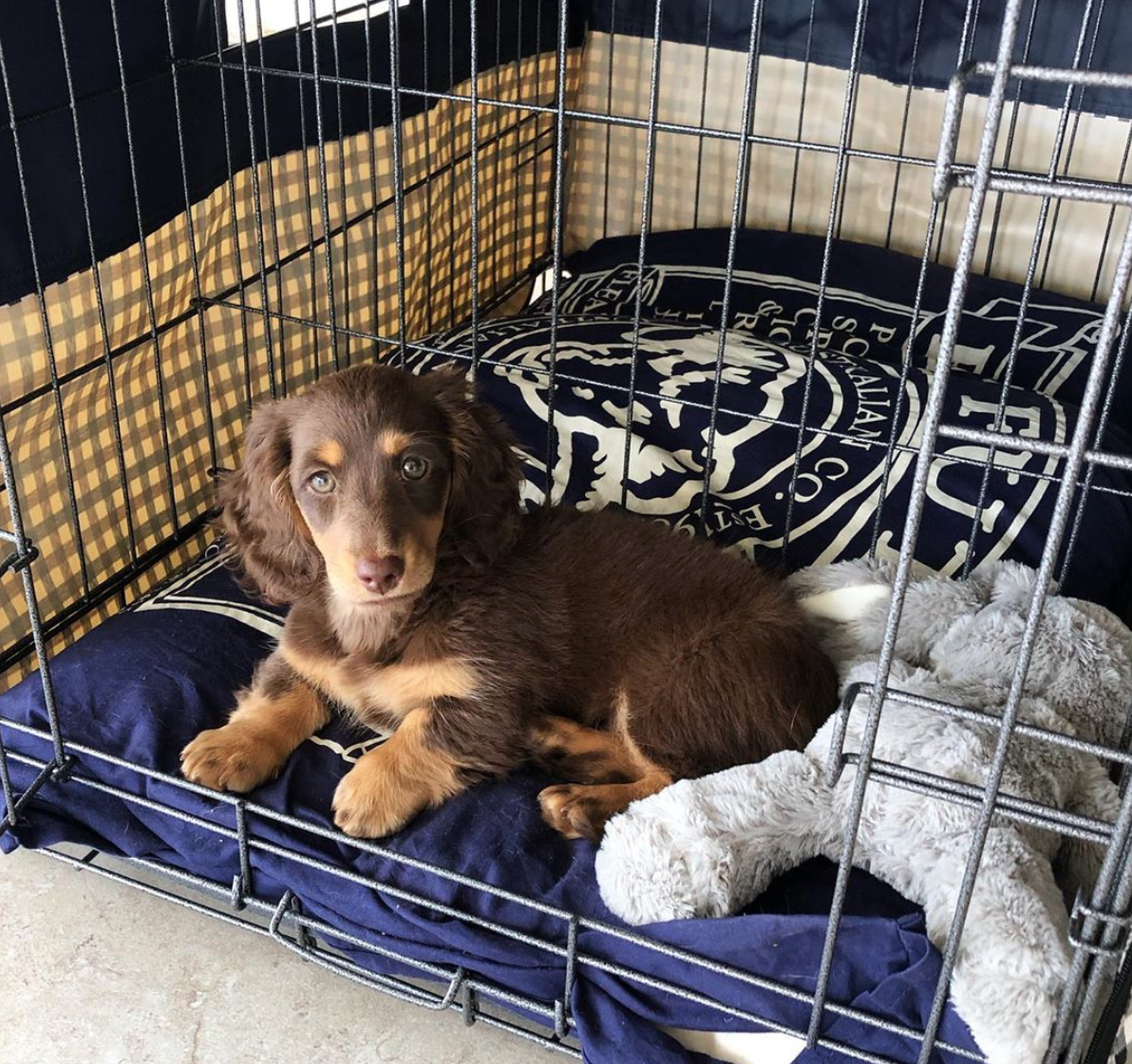
Pick a spot that feels calm and familiar. A crate can help some dogs. Others do better in a small room or a playpen. Comfort wins, not confinement.
Test each option during naps. If your dog relaxes, you found a match. Use a bed, water, and a safe chew. This setup supports how to train dog to be home alone without fear.
Make the space a good place. Feed meals there. Hide treats there. Let your dog enter on their own. Keep exits low key and quiet.

Build positive exits and calm returns
Dogs read patterns. Your exit cues often trigger stress. Change the story. Pair exits with something great, like a stuffed Kong.
Make your return boring. No big party. Just a soft hello and a treat toss to the floor. This keeps arousal low. It also makes how to train dog to be home alone stick long term.
Rotate departure cues. Sometimes grab keys and sit down. Sometimes put on a jacket and make tea. Break the link between your prep and panic.
Mental and physical exercise that make alone time easier
A tired mind rests better. Use short training, sniff walks, and puzzle feeders. Ten minutes of nose work can relax like a long walk.
Keep exercise smart. Very hard play can spike arousal. Aim for steady, happy movement. Then add a calm chew before you leave. This supports how to train dog to be home alone with less stress.
Easy brain games:
- Scatter kibble in a snuffle mat.
- Hide-and-seek with three simple food stations.
- Lick mats with dog-safe spreads.
Tech, tools, and safety checks
A pet cam is gold. You can see real progress and spot early stress. Set alerts for motion or sound.
Helpful tools:
- White noise or soft music to mask outside sounds.
- Frozen Kongs and safe chews to occupy the first minutes.
- Baby gates to block windows or doors that trigger barking.
Do a home safety sweep. Remove cords and small items. Close windows. Check collars fit well. These steps protect your dog while you apply how to train dog to be home alone.

Troubleshooting common problems
Refuses food when alone. Lower the challenge. Use higher value snacks. Start with the door ajar. Build from there.
Barking starts at two minutes. Your plan jumped too fast. Go back to one minute. Do five to eight easy reps. Then try 75 to 90 seconds.
Destruction near doors. That points to panic. Pause solo sessions. Bring in a certified trainer and talk to your vet. How to train dog to be home alone still works, but you need a slower slope and pro help.

Sample 14-day training plan for how to train dog to be home alone
Use this as a template. Adjust to your dog. End every session on success.
Days 1–3:
- Five sessions daily.
- 5 to 20 seconds per exit.
- One to two treats on return.
Days 4–6:
- Four sessions daily.
- 30 to 90 seconds per exit.
- Add one fake exit with keys.
Days 7–10:
- Three sessions daily.
- 2 to 5 minutes per exit.
- Start one session after a short sniff walk.
Days 11–14:
- Two sessions daily.
- 6 to 12 minutes per exit.
- One longer test to 15 minutes if calm.
Keep logs of time, behavior, and food interest. You should now see the core of how to train dog to be home alone taking shape.
Evidence-based tips that boost results
Food works best at the start of your exit. Many dogs eat in the first two minutes. After that, interest can drop until they relax.
Research shows gradual desensitization and counterconditioning are the gold standard. These methods change feelings, not just actions. That is why they last.
Use simple markers. Say yes as you drop a treat when you return. Your timing matters. Clear signals speed up how to train dog to be home alone.
When to get professional or veterinary help
Call your vet if you see extreme panic, escape attempts, or self-harm. Medical support may help your dog learn. It lowers the fear so training can work.
Hire a certified trainer for a custom plan. You will get fine timing, room setup, and real-time feedback. This can cut weeks off the process of how to train dog to be home alone.
Be honest about your schedule. If you cannot avoid long absences now, use day care or a sitter. Protect the progress you made.
Frequently Asked Questions of how to train dog to be home alone
How long does it take to teach a dog to stay alone?
Most dogs learn the basics in two to four weeks. Severe cases can take months, but steady wins still happen.
Is it okay to use a crate for alone time?
Yes, if your dog already loves the crate. If the crate raises stress, use a playpen or safe room instead.
What if my dog barks the moment I close the door?
Shorten the gap to one to five seconds and reward quiet. Build back up in tiny steps and keep sessions short.
Can I try how to train dog to be home alone with a puppy?
Yes, but go slower. Puppies need more bathroom breaks and shorter sessions with lots of naps.
Do cameras really help with how to train dog to be home alone?
They help a lot. You can spot stress early and track progress, which makes your plan more precise.
Conclusion
You can teach your dog to rest easy when you leave. Go slow, keep sessions short, and stack many small wins. Use food, calm exits, and a safe space to guide the process.
If you stay consistent, how to train dog to be home alone becomes a simple daily habit. Start today with a 30-second session and write down the result. Want more guides like this? Subscribe, share your progress, or drop a question in the comments.

Pet Care Writer & Researcher
Daniel writes practical guides on daily care, feeding, and safety, turning complex topics into simple, actionable advice.