What Dog Food Has The Best Ingredients: Best Choices
Find out what dog food has the best ingredients, including quality proteins, wholesome nutrients, and expert tips for choosing a healthier diet.
The dog food with the best ingredients is complete, balanced, protein-rich, and made by a trusted company with strong quality testing.
Choosing the best dog food takes more than spotting chicken, beef, or vegetables on the front of a bag. After comparing ingredient panels, nutrition standards, feeding trials, and quality controls, I find that the best choice is usually a food matched to your dog’s age, size, health, and activity level. This guide explains what to look for, which ingredients matter most, and how to avoid common label traps.
What Makes Dog Food Ingredients “Best”?
The best dog food ingredients support your dog’s whole body. They should provide usable protein, balanced fat, digestible carbohydrates, vitamins, minerals, and essential fatty acids.
A food can contain impressive ingredients and still be poorly balanced. For example, a recipe with fresh meat and vegetables may lack enough calcium, zinc, iodine, or vitamin D. That is why nutrition matters more than a simple list of trendy ingredients.
When people ask what dog food has the best ingredients, I suggest checking five key areas:
• A named animal protein, such as chicken, turkey, beef, lamb, salmon, or egg
• Adequate protein and fat for the dog’s life stage
• A statement that the food is complete and balanced
• Clear quality control and nutrition research
• Ingredients that your dog digests well and enjoys eating
The best dog food ingredients do not need to sound fancy. A simple recipe from a company with strong testing may be safer and more nutritious than a boutique recipe with a long list of exotic items.

What Dog Food Has the Best Ingredients?
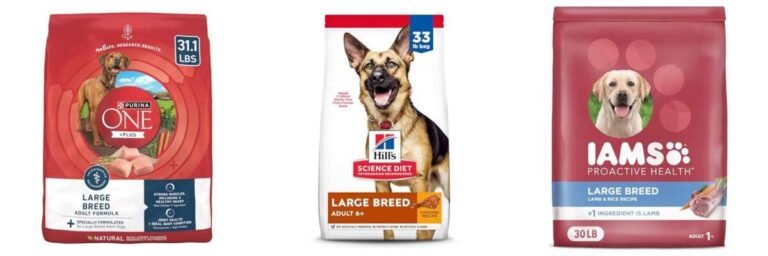
For many healthy dogs, foods from established brands such as Purina Pro Plan, Hill’s Science Diet, Royal Canin, and Iams offer strong ingredient quality, nutrient balance, and manufacturing oversight. The best option depends on your dog’s needs, but these companies commonly provide complete and balanced recipes backed by nutrition research.
Some fresh and specialty foods may also have good ingredients. However, “fresh,” “natural,” or “human-grade” does not automatically mean the food is nutritionally better. Look for evidence that the recipe meets standards set by the Association of American Feed Control Officials, often called AAFCO.
A good food should also come from a company that can answer basic questions about its product. The World Small Animal Veterinary Association recommends looking at the company’s nutrition experts, quality checks, research, and manufacturing process.
Strong everyday choices
For a healthy adult dog, the following types of food often provide a reliable starting point:
• Chicken, turkey, beef, or salmon recipes with named animal proteins
• Adult maintenance formulas labeled complete and balanced
• Breed size formulas for small, medium, or large dogs
• Foods that list calories clearly
• Diets made by companies with veterinary nutritionists or animal nutrition experts
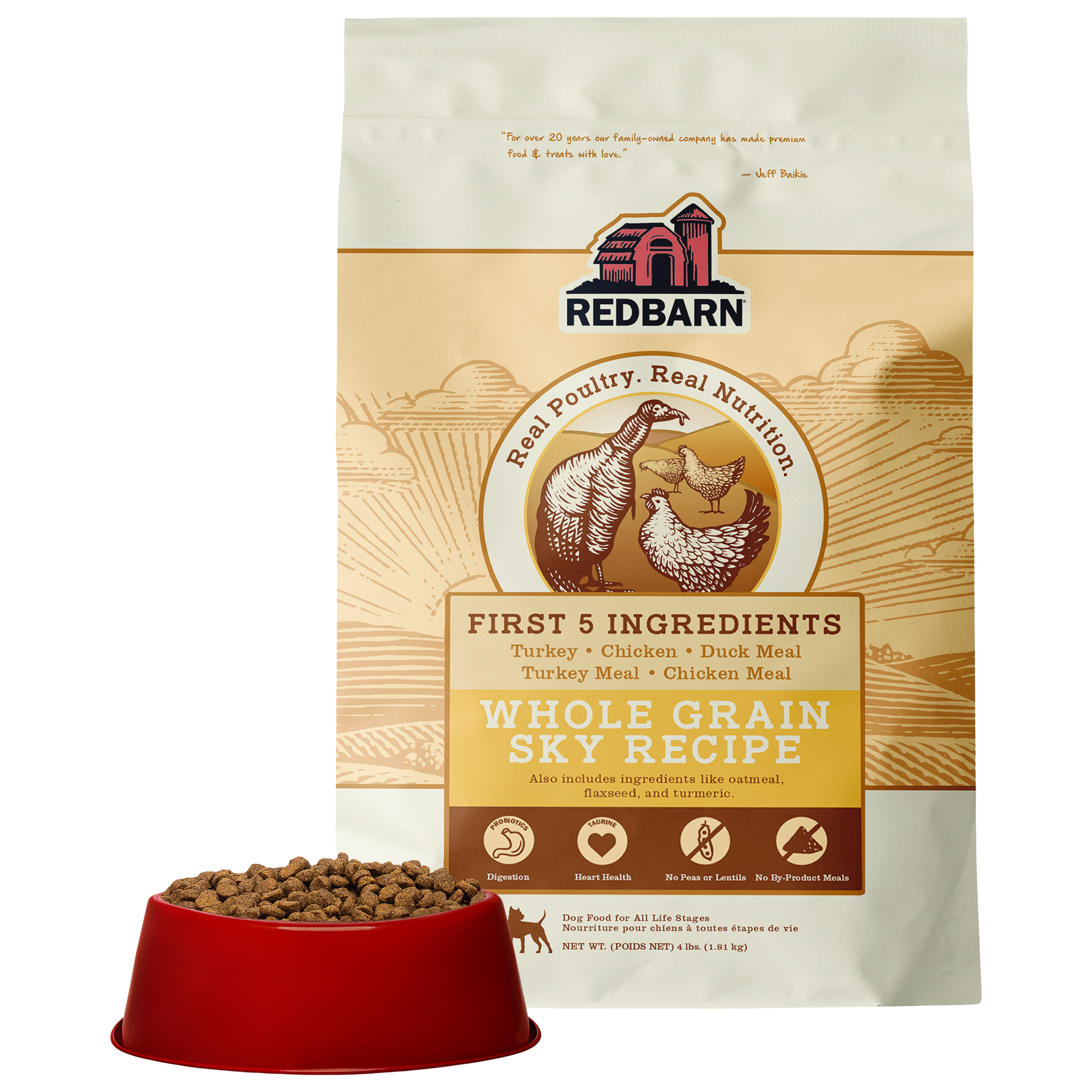
When deciding what dog food has the best ingredients, do not judge food only by the first three ingredients. Ingredients are listed by weight before cooking, so fresh meat may contain a lot of water. A dry ingredient such as chicken meal can provide more concentrated protein than fresh chicken.
How to Read a Dog Food Ingredient List
The ingredient list can help you understand a recipe, but it should not be used alone. The guaranteed analysis, calorie content, feeding statement, and company information matter too.
Start by checking the first named protein. “Chicken” is clearer than “meat,” because you know the animal source. Meat meals, such as chicken meal or lamb meal, are concentrated sources of protein because much of the water has been removed.
Next, look at the fat sources. Chicken fat, fish oil, and salmon oil can supply energy and fatty acids. Omega 3 fats, especially EPA and DHA, may support the skin, coat, joints, and brain.
Plant ingredients can also have a useful role. Rice, oats, barley, potatoes, peas, and sweet potatoes can provide energy, fiber, and nutrients. Dogs can digest properly cooked starches, and current research does not support the idea that all grains are harmful.
Ingredients worth seeing
Good dog food ingredients may include:
• Named meats and meat meals
• Egg
• Fish oil or a clearly named animal fat
• Oats, rice, barley, or other digestible grains
• Fiber sources such as beet pulp, pumpkin, or chicory root
• Vitamins and minerals in appropriate amounts
• Probiotics with identified strains
The word “byproduct” also deserves a fair explanation. Organ meats, such as liver and kidney, can be rich in nutrients. A named meat byproduct is not automatically poor quality, although unclear terms such as “animal byproducts” provide less information.
Ingredients that deserve caution
Avoid making decisions based on fear. Still, some label features deserve a closer look:
• Unnamed animal ingredients
• Artificial colors, which dogs do not need
• Excessive sweeteners
• Vague claims without feeding or nutrition details
• A recipe that lacks a complete and balanced statement
• Very high fat levels for a dog prone to pancreatitis
• Ingredients your veterinarian has told you to avoid
A long ingredient list is not proof of quality. It is more like a crowded toolbox. The goal is not to own every tool, but to have the right tools for the job.
Why Complete and Balanced Nutrition Matters
A dog needs more than protein. Dogs require a specific balance of amino acids, fatty acids, vitamins, and minerals. A diet can look wholesome but still cause problems if key nutrients are missing or present in the wrong amounts.
Look for a nutritional adequacy statement on the package. It should say the food is complete and balanced for a particular life stage, such as growth, adult maintenance, gestation, lactation, or all life stages.
This statement is one of the most important clues when deciding what dog food has the best ingredients. Treats, toppers, homemade diets, and some fresh foods may not be complete meals.
Life stage matters
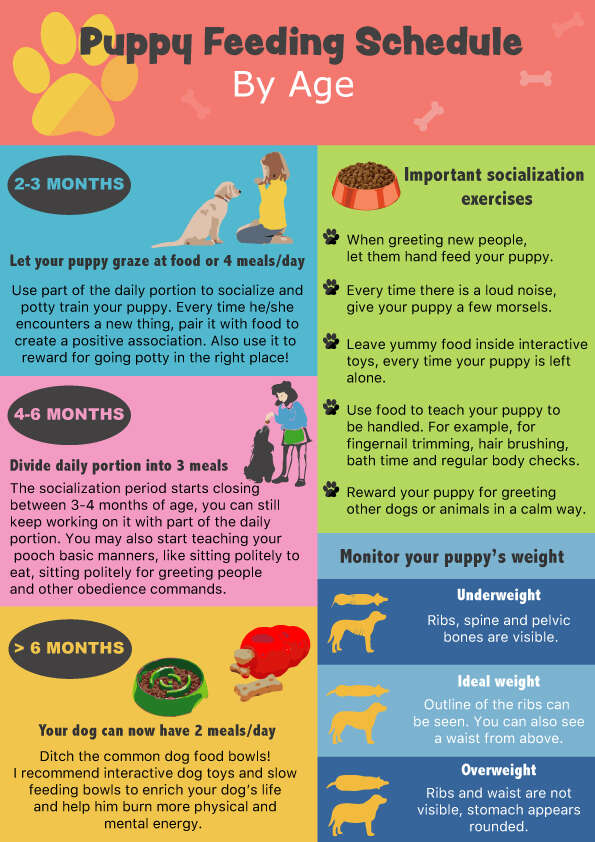
Puppies need different nutrition from adult dogs. Large breed puppies need controlled calcium and energy to support steady bone growth. Senior dogs may benefit from adjusted calories, protein, phosphorus, or joint support, depending on their health.
Pregnant and nursing dogs also have special needs. A food labeled for growth and reproduction may be more suitable than a standard adult formula.
Health needs matter too
Dogs with medical conditions may need a therapeutic diet. Examples include:
• Kidney disease
• Food allergies
• Urinary stones
• Diabetes
• Pancreatitis
• Obesity
• Gastrointestinal disease
In these cases, the best dog food ingredients are not selected by marketing claims. They are selected according to a veterinary diagnosis and a carefully designed nutrient profile.
The Role of Protein in High-Quality Dog Food
Protein supplies amino acids that help maintain muscles, skin, organs, enzymes, and immune function. Puppies, active dogs, pregnant dogs, and nursing dogs often need more protein than some sedentary adult dogs.
The source and digestibility of protein matter. Animal proteins such as meat, fish, eggs, and poultry provide useful amino acids. Plant proteins can also contribute, but a balanced recipe must provide all essential amino acids in suitable amounts.
Do not assume that the highest protein number is always best. Too much protein may not be suitable for every dog, especially when a veterinarian has prescribed a diet for kidney or liver disease.
When I compare what dog food has the best ingredients, I look for a sensible protein level that fits the dog. I also check whether the company provides feeding studies, nutrient testing, and clear calorie information.
Protein terms to understand
• Crude protein: The amount of protein measured by a laboratory method
• Meat meal: Meat with much of the water removed
• Animal digest: A processed flavor ingredient that may be less specific
• Amino acids: The building blocks that form proteins
A named meat meal can be a valuable ingredient. It is often more protein dense than fresh meat because fresh meat contains a large amount of water.
Are Grains, Corn, and Byproducts Bad for Dogs?
For most dogs, grains are safe and useful. Corn, rice, wheat, and barley can provide energy, fiber, protein, vitamins, and minerals when properly processed.
Food allergies are possible, but they are less common than many internet posts suggest. Dogs may react to beef, dairy, chicken, or other proteins, and any ingredient can cause a problem in an individual dog.
Corn is not simply a cheap filler. It can provide carbohydrates, fatty acids, antioxidants, and protein. The question is whether the full recipe is balanced and whether your dog does well on it.
Byproducts also need context. Liver, heart, and other organs can offer valuable nutrients. A named byproduct may be more useful than a trendy plant ingredient added mainly to improve the label’s appearance.
Wet Food, Dry Food, Fresh Food, or Raw Food?
The best dog food ingredients can appear in dry, wet, fresh, or freeze dried food. The format affects moisture, cost, storage, calories, and convenience, but it does not automatically determine nutritional quality.
Dry food is affordable, easy to measure, and simple to store. Wet food contains more water and may help dogs that need extra moisture or have trouble chewing.
Fresh and gently cooked diets can be appealing, but they may cost more and require careful storage. Confirm that the food is complete and balanced, not just made from appealing ingredients.
Raw food has added risks. Uncooked animal products may carry bacteria such as Salmonella or Listeria. Bones can also cause broken teeth, choking, or intestinal injury. Major veterinary and public health groups generally advise caution with raw diets.
Choosing a food format
Consider these practical points:
• Dry food works well for many households and is easy to portion
• Wet food can help increase water intake
• A mixed diet may improve appetite for some dogs
• Fresh food needs careful refrigeration
• Freeze dried food may be calorie dense
• Raw food requires strict hygiene and carries infection risks
There is no prize for choosing the most expensive format. The best choice is the food your dog can eat safely, digest well, and receive in the correct portion.
How to Compare Dog Food Brands
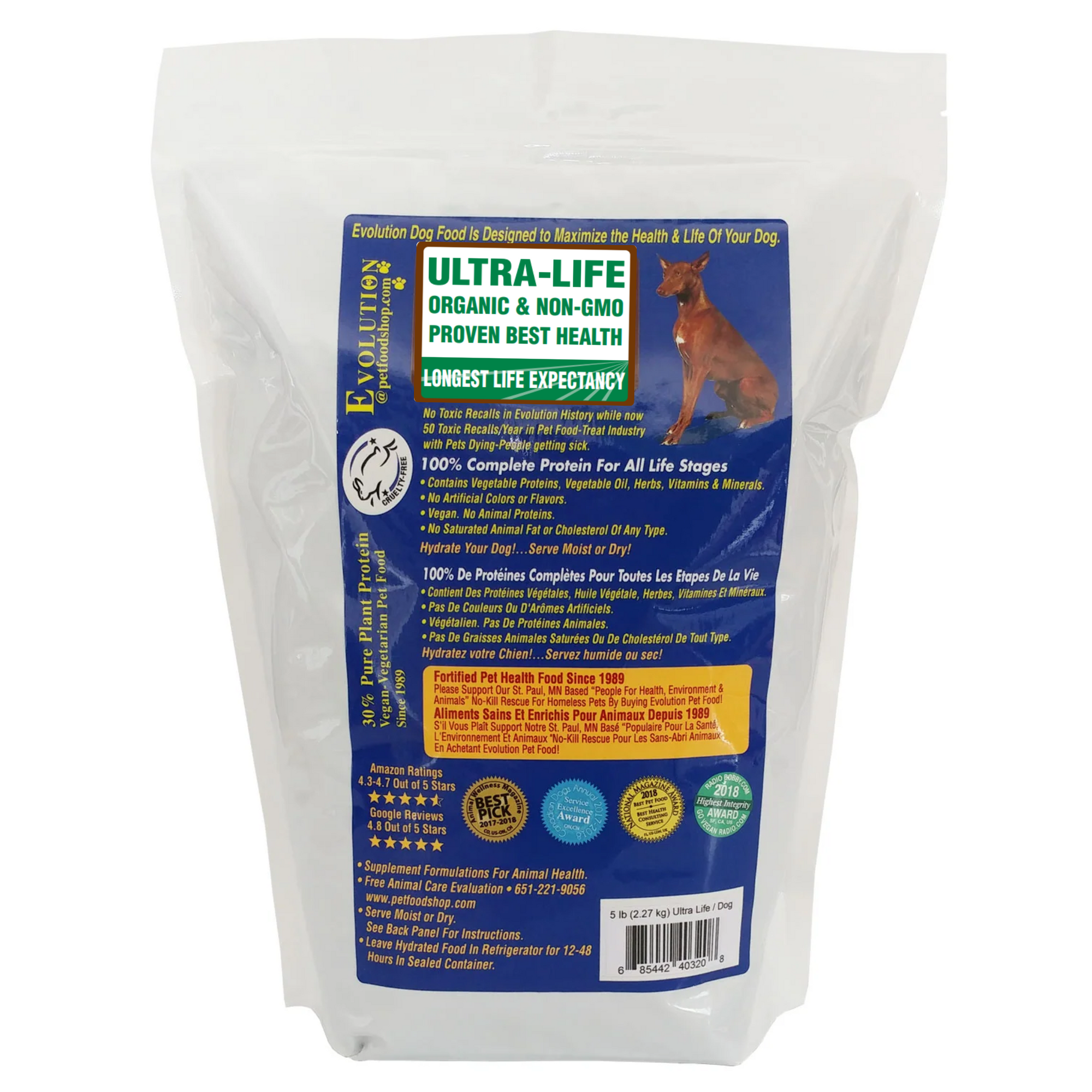
Brand reputation matters because ingredient quality depends on more than the recipe. Manufacturing, testing, storage, and recall systems all affect safety.
A responsible company should be able to explain who formulates its diets. Ideally, the team includes qualified animal nutritionists or veterinary nutrition specialists. The company should also test incoming ingredients and finished products.
Use this checklist when comparing brands:
-
Find the complete and balanced statement.
-
Check the intended life stage.
-
Compare calories per cup or can.
-
Look for named protein and fat sources.
-
Review the company’s quality control process.
-
Check the feeding directions and adjust for body condition.
-
Ask your veterinarian about special health needs.
-
Monitor your dog after changing food.
Some brands publish detailed nutrient information beyond the guaranteed analysis. This can help, especially when a dog has allergies, kidney disease, or another medical issue.
When people ask me what dog food has the best ingredients, I often say that the company behind the food matters almost as much as the ingredient list. A polished package cannot replace good formulation and quality control.
Common Dog Food Label Traps
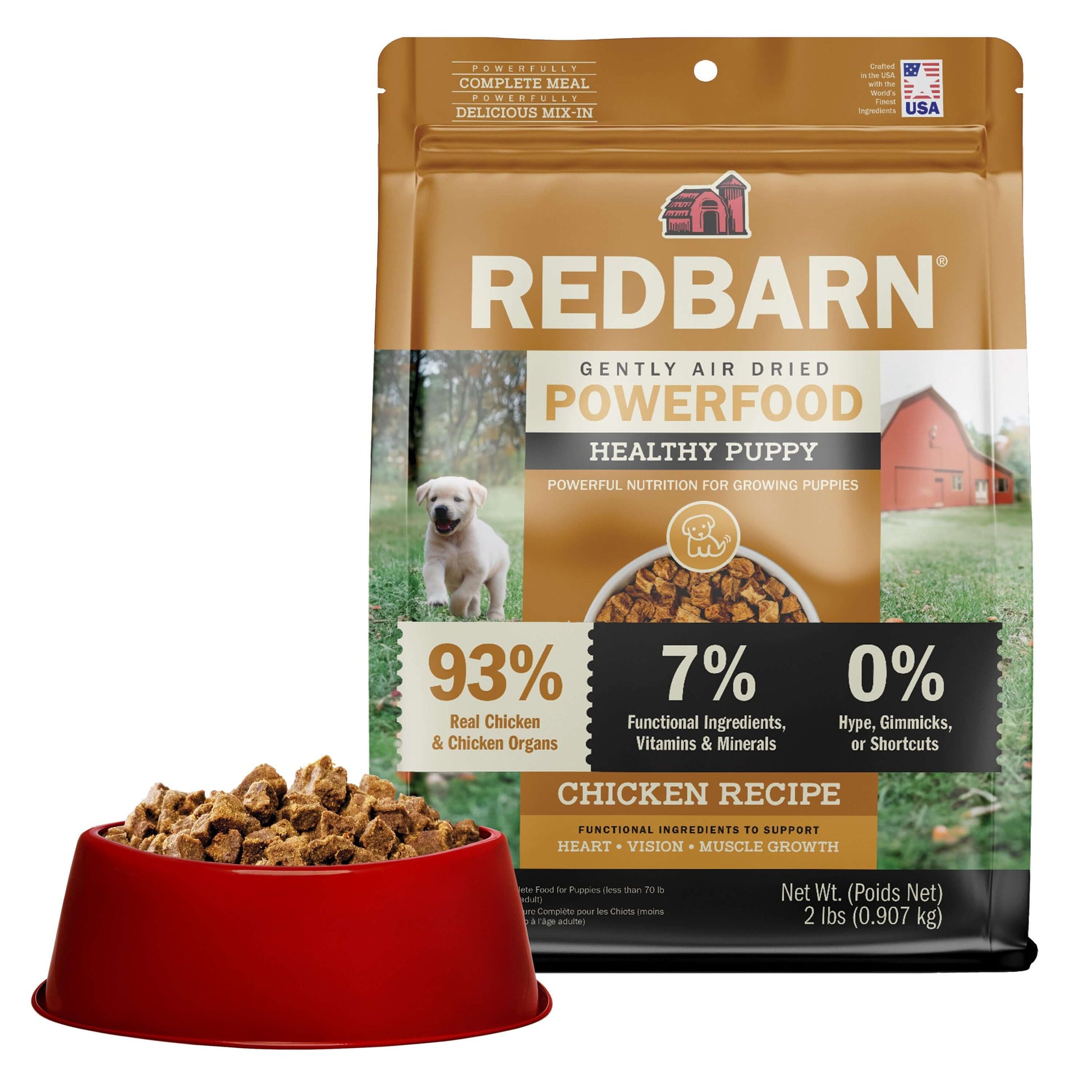
Pet food labels are designed to attract attention. Words such as “natural,” “ancestral,” “premium,” and “holistic” may sound helpful, but many have limited value when used without supporting details.
The ingredient splitting trick is another label issue. A recipe may list several forms of peas, potatoes, or other plant ingredients separately. This can make an animal ingredient appear higher on the list than it would if the plant sources were grouped together.
Marketing images can also mislead. A bag may show whole pieces of chicken, vegetables, and fruit even when those foods make up only a small part of the recipe.
Watch for these common traps:
• “With chicken” may mean a small amount of chicken
• “Natural” does not mean complete and balanced
• “Grain free” does not mean healthier
• “Human grade” does not guarantee ideal nutrition
• A high meat position on the list does not prove superior digestibility
• “Limited ingredient” does not always mean suitable for allergies
The best dog food ingredients are judged in context. Think of the label as one piece of evidence, not the entire case.
Grain Free Dog Food and Heart Health
Grain free food is not automatically bad, but it is not automatically better. Many grain free recipes replace grains with peas, lentils, chickpeas, or potatoes.
The Food and Drug Administration has investigated reports of canine dilated cardiomyopathy involving some diets, many of which were labeled grain free and contained high amounts of certain legumes or potatoes. The issue is complex, and research has not shown that every grain free diet causes heart disease.
Do not change your dog’s food because of an online trend alone. If your dog has a diagnosed grain allergy, follow your veterinarian’s plan. Otherwise, ask whether there is a clear medical reason to avoid grains.
For most dogs, a grain inclusive food made by a well established company is a reasonable choice. It often provides familiar carbohydrates and has a longer history of feeding research.
How Much Dog Food Should You Feed?
Even the best dog food ingredients can lead to weight gain if portions are too large. Feeding charts are starting points, not perfect instructions.
Measure food with a standard measuring cup or, better yet, a kitchen scale. Adjust the amount based on your dog’s body condition, activity, age, and treats.
A healthy dog should have ribs that are easy to feel without a thick layer of fat. The waist should be visible from above, and the abdomen should rise slightly when viewed from the side.
Remember that treats count. Keep treats and table food near 10 percent or less of daily calories unless your veterinarian gives different advice.
How to Change Your Dog’s Food Safely
A sudden diet change can cause loose stool, gas, vomiting, or refusal to eat. Most dogs do better with a slow transition over seven to ten days.
Try this simple plan:
-
Feed about 75 percent old food and 25 percent new food for two or three days.
-
Move to half old food and half new food for two or three days.
-
Feed 25 percent old food and 75 percent new food for two or three days.
-
Serve only the new food if your dog remains comfortable.
Some dogs need a slower change. Stop and contact your veterinarian if your dog has repeated vomiting, severe diarrhea, blood in the stool, weakness, or refuses food for an extended period.
One practical lesson I have learned from comparing food changes is that owners often blame the recipe when the real problem is speed. A gentle transition gives the digestive system time to adjust.
Signs Your Dog’s Food Is Working Well
No single sign proves that a diet is perfect, but several clues can show that it suits your dog.
Look for:
• Stable energy
• Healthy body weight
• Firm, regular stools
• A shiny coat
• Healthy skin
• Good appetite
• Normal muscle tone
• No repeated vomiting or diarrhea
Food is only one part of health. Parasites, dental disease, stress, infection, and medical conditions can also affect stool, skin, appetite, and weight.
If your dog has chronic itching, ear infections, poor growth, weight loss, frequent diarrhea, or excessive thirst, do not simply keep changing foods. A veterinary exam can identify the real cause.
Frequently Asked Questions About What Dog Food Has the Best Ingredients
What dog food has the best ingredients for most healthy adult dogs?
A complete and balanced adult formula from a trusted company is a strong choice for most healthy dogs. Look for named animal proteins, suitable calories, clear feeding directions, and reliable quality testing.
Is expensive dog food always better?
No. Price does not prove better nutrition or digestibility. Some affordable foods are carefully formulated, while some expensive foods rely heavily on marketing claims.
What is the best first ingredient in dog food?
A named animal protein, such as chicken, beef, turkey, lamb, or salmon, is often a good sign. However, the full nutrient profile matters more than the first ingredient alone.
Are meat meals safe in dog food?
Yes. Named meat meals, such as chicken meal or lamb meal, can be concentrated and useful protein sources. They contain less water than fresh meat and are not automatically lower quality.
Should dogs eat grain free food?
Most dogs do not need grain free food. Grains can provide useful nutrients, and a grain free diet should be used only when there is a clear reason, preferably with veterinary guidance.
Is raw dog food healthier than cooked food?
There is no strong general proof that raw food is healthier for all dogs. Raw diets can carry bacterial, bone, and nutrient balance risks, so discuss them with a veterinarian before feeding one.
How do I know if dog food is complete and balanced?
Look for a nutritional adequacy statement on the package. It should identify the life stage for which the food meets established nutrient standards.
What dog food has the best ingredients for puppies?
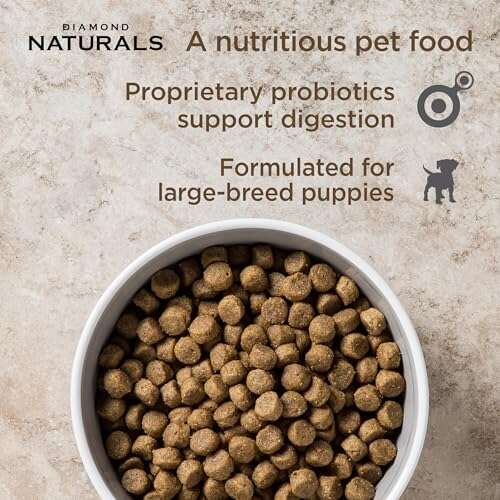
Puppies need a complete and balanced growth formula. Large breed puppies should receive food designed for large breed growth, because calcium, energy, and mineral balance are especially important.
Can dogs eat the same food every day?
Yes, if the food is complete and balanced and suits the dog’s life stage and health. Variety is not required, although some dogs may enjoy safe rotation when changes are made slowly.
Conclusion
The answer to what dog food has the best ingredients is not one universal brand or one fashionable recipe. The strongest choice is a complete and balanced food made by a company that uses qualified nutrition experts, careful testing, and clear labeling.
Focus on your dog’s age, size, health, activity, body condition, and digestion. Choose named protein sources, sensible calories, useful fats, and a proven nutrient balance rather than trusting bold claims on the front of the package.
Start by comparing two or three suitable foods, then ask your veterinarian for guidance if your dog has medical needs. A thoughtful label check today can support better energy, digestion, and long term health.

Pet Care Writer & Researcher
Daniel writes practical guides on daily care, feeding, and safety, turning complex topics into simple, actionable advice.