How To Keep Dog Breath Fresh: Vet-Backed Tips 2026
Learn how to keep dog breath fresh with brushing, dental chews, diet tips, and vet advice. Simple steps for sweeter kisses and lasting oral health.
Brush daily, offer dental chews, schedule vet cleanings, and feed smart.
If you want to learn how to keep dog breath fresh, you need a simple plan that works every day. I’ve helped countless dog parents fix stubborn bad breath with practical steps, science-backed products, and a routine you can stick to. Stay with me, and you’ll master how to keep dog breath fresh without stress or guesswork.

Why dog breath smells in the first place
Dog breath turns sour when bacteria build up on teeth and gums. Plaque hardens into tartar, which traps even more odor. Food particles, gum disease, and hidden mouth pain make it worse.
Some smells point to bigger issues. A urine-like scent can hint at kidney trouble. A sweet or fruity smell can suggest diabetes. If your dog’s breath changes fast or gets strong, call your vet first. This is key to how to keep dog breath fresh for the long run.

Daily habits that actually work
If you ask me how to keep dog breath fresh, I’ll say this: make it a daily habit. You do not need fancy tricks. You need a few small steps done well.
Try this simple routine:
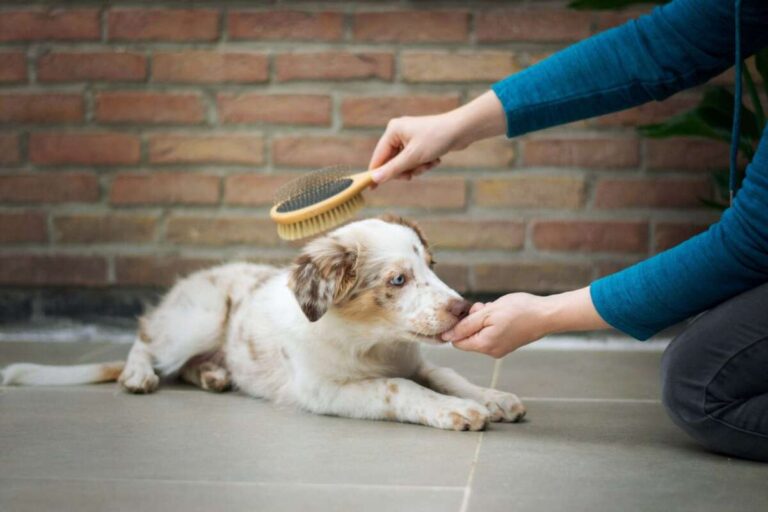
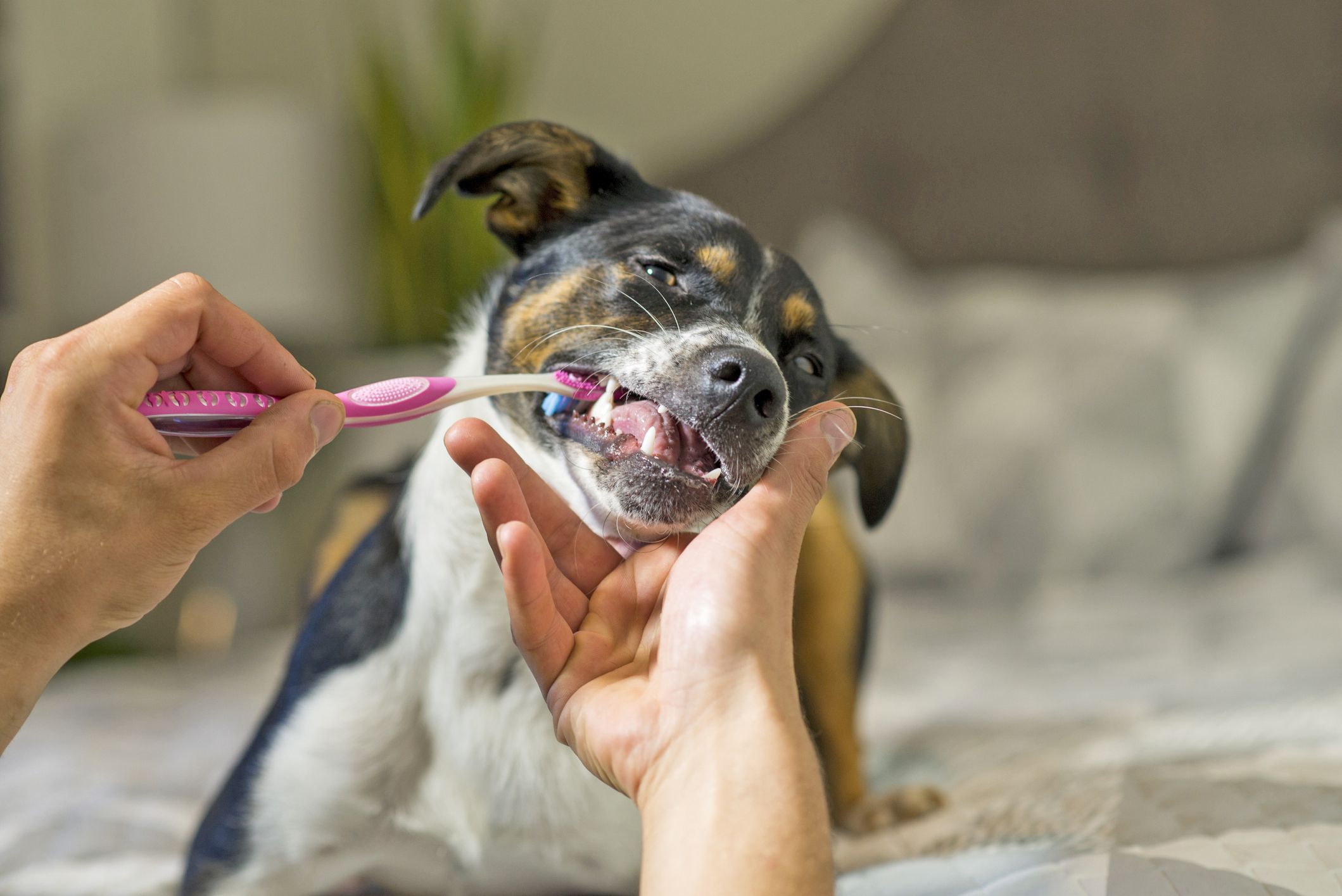
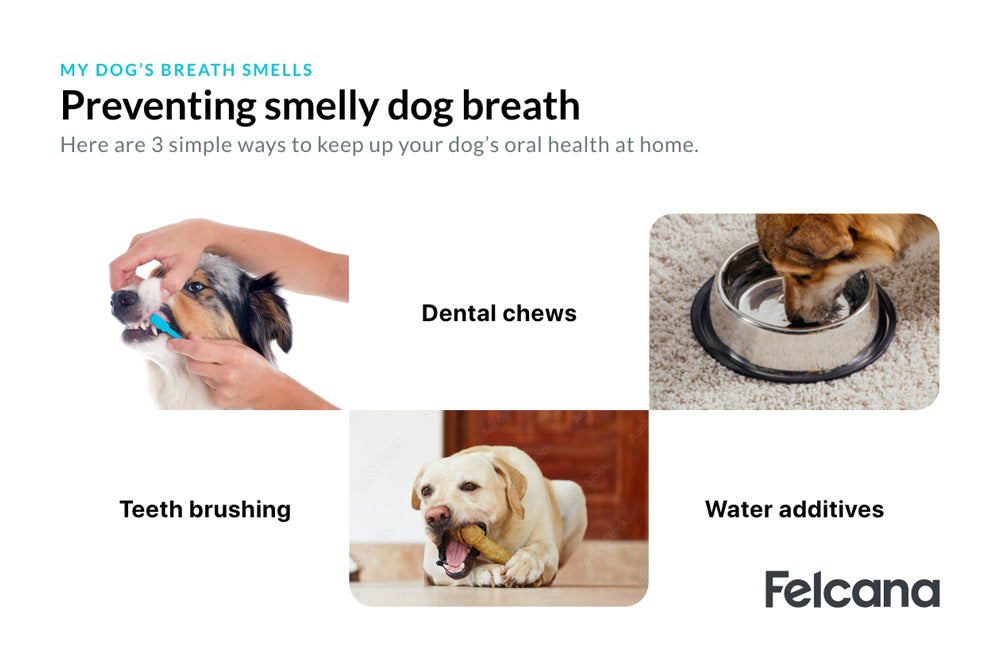
- Brush teeth once a day with a dog-safe toothpaste. Even 30 seconds per side helps.
- Use dental wipes on busy days. They lift plaque when you skip the brush.
- Add a vet-approved water additive. It lowers bacteria while your dog drinks.
- Offer a dental chew with the VOHC seal. It scrubs while your dog gnaws.
- Give safe dental toys. Choose firm rubber with ridges, not hard antlers.
- End with praise. Keep it fun so your dog looks forward to it.
I’ve seen the biggest wins when owners mix brushing plus a chew. That combo cuts plaque and keeps gums happy. It is the easiest path on how to keep dog breath fresh every week.
Food and diet that support fresh breath
Diet shapes the mouth. It also drives how to keep dog breath fresh over time. Aim for balanced food with whole proteins and low filler.
Use these food tips:
- Choose complete, high-quality diets. Stable protein helps gum health.
- Add crunch. Carrot sticks and apple slices (no seeds) can wipe soft plaque.
- Include omega-3s. They support gum health and reduce inflammation.
- Offer fresh water all day. Dry mouths breed smell.
- Watch treats. Sticky treats cling to teeth and feed bacteria.
In my experience, switching from high-sugar treats to lean, crunchy options can cut odor in two weeks. Keep it simple and steady.

Proven products and ingredients to look for
Not all dental products are equal. Look for items with the VOHC seal. This mark means they help control plaque or tartar. That choice alone supports how to keep dog breath fresh without guesswork.
Helpful ingredients:
- Chlorhexidine for bacteria control, often in gels or rinses.
- Enzymes like glucose oxidase or lactoperoxidase in toothpaste.
- Zinc salts to neutralize odors.
- Seaweed-based powders that soften tartar over time.
Use care with trends:
- Avoid xylitol. It is toxic to dogs, even in small amounts.
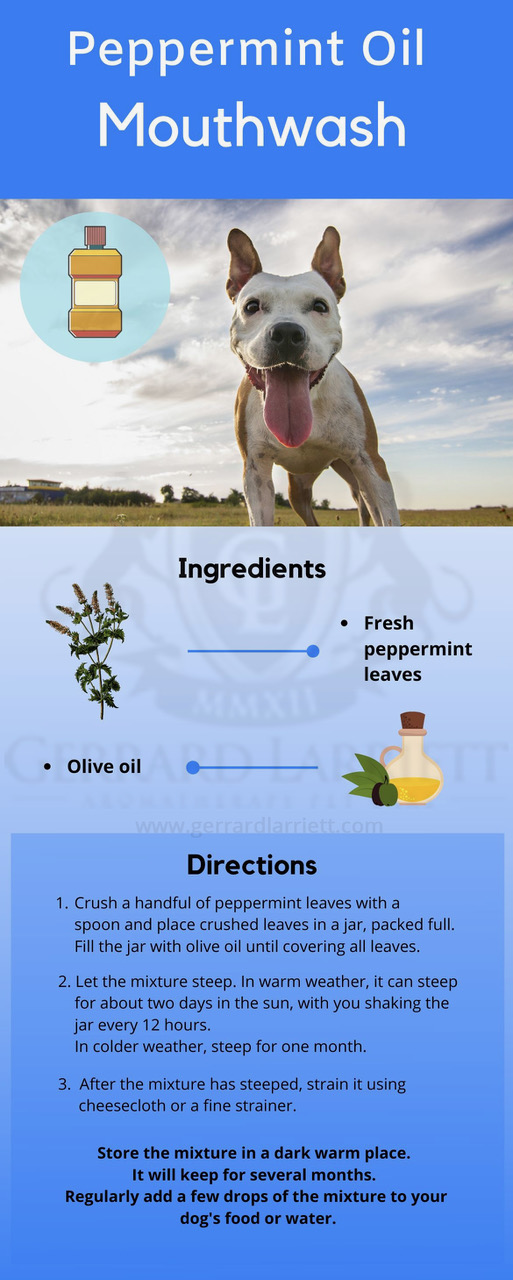
- Be cautious with essential oils. Peppermint and tea tree can be risky.
- Skip very hard chews. They can break teeth.
When in doubt, ask your vet. A five-minute chat can save you money and stress.

Professional care and when to see the vet
Professional cleanings remove tartar under the gum line. That is the zone home care cannot reach. Most dogs need a dental exam every 6 to 12 months.
Call your vet if you see:
- Bad breath that returns fast after brushing
- Red, bleeding, or swollen gums
- Loose or broken teeth
- Drool, pawing at the mouth, or dropping food
- Big breath shifts with weight loss or thirst changes
Small breeds and senior dogs need closer watch. Regular cleanings, plus your home routine, are a proven plan for how to keep dog breath fresh and safe.
Natural remedies that are safe, and what to avoid
Some natural tips help. Keep them simple and safe.
What can help:
- Fresh parsley or mint leaves in tiny amounts. Chop and sprinkle on food.
- Plain yogurt or dog-safe probiotics. They may balance mouth bacteria.
- Crunchy produce like carrots. They wipe soft plaque.
What to avoid:
- Essential oils in the mouth. Many are unsafe for dogs.
- Raw bones. They can break teeth or cause illness.
- Vinegar or strong DIY rinses. They can irritate gums.
Natural tools are side dishes, not the main meal. They support your plan for how to keep dog breath fresh but do not replace brushing.
A simple 14-day reset plan
This two-week plan is my go-to when breath is rough. It is short, clear, and works.
Days 1 to 3
- Brush once per day. Use a finger brush if your dog is new to it.
- Add a VOHC water additive.
- Give one VOHC dental chew.
Days 4 to 7
- Brush daily. Aim for 30 to 60 seconds.
- Add crunchy snacks like carrot sticks.
- Wipe teeth at night if you missed a brush.
Days 8 to 10
- Keep brushing daily.
- Start a seaweed-based powder if your vet agrees.
- Log changes in smell and gum color.
Days 11 to 14
- Stay the course.
- Book a vet dental check if odor persists.
- Keep notes. The notes help you see progress.
By day 14, most dogs smell much better. This reset shows you exactly how to keep dog breath fresh with very little fuss.

Common mistakes to avoid
These slip-ups can undo good work fast.
- Brushing once a week. It is not enough to beat plaque.
- Using human toothpaste. Many have xylitol or harsh foams.
- Overusing hard chews. Tooth fractures are painful and pricey.
- Skipping vet checks. Hidden disease keeps breath bad.
- Chasing trends. Stick to proven tools and the VOHC seal.
Avoid these traps, and you will lock in how to keep dog breath fresh for months at a time.

Tracking progress and making it stick
What you track, you improve. Keep it simple.
Try this:
- Smell scorecard from 1 to 5, updated twice a week.
- Gum check in bright light. Look for pink, not red.
- Tartar photos once a month. Compare angles.
Tie brushing to a daily cue, like the evening walk. That one link is a big win for how to keep dog breath fresh every season.
Costs, budgets, and realistic expectations
You do not need to overspend. A smart kit can be very lean.
What most families use:
- Toothbrush and dog toothpaste
- Dental wipes for backup days
- One VOHC water additive
- A vetted dental chew
Expect to invest a little each month. Expect a vet cleaning as needed. The result is a happier dog, better kisses, and a plan you can live with. This is the budget-friendly way on how to keep dog breath fresh all year.
Frequently Asked Questions of how to keep dog breath fresh
How often should I brush my dog’s teeth?
Every day is best. Three to four times per week still helps if daily brushing is hard.
What if my dog hates brushing?
Start slow with a finger brush and tasty toothpaste. Brush for a few seconds, praise, and build up time.
Are dental chews enough on their own?
Chews help, but they do not replace brushing. Use both for the best results.
Can bad breath mean a health problem?
Yes. Strong or sudden odor can point to dental disease, diabetes, or kidney issues. See your vet if the smell changes fast.
Do water additives really work?
Some do, especially those with the VOHC seal. They work best as part of a full routine.
Is coconut oil good for dog breath?
It may mask odors for a short time, but it does not tackle plaque. Stick with brushing and VOHC-backed tools.
What age should I start dental care?
Start as a puppy if you can. Training early makes lifelong care easy.
Conclusion
Fresh dog breath is not magic. It is a simple, steady routine: brush daily, add a VOHC chew or rinse, feed smart, and see your vet on schedule. Put the 14-day plan on your calendar and start tonight. Your dog will feel better, and your home will smell better too.
Ready for next steps? Try one tip today, then add another tomorrow. If this guide helped, subscribe for more real-world pet care tips or drop a question in the comments.

Pet Care Writer & Researcher
Daniel writes practical guides on daily care, feeding, and safety, turning complex topics into simple, actionable advice.