How To Build Confidence In Shy Dogs: Proven Tips 2026
Boost your pup’s bravery with step-by-step games, socialization, and rewards—how to build confidence in shy dogs made simple for faster, kinder progress.
Use slow, positive steps, reward brave moments, and let your dog choose.
If you want to learn how to build confidence in shy dogs, you are in the right place. I have guided many timid pups from hiding behind legs to greeting the world with a soft tail wag. In this guide, I will show you clear steps, why they work, and how to build confidence in shy dogs without stress or guesswork.
Understanding why dogs are shy
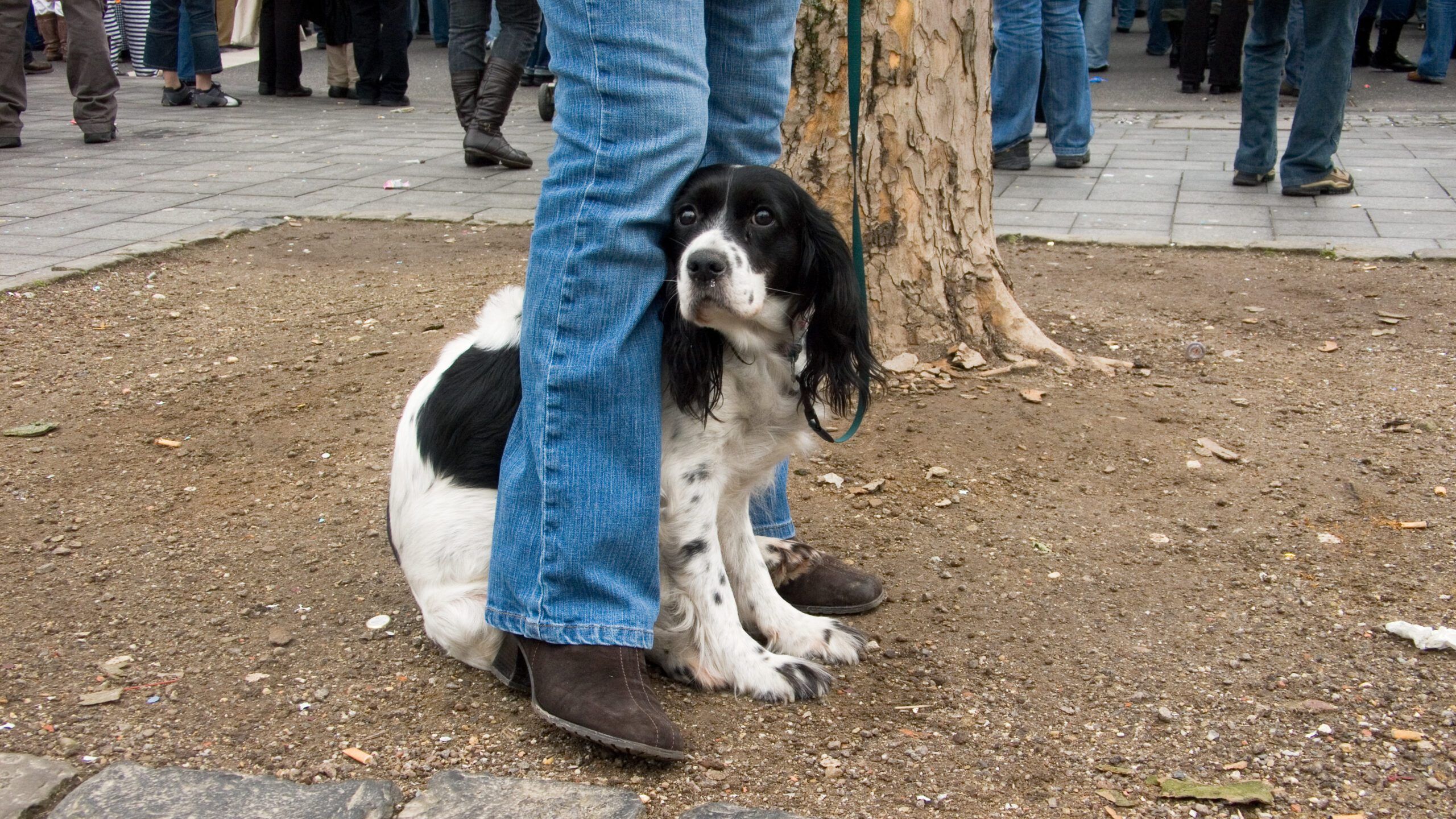
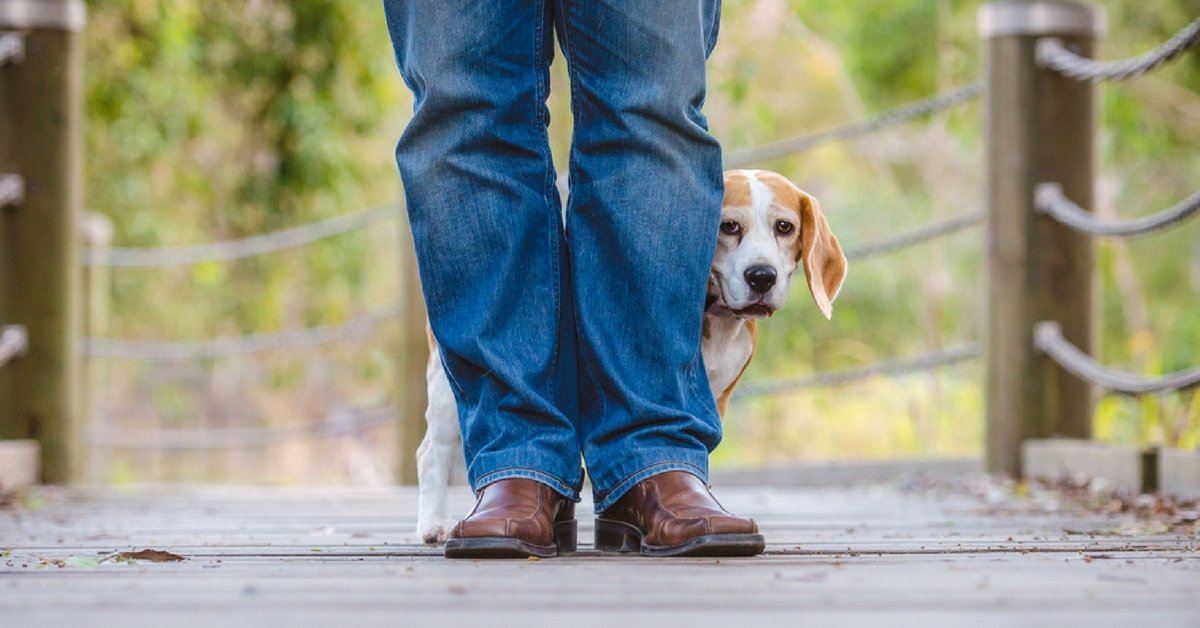
Shy dogs are not broken. They are careful. Some were born more sensitive. Some missed safe social time as puppies. Others had one bad scare that stuck. Pain, poor sleep, and stomach issues can also make a dog more wary.
Watch for signs of fear. Look for a tucked tail, pinned ears, lip licks, yawns, stillness, or a head turn away. A shy dog may sniff the ground, freeze, or refuse food when worried.
To learn how to build confidence in shy dogs, you must know the cause. We do not force. We build skills and trust one calm step at a time. This approach uses science-backed ideas like desensitization and counterconditioning. These change how a dog feels, not just what a dog does.
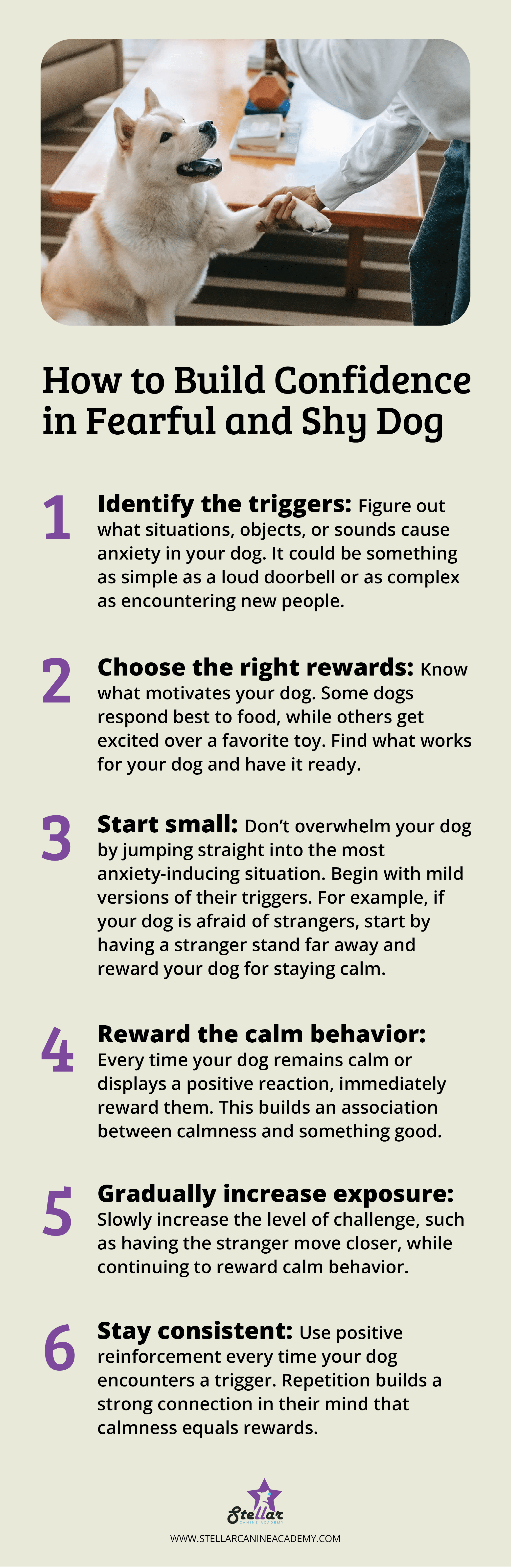
Core principles that make change stick
- Safety first. Your dog needs to feel safe to learn.
- Choice and control. Let your dog say yes or no with body language.
- Go at the dog’s pace. If the dog turns away, increase distance or stop.
- Pair scary with good. See the thing, then treat. Over and over.
- Keep sessions short. End while your dog still wants more.
- Predictable routines. Clear patterns lower stress and boost trust.
- Reinforce the tiny wins. One step forward is a big deal for a shy dog.
These rules are the base for how to build confidence in shy dogs. When you honor choice, stress drops, and curiosity grows.
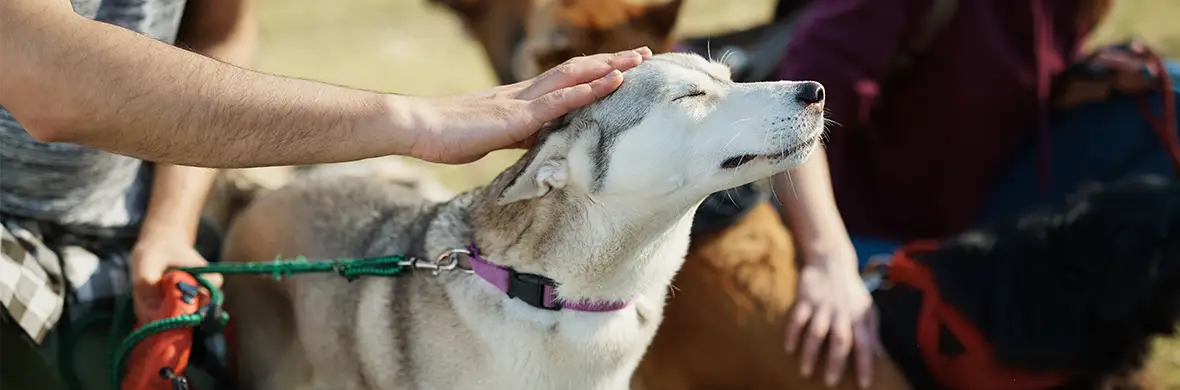
Step-by-step plan: how to build confidence in shy dogs
-
Start with a vet check
Rule out pain, gut trouble, skin issues, or thyroid shifts. A healthy dog can learn faster and feel safer. -
Build a safe home base
Set up a quiet zone with a comfy bed, water, chews, and a covered crate or pen. Add white noise if sounds are a trigger. -
Map your dog’s triggers
Write down what worries your dog and at what distance. Note body signs. This helps you plan sessions. -
Use the treat-and-retreat game
Invite a person to toss a treat behind your dog. Your dog moves away to eat and then chooses to come closer. This puts the dog in control. -
Play Look At That
When your dog spots a trigger at a safe distance, mark it with a yes or a click, then feed. See the thing, get a snack. This changes fear to “Oh, good news!” -
Set parallel walks
Walk with a calm dog and human at a distance. Move in the same direction. Let the shy dog look, sniff, and learn there is no pressure to greet. -
Train simple skills with joy
Teach name game, touch a target, come, and go to mat. Use tiny steps and pay well. Skills give shy dogs a script to follow. -
Add nose work
Hide food in easy spots. Let your dog hunt. Sniffing lowers stress and builds problem-solving skills. -
Practice cooperative care
Teach a chin rest on your palm. Touch shoulder, treat. Lift ear, treat. Build slow, so vet care feels safe. -
Keep a log
Track time, place, distance, and how fast your dog recovers. This data guides your next step and shows wins.
Repeat these steps and you will see how to build confidence in shy dogs with less stress and more fun.
Smart socialization for shy dogs
Socialization is not greeting every person or dog. It is safe exposure at your dog’s pace. Aim for one new thing at a time. Think sights, sounds, floors, and gear. Keep distance where your dog can still eat and sniff.
- Let your dog observe from far away first.
- Use calm greeters who can ignore the dog.
- Keep meets short. Leave while it still feels easy.
- Skip dog parks. They are too much for a shy dog.
- Do sniff walks. Let your dog lead and explore.
This is how to build confidence in shy dogs without “flooding” or fear spikes.
Confidence games and training your dog will love
Games turn fear work into play. Simple wins add up fast.
-
Targeting
Teach your dog to touch your hand or a target stick. It guides safe movement in new spaces. -
Mat work
A mat becomes a portable safe spot. Reward any move toward it. Then reward sits or downs on it. -
Shaping tiny steps
Mark and pay for small tries. A paw on a wobble board. A nose poke to a box. Curiosity becomes the hero. -
Nose work and scatter feeding
Toss treats into grass. Let your dog search. This boosts calm and confidence. -
Obstacle fun
Use low stools, poles on the ground, and soft tunnels. Keep it easy. Pay often.
Use these games each day to practice how to build confidence in shy dogs. Keep sessions two to five minutes. Stop while your dog still wants more.
Home setup and daily habits that help
Your home can heal or harm. Set it up to help.
- Create quiet zones with soft light.
- Use baby gates to manage space.
- Keep a steady routine for walks, meals, and rest.
- Reduce sudden noises where you can.
- Coach guests to ignore the dog at first.
- Park the doorbell and use text alerts if possible.
These simple steps support how to build confidence in shy dogs by cutting random stress and adding calm.

Reading stress and handling setbacks
Progress is not a straight line. Bad days happen. That is normal.
Signs your dog needs space:
- Lip licks, yawns, shake-offs, and whale eye
- Refusing food or freezing
- Tail tucked, heavy panting, or crouching
If you see these, add distance, lower the challenge, and raise pay. Take reset days with sniff walks and rest. Use your log to see patterns. This is a kind way to live how to build confidence in shy dogs.

Health, nutrition, and supportive aids
Health fuels behavior. Check teeth, joints, skin, and tummy. Pain can look like fear. Sleep matters too. Aim for many short naps in a quiet space.
Food should be balanced and easy on the gut. Chews and slow eating can soothe. Some dogs do well with omega-3s, l-theanine, l-tryptophan, or probiotics. Pheromone diffusers can help some homes. These tools are not magic. They work best with training.
For tough cases, talk with your vet about meds such as SSRIs. Research shows that behavior meds plus training can speed gains for fearful dogs. Use a plan and review often. This is a careful part of how to build confidence in shy dogs.
When to call a pro
If fear limits daily life, bring in help. Look for a certified trainer or a veterinary behavior expert who uses reward-based methods. Ask how they do desensitization and counterconditioning. Ask how they measure success.
Hire a pro at once if you see bites, hard snaps, or panic. Safety comes first. A good plan makes how to build confidence in shy dogs feel steady and kind for all.
Track progress and keep momentum
What you measure, you can improve.
- Distance your dog can handle before stress
- How fast your dog takes food after a scare
- Curiosity score, like how often your dog chooses to sniff new things
- Number of calm greetings per week
- Rest and play hours
Make a simple chart. Wins will show up even when you feel stuck. This view keeps you moving with how to build confidence in shy dogs.
Mistakes to avoid
- Forcing greetings or holding your dog to be petted
- Long, hard sessions that drain your dog
- Busy rooms with many triggers at once
- Punishing growls or fear signals
- Skipping rest days
- Changing rules from day to day
Avoid these and you will speed up how to build confidence in shy dogs.
Frequently Asked Questions of how to build confidence in shy dogs
How long does it take to build confidence?
Each dog is different. Many show small wins in two to four weeks, and steady gains come over months.
Can I comfort my dog when it is scared?
Yes. Calm touch or soft words can help. Do not force contact; let your dog choose.
Should I take my shy dog to the dog park?
No. Dog parks are loud and fast. Controlled meets with calm dogs are much safer.
What treats work best for training a shy dog?
Use soft, tiny, high-value treats like chicken or cheese. You want fast eating and many reps.
Is medication always needed?
No. Many dogs improve with training alone. For severe fear, meds plus training can help speed progress.
How often should I train?
Short, daily sessions work best. Aim for two to five minutes, a few times each day.
What if my dog refuses food outside?
Increase distance from triggers and lower the challenge. Try higher-value treats and very short sessions.
Conclusion
Shy dogs can learn to feel safe and brave. Start with health, give choice, pay tiny wins, and go slow. Keep notes, adjust plans, and celebrate each step. This is the heart of how to build confidence in shy dogs.
You have what you need to begin today. Pick one game, set up a calm space, and log your first win. Want more tips and tools? Subscribe, share your progress, or leave a question so we can help you move forward.

Pet Care Writer & Researcher
Daniel writes practical guides on daily care, feeding, and safety, turning complex topics into simple, actionable advice.