How Long Do Dog Beds Last: Lifespan And Care Tips
How long do dog beds last? Learn the signs of wear, average lifespan, and simple care tips to keep your pet comfortable and your bed fresh.
Most dog beds last one to five years, depending on quality, use, washing, and your dog’s habits.
Knowing how long do dog beds last helps you plan ahead, protect your dog’s joints, and avoid spending money on beds that wear out too soon. After reviewing many bed materials and common wear patterns, I’ve found that the best answer depends less on the label and more on daily use, cleaning, moisture, and your dog’s size and behavior.
How Long Do Dog Beds Last?
Most dog beds last between one and five years. A basic cushion may show wear within 12 to 18 months, while a well-made orthopedic bed can last five years or longer with careful use.
The answer to how long do dog beds last is not the same for every dog. A 10-pound senior dog that naps indoors may use one bed for years. A 90-pound dog that digs, chews, and plays outdoors may wear out the same bed in months.
A dog bed is like a pair of shoes. A sturdy pair used on clean floors lasts longer than a cheap pair used every day on rough ground. The same idea applies to foam, fabric, seams, and support.
Here is a general guide:
• Budget dog beds: About six months to two years
• Standard washable beds: About one to three years
• High-quality orthopedic beds: About three to five years
• Heavy-duty beds: About five years or more with proper care
These are useful ranges, not guarantees. Your dog’s weight, sleep position, chewing habits, allergies, climate, and bathroom control all affect how long do dog beds last.

What Affects a Dog Bed’s Lifespan?
Several factors decide how long do dog beds last. The most important are the bed’s materials, your dog’s behavior, and how often the bed is cleaned.
Dog size and weight
Large dogs place more pressure on foam and padding. Over time, that pressure can flatten the center of the bed and reduce support.
Small dogs usually cause less wear, but size alone does not tell the whole story. A small dog that scratches for ten minutes before every nap may damage fabric faster than a calm large dog.
Sleeping style
Dogs that curl up in one spot may create a deep dip in the bed. Dogs that stretch out spread their weight across a larger area.
Nesters and diggers can be hard on fabric. Their repeated scratching may loosen threads, tear covers, or shift the filling.
Chewing and digging
Chewing is one of the fastest ways to shorten a dog bed’s life. Even strong fabric may not survive a determined chewer.
If your dog bites the bed, remove it when you cannot supervise. Swallowed foam, fabric, or stuffing can cause choking or intestinal blockage, which may require urgent veterinary care.
Washing and drying
Regular washing helps control odor, dander, dirt, and allergens. However, harsh washing can weaken fabric and damage foam.
Hot water, high dryer heat, bleach, and repeated overloading may shrink covers or break down seams. Always follow the care label. If the cover is removable, wash it separately from the insert.
Moisture and accidents
Urine, drool, rain, and damp floors can damage a dog bed from the inside. Moisture may cause mildew, odor, foam breakdown, or rust in metal parts.
A waterproof liner can help. It does not make a bed completely waterproof, so dry the bed fully after cleaning or an accident.
Location
A bed placed on a rough porch may wear out faster than one kept in a clean bedroom. Concrete, gravel, direct sunlight, and outdoor moisture can all shorten its life.
Even indoor beds may suffer if they sit near a heater, sunny window, or damp entryway.

Dog Bed Lifespan by Material and Design
The type of bed has a major effect on how long do dog beds last. Each material has strengths and limits.
Polyester-filled beds
Polyester fiber beds are often affordable and soft. They work well for puppies, small dogs, and occasional use.
The filling may clump or flatten within one to two years. A bed with a zippered cover and loose, washable filling may last longer because you can redistribute or replace the filling.
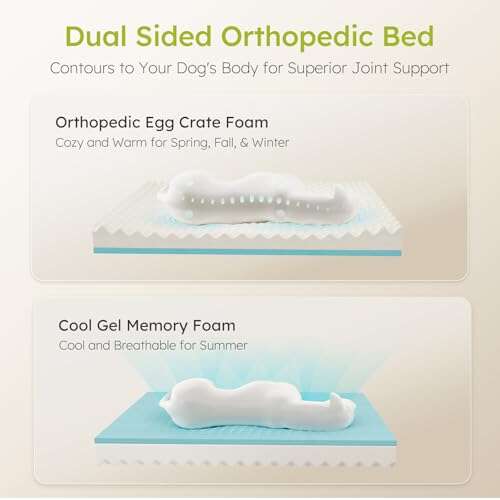
Memory foam beds
Memory foam can offer good pressure relief for older dogs and dogs with arthritis. High-density foam usually keeps its shape longer than thin, low-density foam.
A quality memory foam bed may last three to five years. It can last less time if the foam is too thin for your dog’s weight or if it stays damp.
Polyurethane foam beds
Polyurethane foam is common in many dog mattresses. Its lifespan varies widely by density and thickness.
Cheap foam may flatten quickly. Dense foam usually gives better support, but the product label may not always state the foam density. Look for a clear warranty and detailed material information.
Bolster beds
Bolster beds have raised sides that give dogs a place to rest their heads. They are popular with dogs that like to curl up or lean against something.
The walls may lose shape before the mattress does. If the bolster collapses, exposes sharp edges, or no longer supports your dog’s head, replacement may be necessary.
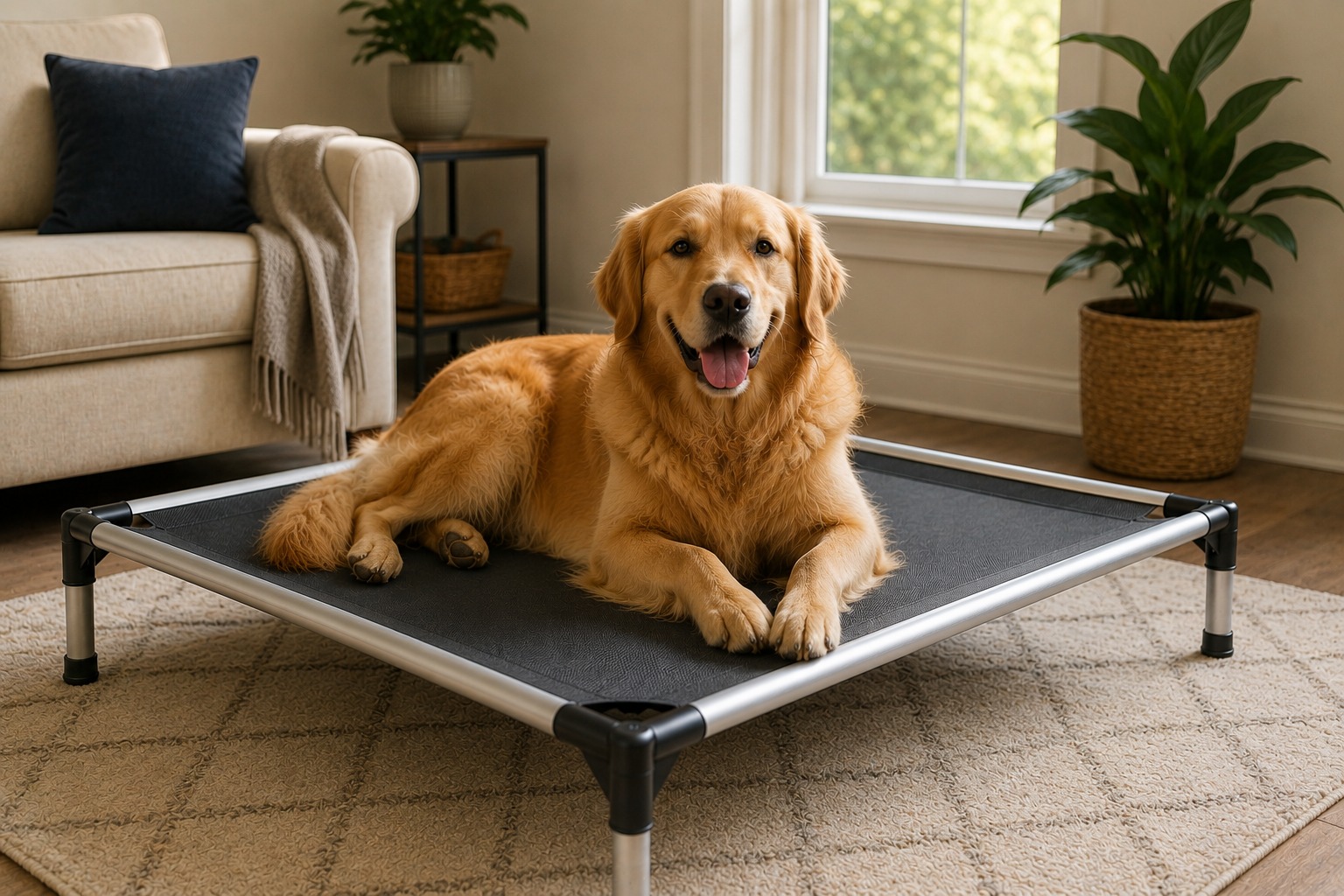
Elevated cot beds
Elevated beds use a fabric platform stretched over a frame. They allow air to move beneath the dog and can work well in warm climates or outdoor spaces.
A strong elevated bed may last three to seven years. Check the fabric, frame, fasteners, and feet. A loose platform can cause falls or pressure points.
Heated and cooling beds
Heated beds need extra care because cords, thermostats, and heating elements can fail. Stop using one if the cord is frayed, the control unit becomes hot, or the temperature seems uneven.
Cooling gel beds may last several years when the cover remains intact. A puncture can create a safety and cleaning problem, so inspect the surface often.
Signs Your Dog Bed Needs Replacement
The best way to judge how long do dog beds last is to inspect the bed instead of relying only on its age. A two-year-old bed may be unsafe, while a five-year-old bed may still be useful if it remains clean and supportive.
Replace the bed when you notice:
• A permanent dip that does not rise after several hours
• Exposed foam, loose filling, or torn fabric
• Broken zippers, sharp wires, or damaged fasteners
• A strong odor that remains after washing
• Mold, mildew, or repeated dampness
• A cover that no longer fits securely
• A frame that bends, cracks, or wobbles
• A heating cord that is worn or chewed
• Your dog avoiding the bed or struggling to get up after resting
Support matters more than appearance. A bed can look clean but still offer poor cushioning. Press the center with your hand. If it feels flat, lumpy, or nearly as hard as the floor, it may no longer protect your dog’s joints.
Watch your dog, too. If your dog keeps moving, changes position often, or chooses the floor instead, the bed may be uncomfortable. Of course, sudden changes in sleep or movement can also signal pain, so speak with a veterinarian when behavior changes quickly.

How to Make a Dog Bed Last Longer
Good care can add months or years to how long do dog beds last. It also helps the bed stay fresh and comfortable.
Use a washable cover
A removable cover is one of the best features to look for. Wash the cover often enough to remove dirt and oils, but follow the care instructions to prevent damage.
For many homes, washing every one to two weeks works well. Dogs with allergies, accidents, or outdoor habits may need more frequent cleaning.
Add a waterproof liner
Place a waterproof liner between the cover and foam. This protects the core from urine, drool, spilled water, and wet paws.
Choose a liner that fits smoothly. Loose plastic can bunch up and make noise or create an uncomfortable surface.
Rotate the bed
Turn or rotate the mattress every few weeks. This spreads pressure across the foam and can reduce one-sided sagging.
Rotation will not fix damaged foam, but it may help a good bed age more evenly.
Keep nails trimmed
Long nails can catch in fabric and create small tears. Regular nail care helps protect both the bed and your floors.
If your dog digs before lying down, offer a durable blanket or digging mat nearby. This gives the behavior a safer outlet.
Dry the bed fully
Never put a damp foam insert back into use. Press it with clean towels, place it in a well-ventilated area, and allow the inside to dry completely.
Avoid sealing damp foam in a plastic bag. Trapped moisture can create a musty smell and encourage mold growth.
Keep two beds in rotation
Two beds can last longer than one bed used nonstop. Use one while the other is being washed or aired out.
This also gives your dog a clean option after outdoor walks or accidents. I have found that rotating beds is especially helpful in homes with puppies or dogs that shed heavily.
Store it correctly
If you store a dog bed, clean and dry it first. Keep it in a breathable bag or covered container away from moisture, pests, and direct sunlight.
Do not compress foam for long periods unless the manufacturer allows it. Permanent compression can reduce its shape and support.

How to Choose a Long-Lasting Dog Bed
When shopping, focus on construction rather than a stylish appearance. The following features often improve how long do dog beds last.
• A removable, machine-washable cover
• Strong stitching around corners and zippers
• A waterproof inner liner
• Dense foam or durable, well-distributed filling
• A cover made from tightly woven fabric
• Replacement covers or inserts sold by the manufacturer
• A clear warranty
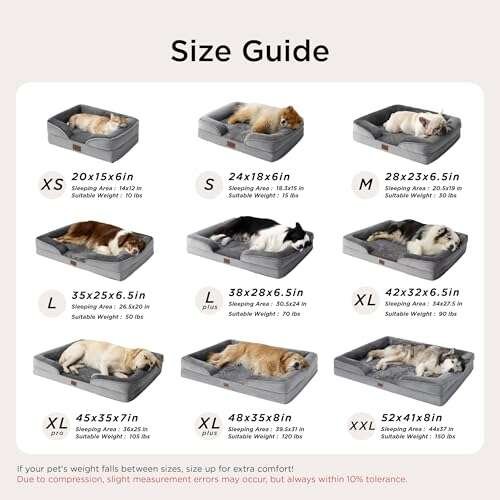
• A size that lets your dog stretch out fully
• A design that matches your dog’s habits
Avoid beds that feel thin, have weak seams, or provide no care instructions. Very low prices can be tempting, but replacing a poorly made bed several times may cost more than buying a durable one.
For a large or senior dog, support should be a priority. Look for a mattress thick enough to keep the dog’s hips and shoulders from pressing against the floor. A bed that is too soft may also make it harder for some older dogs to stand.
For a chewer, choose a simple, tough cot or a reinforced mattress only when the product is designed for that use. No dog bed is truly chew-proof. “Durable” means more resistant, not impossible to destroy.
For a puppy, consider a washable and replaceable bed. Puppies may have accidents, chew during teething, and outgrow their first bed quickly.
Cleaning a Dog Bed Safely
Cleaning affects both hygiene and lifespan. A careful routine can keep the bed usable without damaging its materials.
-
Read the care label before washing.
-
Remove hair with a vacuum or lint brush.
-
Treat stains with a pet-safe cleaner.
-
Wash the cover at the recommended temperature.
-
Clean foam only as directed.
-
Rinse well so no cleaner remains.
-
Dry every part completely before reassembly.
Do not use strong fragrances to cover odor. Dogs have a much stronger sense of smell than people, and scented products may irritate some pets.
Avoid mixing cleaning chemicals. Never combine bleach with ammonia or other cleaners because the fumes can be dangerous.
If the bed has mold, deep urine contamination, or a smell that remains after proper cleaning, replacement is usually safer. A new cover cannot always solve a contaminated foam core.

Dog Beds, Joint Health, and Comfort
A dog bed does more than provide a soft place to sleep. It can help reduce pressure on elbows, hips, and shoulders, especially when a dog spends many hours resting.
Older dogs may benefit from memory foam or another supportive material. Dogs with arthritis, hip dysplasia, or recent surgery may need a bed recommended by their veterinarian.
Comfort needs can change over time. A bed that worked for a young dog may not provide enough support after weight gain, injury, or aging.
Pay attention to these signs:
• Difficulty rising after sleep
• Stiffness after resting
• Reluctance to use stairs or jump
• Frequent shifting at night
• Licking joints
• A new preference for a hard floor or cool tile
A bed cannot treat an underlying medical condition. If your dog seems painful, schedule a veterinary exam rather than relying only on a softer mattress.
Cost Versus Lifespan: Is an Expensive Dog Bed Worth It?
An expensive dog bed is not always the best bed. Still, higher-quality materials and replaceable parts can offer better value over time.
For example, a $150 bed that lasts five years costs about $30 per year. A $40 bed replaced every year costs the same over that period, but it may provide less support and create more waste.
Consider the total cost:
• Purchase price
• Replacement covers
• Washing and care
• Warranty length
• Ease of repair
• Expected lifespan
• Your dog’s health and comfort needs
A premium bed may be worthwhile for a large, heavy, or senior dog. A simple washable bed may be more practical for a puppy that is still growing.
The key question is not only how long do dog beds last. Ask how well the bed performs during that time. A bed that remains clean, supportive, and safe offers better value than one that merely survives.
Common Mistakes That Shorten Dog Bed Life
Many bed problems begin with small mistakes. Avoiding them can improve comfort and reduce replacement costs.
Choosing the wrong size
A bed that is too small forces your dog to curl up. This can place extra pressure on one area and cause faster wear.
Measure your dog from nose to tail while fully stretched out. Add several inches so your dog can change position.
Ignoring the weight limit
A bed made for a small dog may flatten quickly under a larger dog. Check the manufacturer’s weight guidance before buying.
If the bed feels thin when your dog lies down, it may not offer enough support even when it is new.
Washing the foam incorrectly
Some foam inserts should not go into a washing machine. Agitation and heat can tear or deform them.
Clean foam according to the instructions. When uncertain, spot clean it and use a washable protective liner.
Leaving a damaged bed in use
A small tear can become a large tear. Loose stuffing can become a choking hazard, especially for puppies and dogs that chew.
Repair minor damage promptly, but replace the bed when the structure or safety is compromised.
Measuring lifespan by years alone
Age is only one clue. A heavily used bed may need replacement after one year, while a lightly used bed can remain safe for much longer.
Inspect the bed every few weeks. This simple habit gives a better answer to how long do dog beds last in your home.
Frequently Asked Questions About How Long Do Dog Beds Last
How often should I replace my dog’s bed?
Many dogs need a new bed every one to three years, but some beds last five years or more. Replace it sooner if it has lost support, smells after cleaning, or shows damage.
Do memory foam dog beds last longer?
Memory foam dog beds often last three to five years when the foam is dense and kept dry. Thin or low-quality foam may flatten much sooner.
Can washing a dog bed shorten its lifespan?
Yes, washing can shorten its lifespan if you use excessive heat, harsh chemicals, or the wrong cleaning method. Follow the care label and dry every part fully.
How do I know if my dog’s bed is worn out?
Look for permanent sagging, exposed foam, torn fabric, loose filling, strong odor, mold, or damaged hardware. Your dog avoiding the bed or struggling to rise can also suggest that it is no longer comfortable.
Are expensive dog beds worth the money?
They can be worth the cost when they use durable materials, provide proper support, and offer replaceable covers or a strong warranty. Price alone does not guarantee quality, so assess construction and care features.
How long do outdoor dog beds last?
Outdoor dog beds often last one to five years, depending on sunlight, rain, dirt, and material quality. Store the bed indoors during bad weather and inspect the frame and fabric often.
Can a dog bed last longer than five years?
Yes, a lightly used, well-made bed can last longer than five years. It should still be replaced if the foam has flattened, the cover is unsafe, or the bed no longer supports your dog.
Conclusion
Most dog beds last one to five years, but daily use, material quality, cleaning, moisture, and your dog’s habits make the biggest difference. Check the bed often for sagging, tears, odors, mold, and exposed filling.
Choose a bed that fits your dog, protect it with a washable cover and waterproof liner, and replace it when comfort or safety declines. A clean, supportive bed is a simple way to help your dog rest well and stay comfortable.
Inspect your dog’s bed this week, and share your experience or explore more practical pet-care guides for your companion.

Pet Care Writer & Researcher
Daniel writes practical guides on daily care, feeding, and safety, turning complex topics into simple, actionable advice.