How To Protect Dog Paws In Summer: 10 Vet-Approved Tips
Learn how to protect dog paws in summer with vet-approved hacks, heat-safety gear, and paw balm tips to prevent burns and keep walks safe all season.
Protect dog paws in summer with cool walks, booties, balm, shade, and checks.
If you’re searching for how to protect dog paws in summer, you’re already a step ahead. I’ve helped hundreds of dog owners adjust their warm-weather routines, and the same simple habits make the biggest difference: heat checks, smart timing, and the right gear. In this guide, I’ll show you exactly what to do, why it works, and how to avoid common mistakes, so your dog stays safe, happy, and ready for every sunny adventure.
Why summer paws need extra care
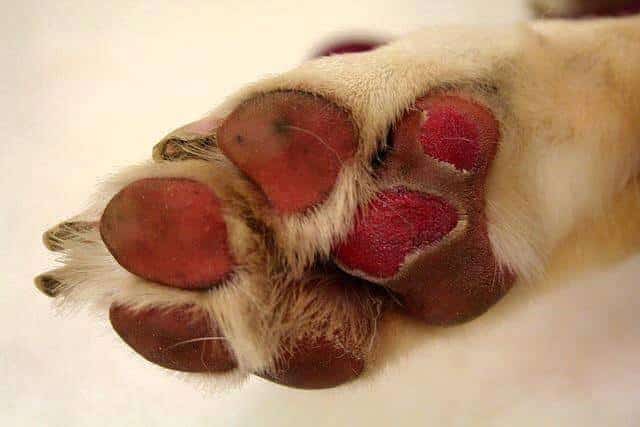
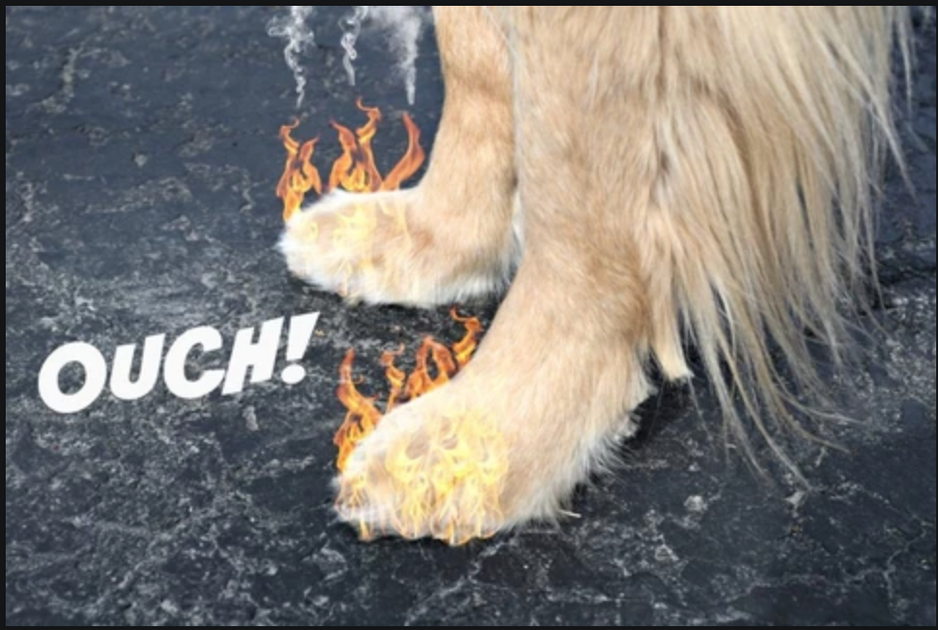
Paw pads look tough, but they burn fast. They are skin with fat for shock absorption. They conduct heat from hot ground into deeper tissue. On a mild day, pavement, sand, and turf can get dangerously hot.
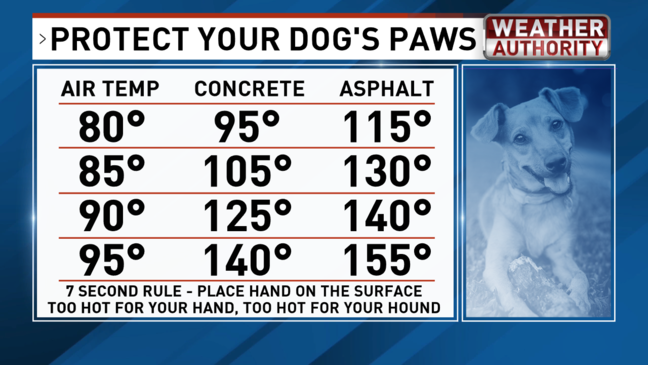
When air is about 77°F, sun-baked asphalt can reach well over 120°F. In hotter weather, it can pass 140°F. Synthetic turf and boat docks may run even hotter. These numbers explain why how to protect dog paws in summer matters more than many people realize.
Burns can be mild or severe. Signs include limping, licking, dark or pale pads, blisters, and a strong odor. Quick action helps, but prevention is the real win.

Quick tests to check surface heat
Use a fast test before each walk. Make it a habit. I do this in the parking lot and on the trail.
- Back-of-hand test. Press the back of your hand on the surface for 7 seconds. If it hurts or you pull away, it is too hot for paws.
- Barefoot test. If you would not stand there barefoot, your dog should not either.
- Shadow check. Short shadows mean strong sun and hot ground. Wait for longer shadows.
- Spot checks. Blacktop, metal grates, and dark stones heat fastest. Painted lines and grass are cooler.
- Infrared thermometer. A small IR gun gives you instant numbers. I carry one on long days.
These simple checks are the backbone of how to protect dog paws in summer. Use them every time you step outside.

Daily routine: timing, routes, and habits
If you want a single, powerful rule for how to protect dog paws in summer, this is it: shift your schedule.
- Walk at dawn and after sunset. Early and late walks keep paws safe. Aim for shade and light breezes.
- Pick cooler routes. Choose grass, dirt, shaded sidewalks, and tree-lined paths. Avoid dark pavement and open lots.
- Short midday breaks. If your dog must go out at noon, keep it short and stick to grass.
- Bring water for both of you. Hydration helps the whole body cope with heat.
- Check paws after each outing. Feel for heat, rough spots, or tender areas. Wipe off dust and salt.
I coach clients to set phone reminders. Routine beats willpower on hot days.
Protective gear: booties, balms, and breathable options
Gear is not a crutch. It is part of a smart plan for how to protect dog paws in summer. Pick what fits your dog and your terrain.
Booties
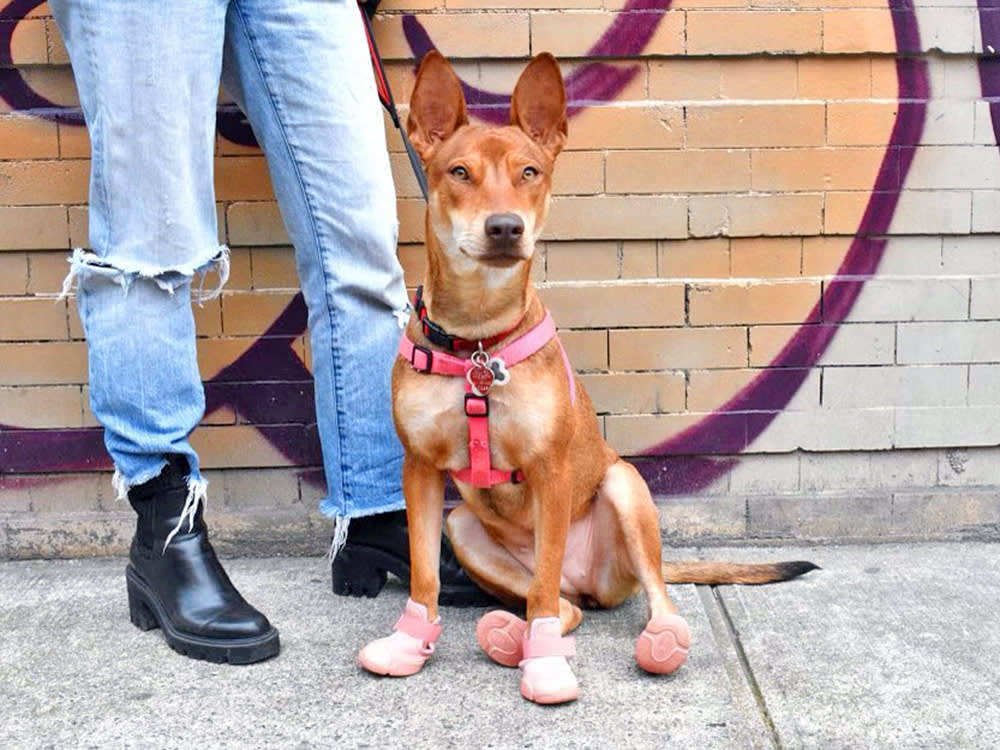
- Choose flexible soles with good grip. Soft rubber works well on pavement and rocks.
- Look for breathable uppers. Mesh keeps air moving and reduces sweat.
- Fit matters. Too tight rubs. Too loose twists or slips.
- Train at home. Start with short, fun sessions. Reward every step.
Paw balm
- Use plant waxes like beeswax with safe oils like shea or coconut. A thin layer can reduce friction and help moisture balance.
- Avoid products with tea tree oil, menthol, or strong essential oils. They can irritate skin or be toxic if licked.
- Do not rely on balm alone for hot pavement. It is not heat armor.
Light socks
- Dog socks with rubberized toes help on warm decks and indoor floors.
- They also prevent rub spots under boots during longer hikes.
Sunscreen note
- Sunscreen can help on the top of pale paws, but not on pads. Use a pet-safe, zinc-free product and ask your vet if unsure.
When I guide new hikers, we pack boots and balm. We use boots on hot rock and balm for longer days to cut friction. That combo works.
Safe conditioning for tougher pads
You can build pad resilience, but do it slow. This is a key tactic in how to protect dog paws in summer without overdoing it.
- Gradual exposure. Add five minutes per day on normal sidewalks in cool hours. Watch for tender spots.
- Mix surfaces. Rotate grass, dirt, and smooth pavement. Variety trains pads smarter than force.
- Trim fur between pads. Long fur mats and traps heat. Keep it neat, not shaved to the skin.
- Keep nails short. Long nails change foot strike and cause drag that scuffs pads.
Skip harsh chemicals and “toughening” hacks you see online. They can dry pads and cause cracks. Healthy skin is flexible, not brittle.
Hydration, nutrition, and skin health
Hydrated dogs have healthier skin, including paw pads. This quiet step supports how to protect dog paws in summer from the inside out.
- Fresh water always. Add a second bowl in summer. Try a pet fountain for picky drinkers.
- Wet food or water toppers. A splash of water in kibble adds fluid on hot days.
- Omega-3s. Fish oil can support skin health. Ask your vet for dose and brand advice.
- Weight check. Extra weight adds stress to feet. Summer is a good time to tighten portions.
I keep a collapsible bowl on my leash. It saves us all the time.
First aid for burns and blisters
Even with care, slips happen. Knowing first aid is part of how to protect dog paws in summer.
- Cool the area. Rinse paws with cool (not ice-cold) water for 10 to 15 minutes. Do not use ice.
- Cover and protect. Pat dry. Apply a non-stick, sterile pad. Wrap lightly. Keep your dog from licking.
- Call your vet. Burns get infected fast. Your vet may prescribe pain relief and antibiotics.
- Avoid human ointments with lidocaine or strong antiseptics. They can hurt or be toxic.
- Rest days. No runs or rough play until skin heals.
I once treated a dog after a surprise hot trail crossing. Cool rinse, soft wraps, and two quiet days made all the difference.
Home and yard safety
Your home setup can make or break summer comfort.
- Cool paths. Lay outdoor rugs on decks and patios. Hose pavement before potty breaks.
- Shade zones. Use shade cloth, umbrellas, or a pop-up tent. Move beds out of the sun.
- Turf checks. Fake grass runs very hot. Test it each day and add a rug path if needed.
- Paws-off areas. Block metal ramps, boat docks, and dark stone in peak sun.
- Fun coolers. A shallow kiddie pool or a damp towel gives fast relief.
These tweaks are simple and cheap. They pay off every single day.
Travel and adventure tips
Trips add heat risks you might not see at home. Planning is part of how to protect dog paws in summer when you explore.
- Beach days. Sand can scorch. Walk near the waterline. Use boots to cross open sand.
- City strolls. Stick to shaded sides of streets. Pop into parks for grass breaks.
- Hiking. Pack booties. Use them on sun-baked rock and talus. Take water breaks in shade.
- Car stops. Choose rest areas with trees. Test the parking lot before you step out.
My trail rule is simple: if the rock is hot to my hand, boots go on.
My field notes and common mistakes to avoid
After years of summer walks, classes, and hikes, a few patterns show up. These mistakes are easy to fix.
- Waiting too late for the morning walk. By 9 a.m., many surfaces are already hot. Go earlier.
- Trusting cloud cover. Thin clouds do not cool pavement much. Always test.
- Skipping fit checks on boots. Poor fit causes rub spots. Try them at home first.
- Overusing balm before runs. Thick layers can soften pads too much. Use a light coat.
- One big walk at noon. Split exercise into short, cool sessions instead.
These small shifts add up. They are the heart of how to protect dog paws in summer without giving up fun.
Frequently Asked Questions of how to protect dog paws in summer
How hot is too hot for dog paws?
If you cannot hold the back of your hand on the ground for 7 seconds, it is too hot. Many surfaces pass 120°F fast, which can burn paws in minutes.
Do dog booties really work in summer?
Yes, when they fit well and have flexible, grippy soles. They protect from heat, rough ground, and sharp debris.
Is paw balm enough to stop burns?
No. Balm helps with moisture and friction but does not block heat. Use timing, shade, and boots when needed.
Can I use human sunscreen on my dog’s paws?
Do not use human sunscreen on pads. For the top of the paw or light skin, use a pet-safe, zinc-free sunscreen as advised by your vet.
How often should I check my dog’s paws in summer?
Check after every walk. Look for redness, small cuts, pebbles, and any change in color or smell.
What surfaces are safest during hot days?
Grass, dirt trails, and shaded concrete are safer. Avoid dark asphalt, metal grates, synthetic turf, and open sand at midday.
Conclusion
Summer can be the best season for fresh air and new trails when you plan ahead. Test the ground, shift your walks, use the right gear, and keep a close eye on those hard-working paws. With these simple steps, you will prevent burns, avoid vet visits, and keep every outing fun.
Make today the day you set your cool-weather routine. Try one tip on your next walk, then layer in more. If you found this helpful, share it with a friend, subscribe for new guides, or drop a question in the comments so we can help your dog thrive all summer long.

Pet Care Writer & Researcher
Daniel writes practical guides on daily care, feeding, and safety, turning complex topics into simple, actionable advice.