How To Dog Proof Your Home: 2026 Room-By-Room Tips
Get expert tips on how to dog proof your home, prevent hazards, and protect your pup with quick fixes, room-by-room checklists, and budget-friendly upgrades.
Block access to hazards, secure rooms, train routines, and remove toxic items.
If you want a calm, safe home with a happy dog, you need a clear plan. I have helped many families learn how to dog proof your home. In this guide, I will show you what to fix and why it matters. You will see real tips, based on daily life, not theory. By the end, how to dog proof your home will feel simple, fast, and doable for any budget.
Start With a Room-By-Room Plan
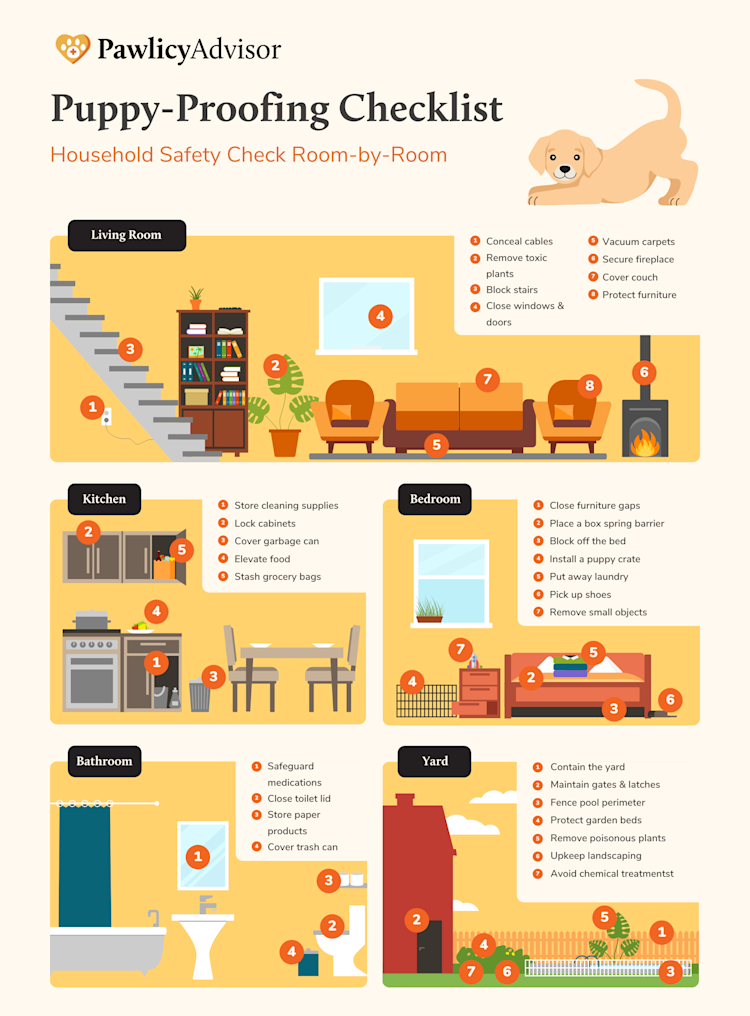
Walk your home like a curious dog would. Get down to your dog’s eye level. You will spot wires, trash, gaps, and small items you missed from above. Take notes by room. Work from the floor up, then check shelves and counters.
Make a short list for each area. Hit the big risks first. Keep tools close. You can fix a lot in one hour.
Use this quick flow to start:
- Pick one room.
- Remove chew targets on the floor.
- Secure food, meds, and trash.
- Block small gaps and risky zones.
- Add a safe chew or mat as a trade.
A room plan keeps you on track. It is the base for how to dog proof your home without stress.

Secure the Kitchen and Pantry
The kitchen is hazard central. Dogs can open low doors and tip bins. Food smells are strong. Many common foods are toxic, like grapes, raisins, xylitol gum, onions, and dark chocolate.
Do these steps now:
- Lock low cabinets with child latches.
- Use a lidded metal trash can or put trash behind a door.
- Store food and treats up high in sealed bins.
- Wipe floors and counters so crumbs do not tease your dog.
- Keep coffee pods, teas, and supplements off the counter.
I once worked with a beagle who learned to open a roll-out pantry in one day. A $10 latch ended weeks of raids. Details like this are the heart of how to dog proof your home.

Make the Living Room Safe
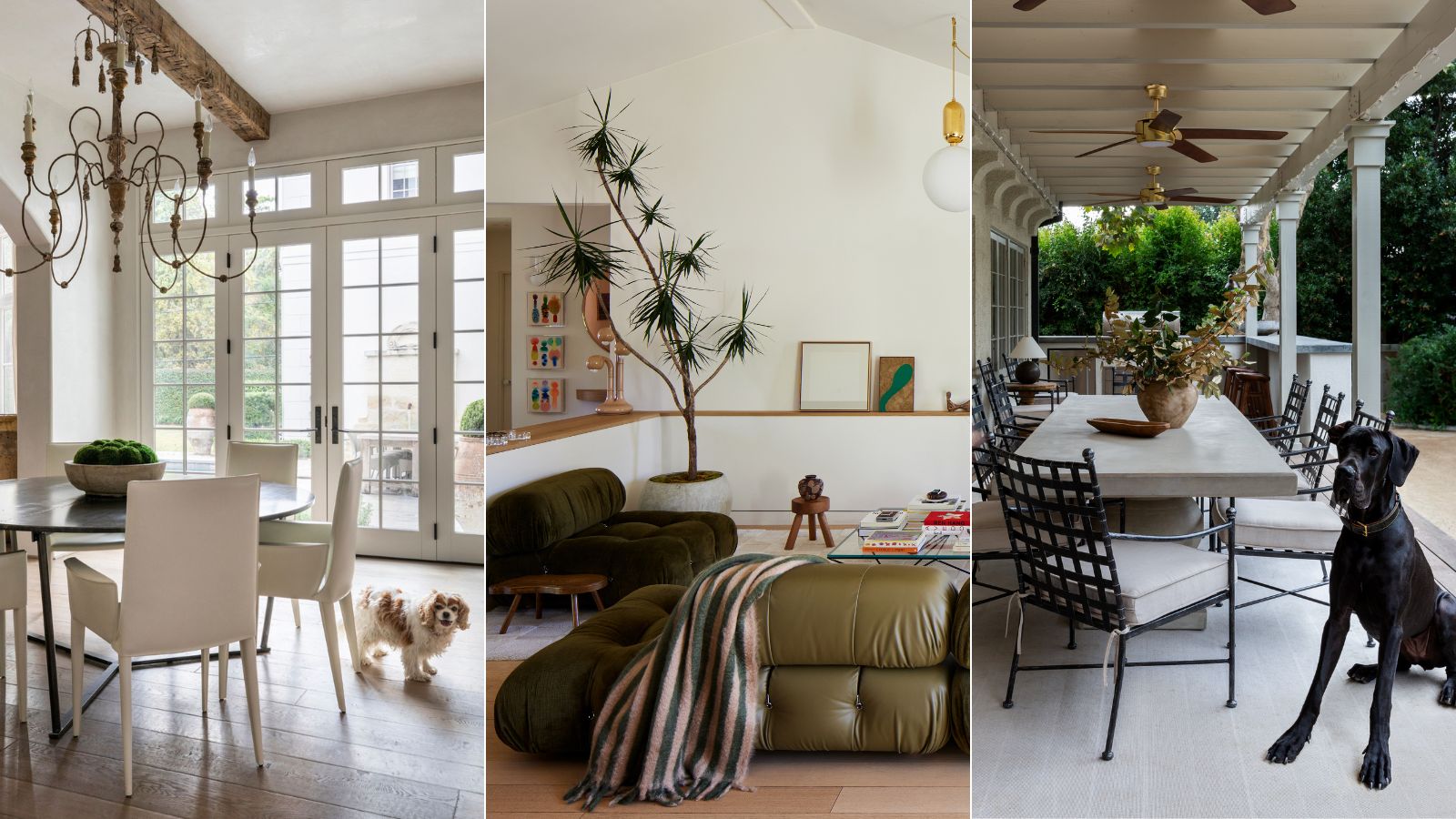
The living room holds remote batteries, candles, plants, and cords. Dogs can chew soft pillows or eat small parts. They also jump on guests at the door.
Simple fixes:
- Put remotes, batteries, and hearing aids in a drawer.
- Use cord covers and cable boxes to hide wires.
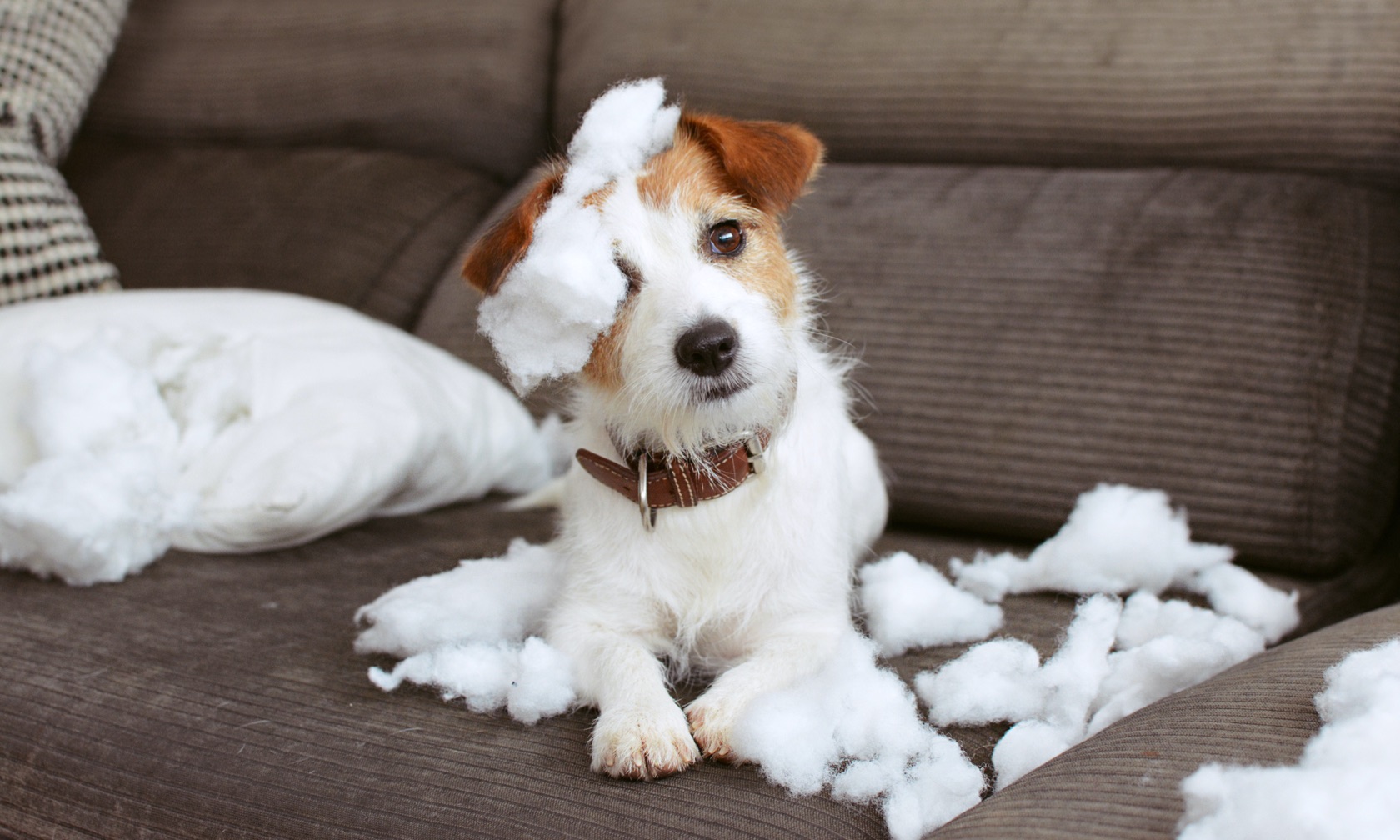
- Swap glass decor for soft items on low tables.
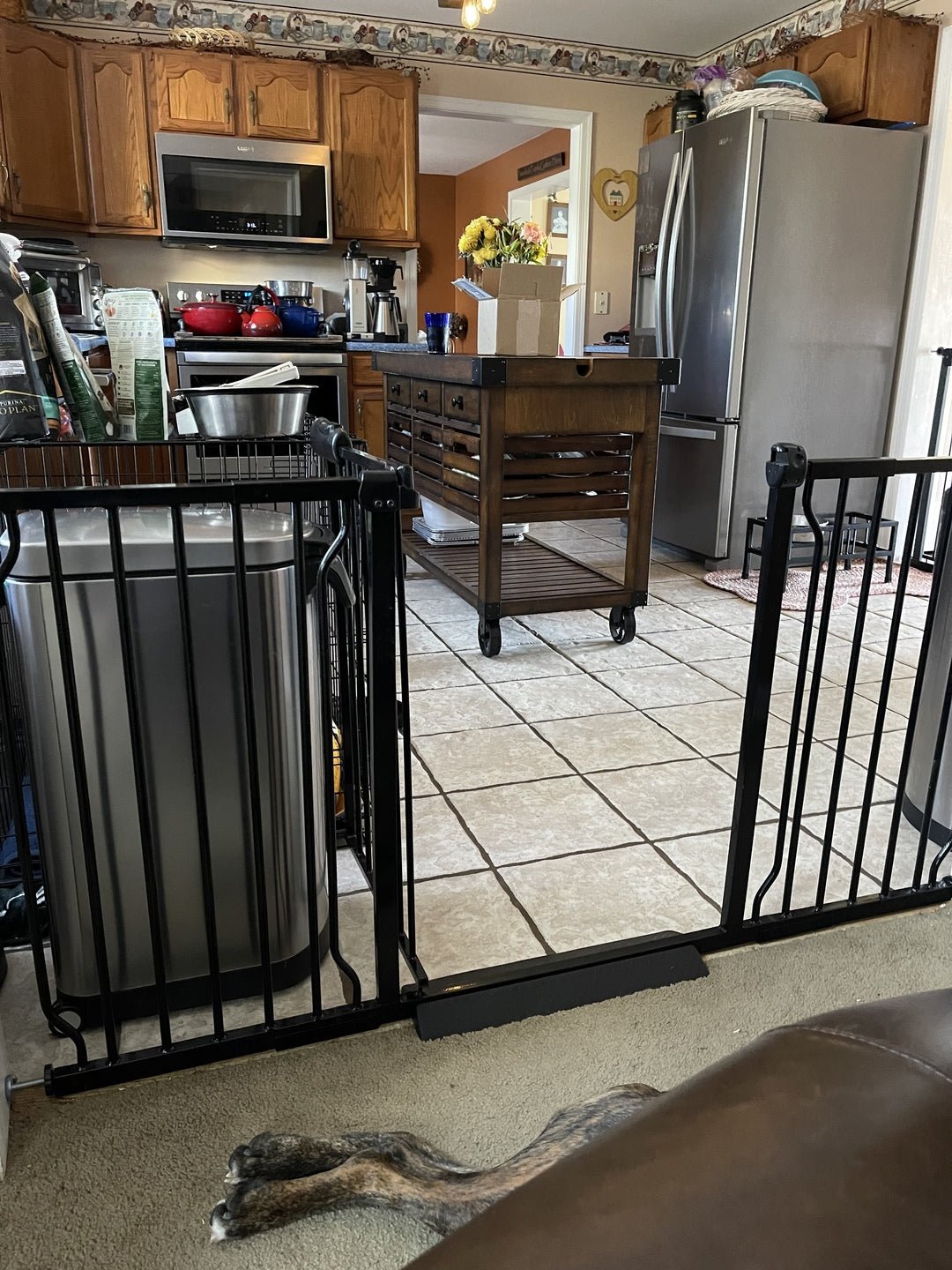
- Add a baby gate to limit door dashes.
- Offer a chew toy or stuffed Kong during movie time.
Your living room should invite calm. When you plan it well, how to dog proof your home becomes a daily habit, not a one-time task.
Bedroom and Bathroom Checkpoints
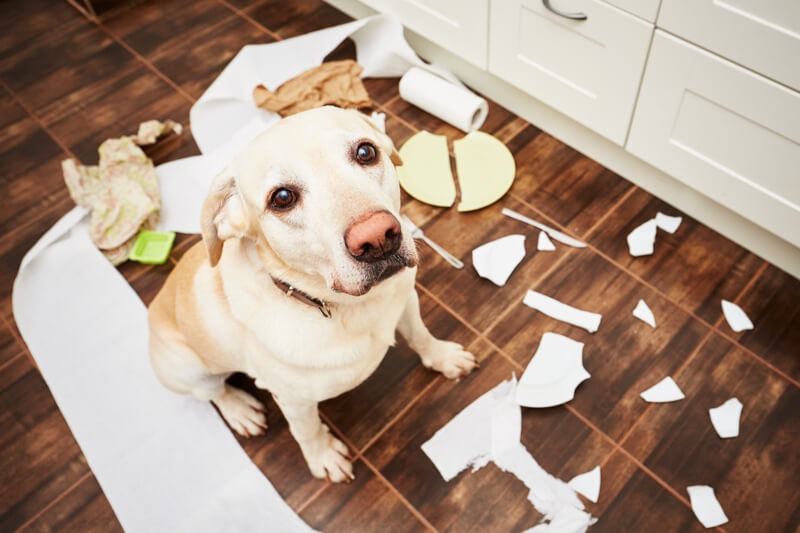
Socks, floss, hair ties, and pills are top risks here. Many ER visits start with a sock. I have seen it more times than I can count.
Do this checklist:
- Use a hamper with a lid. No loose socks.
- Keep nightstand meds in a latched box.
- Close toilet lids to stop drinking or drops.
- Store razors, floss, and lotions in closed drawers.
These small moves cut risk a lot. It is another core step in how to dog proof your home.
Cords, Outlets, and Tech
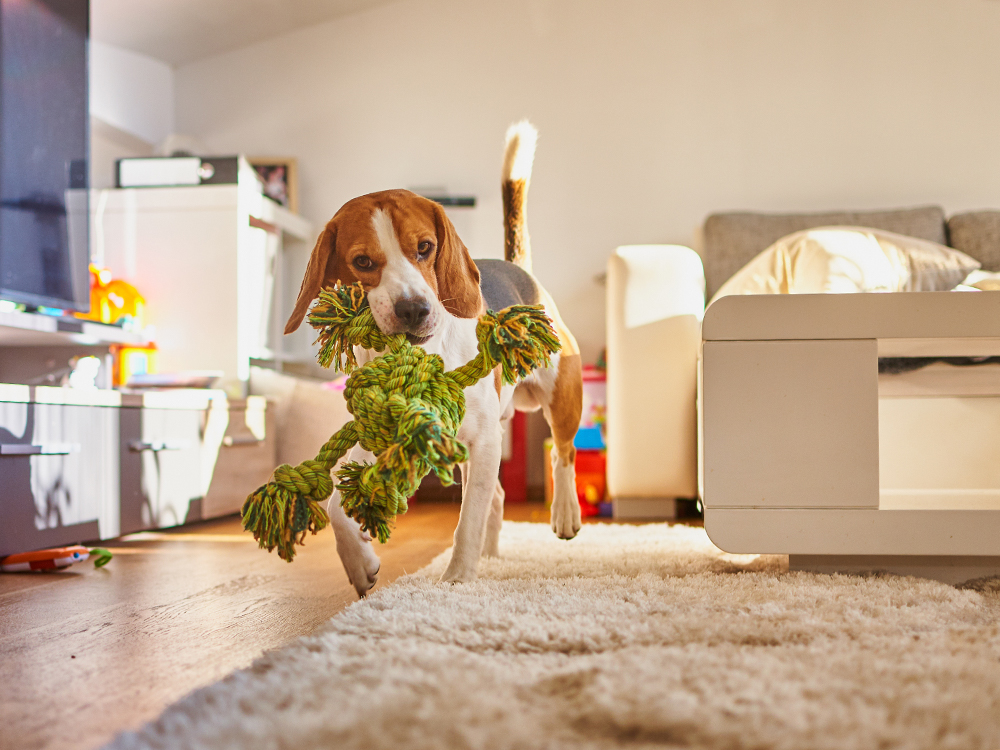
Cords look like chew ropes. Puppies and bored dogs will test them. A single bite can shock or burn a mouth.
Protect your dog and your gear:
- Use cord sleeves, PVC covers, or raceways along walls.
- Unplug and store chargers when not in use.
- Add outlet covers where plugs are within reach.
- Anchor power strips behind furniture.
Teach a “leave it” cue too. Safety tools plus training is the smart path for how to dog proof your home.
Plants, Toxins, and Meds
Many houseplants are not safe. Lilies, pothos, sago palm, aloe, and philodendron can harm dogs. So can rodent bait, ice-melt, and antifreeze. Human meds like ibuprofen and acetaminophen are also risky.
Safer choices:
- Check each plant before you buy. Pick dog-safe varieties like spider plants and palms.
- Store meds in latched boxes high up.
- Keep cleaners and detergents in closed cabinets.
- Use pet-safe ice melt and store car fluids off the floor.
I once swapped a client’s sago palm after a near-miss. That quick change is what how to dog proof your home is all about: simple, high impact wins.
Doors, Windows, and Stairs
Dogs can bolt through doors, push screens, or fall on slick stairs. These accidents happen fast.
Set layers of safety:
- Add baby gates at the top and bottom of stairs.
- Use window locks and sturdy screens.
- Place a mat by doors and teach a sit-stay before exit.
- Add a door alarm or bell so you hear opens.
These layers save you from close calls. They are key parts of how to dog proof your home for both puppies and seniors.
Furniture, Crates, and Zones
Zones help dogs relax. A crate or pen is not a jail. It is a safe den. It gives your dog a clear place to rest. It also saves your sofa from teeth.
Try this:
- Pick a crate big enough for stand, turn, and lie down.
- Add a chew and a safe bed rated for tough chewers.
- Use an exercise pen to block access while you cook or clean.
- Anchor tall shelves to the wall to prevent tip-overs.
Set zones teach calm and protect your space. This is a proven way for how to dog proof your home while you build good habits.
Yard and Garage Safety
The yard and garage hide big risks. Gaps in fences, tools, nails, fertilizers, and mushrooms all count.
Checklist for outside:
- Walk the fence line each week. Fix gaps and loose boards.
- Store tools and chemicals on high shelves with locks.
- Pick up fallen fruit and check for toxic plants.
- Cover pools and hot tubs. Add self-closing gates.
- Keep the garage floor clean of screws and leaks.
I helped a family whose lab cut a paw on a loose fence nail. A simple weekly walk would have saved a vet trip. Small habits are the base of how to dog proof your home, inside and out.
Training and Daily Habits That Protect Your Dog
Gear is great, but habits do the heavy lift. Training adds a safety net. It also makes life easy and fun.
Focus on these cues and routines:
- Leave it and drop it for food and objects.
- Place or mat to settle when guests arrive.
- Door manners with a sit and release word.
- Daily chew time with safe toys to reduce boredom.
- Short play and sniff walks to burn mental energy.
When training and management work together, how to dog proof your home becomes second nature.
Budget, Tools, and a 60-Minute Setup Plan
You do not need to spend much. Start with core items, then add more if needed.
Starter kit ideas:
- Child cabinet latches
- Metal trash can with lid
- Baby gates or exercise pen
- Cord covers and outlet caps
- Treat pouch and training treats
- Two tough chew toys and a lick mat
- Sealed food bins
Your 60-minute plan:
- Walk each room at dog level and list top three risks.
- Remove chew targets and stash small items.
- Install latches and gates.
- Hide cords and raise plants.
- Set up a crate or pen with a chew.
- Practice a five-minute leave it session.
This fast start gives you real gains. It is a friendly launch for how to dog proof your home without overwhelm.
Maintenance: Audit Checklist by Age and Season
Needs change. Puppies chew and explore. Adults test doors. Seniors slip and need ramps. Seasons add new risks like holiday decor or summer grills.
Run this audit each month:
- Swap worn chews and broken toys.
- Recheck latches, gates, and fence lines.
- Clear clutter from floors and nightstands.
- Review meds and cleaners for safe storage.
- Update training goals for current needs.
Do a deeper check for holidays and travel. This rhythm keeps how to dog proof your home strong over time.
Frequently Asked Questions of how to dog proof your home
What is the fastest way to start dog proofing?
Begin at floor level and remove anything that can fit in a mouth. Add gates, lock low cabinets, and set a safe chew area.
How do I dog proof if I rent and cannot drill walls?
Use tension gates, freestanding pens, and adhesive hooks. Cord sleeves, outlet covers, and lidded bins also work without damage.
Which common plants should I avoid?
Skip sago palm, lilies, pothos, dieffenbachia, and philodendron. Choose dog-safe options like spider plants, parlor palm, and herbs.
How can I stop counter surfing?
Remove food temptations and keep counters clear. Teach an off cue and reward four paws on the floor, then block access when you cannot watch.
What toys are safest for heavy chewers?
Pick size-appropriate, single-piece rubber toys from trusted brands. Check daily for cracks and replace at the first sign of wear.
How often should I review my setup?
Do a quick weekly walk-through and a monthly deep check. Update after any near-miss or change in your dog’s behavior.
Is a crate required to dog proof?
Not required, but very helpful for rest and safety. Use it as a calm zone with chews and never as punishment.
Conclusion
Dog proofing is not a one-time chore. It is a simple system you build and keep. You plan each room, add smart tools, and train small daily habits. That is how to dog proof your home and reduce stress for both of you.
Pick one room today and make three changes. Then keep going. If you want more tips on how to dog proof your home, subscribe for fresh guides, ask a question in the comments, or share what worked for you.

Pet Care Writer & Researcher
Daniel writes practical guides on daily care, feeding, and safety, turning complex topics into simple, actionable advice.