Do Maltipoo Bark A Lot: Causes And Quieting Tips
Do Maltipoo bark a lot? Learn why they bark, what triggers it, and practical training tips to help your dog stay calm and quiet.
Yes, Maltipoos can bark often, but training, exercise, and early socialization greatly affect how much they vocalize.
If you are asking, “do Maltipoo bark a lot,” the honest answer is that this small, bright dog can be quite vocal. Maltipoos blend Maltese and Poodle traits, so they may bark to alert you, seek attention, express excitement, or cope with boredom. The good news is that most barking can improve with patience, routine, and reward-based training.

Do Maltipoos Bark a Lot?
Do Maltipoos bark a lot compared with other small dogs? Often, yes. Maltipoos are alert companion dogs with sharp hearing and strong bonds with their families. They may notice sounds outside, movement in the hallway, or changes in your daily routine before you do.
Still, barking levels vary from dog to dog. One Maltipoo may be calm and quiet, while another may announce every delivery truck, bird, and neighbor. Genetics, age, health, training, daily activity, and home life all play a role.
Maltipoos are not usually known as silent dogs. However, frequent barking does not mean a Maltipoo is badly behaved. Barking is normal canine communication. The goal is not to stop every sound, but to teach your dog when quiet behavior is appropriate.
Common reasons a Maltipoo may bark include:
• Alerting you to people, animals, or sounds
• Asking for food, play, attention, or access
• Showing excitement during greetings
• Reacting to fear or unfamiliar situations
• Feeling bored or under-stimulated
• Experiencing separation stress
• Protecting a favorite person, toy, or space

Why Do Maltipoos Bark So Much?
To understand why Maltipoos bark so much, look at what happens before each barking episode. The trigger often gives you the answer.
For example, barking at the window may come from territorial behavior or excitement. Barking when you pick up your keys may point to separation anxiety. Barking during play may simply show high energy.
Alert barking
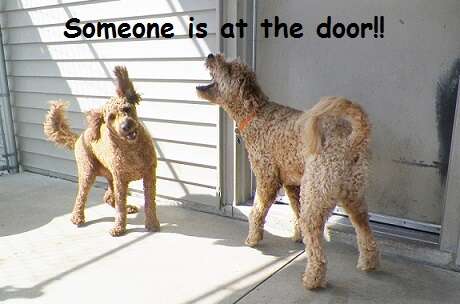
Many Maltipoos bark when they hear a knock, see a stranger, or notice a sound outside. Their small size does not reduce their awareness. In fact, some small dogs seem to act like full-time security guards.
This type of barking can be useful in moderation. The problem starts when your Maltipoo keeps barking after the trigger has passed or reacts to every minor sound.
Attention barking
Maltipoos are social dogs. They often want to be near their people and may bark when they feel ignored. If barking leads to petting, eye contact, food, or play, your dog may learn that barking works.
Even scolding can reward this behavior because your dog still receives attention. From a dog’s point of view, negative attention may feel better than no attention.
Boredom barking
A Maltipoo may bark when the day lacks movement, play, training, or mental challenges. These dogs are small, but they are not decorative pets. Both Maltese and Poodle lines can be bright and active.
A short walk alone may not meet your dog’s needs. Puzzle toys, sniffing games, short training sessions, and gentle indoor play can help reduce boredom.
Separation-related barking
Some Maltipoos bark when left alone. They may also whine, scratch doors, pace, drool, or have accidents. These signs can suggest separation distress rather than simple disobedience.
A dog with separation anxiety may become more upset when you leave for five minutes than when you leave for five hours. This issue often needs a gradual training plan, and severe cases may require help from a veterinarian or certified behavior professional.
Fear or stress barking
A Maltipoo may bark at large dogs, children, visitors, loud traffic, grooming tools, or unfamiliar places. Fear barking can grow worse if the dog is forced into situations that feel unsafe.
Watch your dog’s body language. A tucked tail, lowered body, lip licking, hiding, trembling, or pinned ears may signal fear. In these cases, comfort, distance, and gradual exposure work better than punishment.

Are Maltipoos Naturally Yappy?
The word “yappy” is often used for small dogs that bark frequently. Some Maltipoos may fit this description, but the label can hide the real cause.
Maltipoos are not born knowing when barking is helpful or unwanted. They learn from their environment. If barking causes a person to open the door, offer food, or pick up the dog, the habit can become stronger.
Their background also matters. Poodles are intelligent, alert, and responsive to sound. Maltese dogs are affectionate companion dogs that may become vocal when they want contact. A Maltipoo can inherit some of these traits in different combinations.
This does not mean every Maltipoo will bark a lot. It means owners should expect a dog that notices things and enjoys interaction. Early training can guide those traits in a better direction.
In my experience helping owners work through small-dog behavior problems, the biggest mistake is waiting until barking becomes a daily habit. Owners often laugh at the first few alert barks, then feel frustrated when the dog repeats them for months. Calm training from the start is much easier than trying to undo a long-standing pattern.

When Do Maltipoos Bark the Most?
Do Maltipoos bark a lot at certain times? Many owners notice patterns. Finding the pattern makes training much simpler.
Maltipoos may bark more:
• When someone knocks on the door
• When people walk past the home
• During greetings
• When they want food or play
• Before a walk
• When left alone
• During evening household activity
• Around other barking dogs
• When they hear sudden sounds
• When they are tired but unable to settle
Keep a simple barking log for three to five days. Write down the time, trigger, length of barking, and what happened afterward. You may discover that your dog mainly barks before meals or only when watching the front window.
This information helps you change the routine before barking begins. For example, you can give your dog a food puzzle before the usual delivery time or practice calm door greetings before guests arrive.
How to Stop a Maltipoo From Barking
You cannot train a dog by correcting the sound alone. You must address the reason behind it. The most effective plan combines management, teaching, exercise, and rewards.
1. Identify the trigger
Start by asking what your Maltipoo sees, hears, or wants. Look for patterns instead of reacting to each bark separately.
Common triggers include:
• Windows
• Doorbells
• Visitors
• Other pets
• Loneliness
• Hunger
• Excitement
• Lack of sleep
• Physical discomfort
2. Reduce unwanted triggers
Management prevents your dog from practicing the behavior. Close curtains, use a privacy film on lower windows, move furniture away from lookout points, or play soft background sound.
If hallway noise causes barking, keep your dog in a quieter room during busy periods. Management is not a failure. It gives your dog fewer chances to rehearse the habit while training is underway.
3. Teach a quiet cue
First, allow one or two alert barks. Then calmly say “quiet” in a neutral voice. Hold a small, tasty treat near your dog’s nose. When your Maltipoo pauses to sniff, mark the silence with praise and give the treat.
Repeat this in short sessions. Over time, wait for longer periods of quiet before rewarding. Do not shout the cue. A loud voice can sound like you are joining the barking.
4. Reward calm behavior
Notice your Maltipoo when the dog is quiet without being asked. Give a treat, gentle praise, or a toy during calm moments.
This teaches an important lesson: silence also gets results. Rewarding calm behavior throughout the day can be more useful than reacting only when barking starts.
5. Teach an alternative behavior
Ask your dog to do something that cannot happen at the same time as barking. “Go to your mat,” “sit,” or “touch” can work well.
For example, when a visitor arrives, send your Maltipoo to a mat and reward calm waiting. Practice first without guests. Then add mild distractions and increase the challenge slowly.
6. Meet daily needs
A Maltipoo usually benefits from a mix of physical activity and mental work. Depending on age, health, and size, daily needs may include:
• One or two gentle walks
• Short play sessions
• Sniffing time
• Basic obedience practice
• Food puzzles
• Safe chew items
• Quiet rest
Avoid exhausting a puppy with long walks or intense jumping. Puppies need sleep and gradual activity. Ask your veterinarian for advice if your dog has joint, heart, breathing, or weight concerns.
7. Avoid punishment
Shock collars, yelling, and harsh corrections may stop a sound for a moment, but they can increase fear and stress. A frightened dog may bark more, hide, or react aggressively.
Reward-based methods are recommended by major veterinary and animal behavior organizations because they teach the dog what to do instead. Clear rules and consistent rewards usually produce better long-term results.

Training Mistakes That Make Barking Worse
Many caring owners accidentally reinforce barking. This is common because barking is loud and stressful. People often respond quickly just to get peace.
Here are mistakes to avoid:
• Giving food while your Maltipoo is barking
• Opening the door during frantic barking
• Picking up the dog every time it reacts
• Repeating “quiet” without teaching the meaning
• Shouting from another room
• Using punishment after the barking has ended
• Expecting instant results
• Changing the rules from day to day
Consistency matters. If barking earns a treat on Monday but not Tuesday, your dog may bark harder and longer. This is similar to a slot machine: uncertain rewards can make a behavior very persistent.
One lesson I have seen repeatedly is that family agreement speeds up progress. Everyone in the home should use the same cue and reward calm behavior in the same way. Even young children can help by staying quiet and calling an adult when the dog begins to react.

How Long Does It Take to Reduce Maltipoo Barking?
The timeline depends on the cause, the dog’s age, the strength of the habit, and the consistency of training. A Maltipoo that barks occasionally at the door may improve within a few weeks.
Barking linked to fear or separation distress can take much longer. Progress may be uneven. Your dog may do well for several days and then bark again after a stressful event.
Track small improvements, such as:
• A shorter barking episode
• A faster response to the quiet cue
• More calm behavior near windows
• Less barking before meals
• A quicker recovery after hearing a sound
Do not expect silence in every situation. A realistic goal is a dog that can notice a trigger, respond briefly, and settle with guidance.

Do Maltipoo Puppies Bark More Than Adults?
Maltipoo puppies may bark often because they are learning about the world. They may bark when tired, hungry, lonely, excited, or unsure. Puppies also have limited control over their emotions.
A puppy needs a predictable routine that includes meals, naps, toilet breaks, play, and short training sessions. Overtired puppies can act like toddlers who missed a nap. They may become noisy, restless, and unable to settle.
Begin gentle socialization early. Introduce your puppy to safe people, sounds, surfaces, handling, and calm dogs. Keep each experience positive and brief. Forced exposure can create fear rather than confidence.
Adult Maltipoos may bark less once they mature, but learned habits can remain. Training is useful at any age.

Health Problems That Can Increase Barking
A sudden change in barking deserves attention. If a normally quiet Maltipoo begins barking more, pain or illness may be involved.
Possible causes include:
• Dental pain
• Ear problems
• Vision or hearing changes
• Skin irritation
• Digestive discomfort
• Joint pain
• Cognitive changes in older dogs
• Increased anxiety
Contact your veterinarian if barking changes quickly or appears with other signs. These signs may include reduced appetite, limping, shaking, panting, sleep changes, aggression, confusion, or unusual bathroom habits.
It is also wise to check hearing and vision as your dog ages. A dog that cannot see or hear well may bark because the environment feels less predictable.
Are Maltipoos Good Apartment Dogs?
Maltipoos can do well in apartments, but their small size does not guarantee quiet behavior. In a shared building, hallway sounds, elevators, neighbors, and outdoor traffic may create many barking triggers.
Apartment living works best when you provide:
• Daily walks and sniffing time
• Regular nap periods
• Training for hallway and door sounds
• Window management
• Enrichment toys
• A calm place to rest
• Fast cleanup after accidents
Before bringing home a Maltipoo, consider your building’s noise rules. A dog that receives enough attention and training may thrive in an apartment, while an isolated or bored dog may bark often.
When Should You Get Professional Help?
Seek professional guidance if barking is intense, sudden, dangerous, or linked to fear. A veterinarian should be the first step when health problems may be involved.
A qualified reward-based trainer or veterinary behaviorist can help with:
• Separation anxiety
• Fear of people or dogs
• Aggressive reactions
• Compulsive barking
• Barking that continues despite consistent training
Avoid trainers who promise instant results or rely mainly on pain and fear. Ask about their education, methods, and experience with anxiety-related behavior.
Professional help is not an admission that you failed. It is like hiring a tutor when a subject becomes difficult. Early support can protect your dog’s welfare and improve life for the entire household.
Frequently Asked Questions About Do Maltipoos Bark a Lot
Do Maltipoos bark more than other dogs?
Maltipoos may bark more than some quiet breeds, especially when they are bored, excited, or alert to sounds. However, training, socialization, health, and daily routine strongly affect each individual dog.
Are Maltipoos hard to train not to bark?
Maltipoos are often intelligent and eager to interact, which can help with training. They may also become distracted or persistent, so short sessions, clear cues, and rewards usually work best.
Why does my Maltipoo bark at nothing?
Your Maltipoo may hear or smell something you cannot detect. Sudden unexplained barking can also relate to fear, aging, hearing or vision changes, or pain, so contact your veterinarian if the behavior is new.
How do I stop my Maltipoo from barking at visitors?
Teach your dog to go to a mat and reward calm behavior before opening the door. Practice with low-level visits first, and avoid giving attention while your dog is barking intensely.
Do Maltipoos bark when left alone?
Some Maltipoos bark when alone because they are bored or distressed by separation. Gradual alone-time training, enrichment, and veterinary or behavioral support can help, especially if your dog shows panic signs.
Will a Maltipoo puppy grow out of barking?
Some puppy barking decreases with maturity, sleep, socialization, and training. A puppy that repeatedly practices barking may keep the habit into adulthood, so gentle training should begin early.
Conclusion
Do Maltipoos bark a lot? They can, but frequent barking is not inevitable. Most barking has a cause, such as alerting, attention seeking, boredom, fear, excitement, or separation stress.
Start by finding the trigger. Then reduce access to that trigger, reward quiet behavior, teach an alternative action, and provide enough exercise and mental activity. Avoid yelling and harsh tools, and seek professional help when barking is sudden, severe, or connected to anxiety.
With steady practice, your Maltipoo can learn that being calm is rewarding. Use these steps today, track small changes, and explore trusted training or veterinary resources for continued support.

Pet Care Writer & Researcher
Daniel writes practical guides on daily care, feeding, and safety, turning complex topics into simple, actionable advice.