How To Stop Dog Barking At TV: Proven Tips That Work
Learn how to stop dog barking at tv with simple training tips, calming strategies, and expert advice for a quieter, happier home.
Turn down the TV, block scary images, and reward quiet behavior to stop your dog barking at the screen.
If your dog barks at animals, people, cars, or sudden sounds on television, you are not alone. Many dogs treat the TV like a real window because their sight, hearing, and hunting instincts respond to movement and noise. Learning how to stop dog barking at TV takes patience, but the right training plan can make movie night calm again.
Why Dogs Bark at the TV
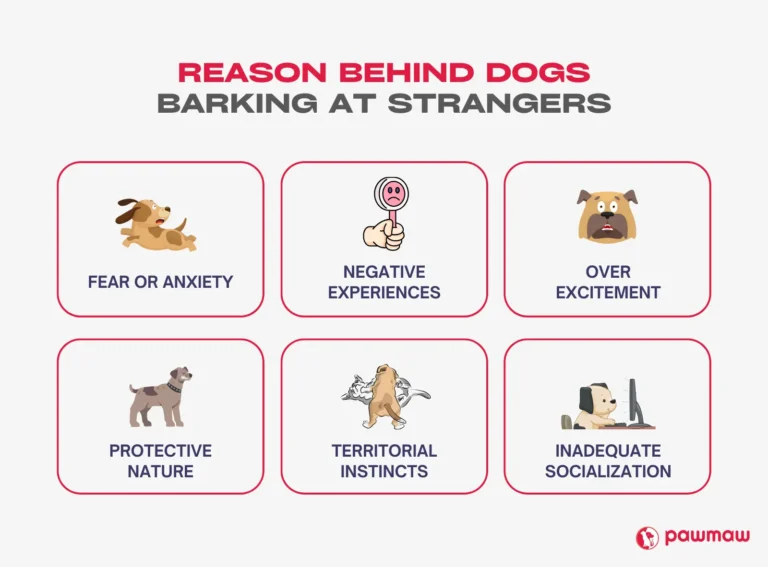
Dogs may bark at the TV for several different reasons. Understanding the cause helps you choose the right solution. A dog that barks at a barking dog on screen may need a different plan than a dog that reacts to every fast movement.
Common reasons include:
• Motion: Fast-moving animals, sports, cars, or people can trigger your dog’s chase response.
• Sound: Doorbells, animal noises, children crying, and loud music may feel real to your dog.
• Confusion: Some dogs do not understand that the people and animals on the screen are not inside the room.
• Excitement: The TV can act like a source of endless stimulation.
• Fear: Sudden sounds, dark scenes, or large animals may make a nervous dog feel unsafe.
• Attention seeking: If barking makes you look at your dog, talk to him, or touch him, he may repeat it.
• Herding or hunting instincts: Some breeds are more likely to react to movement on a screen.
Dogs see television differently from people. Modern screens often look smoother to dogs than older screens, but this does not mean every dog sees the image in the same way. Their response also depends on past experience, age, temperament, and hearing.
A useful first step is to keep a simple record. Note what appears on the screen, how loud it is, how close your dog sits, and what happens before the barking starts. This turns a vague problem into a clear pattern.

Prepare Your Dog and Your Home
Before you train your dog, make the TV environment easier to manage. Training works best when your dog is calm enough to think. A dog that is already barking, lunging, or running at the screen is often too excited to learn.
Try these changes:
• Lower the TV volume.
• Move your dog farther from the screen.
• Close curtains if outdoor movement also causes barking.
• Give your dog a bed or mat away from the TV.
• Use a fan or soft background sound to reduce sudden noise.
• Keep treats within reach before starting a show.
• Choose calm programs instead of action scenes during early practice.
Exercise can also help. A short sniff walk before television time may reduce restless energy. Mental work, such as a food puzzle or simple obedience practice, can help your dog settle.
Do not force your dog to sit close to the TV. Distance is a useful training tool. If your dog reacts from six feet away, start at twelve feet and slowly work closer over time.
Your goal is not to punish the reaction. Your goal is to keep your dog below the point where the reaction takes over. Think of excitement like water in a glass. Once the glass overflows, learning becomes much harder.
How to Stop Dog Barking at TV Step by Step
The most reliable method combines management, gradual exposure, and rewards. This approach is often called desensitization and counterconditioning. It teaches your dog that TV sounds and images predict good things instead of danger or excitement.
1. Find your dog’s calm distance
Turn on the TV with a quiet, low-motion program. Watch your dog closely. Find the distance where your dog notices the screen but does not bark.
This may be across the room or even in another room at first. That is fine. Start where your dog can succeed.
2. Reward quiet attention
The moment your dog looks at the TV and stays quiet, give a small treat. You can also praise softly or offer a favorite toy.
Keep your voice calm. High-pitched praise may increase excitement. The reward should arrive while your dog is still quiet, not after barking stops several seconds later.
3. Teach a replacement behavior
A replacement behavior gives your dog something useful to do. Good choices include:
• Looking at you
• Touching your hand with the nose
• Lying on a mat
• Chewing a toy
• Going to a bed
Practice the behavior away from the TV first. When your dog can perform it easily, use it during calm television scenes.
4. Add mild movement
Show a short clip with a small amount of movement. Keep the volume low. Reward calm behavior right away.
If your dog barks, the exercise is too hard. Pause the clip, increase the distance, lower the volume, or choose a less exciting video. This is not failure. It is useful information about your dog’s limit.
5. Increase difficulty slowly
Change only one factor at a time. You might first increase the volume, then add faster movement on another day. Avoid changing the distance, sound, and type of scene all at once.
Short sessions work best. Practice for two to five minutes, then stop while your dog is doing well. Several small sessions each week are often more effective than one long session.
6. Add a quiet cue
Once your dog often settles, you can introduce a cue such as “quiet” or “settle.” Say it once in a calm voice when your dog pauses, then reward the silence.
Avoid repeating the cue again and again. If “quiet, quiet, quiet” becomes part of the barking routine, it may add more noise instead of teaching calm behavior.
7. Practice with real programs
After your dog succeeds with short training clips, practice during normal TV viewing. Keep treats nearby and reward calm moments from time to time.
You do not need to reward every quiet second forever. Over time, move from treats to praise, toys, or access to a comfortable resting spot. This gradual change helps the behavior last.
The key to learning how to stop dog barking at TV is consistency. Your dog may improve quickly with one type of scene and struggle with another. Treat each trigger as a separate lesson.
What to Do When Your Dog Barks
Even with good training, your dog may bark sometimes. Your response matters. Stay calm and avoid turning the moment into a contest.
Use this simple plan:
-
Pause or mute the TV.
-
Call your dog away from the screen in a calm voice.
-
Guide your dog to a mat or another room if needed.
-
Wait for calm behavior.
-
Restart with less sound, more distance, or an easier scene.
Do not shout. To your dog, yelling can sound like you are barking along. It may also increase fear or excitement.
Avoid dragging your dog toward the screen to “show” that nothing is there. This can make the TV seem more threatening. Never use shock, spray, or other fear-based tools for this problem. Veterinary behavior experts generally favor reward-based training because it supports learning without adding fear or stress.
If your dog runs at the TV, protect the screen and your dog. Use a baby gate, leash, or furniture arrangement during training. A leash should be supervised and should never be used to leave a dog trapped or unattended.