How To Keep Dog Safe When Home Alone: Vet-Approved Tips
Expert tips, gear, and routines to prevent anxiety and risks. Learn how to keep dog safe when home alone and feel confident every time you step out.
Create a safe zone, remove hazards, enrich their day, and monitor remotely.
You want how to keep dog safe when home alone, and I respect that. I have helped many families build calm, safe routines that work. I will show you clear steps, expert tips, and real fixes that last. Stick with me. You will learn how to keep dog safe when home alone with simple tools you can use today.

Understand Your Dog’s Needs First
Every dog is different. Age, breed, health, and past stress all matter. Puppies need short breaks and soft chews. Seniors need comfort and more potty trips.
Watch for signs of stress. Look for pacing, barking, drool, or house soiling. A camera helps. If you ask how to keep dog safe when home alone, start by matching the plan to your dog’s age, energy, and limits.

Set Up a Safe Zone They Love
Pick one room or a sturdy pen. Use a crate only if it is well trained and the dog relaxes in it. Add a comfy bed. Keep the space cool, quiet, and well lit.
Dog-proof that zone. Hide cords. Put remotes and socks in drawers. Remove toxic plants and trash. Keep meds and cleaners locked up. Secure windows and fix loose screens.
I use baby gates and an exercise pen for most dogs. It gives room to move but keeps risk low. This is a core step in how to keep dog safe when home alone because it limits hazards without adding stress.

Build a Solid Pre-Leave Routine
A calm start leads to a calm day. A good routine is simple and repeatable. It makes the day feel safe and normal.
Try this flow:
- Exercise. Give a brisk walk or play session for 15 to 30 minutes.
- Potty. Offer a chance to go right before you leave.
- Food timing. Feed at least 30 minutes before you go to reduce gulping.
- Enrichment. Set out one safe chew or a puzzle toy.
- Quiet exit. No big hugs at the door. Keep it low key.
I coach clients to practice short exits first. Add time in small steps. This gentle plan is a proven part of how to keep dog safe when home alone without drama.

Enrichment That Works While You’re Out
Bored dogs make risky choices. Enrichment keeps the brain busy and the body calm. It also builds confidence.
Use safe, durable options:
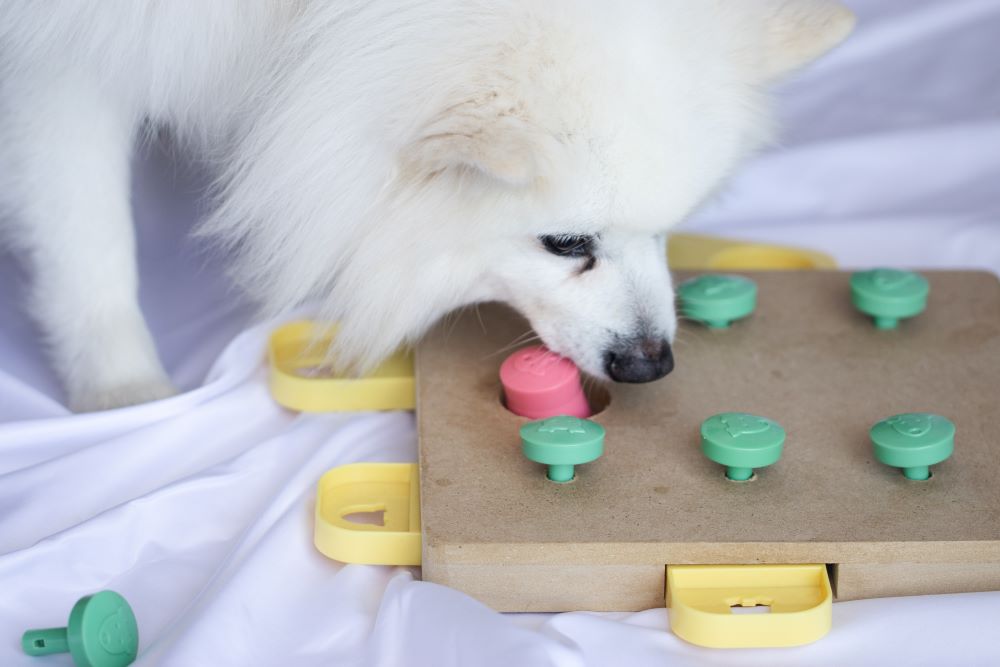
- Food puzzles. Use puzzle bowls, snuffle mats, or treat balls sized for your dog.
- Stuffed toys. Freeze a Kong with wet food, pumpkin, or yogurt. Rotate flavors.
- Lick mats. Spread with banana or xylitol-free peanut butter and freeze.
- Chews. Choose vet-safe chews. Avoid items that splinter. Size matters.
Music can help. Try calm playlists or talk radio at low volume. Studies show scent, sound, and food puzzles can ease stress. Add one at a time and watch your dog. Many readers ask how to keep dog safe when home alone. Good enrichment is a key answer.
Water, Feeding, and Chew Safety
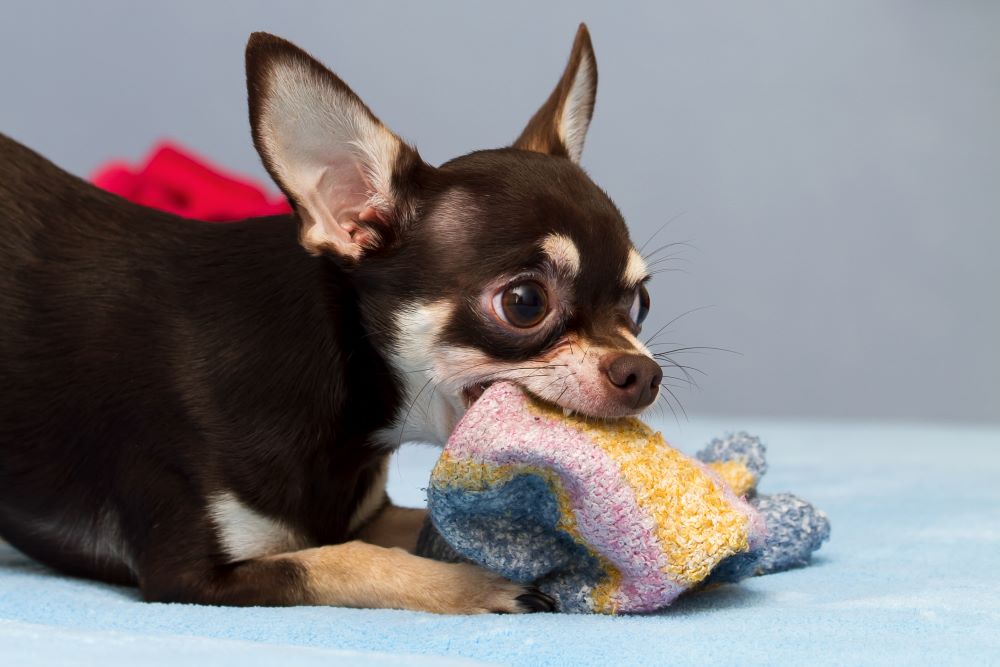
Fresh water is a must. Use a heavy bowl or a non-spill bowl. Place it away from beds and cords. Clean bowls daily.
Use a slow feeder for fast eaters. This helps reduce gulping. For large, deep-chested breeds, split meals and avoid hard play right after eating. Pick chews that match jaw power and size. If you ask how to keep dog safe when home alone, safe water access and smart feeding are simple wins.
:max_bytes(150000):strip_icc()/Parents-WhatAgeKidsCanStayHomeAlone-14e1546d4bbd4b2598e776ca65ee003c.jpg)
Use Tech to Watch and Protect
A basic camera is gold. Pick one with two-way audio and motion alerts. Check in a few times a day. Keep alerts sensible, not nonstop.
Smart tools that help:
- Pet cameras. Place at chest height and cover the safe zone.
- Smart plugs. Control fans or lights on a schedule.
- Smoke and CO alarms. Link them to your phone.
- GPS collars. Use for escape-prone dogs, but fix the fence first.
Avoid unsupervised pet doors. Wildlife, theft, heat, and fights can happen outside. A camera and alerts are a strong part of how to keep dog safe when home alone because they let you act fast.
Train Calm Independence and Prevent Anxiety
Calm alone time is a skill. Train it like sit and stay. Keep steps small and kind.
Try this plan:
- Door drills. Pick up keys, put on shoes, then sit down. Repeat. Make those cues boring.
- Place training. Teach your dog to relax on a mat. Reward quiet breaths.
- Short absences. Leave for 1, 3, 5 minutes. Vary times. Come back before stress grows.
- Build up. Add longer blocks only when the last step is easy.
Red flags include nonstop barking, howling, drooling, escape attempts, or self harm. If you see these, talk to your vet and a certified behavior pro. Medicine and a plan can help. As you learn how to keep dog safe when home alone, know that training plus health checks beat quick fixes.
Adjust for Puppies, Seniors, and Special Needs
Puppies need more breaks. Use a pen, not the whole house. Give two to four short chews. Aim for short alone times at first. Plan a midday visit.
Seniors need warmth, soft beds, and meds on time. Add rugs over slick floors. Plan more potty trips. Watch for pain or confusion. Keep nights quiet.
Flat-faced dogs need cool air and low stress. Escape artists need double latches and no climb points. In multi-dog homes, separate dogs if there is any resource guarding. For each case, tailor how to keep dog safe when home alone to the dog you have, not the dog you wish you had.
Plan for Emergencies Before They Happen
Make an ICE plan. Put a card on the fridge with your vet, a backup caretaker, and your dog’s notes. Share a spare key with a neighbor you trust.
Do these steps:
- ID. Keep tags current. Microchip and update info.
- Fire safety. Unplug risky devices. Keep counters clear. Use cord covers.
- Weather plan. Set HVAC to a safe range. Test backup power if you have it.
- Lock doors and windows. Secure gates and fences.
- First-aid kit. Stock bandage, saline, tweezers, and vet wrap.
This plan is vital in how to keep dog safe when home alone. It turns a bad day into a safe outcome.
A Simple Home-Alone Safety Checklist
Use this list each time you go:
- Walk or play for 15 to 30 minutes.
- Offer water and a potty break.
- Feed 30 minutes before leaving.
- Set up one safe puzzle or chew.
- Close doors to risky rooms.
- Pick up cords, socks, and trash.
- Place heavy, clean water bowl in safe zone.
- Turn on a camera and check the angle.
- Set sound at low volume if it helps your dog.
- Check HVAC and windows.
- Leave calmly. Do not hype the goodbye.
- Check in by camera and adjust as needed.
Print this checklist. It locks in how to keep dog safe when home alone as a habit, not a guess.
Frequently Asked Questions of how to keep dog safe when home alone
How long can most dogs stay home alone?
Many adult dogs can stay alone for four to six hours. Puppies and seniors need more breaks and human help.
Is it better to crate or use a pen?
Use what your dog relaxes in. A pen gives space and can feel safer for dogs not fully crate trained.
What toys are safe to leave?
Use sturdy, size-appropriate puzzle toys and vet-safe chews. Avoid items that splinter or are small enough to swallow.
Does music or TV really help?
For some dogs, yes. Low, steady sound can mask outside noise and reduce arousal.
What if my dog barks the whole time?
Start a gradual training plan and use a camera. If barking is severe or nonstop, talk to your vet and a certified behavior pro.
Should I let my dog use a doggy door?
It is risky without supervision. Threats include wildlife, theft, fights, heat, and escape.
How do I stop door-dash escapes?
Use double barriers like baby gates and teach wait at doors. Keep ID tags on at all times.
Conclusion
Safety at home starts with a plan, not luck. Dog-proof one zone. Give smart enrichment. Use tech to check in. Train calm alone time in small steps. Line up a backup person and a simple checklist. You now know how to keep dog safe when home alone and how to make that routine easy to repeat.
Try one upgrade today. Set a safe zone, add one puzzle toy, and do a calm exit. Want more support? Subscribe for weekly tips, print the checklist, and share your wins in the comments.
Pet Care Writer & Researcher
Daniel writes practical guides on daily care, feeding, and safety, turning complex topics into simple, actionable advice.