
How To Stop Dog From Destroying House: Proven Tips 2026
Stop chaos fast with training, enrichment, and fixes. Learn how to stop dog from destroying house and create calm routines that protect your space today.
Stop chaos with exercise, management, and training. Learn how to stop dog from destroying house.
You want straight answers, not fluff. I’ve helped hundreds of families fix chewed sofas, torn rugs, and scratched doors. In this guide, I’ll show you how to stop dog from destroying house with a clear plan that blends real-life training, science-backed steps, and simple daily habits anyone can follow.

Why Your Dog Is Destroying Stuff (And What It Means)
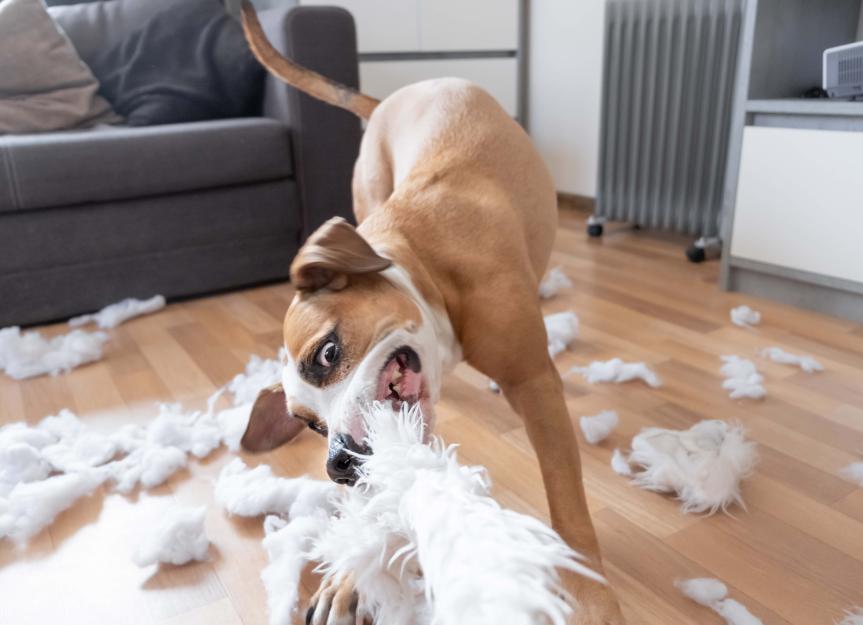
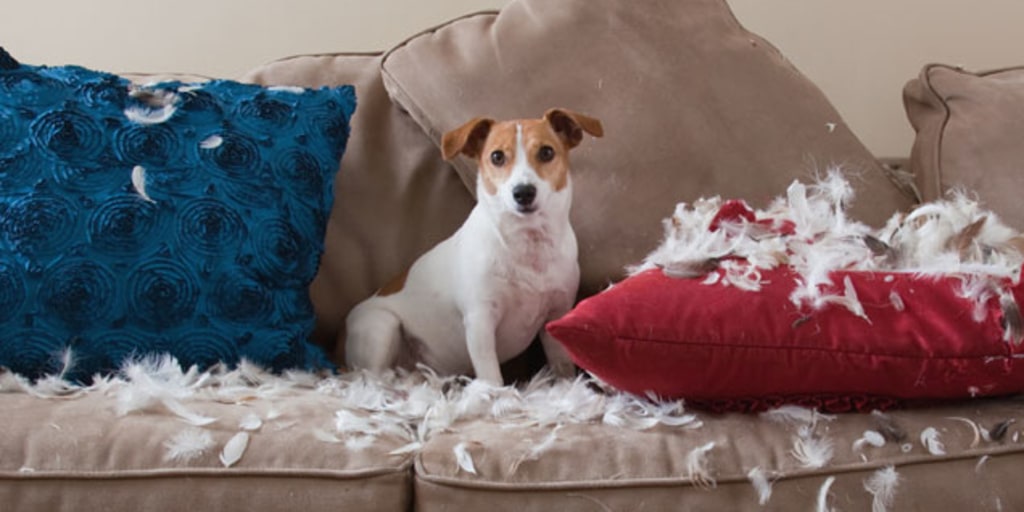
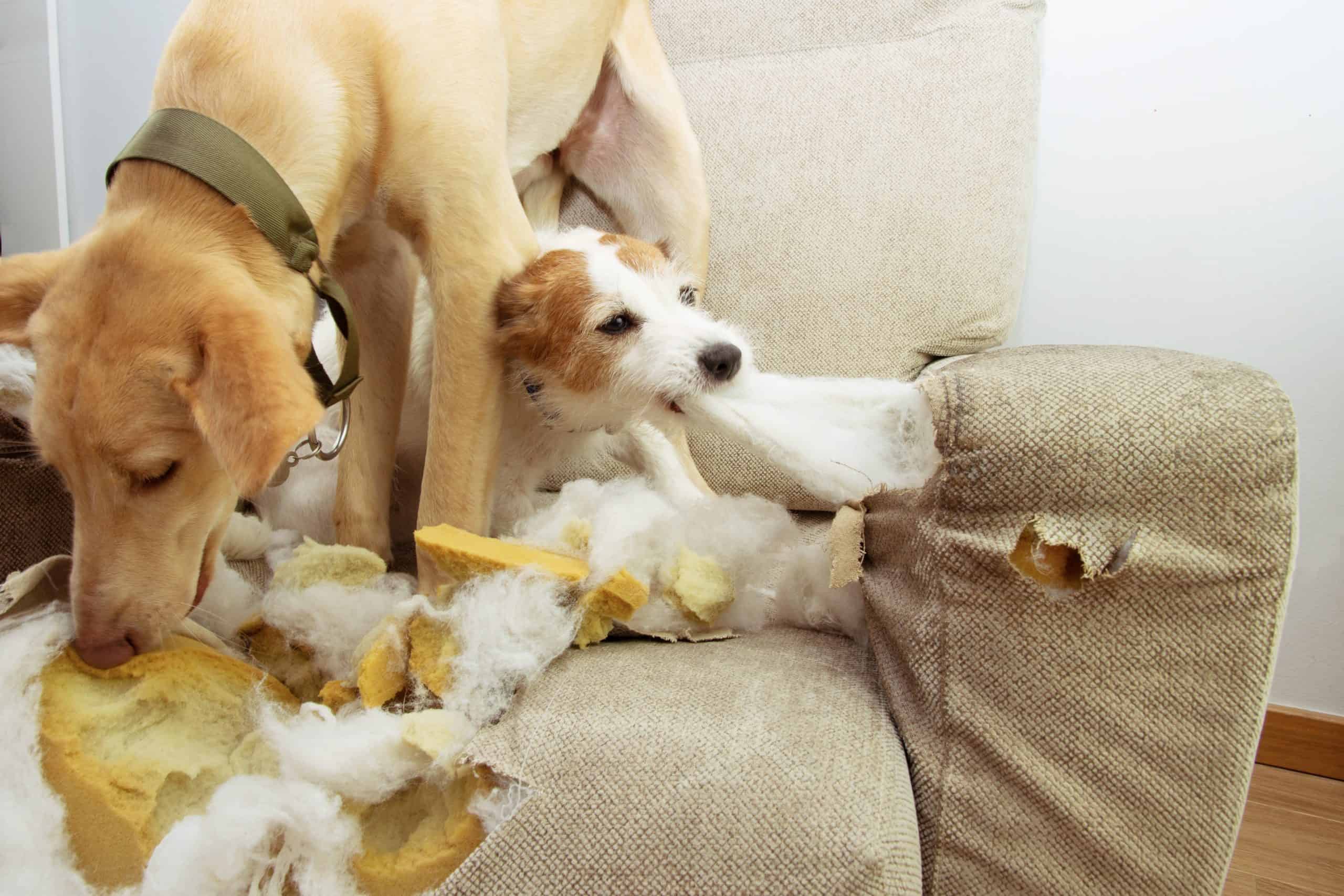
Destruction is a symptom, not the problem. It often means boredom, stress, or unmet needs. Some dogs chew to soothe themselves. Others shred for fun because nothing else competes.
Here are the most common causes I see:
- Not enough exercise or mental work during the day
- Separation anxiety or frustration when left alone
- Teething in puppies, which peaks around 3 to 6 months
- Lack of training on what to chew and where to rest
- Easy access to tempting items, like shoes or pillows
Start with a quick check. Track when the damage happens, where it happens, and what your dog was doing before. Use a simple log or a pet camera. This helps you target how to stop dog from destroying house with precision instead of guessing.
My client Luna, a young herding mix, chewed door frames only after 2 p.m. A camera showed she paced, then chewed. We added a midday sniff walk and a puzzle feeder at 1:45 p.m. The chewing stopped in three days.
Research in veterinary behavior shows that stress and lack of enrichment drive many destructive habits. You can fix both with a smart plan.
Immediate Management: Dog-Proof Your Home Today
Management stops damage now while training does its work. Think of it like baby-proofing for dogs. You set up the space so good choices are easy and bad ones are hard.
Do this today:
- Use gates, pens, or a crate sized for comfort. Make the area calm and safe.
- Put shoes, cords, remotes, and laundry out of reach. Use cord covers and bins.
- Offer 3 to 5 safe chew options. Rotate daily to keep them fresh.
- Feed at least one meal in a puzzle toy or a stuffed Kong.
- Spray taste deterrent on baseboards or furniture edges. Test first on a small spot.
This is how to stop dog from destroying house while you build lasting habits. Management is not forever, but it keeps your home safe during the learning curve.
Training Plan: Teach What To Do Instead
Your dog needs a clear script. Replace the “don’t chew that” with “chew this” and “relax here.” Reward the right choice every time.
Core skills to teach:
- Place or mat training. Send your dog to a mat and reward calm. Practice 3 minutes, 3 times a day.
- Leave it and drop it. Trade for a treat or toy. Keep trades generous at first.
- Chew toy training. Smear a bit of peanut butter on the correct chew. Praise when your dog sticks with it.
- Settle on cue. Mark and reward quiet moments. Build duration slowly.
Keep sessions short and fun. Use tiny steps. Dogs repeat what pays well. This is central to how to stop dog from destroying house for good.
Exercise and Enrichment That Actually Works
Tired is good. Fulfilled is better. Matching exercise to your dog’s brain and body is key.
Try this daily mix:
- Morning: 20 to 40 minutes of walking with sniff time. Sniffing lowers stress.
- Midday: 10 minutes of training or a food puzzle. A frozen Kong can last longer.
- Evening: Fetch, tug, or flirt pole for high-energy dogs. Keep it structured with short breaks.
Rotate enrichment:
- Snuffle mats, lick mats, scatter feeding
- Simple scent games, like find-the-treat in boxes
- Chews sized for your dog, like nylon chews or rubber toys
Balanced enrichment cuts restlessness. It also supports how to stop dog from destroying house by meeting core needs before trouble starts.
Alone-Time Training and Separation Anxiety
If destruction happens only when you leave, you may be dealing with separation anxiety or barrier frustration. These need a careful plan.
Steps that help:
- Change your pre-departure routine. Pick up keys, then sit down again. Break the link between cues and panic.
- Start with very short absences. Step out for 10 to 30 seconds. Return before panic starts. Repeat and grow time slowly.
- Use a camera. Watch body language. Look for lip licking, pacing, or barking.
If panic is intense, call your vet and a certified behavior professional. Medication can help some dogs learn without fear. Calm learning is the fastest path in how to stop dog from destroying house when anxiety is the cause.

Tools and Safe Products To Redirect Chewing
The right tools make the right choice easy and fun.
Smart picks:
- Rubber chew toys you can stuff and freeze
- Durable nylon chews sized for your dog
- Food puzzles with adjustable difficulty
- Lick mats for soothing, slow licking
- Deterrent sprays as a short-term barrier
Always supervise first use. Check for wear. Swap chews before they break. Using tools well is part of how to stop dog from destroying house with less effort.
A 7-Day Action Plan You Can Start Now
This plan blends management, training, and enrichment. Keep notes and adjust as you learn.
Day 1
- Dog-proof key rooms. Set up gates or a pen.
- Stock 3 safe chews and 2 puzzles. Freeze one Kong.
Day 2
- Teach Place for 3 minutes, 3 times.
- Two walks with sniff time. One short game session.
Day 3
- Add Drop It games with trades.
- Feed one meal from a puzzle.
Day 4
- Short alone-time drills with a camera. 30 seconds at a time.
- Reward calm on the mat while you move around.
Day 5
- Rotate new chews. Spray deterrent on hot spots.
- Add a 10-minute scent game.
Day 6
- Grow alone-time to 2 to 3 minutes if calm.
- Practice Leave It during normal chores.
Day 7
- Review logs. Note triggers and wins.
- Adjust the plan and keep going.
Follow this, and you’ll feel real progress. This is a simple, safe path for how to stop dog from destroying house without stress or punishment.
Common Mistakes To Avoid
Small errors can stall progress. Skip these and save yourself time.
Watch out for:
- Punishing after the fact. Dogs do not link it to the past act.
- Long days with no mental work. Bored dogs invent jobs.
- Free access to the whole house too soon. Earn freedom in steps.
- Low-value chews. If it’s boring, your couch will win.
- Skipping a vet check. Pain and GI upset can drive chewing.
Avoiding these mistakes speeds up how to stop dog from destroying house and keeps trust strong.
Maintenance: Lock In Good Habits
You did the hard part. Now keep it easy.
Make it stick:
- Keep a rotation of toys and puzzles. Novelty matters.
- Refresh training with 5-minute tune-ups, three days a week.
- Hold a steady routine for walks, meals, and rest.
- Give calm time after exercise. Over-arousal can lead to mischief.
- Review every month. Adjust for seasons, work shifts, and age.
This steady rhythm is the quiet engine behind how to stop dog from destroying house for the long haul.
Frequently Asked Questions of how to stop dog from destroying house
Why does my dog only destroy things when I leave?
That points to separation anxiety or frustration. Use a camera to confirm signs and start short, supported alone-time training.
Will a crate stop the destruction?
A well-sized crate can help if your dog is relaxed in it. Always crate-train with rewards and never use it as punishment.
What are the best toys to prevent chewing on furniture?
Durable rubber toys you can stuff and freeze work well. Rotate a few options so your dog stays interested.
How much exercise does my dog need to reduce destruction?
Most adult dogs need at least 60 minutes a day. Include sniff walks and mental work, not just sprints.
Can I use bitter sprays on furniture?
Yes, as a short-term tool. Test a hidden spot first and pair with better chew options.
My puppy chews everything. Is that normal?
Yes, teething peaks at 3 to 6 months. Offer safe chews, manage access, and reward good choices.
How long before I see results?
Many families see changes in 3 to 7 days with a solid plan. Anxiety cases can take longer and may need pro help.
Conclusion
You can fix this. Start with management to protect your home. Add a simple training plan and real enrichment. Track results with a camera and a short daily log. If anxiety shows up, get help early so learning stays calm.
Take one step today. Set up a safe space, prep a stuffed Kong, and teach Place for three minutes. Want more help on how to stop dog from destroying house? Subscribe for weekly tips, grab our free daily plan, or drop a question in the comments.

Pet Care Writer & Researcher
Daniel writes practical guides on daily care, feeding, and safety, turning complex topics into simple, actionable advice.