How To Choose Toys For Dogs Safely: Vet-Approved Guide 2026
Get vet-backed tips on how to choose toys for dogs safely, avoid hazards, pick right sizes and materials, and keep playtime fun. Simple checklist inside.
Choose size-appropriate, non-toxic, durable toys; supervise play and replace damaged items.
I’ve helped thousands of dog parents pick safe, fun toys that last. In this guide on how to choose toys for dogs safely, I’ll show you what actually matters: materials, size, durability, and how your dog plays. You’ll get clear steps, real examples, and pro tips you can use today. Stick with me, and you’ll shop with total confidence.

Know your dog: size, chew strength, and play style
Every safe toy pick starts with your dog. A Chihuahua and a Malinois do not use toys the same way. Watch how your dog bites, tugs, and carries things. Note where they chew: front teeth for nipping, molars for power chewing.
Match toys to real behavior, not the breed label. A calm Labrador may need light-duty toys, while a tiny terrier might chew like a shark. If you wonder how to choose toys for dogs safely, start by mapping your dog’s habits to the right toy job.
- Size fit: The toy should be bigger than the back molars when sideways.
- Bite power: Light, moderate, or power chewer. Buy for the strongest dog in the home.
- Play style: Chew, fetch, tug, puzzle, or cuddle. Pick by goal.
:quality(75))
Safety basics: materials and toxins
Dog toys are not regulated like kids’ toys. Brands set their own rules. Favor materials known for safety and durability.
Good choices:
- Natural rubber or durable TPE: Tough, slightly flexible, low odor.
- Solid nylon for chewers: Smooth edges, no shards when worn.
- Food-grade silicone: Best for slow feeders and lick mats.
- Cotton rope with tight weave: Supervise to avoid string ingestion.
Use caution with:
- PVC or vinyl with phthalates: Can be soft but may leach chemicals.
- Painted or metallic trims: Risk of lead or heavy metals.
- Low-quality plush: Weak seams, mystery stuffing.
Smart shopping tips:
- Look for BPA-free, phthalate-free, lead-free claims with third-party testing.
- Ask for Certificates of Conformity or test summaries from the brand.
- Check for California Prop 65 warnings if you live in that state.
- Strong chemical smell or oily residue is a red flag.
Knowing the safest materials is central to how to choose toys for dogs safely.
Size, shape, and design: prevent choking and blockages
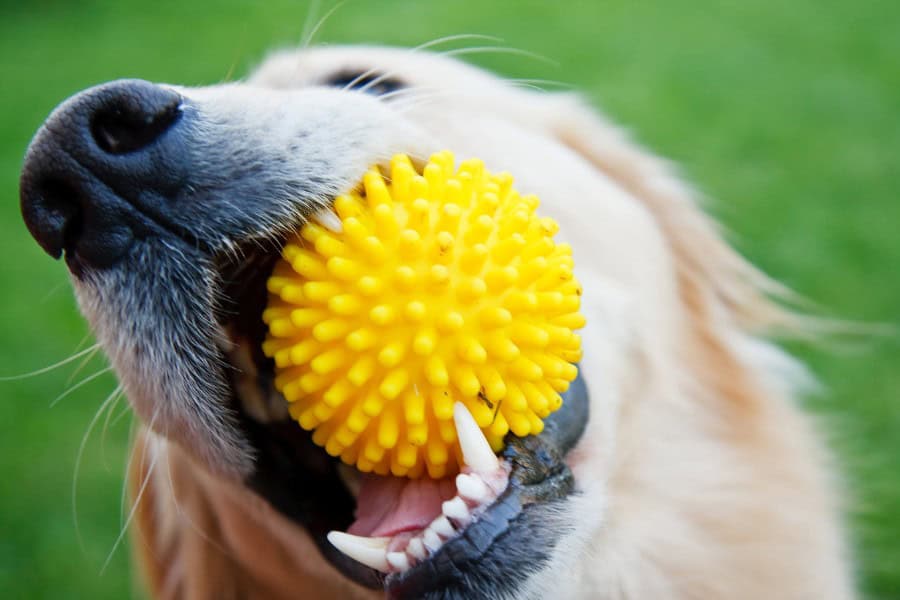
Size is life-or-death with dog toys. If a ball can slip behind the molars, it can lodge in the throat. For balls, pick a diameter that cannot fit fully in your dog’s mouth.
Design details to watch:
- Vent holes: Hollow toys should have two holes to prevent suction on the tongue.
- Squeakers: Fun, but high risk if dislodged. Remove the toy if the seam opens.
- Ropes: Trim frays. If threads pull out, retire it to avoid gut blockages.
- Shapes: Avoid long thin pieces that can break into spear-like shards.
A simple rule I use in consults: if you need to ask, it’s too small. That mindset is key to how to choose toys for dogs safely.
Match toy types to the job
Each toy has a purpose. Pick by job, not by how cute it is.
Best picks by goal:
- Chew: Solid rubber or nylon. Smooth edges. No single weak points.
- Fetch: Oversize rubber balls, discs made for dogs, buoyant bumpers.
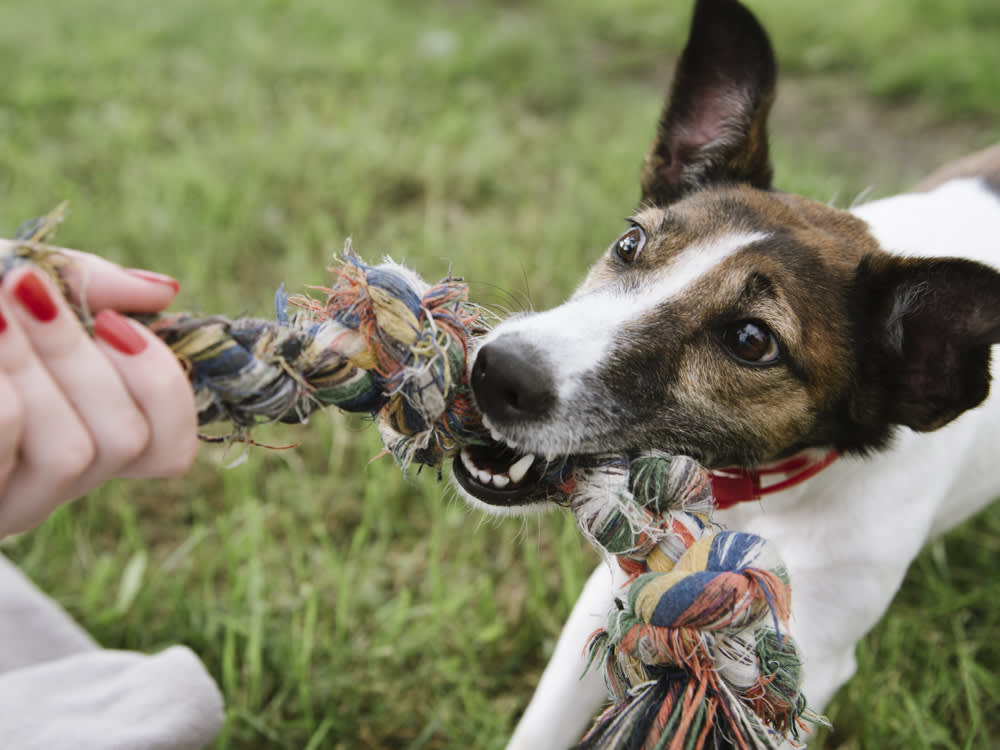
- Tug: Wide, sturdy tugs with comfortable grips. Rotate to protect teeth.
- Puzzle: Food-grade rubber or hard plastic with large openings and no pinch points.
- Sniff and lick: Snuffle mats with short, dense fleece; silicone lick mats with shallow grooves.
- Water play: High-visibility yellow or blue. Buoyant. No fabric that soaks up water.
When clients ask how to choose toys for dogs safely, I tell them to pick the job first, then the toy.
Supervise, inspect, rotate, and replace
No toy is indestructible. Management is your safety net.
Do this every week:
- Inspect: Look for cracks, missing chunks, loose eyes, or exposed squeakers.
- Test: Bend rubber toys. If they whiten or split, replace.
- Trim: Cut off rope frays. If strings pull free, retire the toy.
- Clean: Use hot water and mild soap. Rinse well. Air-dry.
Pro habits that work:
- Supervise new toys for the first three sessions.
- Use a toy rotation bin. Fewer toys out means better focus and less wear.
- Replace toys at the first sign of structural damage, not the tenth.
Routine care is a huge part of how to choose toys for dogs safely.
Age, teeth, and special needs
Puppies chew to soothe gums. Seniors chew to pass time, but can have fragile teeth. Adjust your picks.
Guidelines by stage:
- Puppies: Soft rubber and puppy-formula nylon. Freeze rubber toys for teething relief.
- Adults: Match to chew strength. Add puzzles to drain mental energy.
- Seniors: Softer rubber, gentle tug, and lick mats. Avoid very hard chews.
Special notes:
- Power chewers: Choose thick, solid rubber or dense nylon only. No plush unsupervised.
- Flat-faced breeds: Wider toys that are easy to pick up. Avoid deep, narrow hollows.
- Dental concerns: Skip antlers, hooves, and weight-bearing bones. They crack teeth.
Adapting to life stage is central to how to choose toys for dogs safely.

Read labels and shop smart
Packaging can mislead. Focus on facts, not buzzwords.
What to look for:
- Clear size chart by weight and breed. When in doubt, size up.
- Material callouts: natural rubber, nylon, silicone. Avoid “mystery compound.”
- Testing claims: heavy metal and phthalate testing noted by batch or year.
- Care instructions: dishwasher safe top rack or hand-wash only.
What to ask brands:
- Do you third-party test for lead, cadmium, and phthalates?
- What adhesive is used? Is it solvent-free?
- Do you have a Certificate of Conformity or test report?
These checks make a big difference in how to choose toys for dogs safely.

Budget, eco choices, and DIY safety
You can go green and still be safe. You just need a plan.
Budget-friendly wins:
- Rotate a few high-quality toys instead of many cheap ones.
- Combine a durable chew with a food puzzle for long play.
Eco and DIY tips:
- Choose natural rubber and recycled rubber from trusted brands.
- If you DIY, avoid socks, string, or loose fabric that can unravel.
- Skip regular tennis balls. The abrasive felt wears teeth. Use dog-safe fetch balls.
Smart trade-offs help you master how to choose toys for dogs safely.
&qlt=85&resMode=sharp2&op_usm=1.75,0.3,2,0)
Training and enrichment value
Toys can do more than entertain. They can teach calm, build focus, and cut problem behavior.
Easy wins:
- Stuff a rubber toy with wet food and freeze. It buys 20 minutes of quiet time.
- Use tug as a reward. Ask for a sit. Mark, then tug.
- Start with simple puzzles. Level up once your dog finishes in under five minutes.
Enrichment with a plan is a core part of how to choose toys for dogs safely.
Real-world stories and lessons learned
From my work with rescue dogs, I’ve seen how small changes save stress and cash. One power-chewing cattle dog shredded plush toys in hours. We switched to a heavy rubber chew, a firm tug, and a daily lick mat. Chewing moved from furniture to safe toys, and the vet bills stopped.
Common mistakes I see:
- Buying toys that are too small “because they’re cute.”
- Leaving rope toys out for unsupervised chewers.
- Ignoring early cracks on rubber toys.
- Using hard antlers that chip teeth.
Small, steady habits are how to choose toys for dogs safely in real life.
Frequently Asked Questions of how to choose toys for dogs safely
How do I know if a toy is the right size?
Pick a toy that cannot fit behind your dog’s back molars. For balls, choose a size your dog cannot close their mouth around.
Are squeaker toys safe?
They can be safe with close supervision. If the seam opens or the squeaker loosens, remove the toy at once.
What hard chews should I avoid?
Skip antlers, hooves, and weight-bearing bones. They are linked to fractured teeth and mouth injuries.
How often should I replace toys?
Inspect weekly and replace at the first sign of cracks, tears, or missing chunks. For power chewers, plan on faster replacement.
Are rope toys okay for heavy chewers?
Only with supervision. If threads start to pull out, retire the rope to prevent gut blockages.
Can I use baby toys for my dog?
No. Baby toys follow different rules and are not made for dog teeth. Choose dog-specific products.
Conclusion
Safe dog toys are not an accident. Pick the right size, safe materials, and a design that fits your dog’s play style. Add supervision, regular checks, and smart rotation, and you’ll prevent most problems before they start. If you are ever unsure how to choose toys for dogs safely, size up and supervise.
Ready to upgrade your dog’s toy box? Use the checklists above on your next shop, try one new enrichment idea this week, and share what worked. Subscribe for more practical guides, or drop your questions in the comments.

Pet Care Writer & Researcher
Daniel writes practical guides on daily care, feeding, and safety, turning complex topics into simple, actionable advice.