How To Know If Dog Is Dehydrated: Vet-Backed Signs 2026
Learn how to know if dog is dehydrated with clear signs, quick checks, and when to call a vet. Act fast to protect your pup.
Check gum moisture, skin tenting, urine color, and energy; call the vet if unsure.
If you want a clear, vet-level guide on how to know if dog is dehydrated, you’re in the right place. I’ve helped many owners catch dehydration early using simple checks at home. You’ll learn what to look for, what to do right now, and when to seek urgent care. Stick with me, and you’ll feel confident about how to know if dog is dehydrated in any season.
What dehydration means for your dog’s body
Dehydration happens when your dog loses more fluid than it takes in. Water carries nutrients, cools the body, and supports the heart, kidneys, and brain. When fluid drops, organs strain, and heat risk climbs.
Mild dehydration can show subtle signs. Moderate to severe dehydration can cause weakness, shock, and can become life-threatening. Learning how to know if dog is dehydrated helps you act before it turns into an emergency.

Early signs and subtle clues you can spot
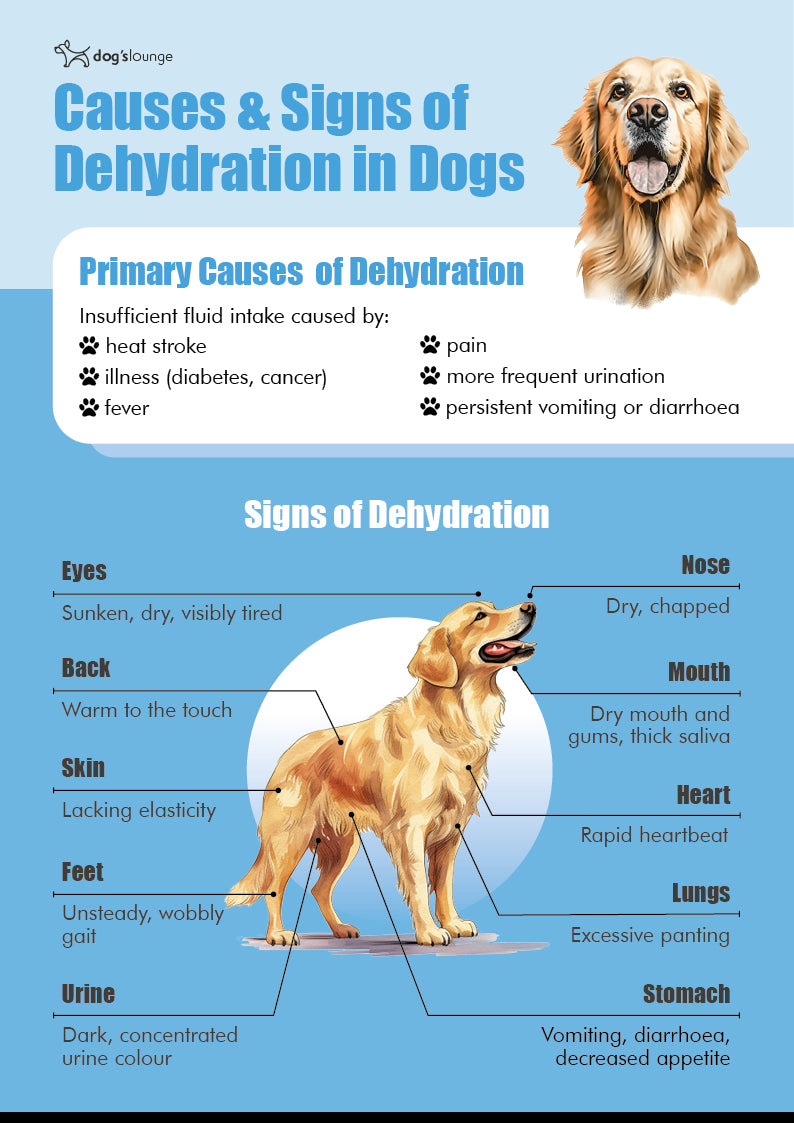
You can spot early changes if you know where to look. Here’s how to know if dog is dehydrated before it gets serious.
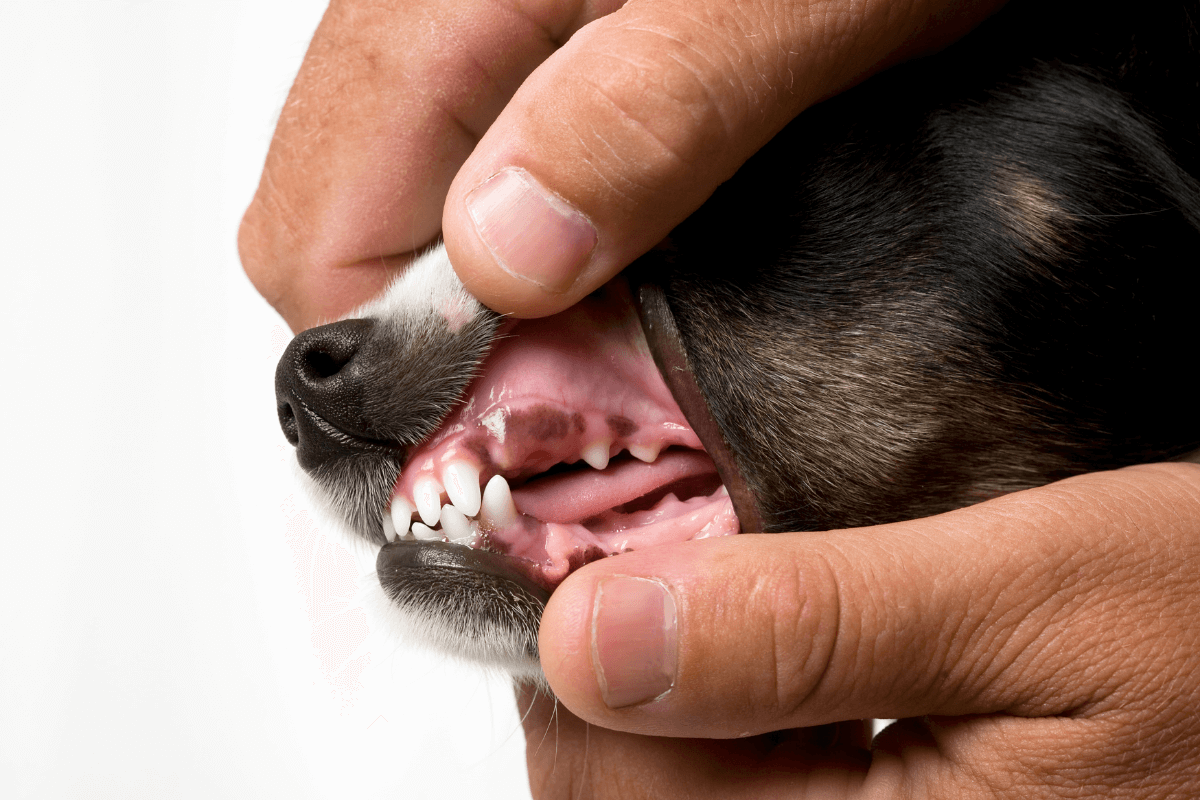
- Dry or tacky gums. Healthy gums feel slick, like the inside of your cheek.
- Mild lethargy. Your dog may move slower or skip play.
- Sunken eyes. The eyes can look dull or slightly recessed.
- Reduced skin bounce. The skin on the neck or shoulder “tents” and drops back slowly.
- Thick saliva and sticky drool strands.
- Dark yellow urine or less frequent peeing.
As dehydration worsens, you may also see fast breathing, a weak pulse, or collapse. Those need urgent vet care.
Simple at‑home checks that work
I teach three fast checks during puppy classes and senior-dog consults. Use them together for a better read.
- Skin tent test. Gently lift the skin over the shoulder, then let go. It should snap back fast. Slow return suggests dehydration.
- Gum moisture and color. Touch the gums. They should feel moist and look bubble-gum pink. Dry, pale, or very red gums are a warning.
- Capillary refill time. Press a finger on the gum to blanch it. Color should return in about 1–2 seconds. Longer or much faster can signal trouble.
- Urine check. Pale yellow is normal. Dark or orange-yellow suggests low fluids.
- Behavior and thirst. Is your dog seeking water, panting at rest, or less playful? Take note.
These steps make it easier to learn how to know if dog is dehydrated without special tools. If any check looks off and your dog acts unwell, call your vet.
:upscale()/2016/07/12/764/n/1922243/bb1a46d1b27483af_dehydrated_dog_signs.jpg)
Hot or just tired? Know the difference
Dogs pant to cool down. Panting alone does not prove dehydration. You need context.
- After play on a mild day, panting should settle within minutes, with normal energy.
- If panting stays heavy, gums feel dry, or your dog ignores water, think dehydration.
- If you wonder how to know if dog is dehydrated on hot days, combine the gum test, urine color, and skin tent for a clearer answer.

Source: com.br
Common causes and risk factors
Knowing the “why” helps you prevent it. Here are the usual suspects.
- Heat and humidity. Dogs cool poorly in high humidity.
- Vomiting or diarrhea. Rapid fluid loss can happen within hours.
- Fever, infection, or pain. These raise fluid needs.
- Diabetes, kidney disease, Cushing’s disease. These upset water balance.
- Medications. Diuretics and some anti-seizure drugs can increase loss.
- Age. Puppies and seniors dehydrate faster.
- Flat-faced breeds. Bulldogs and pugs overheat more easily.
- Long or intense exercise. Trail runs and beach days need extra water.
If one of these fits and you’re asking how to know if dog is dehydrated, monitor closely and offer water often.
How much water your dog needs each day
A simple rule helps most owners. Many dogs do well with about 1 ounce of water per pound of body weight daily. A 50‑pound dog needs about 50 ounces, or just over 6 cups.
Needs rise with heat, exercise, dry air, and illness. Wet food adds moisture. Broth can help picky drinkers, but choose low-sodium. If you keep wondering how to know if dog is dehydrated even with “normal” intake, track water and urine for a few days and check with your vet.

First aid at home and when to call the vet
Act early. Small steps can prevent a big scare.
- Move to shade or a cool room. Offer small sips of water every few minutes.
- Use room-temperature water. Ice-cold water can cause stomach upset.
- Add a splash of low-sodium broth to tempt a reluctant drinker.
- For dogs with vomiting or diarrhea, talk to your vet about oral rehydration options.
- Never force water with a syringe. It can cause choking.
Call your vet now if you see vomiting that won’t stop, diarrhea with blood, very dark urine, severe lethargy, collapse, or if your dog refuses all water. If you asked yourself how to know if dog is dehydrated and your checks look bad, trust your gut and go in. Early fluids save lives.
A practical prevention plan you can start today
A few habits make a big difference. I use these with working dogs and couch potatoes alike.
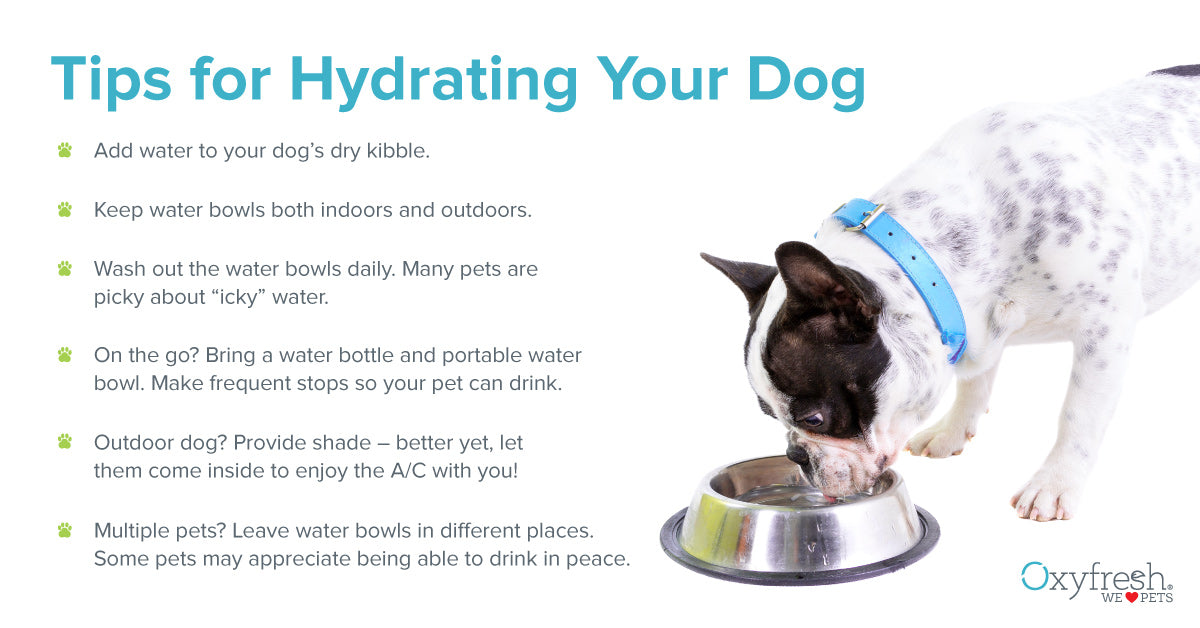
- Set water stations. One bowl per floor, refreshed twice daily.
- Pack travel water. Bring a collapsible bowl for walks, hikes, and errands.
- Schedule cool-downs. Pause play every 10–15 minutes in warm weather.
- Feed some moisture. Wet food or a splash of water on kibble helps.
- Flavor sparingly. Ice cubes or a sip of low-sodium broth can boost interest.
- Use a fountain. Flowing water can tempt picky drinkers.
- Log intake and output. Note how often your dog pees and drinks.
- Train a “drink” cue. Reward a few laps before runs or training.
Prevention is the easiest way to stop asking how to know if dog is dehydrated in the first place.
Special situations: puppies, seniors, athletes, and brachycephalics
Some dogs need closer watch.
- Puppies. Small bodies, big swings. Check gums often, especially with tummy bugs.
- Seniors. Kidney and heart issues are more common. Keep water easy to reach.
- Sport and working dogs. Offer frequent breaks and weigh dogs before and after long sessions to gauge fluid loss.
- Flat-faced breeds. Keep them cool, avoid mid-day heat, and learn the gum and skin tests well.
In all these cases, keep a plan for how to know if dog is dehydrated and when to call your vet.
Real-life note from the field
On a spring hike, a client’s young lab slowed down and got “sticky” drool. Skin tent lagged and gums felt tacky. We stopped, moved to shade, gave small sips every few minutes, and used a damp towel to cool his belly and groin. He perked up within 20 minutes. The owner later said the simple checks made it clear how to know if dog is dehydrated versus just tired. That calm, step-by-step approach works.
Frequently Asked Questions of how to know if dog is dehydrated
How fast can a dog get dehydrated?
It can happen within hours with vomiting, diarrhea, or heat. Puppies and seniors are at higher risk and need fast action.
What color should healthy dog gums be?
They should be moist and bubble-gum pink. Pale, white, gray, or very red gums can be a warning sign.
Is bottled electrolyte water safe for dogs?
Use dog-safe oral rehydration only under vet guidance. Many human drinks have too much sugar or sodium.
Can wet food prevent dehydration?
Wet food adds moisture and helps many dogs. You still need fresh water available at all times.
When should I go to the emergency vet?
Go now if your dog is weak, collapsing, vomiting non-stop, refusing water, or has very dark urine and dry gums. Trust your gut.
How to know if dog is dehydrated at night?
Check gum moisture and color, do a quick skin tent, and note behavior. If gums are dry and your dog is dull or panting at rest, call your vet.
Does panting always mean dehydration?
No. Panting cools the body. Pair panting with gum checks, urine color, and energy to judge hydration.
Conclusion
Dehydration can sneak up fast, but you can catch it with simple checks. Feel the gums, try a skin tent, watch urine color, and track energy. When in doubt, call your vet early.
Put a plan in place today. Set water stations, pack travel bowls, and practice the checks so you know how to know if dog is dehydrated in seconds. If this guide helped, share it with a friend, subscribe for more pet health tips, or leave a question in the comments.

Pet Care Writer & Researcher
Daniel writes practical guides on daily care, feeding, and safety, turning complex topics into simple, actionable advice.