How To Teach Dog Good Table Manners: Step-By-Step Guide
Teach your pup polite mealtime habits fast. Learn how to teach dog good table manners with step-by-step tips, cues, and fixes for begging and jumping.
Teach a solid sit-stay, use a “place” mat, and reward calm behavior.
You want dinner in peace. Your dog wants a seat at the table. I get it. I’ve taught hundreds of families how to teach dog good table manners without stress or scolding. In this guide, I’ll show you simple, science-backed steps. You will learn clear cues, smart setups, and kind rewards that work in real homes.
Why table manners matter
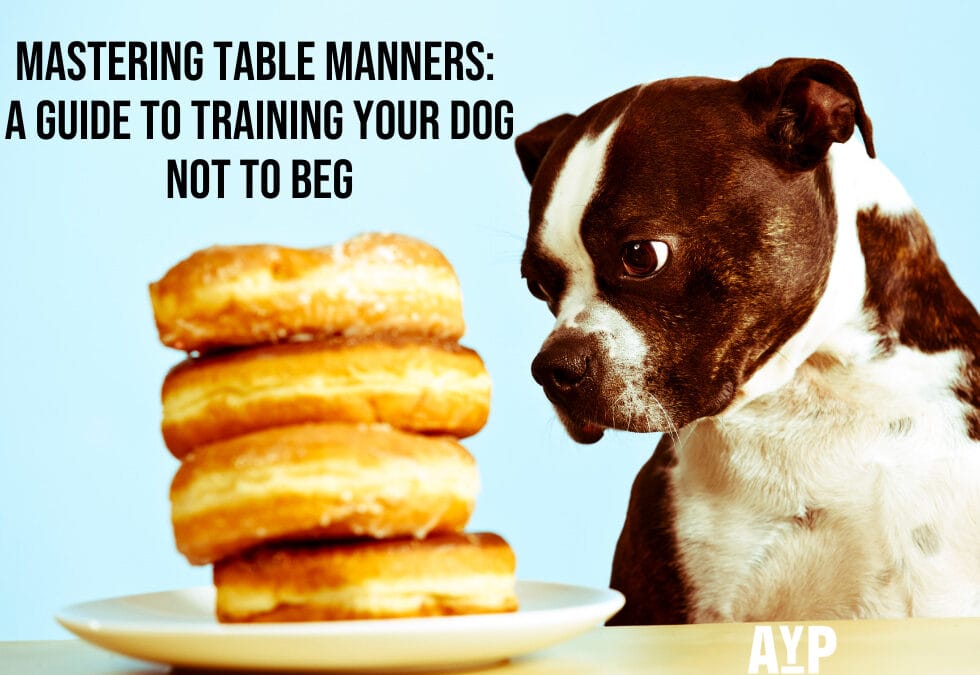
Good manners protect your dog and your meal. They also lower stress for everyone. Dogs repeat what pays. If begging brings a bite, begging grows fast.
Manners teach impulse control. They help your dog relax, even when smells are strong. This is key for kids, guests, and busy homes. A calm dog makes meals smooth and safe.
There is also a health angle. Many human foods are risky. Grapes, onions, xylitol, and cooked bones can harm your dog. Strong rules at the table prevent a rush for scraps.
When I coach families on how to teach dog good table manners, I focus on habits that last. We build one small win at a time. That keeps training fun and steady.
Understand why dogs beg
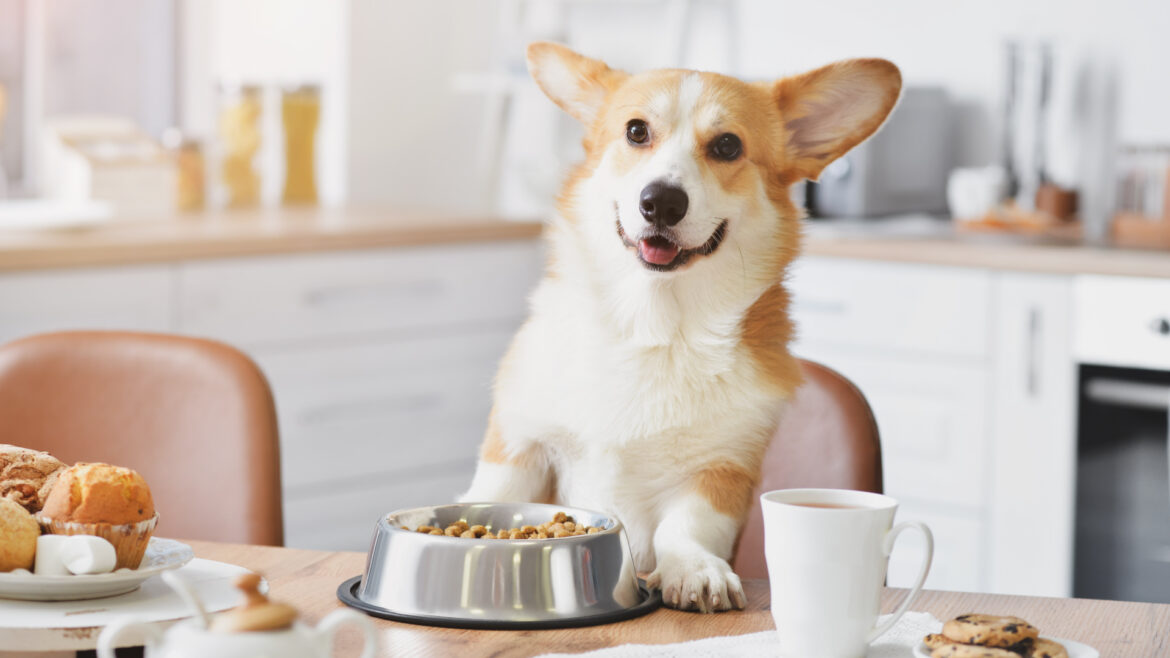
Dogs are not rude. They are hopeful. Food smells great, and hope grows when a snack drops now and then. That is normal learning at work.
One bite here and there creates a strong habit. This is called intermittent rewards. It makes the behavior very sticky. So rule one is clear: no food for dogs at the table.
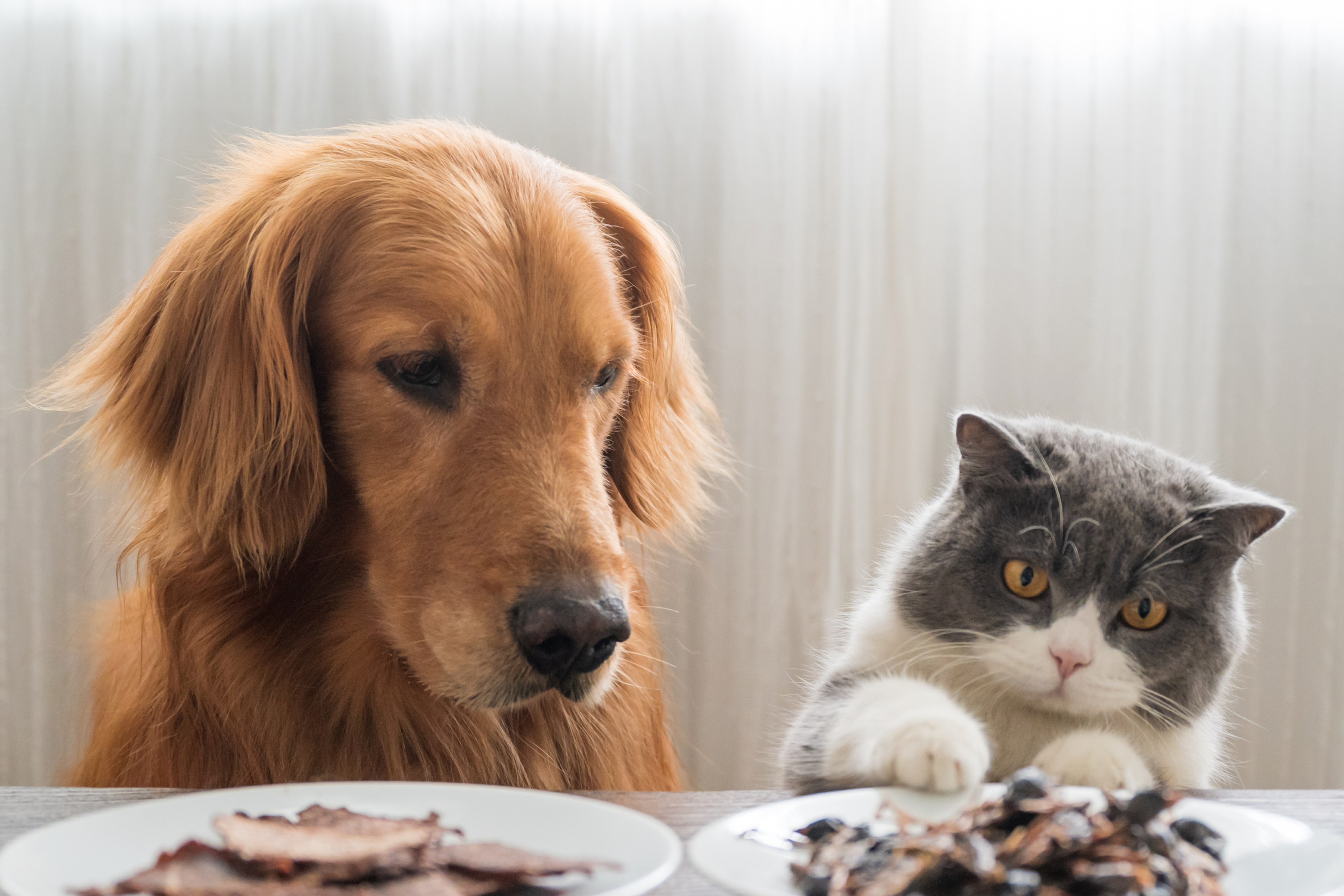
Watch your dog’s body language. Panting, pacing, or hard staring means they are excited or stressed. Your plan is to replace that state with calm on a mat. That is the core of how to teach dog good table manners.
Build the foundation: cues that matter
Start away from the table. Teach these three cues first. Keep sessions short and happy.
- Sit and Stay The base for calm. Reward tiny holds at first.
- Leave It Helps your dog ignore fallen crumbs and plates.
- Place A mat or bed cue. Your dog lies down and relaxes there.
Use small, soft treats. Mark good choices with a click or a crisp yes. End on a win. When your dog knows these cues, you are ready to bring them near the table. This makes how to teach dog good table manners simple and clear.
Step-by-step plan: how to teach dog good table manners
Follow this path. Go at your dog’s pace. If they slip, lower the bar and try again.
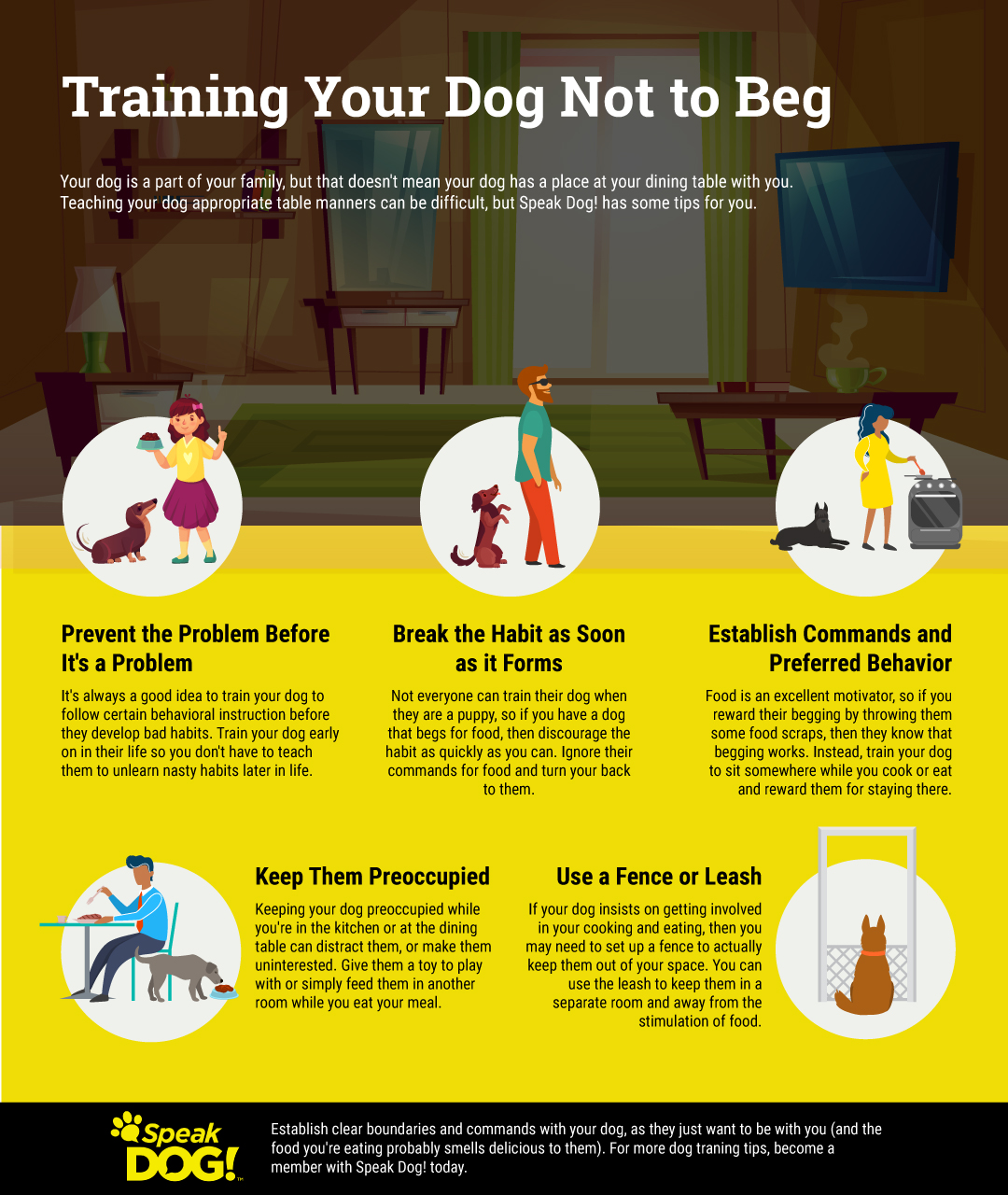
- Choose a place Pick a mat or bed six to ten feet from the table. Reward your dog for stepping on it.
- Add a down Ask for a down on the mat. Feed several treats in place. Calm tone. Slow breaths.
- Build time Feed one treat every two to five seconds at first. Stretch to ten to twenty seconds. Then to one minute.
- Add fake meals Sit at the table with an empty plate. Dog stays on place. Reward calm. Release when done.
- Add low smells Use plain bread on the plate. Repeat the drill. If your dog leaves the mat, guide them back and drop the challenge.
- Add real food Start with mild smells. Chicken and rice work well. Keep rewards small and slow. Keep your dog winning.
- Add family motion Stand up. Pass plates. Pull out chairs. Reward your dog for staying put. This is key for how to teach dog good table manners.
- Fade treats Switch to a calm praise or a soft toss treat to the mat every so often. Random rewards keep behavior strong.
- Add the cue Make Place your cue before each meal. The chain becomes place, settle, quiet dinner.
- Maintain the rule No scraps from plates. Ever. Use a post-meal treat bowl to reward after dinner ends.
Pro tip from my clients: cue a chew on the mat during big meals. A stuffed toy or a safe chew keeps jaws busy and brains calm.

Environment setup that makes training easy
Make it hard to fail and easy to win. Set your space before dinner.
- Use a non-slip mat Place it far enough so smells are softer at first.
- Clip a leash to furniture if needed This prevents sneaky table visits.
- Give a long-lasting chew Offer it only during meals to add value to the mat.
- Keep a treat cup at your seat Drop a treat to the mat for quiet behavior.
Ask guests and kids to follow the same rules. Consistency is the secret in how to teach dog good table manners.
Reinforcement schedules that stick
In the start, reward often. Think tiny paychecks for tiny wins. As your dog learns, pay less often, but keep it random.
Try this plan:
- First week Reward every few seconds on the mat.
- Second week Reward every fifteen to sixty seconds.
- After that Switch to surprise bonuses and warm praise.
Dogs work hard for a chance at a jackpot. A sudden handful on the mat, once per meal, can hold manners well. This keeps how to teach dog good table manners strong over time.
Common mistakes and easy fixes
- Feeding from the table Even once can reset begging. Use a post-meal treat instead.
- Training only at dinner Practice at snacks and breakfast too. More reps, faster results.
- Asking for too much, too fast Lower the challenge. Fewer smells. Shorter meals. Win small.
- Missing exercise A wired dog cannot relax. Add a short walk or sniff time before dinner.
- Punishing begging This adds stress and can spark guarding. Teach and pay for calm choices.
I learned this the hard way. Years ago, a single dropped steak bite turned a calm lab into a pro beggar for weeks. We fixed it by going back to the mat, slow reps, and zero table food.
Multi-dog homes and kids at the table
With more dogs, assign one mat per dog. Place them a few feet apart. Reward each dog on their own mat. If one breaks, reset both and lower the challenge.
With kids, keep rules simple:
- No sharing with dogs at the table.
- Keep plates on the table, not laps.
- Ask an adult before giving the dog any food.
These small rules help a lot with how to teach dog good table manners in busy homes.

Troubleshooting tough cases
If your dog guards food or space, pause table training. Work on trade games and relaxed feeding away from the table. Get help from a qualified trainer if needed.
If your dog is anxious at meals, make the mat a calm zone. Use slow breaths and soft praise. Short, easy wins beat long, hard sessions. This is still how to teach dog good table manners, just at a kinder speed.
A simple 14-day practice plan
Day 1 to 3 Teach Place and Down away from the table. Reward often.
Day 4 to 6 Add the table at a distance. Fake meals. Low smells. Many small wins.
Day 7 to 10 Real meals with mild food. Add family motion. Fade treats a bit.
Day 11 to 14 Normal meals. Random rewards. Zero scraps. Add a special chew on bigger nights.
By the end, you will see calmer sits, softer eyes, and a quiet mat hold. Keep going. That is the heart of how to teach dog good table manners.
Frequently Asked Questions of how to teach dog good table manners
How long does it take to stop begging?
Many dogs improve in two weeks with daily practice. Strong habits can take four to six weeks to hold under stress.
Should I use a crate instead of a mat?
A crate can help at first if your dog is wild. Shift to a mat as they learn so they can join the room calmly.
What if a guest feeds my dog at the table?
Thank them, then share your rule. Offer them a treat to give the dog on the mat after the meal.
Is it okay to scatter food on the floor during meals?
Yes, if it is on the mat only. Do not toss food near the table, or you will grow begging.
What treats work best for mat training?
Use pea-sized soft treats your dog loves. Save the best ones for hard moments, like when plates move.
My dog whines on the mat. What should I do?
Wait for one second of quiet, then reward. If whining grows, lower the challenge and add a chew.
Conclusion
You can enjoy calm meals with your dog. Start with a place mat, clear rules, and fair pay for good choices. Keep sessions short. Raise the bar slowly. Protect the no scraps rule.
Pick one step today and try it at lunch. Small wins stack fast. If you found this guide on how to teach dog good table manners useful, share it with a friend, subscribe for more easy training tips, or drop a comment with your progress.

Pet Care Writer & Researcher
Daniel writes practical guides on daily care, feeding, and safety, turning complex topics into simple, actionable advice.